Author: Logan Fitzgerald

  • Essentials of Awareness Campaigns

    Essentials of Awareness Campaigns

    Ever tried explaining your organization’s purpose and gotten that glazed-over look? You’re not alone. Building a movement without understanding your foundation is like trying to solve a Rubik’s Cube blindfolded – theoretically possible, but practically painful.

    We’re going full Sherlock Holmes on your mission. What makes your nonprofit tick? Why should anyone care? This isn’t just about warm feelings – it’s about crafting a message so sharp it could cut through the digital noise.

    Think of this as your intellectual toolkit for making sense, not just noise. We’ll break down core values with surgical precision and identify your unique proposition with stand-up comedian clarity.

    Because in today’s attention economy, knowing your audience isn’t just important – it’s the difference between going viral and going invisible. Ready to build something that actually matters?

    Social Media Tools

    Forget casting a wide net – today’s social media success means fishing where your audience actually swims. The digital landscape has become a specialized ecosystem. Each platform serves a unique purpose in your community awareness strategy. Getting this right separates the viral sensations from the digital ghost towns.

    Choosing the Right Platforms for Your Cause

    Platform selection isn’t about being everywhere – it’s about being precisely where your message matters most. Think of it as matchmaking between your cause and the communities that will champion it.

    Instagram transforms complex issues into visual stories that resonate with the under-40 crowd. It’s where aesthetics meet activism in perfect harmony.

    LinkedIn isn’t just corporate networking – it’s where you find professionals who can fund your entire operation. This platform turns business connections into philanthropic partnerships.

    Facebook remains the town square for local community awareness. It’s where neighborhood movements gain momentum and traditional outreach finds digital wings.

    TikTok has emerged as the unexpected hero for grassroots campaigns. Its algorithm can launch obscure causes into mainstream consciousness overnight.

    Content that gets scrolled past is just digital litter. Your goal is to create shareable moments that amplify your community awareness message.

    Hashtags function as digital graffiti – they mark your message across multiple conversations. Use them like a skilled artist tags a masterpiece:

    • Research trending and niche-specific tags
    • Create branded hashtags that supporters can adopt
    • Mix popular and specific tags for maximum reach

    Real-time updates generate FOMO (fear of missing out) that drives engagement. Live coverage of events creates urgency that static posts can’t match.

    Visual storytelling through infographics and videos makes complex issues digestible. The human brain processes visuals 60,000 times faster than text – use this to your advantage.

    Viral challenge videos have rewritten the rules of community awareness. These campaigns turn passive scrollers into active participants in your movement.

    Consistent messaging across platforms builds recognition while platform-specific formatting maximizes impact. Your voice remains the same, but your delivery adapts to each digital environment.

    Event Ideas

    Most charity events are as exciting as a mandatory HR training. But what if your events were so good, people would cancel Netflix? The secret is creating moments that turn scrollers into supporters.

    charity outreach event planning

    Fundraising Events

    Forget boring galas that feel like wedding receptions without the fun. The magic happens when you match your event to what people really like. College students might enjoy a gaming tournament, while professionals like exclusive events.

    Local businesses can make your event amazing. Imagine a restaurant hosting your fundraiser and donating a part of their sales. It’s a win-win that strengthens community ties and helps your cause.

    Need ideas? Check out these 10 simple fundraising event ideas that make people want to join in, not just donate out of pity.

    Organizing Educational Events

    Educational events should be fun, not boring. The key is interactive learning. Think workshops, panel discussions, or hands-on activities that show your cause’s impact.

    World record attempts might seem silly, but they can get a lot of attention. Imagine getting your community to plant trees at once. It’s educational, fun, and shareable.

    Even event swag matters. A cheap t-shirt with your logo? It’ll end up as a rag. But useful, stylish items become walking ads for your cause. Think reusable water bottles, quality totes, or local products people will keep.

    Successful events turn charity outreach into something people want to be a part of. It’s the difference between feeling obligated and truly caring.

    Partner Collaboration

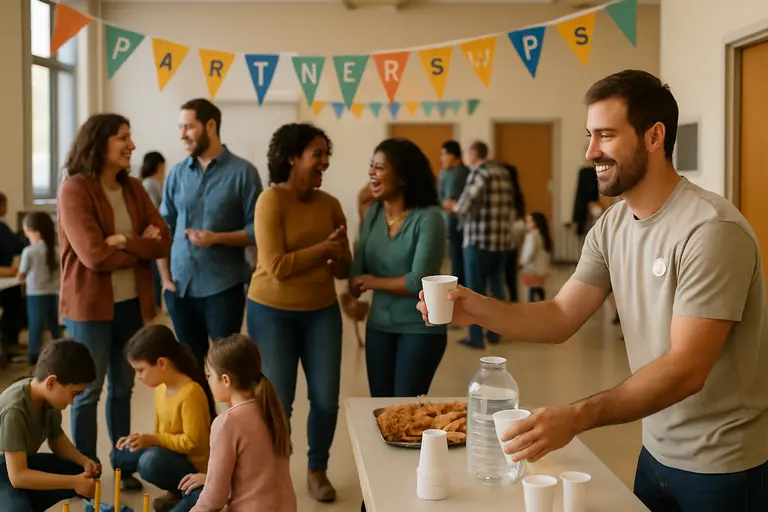
    Think you can run an awareness campaign solo? That’s like trying to start a revolution with just a catchy slogan and hope. The real magic happens when you stop collecting logos and start building ecosystems.

    awareness campaign guide partnership strategies

    Strategic Partnerships

    Strategic partnerships aren’t about who has the deepest pockets. They’re about finding organizations that complement your mission like peanut butter complements jelly. The right partnership feels less like a transaction and more like finding your missing puzzle piece.

    Here’s how to identify authentic allies:

    • Value alignment over budget size
    • Shared audience demographics
    • Complementary skill sets
    • Geographic synergy
    • Long-term vision compatibility

    Local businesses often make the best partners. They’re rooted in communities and understand regional nuances. A neighborhood coffee shop might reach more people than a national corporation.

    Influencer Collaborations

    Influencer partnerships shouldn’t feel like paid advertisements. The best collaborations are genuine endorsements from people who actually care about your cause. Authenticity is the currency that buys audience trust.

    Micro-influencers often outperform celebrities for awareness campaigns. Their engagement rates are higher, and their recommendations feel like advice from a trusted friend.

    Remember: The goal isn’t just visibility. It’s about creating symbiotic relationships where everyone benefits. Your awareness campaign guide becomes a movement when you stop going it alone and start building your coalition.

    Measuring Reach

    Measuring your awareness campaign is key. Without it, you’re like playing darts blindfolded. You might hit something, but you won’t know why or how to get better. It turns shouting into strategy, using data to drive community awareness forward.

    Tracking Metrics

    Forget about vanity metrics that look good but don’t matter. We focus on numbers that really count. Social media engagement is important, but only if it leads to action. Funds raised are key, but understanding what caused them is even more important.

    Connecting these dots is where the magic happens. A spike in Instagram followers after an event means more volunteers and donors. New email subscribers show your community awareness is growing.

    Many organizations collect data but don’t analyze it. Analysis is about understanding the “why” behind the numbers. It’s not just about making pretty charts.

    Why did Facebook outperform Twitter by 300%? Why did a local news feature boost website traffic more than ads? These questions guide your next campaign. Tools like Google Analytics and Hootsuite make this easy without needing a data science degree.

    Using insights for improvement is powerful. If a platform isn’t working, change your approach or move resources. If a tactic surprises you, use it more. This is how you succeed in measuring awareness campaigns.

    Remember, if you can’t measure it, you can’t improve it. And if you can’t improve it, you’re stuck making the same mistakes. The data is there; it just needs someone to ask the right questions.

    Local Examples

    Let’s talk about what really makes a difference in charity outreach. Theory is good, but results are what truly matter.

    Case Studies

    WNC Health Network didn’t just talk about mental health. They created campaigns around real stories from residents. Their outreach felt like a genuine community conversation, not just marketing.

    Success Stories

    Metropolitan Ministries made hunger awareness a big deal online. The Recycling Partnership made reducing waste cool through partnerships.

    Tara’s Guinness World Record attempt was more than just a show. It was a clever way to raise awareness through entertainment. Jada’s JellyBeans T-shirt fundraiser showed how small efforts can lead to big changes.

    Lucy’s cross-country cycling tour showed that movement can spark change. The Off The Record volleyball tournament mixed sports with a cause, making charity outreach fun to join.

    These aren’t just stories – they’re guides. Each campaign mixed smart planning with real human connections. That’s the key to successful charity outreach.

    The top awareness campaigns aren’t made in offices. They happen in communities, driven by people who believe change is possible.

  • Essential Tools Overview

    Essential Tools Overview

    Trying to raise money without the right digital fundraising tools is tough. It’s like going into a fight with a knife when everyone else has guns. You might look ready, but you’re really at a disadvantage.

    Many groups face problems with old systems that make giving feel like tax time. The best fundraising tools should be smooth and easy, not complicated.

    First, get a payment processor that fits well with your website. CanadaHelps’ donation form is a great example. It offers many ways to pay, different giving levels, and keeps data clean. Your giving experience should be easy, not hard.

    This is your chance to upgrade your fundraising tools. We’re moving from quick fixes to solid, scalable solutions.

    Platform Reviews

    Welcome to the digital fundraising Thunderdome, where platforms compete for your attention and donor data. It’s like dating apps for nonprofits, with each promising true love but only some delivering.

    GoFundMe Pro is the heavyweight champion. It used to be Classy but now has GoFundMe’s huge community. They’ve raised over $40 billion for good causes, supporting organizations like Baby2Baby and Direct Relief.

    But does bigger always mean better? The real question is whether these online donation platforms help you build genuine donor relationships or just process transactions.

    online donation platforms comparison

    Some platforms make you feel like a tech wizard. Others make you want to throw your computer out the window. If the user experience feels like solving a Rubik’s cube blindfolded, your donors will bounce faster than a check from your broke cousin.

    Here’s the cold, hard truth about what really matters when choosing your fundraising partner:

    Platform Feature Relationship Builder Transaction Processor
    Donor Communication Integrated messaging system Basic email notifications
    Data Analytics Comprehensive donor insights Basic transaction reports
    Customization Options Branded campaign pages Limited template choices
    Recurring Donations Flexible scheduling options Basic monthly giving
    Mobile Optimization Seamless mobile experience Desktop-focused design

    The best platforms understand that fundraising isn’t just about collecting money. It’s about creating connections that last beyond a single donation. They provide tools for storytelling, impact reporting, and genuine engagement.

    Remember: your choice of platform affects how you manage donor information and comply with regulations. Always review their data privacy policy to ensure proper handling of sensitive information.

    Flexible fundraising options separate the contenders from the pretenders. The right platform should grow with your organization, adapting to your changing needs without requiring a complete overhaul every year.

    Ultimately, the best online donation platforms make technology invisible. They let your mission shine while handling the complicated backend stuff. Because nobody started a nonprofit to become a software expert.

    Payment & Donor Management

    Payment processing is like the first meeting in a fundraising romance. Instead of coffee spills, we face credit card issues. Digital tools can be your ally or a clumsy date.

    A smooth donation experience is like a Broadway show. It leaves you wanting more. A middle school recital, on the other hand, might not be as memorable.

    Crafting the Perfect Donation Flow

    Your checkout process should be as smooth as jazz. Too many clicks are like too many locks on a door. Don’t make giving hard for your supporters.

    The key to a great checkout includes:

    • Seamless checkout that’s easy to navigate
    • Multiple payment tiers to fit different budgets
    • Many payment options, like credit cards and PayPal
    • Quick confirmation messages that make donors feel valued

    digital fundraising tools payment options

    Friction hurts generosity. Make giving easy, and more people will do it. It’s simple psychology – we help those who are close to us.

    Donor Management: Beyond Spreadsheet Sorcery

    Using Excel for donor tracking is like using a paper map today. Donor management systems are essential for remembering important details about your donors.

    Tools like DonorPerfect turn messy data into useful insights. They help you understand why donors give and when they might give again. It’s like having a personal assistant.

    Management Approach Spreadsheet Method Digital System Impact on Donor Relations
    Data Organization Manual entry, prone to errors Automated tracking Higher accuracy
    Donor Insights Basic contact info Complete giving history Personalized outreach
    Time Investment Hours of maintenance Minutes of review More engagement time
    Scalability Limited by rows Unlimited growth Better long-term planning

    The right digital tools build relationships, not just process payments. They remember donors’ preferences and causes. It’s thoughtful, not creepy.

    When donors feel understood, they become true partners. Their support is invaluable.

    Integrating Social Media

    Fundraising on social media today is like trying to order a complicated coffee in the morning rush. It’s frustrating, and you might get something wrong. The key is not to shout louder on more platforms. It’s about whispering smartly on the right ones.

    The Art of Strategic Platform Selection

    Jumping from platform to platform is like speed dating in fundraising. You meet many but connect with few. Stick to two platforms and nurture them like a gardener tends roses. Quality is more important than quantity.

    Instagram is great for visual stories. LinkedIn is perfect for professional connections. Facebook is ideal for building a community. Choose your platforms based on where your donors are online.

    Content That Converts Scrollers Into Donors

    Your content should be real and engaging, not like a corporate memo or a telethon. Authenticity is key in today’s world. Share stories that touch people’s hearts before asking for donations.

    Interactive content turns viewers into participants. Use polls, questions, and behind-the-scenes content to engage people. This builds relationships and turns followers into supporters.

    The Hashtag Strategy That Actually Works

    Hashtags are like street signs on social media. Too many or the wrong ones can confuse people. Use one unique hashtag for your campaign.

    Pair this with 2-3 relevant community hashtags. This approach boosts visibility and identity without looking desperate.

    Seamless Donation Pathways

    When someone decides to donate, it’s a delicate moment. Make the process smooth like a jazz musician’s charm.

    Use online donation platforms with one-click solutions. Remove any obstacles. Mobile optimization is essential for modern fundraising.

    Be consistent in your posting schedule, visuals, and messaging. This builds trust. Trust creates communities. Communities spark movements. And movements can change the world, one social media post at a time.

    Case Studies

    Let’s dive into real-life examples of what works in fundraising. These groups didn’t just follow the rules. They created new chapters in digital fundraising history.

    Baby2Baby: The Power of Personal Connection

    Baby2Baby made diaper drives digital gold. Their secret? Peer-to-peer campaigns that felt like personal recommendations.

    They let supporters create their own fundraising pages with personal stories. This raised $2.3 million in just six months. The key? People give to people, not organizations.

    Direct Relief: Crisis Response Mastery

    When disasters hit, Direct Relief acts fast. Their digital fundraising tools helped them raise $40 million during the pandemic.

    They shared real-time updates and showed donors where their money went. Trust is key to getting people to donate.

    Joni and Friends: Virtual Events That Don’t Suck

    Joni and Friends made online events engaging. They treated them like productions, not presentations.

    They added interactive elements, celebrity guests, and live impact demos. This boosted participation by 300% and donations by 40%.

    Organization Strategy Results Key Insight
    Baby2Baby Peer-to-peer campaigns $2.3M in 6 months Personal stories outperform generic asks
    Direct Relief Rapid response fundraising $40M raised Transparency builds donor trust
    Joni and Friends Virtual event production 300% participation increase Quality experiences justify premium donations

    These examples show that the right digital fundraising tools are more than software. They’re strategic partners. Each group found its unique voice and built real connections.

    Want to see more examples? Check out our case studies collection. It features dozens of groups that made a real difference online.

    The common thread? They used their digital fundraising tools to build relationships, not just process transactions. That’s how you turn one-time donors into lifelong supporters.

    Avoiding Pitfalls

    Watching charities chase ‘low-cost’ solutions is like watching someone try to save money by buying cheap parachutes. The savings vanish when you hit the ground. Those Interac eTransfers and mailed donations might seem thrifty, but they create donation friction worse than rush hour traffic.

    Modern fundraising demands modern tools. Proper online donation platforms remove barriers instead of creating them. Digital fundraising isn’t a one-time setup – it’s an ongoing conversation with your supporters that needs constant refinement.

    The smartest organizations understand that testing isn’t optional. What worked last year might already be obsolete. I’ve seen donation processes more complicated than assembling IKEA furniture without instructions. Don’t make your supporters work that hard.

    Some common mistakes can derail your entire campaign. This breakdown of fundraising pitfalls shows how to avoid turning off donors. The right online donation platforms make giving effortless while keeping your costs reasonable.

    Your fundraising strategy should evolve like technology does. Stop treating digital giving as an afterthought and start building relationships through seamless experiences. The best fundraising feels less like transactions and more like connections.

  • Volunteer Role Descriptions

    Volunteer Role Descriptions

    Let’s be honest – nobody wants to show up ready to change the world only to become a human paperweight. I’ve seen people arrive with passion, but then they’re given envelopes and told to “look busy.”

    Making clear role descriptions is not just paperwork. It’s the key to building a movement, not just a waiting room. We’re talking about creating job outlines that attract the right people and scare off the wrong ones.

    Think of it as writing a dating profile for your organization. You want to be honest about what you offer while making it irresistible to your ideal match. This way, you recruit volunteers who truly fit your mission.

    We’ll look at finding the right balance between being specific and flexible. In the nonprofit world, “other duties as assigned” can mean anything from crisis counseling to fixing the photocopier.

    Recruitment Channels

    If you’re sticking to old-school methods like posting flyers, it’s time to update your strategy. The digital world has changed how we find and manage volunteers. It’s not just about binge-watching shows anymore.

    Recruitment channels are like dating apps for your cause. Some give you lots of options, while others find you the perfect match. The key is to use a mix of methods. This way, you can find 63% more volunteers than with just one approach.

    Social media recruitment can be powerful if done correctly. Targeted ads on Facebook can reach people who care about your cause. Instagram stories let you share volunteer experiences live. But remember, likes don’t always mean volunteers.

    Email newsletters are like the vinyl records of today. They work well because your subscribers already care about your cause. A good volunteer spotlight can inspire more than a generic message.

    Corporate partnerships can be a goldmine. Many companies have volunteer programs they’re eager to fill. It’s like finding a team ready to go, with a budget for pizza.

    Volunteer matching sites like VolunteerMatch and Idealist are like dating apps for volunteers. People visit these sites looking for opportunities. It’s a chance to meet them when they’re most eager to help.

    Your current volunteers are your best advocates. They can share their experiences better than any brochure. Create a program that lets them easily share your cause.

    Former volunteers might just need a little reminder to come back. They already know your organization. A “we miss you” campaign can bring them back faster than training new people.

    Don’t forget about your board members’ networks. They often have connections with corporate leaders and influencers. One email from a board member can be more effective than all your social media efforts.

    Building a recruitment ecosystem is key, not just throwing things at the wall. Track which methods bring in volunteers, not just clicks. Adjust your strategy every quarter based on what works.

    Recruitment is about finding the right people, not just anyone. Quality is more important than quantity. You want a team that will stay with you for the long haul.

    Onboarding Tips

    Ever seen someone try to put together IKEA furniture without the manual? That’s what bad volunteer onboarding looks like. It’s all confusion and missing parts. After you recruit volunteers, the real challenge starts. Or should I say, the real test of your organizational sanity.

    Good onboarding isn’t just dumping information. It’s a well-planned process where everyone knows their role. SAMHSA’s training framework guides us: start simple, build gradually, and make it fun.

    volunteer onboarding process

    Here’s how to avoid overwhelming volunteers and create programs that stick:

    • Phase the revelation: Day one shouldn’t be overwhelming. Start with the basics—where the bathrooms are, who to ask for help, and why your mission matters
    • Develop materials humans actually read: Get rid of the huge manuals no one reads. Create simple cheat sheets, quick guides, and visual aids that are easy to understand
    • Choose orientation leaders who don’t sound like robots: Look for people who can explain your organization’s culture in a way that keeps everyone awake. Charisma beats boring jargon any day

    Training should feel like learning new skills, not punishment. Modern volunteer management focuses on connection over just following rules. Make sessions that respect people’s time and show they’re valued.

    Think of scheduling like a Netflix series—short episodes that are enjoyable. Nobody wants a long, boring orientation. Break it into smaller parts over days or weeks.

    The goal is to turn new volunteers into confident team members. When you recruit volunteers well, you’re not just filling spots—you’re shaping your organization’s future.

    Remember: the best onboarding gives context, boosts confidence, and makes people want to return. Because, let’s be honest, nobody joins a volunteer program hoping to be bored.

    Motivating Volunteers

    Let’s face it: nobody volunteers because they’re tired of Netflix. The key to managing volunteers isn’t about giving them treats. It’s about understanding why they volunteered in the first place. And yes, free pizza helps, but it’s not the main reason.

    What keeps volunteers coming back? It’s the sense of purpose and connection. Feeling valued makes a big difference. I’ve seen volunteers who feel appreciated work 50% more than those who don’t.

    manage volunteers motivation strategies

    To make volunteers feel valued, treat them as people, not just free help. They have goals and lives outside your organization.

    Transparent communication is key. Volunteers don’t want spam from the organizations they help. Be real, relevant, and human.

    Here’s what works:

    • Regular check-ins that don’t feel like reviews
    • Opportunities that match their goals
    • A community where people enjoy being
    • Personal recognition, not generic

    Volunteers give their time because it makes them feel something. Our job is to ensure that feeling is positive. Understanding why volunteers engage helps tailor our approach.

    Fostering community is about real connections, not forced fun. When volunteers connect with each other and your organization, they don’t just show up. They want to.

    The best recognition isn’t about awards. It’s about showing volunteers you see and value them. That’s how you build a loyal volunteer team.

    Recognition Ideas

    Most volunteer recognition programs feel like a participation trophy. If you only give out generic “Volunteer of the Month” certificates, it’s time for a change. We need to show people they’re truly valued.

    Personalized recognition is simple but requires thought. It’s not just about using someone’s name. It’s about noticing how they help. Did they organize the supply closet without being asked? Remembering a donor’s anniversary shows you care.

    Everyone appreciates recognition in their own way. Some love public praise, while others prefer a personal note. It’s important to match the recognition to the person, not use the same thing for everyone.

    Meaningful rewards should match your volunteers’ values, not just be something you have lying around. Another tote bag probably isn’t going to impress someone who gives up their Saturdays. Think about experiences, learning opportunities, or donations to causes they support.

    Annual awards can be great if they feel genuine, not just a must-do. Recognition should be a regular part of your culture, not just an annual event. Celebrate contributions big and small throughout the year.

    Creating a culture of appreciation helps you recruit volunteers who stick around. People talk about organizations that make them feel valued. They become your best advocates without needing a marketing budget.

    The best recognition often costs nothing but your attention. Acknowledge someone’s hard work, remember why they started, or simply say “I saw what you did there.” For more ideas, check out these effective volunteer recognition strategies.

    Recognition is more than just a bonus for volunteer management. It’s the whole point. Get it right, and you’ll keep your amazing volunteers and attract new ones who want to be seen and valued.

    Burnout Prevention

    Burnout sneaks into your volunteer program quietly, like carbon monoxide. It slowly drains the energy from your most dedicated volunteers. They become invisible in your Slack channel. This happens because people forget that volunteers are not endless resources.

    The signs of burnout are not always clear. It’s not just when someone says “I’m burned out.” Look for the small signs: when someone is less reliable, seems cynical, or has lost their spark. If your top volunteer starts to sound like a corporate drone, it’s time to act.

    The main problem is treating volunteers like machines. This includes unclear roles, feeling guilty for taking time off, and expecting too much. To manage volunteers well, you must stop expecting them to always be available.

    Preventing burnout is not weak—it’s smart. Set clear time limits during recruitment. Make sure there are chances for volunteers to take breaks. Create a culture where taking time off is okay. Galaxy Digital’s research shows that doing this can keep volunteers for 40% longer.

    The volunteer who stays with you for years is more valuable than one who leaves quickly. Building a lasting movement takes consistent effort, not just excitement.

  • Crowdfunding Basics

    Crowdfunding Basics

    Thinking you can just toss an idea online and watch the cash roll in? That’s like trying to solve climate change with positive thoughts alone.

    I’ve watched enough campaigns crash and burn to know one truth: understanding the fundamentals separates success stories from forgotten flops.

    The average successful campaign raises $7,000 with $88 average donations. That’s not just numbers – it’s the difference between funding your vision and funding your disappointment.

    We’ll break down the four main models: donation-based, reward-based, equity-based, and lending-based. Choosing the right one matters more than your morning coffee choice.

    Want to avoid becoming another statistic? Start with proper crowdfunding tips and platform selection. Your future self will thank you.

    Choosing a Platform

    Choosing a crowdfunding platform is like finding a perfect match. It’s not just about the service. It’s about where your campaign will grow or fail.

    Platform fees are a big deal. They take 5-10% of your money. For example, Kickstarter takes 5% plus payment processing. This can add up quickly.

    charity crowdfunding platform comparison

    The funding model is key. All-or-nothing creates urgency but risks failure. Keep-what-you-raise is safer but might lack excitement.

    Who uses the platform matters a lot. Putting your charity crowdfunding on the wrong platform is like a vegan dish at a Texas barbecue. It just won’t fit.

    Here’s a quick look at the big players:

    • Kickstarter: Great for creative projects but not ideal for charity
    • Indiegogo: Offers both funding models
    • GoFundMe: Best for personal causes and online fundraising for emergencies

    Each platform attracts different backers. Kickstarter fans look for new products. GoFundMe donors want to help people in need. It’s like knowing your audience.

    The top crowdfunding sites have their strengths. Choose one that fits your campaign’s style. Is it a creative project or a humanitarian effort? The platform should match your mission.

    Payment processing is important too. Some platforms include it in their fees, while others charge extra. Always check the details. Those percentages add up fast.

    Your choice of platform affects who sees your campaign, how much you keep, and if you reach your goal. Pick the right one for your cause.

    Storytelling Techniques

    If your crowdfunding story were a movie, would anyone pay for a ticket? Most campaigns fail not from lack of heart, but from failing to turn that heart into a compelling story.

    Here’s the brutal truth: saying “children are hungry” gets pity. Saying “12 million children go to bed hungry every night” gets checks. It’s the difference between telling and showing, between facts and feelings that actually move people to action.

    crowdfunding storytelling techniques

    Video campaigns outperform text-only efforts by 300% on average. Why? It’s not just pretty visuals. Video creates emotional resonance that text alone can’t match. The human brain processes visual stories 60,000 times faster than text.

    Structure your campaign like a three-act play where the donor becomes the hero:

    • Act I: The problem (12 million hungry children)
    • Act II: The solution (your project)
    • Act III: The resolution (their donation creates change)

    The best online fundraising stories make statistics human. Instead of “poverty rates are rising,” try “Maria’s family chooses between medicine and meals three times a week.” Specificity breeds empathy.

    These crowdfunding tips transform abstract causes into tangible narratives. Your story should answer: Why now? Why this? Why me as the donor?

    Successful online fundraising uses emotional triggers strategically. Hope, urgency, belonging – these aren’t manipulative tricks. They’re the psychological levers that convert passive scrolling into active support.

    Remember: in attention economy, your story isn’t just content. It’s currency. Master these crowdfunding tips and watch your campaign transcend the digital noise.

    Social Media Promotion

    The cold, hard data shows that not all social platforms are equal for charity crowdfunding success. Social media is like the digital town square, but the numbers tell a different story. They might make even the most optimistic marketer want a strong drink.

    Platform Conversion Rate Effectiveness Score
    Email 53% Exceptional
    Facebook 12% Moderate
    Twitter 3% Poor

    These numbers aren’t just stats – they’re a wake-up call. Twitter’s 3% conversion rate is like trying to fill a pool with a teaspoon. On the other hand, email’s 53% conversion is the top crowdfunding tip.

    Pre-launch Facebook ads work best with targeted ads. They need precise demographics, compelling messages, and constant testing. It’s about spending wisely, not just more.

    Media coverage boosts your message like nothing else. A feature in the right publication can help your campaign more than weeks of social media posts. It’s like the difference between whispering in a library and using a megaphone in Times Square.

    Building an email list before launch is key. Those subscribers are your digital army, ready to act when needed. For more on this strategy, check out the role of social media in crowdfunding.

    Remember, social media makes noise, but email drives action. Your strategy should aim to send social traffic to email capture, not just wait for miracles.

    Legalities & Transparency

    Think you can fundraise anything online? Think again. The legal world of online fundraising is full of traps. I’ve seen more campaigns fail than characters in Game of Thrones because they didn’t read the fine print.

    Platforms like Kickstarter have lists of things you can’t fundraise. No weapons, no drugs, and no medical claims that could get you in trouble with the FDA. Trying to offer equity? That’s a big no-no in charity crowdfunding.

    Starting a campaign for a physical product has its own challenges. Most platforms want to see working prototypes before you can start. It’s not just about having a good idea. You need to show it works.

    Transparency is key, not just because it’s right. It’s also your legal protection. Today, donors want to see where their money goes. They want to know about risks and what happens if things go wrong. Being open builds trust more than any marketing can.

    Here’s what sets pros apart from amateurs:

    • Clear breakdown of how funds are used (no “miscellaneous” categories)
    • Regular updates on progress, even when there are delays
    • Honest talk about any manufacturing issues
    • Clear terms of service that protect both creator and backer

    In the post-FTX world, being transparent is essential. Donors are like forensic accountants now, with trust issues. They’ll check your budget like Congress checks defense spending. The campaigns that succeed treat backers as partners, not just sources of money.

    Legal compliance isn’t about limiting your creativity. It’s about building a strong base for your dreams. Get the paperwork right, and your online fundraising campaign could become a success story others will study.

    Donor Recognition

    Ever wonder why some crowdfunding campaigns feel like a one-night stand? They take the money and run. Donor recognition is more than just saying thank you. It’s about creating a community.

    Make donors feel like they’re part of something special. Share updates that only they get. Personalize rewards, like signed copies, not generic mugs. And always deliver on time.

    Engage with your donors like a leader. Host live Q&As and create a private group. Successful online fundraising turns one-time donors into lifelong fans. They’ll support your future projects too.

    Don’t forget the campaigns that failed to deliver. They ignored their community. Your backers are your biggest supporters. Treat them well.

    Crowdfunding is about building relationships, not just getting money. Learn these strategies and you’ll not only meet your goal. You’ll create a loyal following.

  • Top Fundraising Formats

    Top Fundraising Formats

    Let’s be honest – most charity events can be pretty dull. But what if giving money could actually be, well, fun?

    Imagine turning your nonprofit’s mission into fun experiences. We’re talking about backyard brunches that would impress Martha Stewart and themed galas that would outdo Gatsby.

    The secret is making people want to donate because they’ll have a great time. This means sports partnerships that tap into local team spirit and cooking classes that make your cause a culinary adventure.

    We’re about to dive into formats that make people eager to give. If your event feels like a boring corporate retreat, you’re on the wrong track.

    Low-Cost Approaches

    Deep pockets aren’t necessary when you have a strong community. The best fundraising ideas are often free or very cheap. They turn everyday activities into money makers that impress even Wall Street.

    Imagine making money from yard sales or selling grandma’s famous cookies. These ideas show that fundraising is about being creative, not how much you spend.

    low-cost fundraising ideas

    These fundraiser tips make everyone feel included. Car washes and read-a-thons are great examples. They’re cheap to set up and can raise a lot of money.

    Here are some low-cost ideas that work:

    • Community yard sales – turning junk into treasure
    • Bake sales – capitalism with better cookies
    • Car washes – entrepreneurial spirit meets soapy water
    • Read-a-thons – turning pages into profits
    • Penny drives – where every cent actually counts

    Seasonal Themes

    Timing is key for fundraisers, just like for comedians and stockbrokers. Seasonal fundraising catches cultural waves instead of fighting them.

    Why have a generic event when you can use holidays for emotional impact? Each season offers unique themes and opportunities.

    Christmas fundraisers tap into generosity. St. Patrick’s Day events use luck. Halloween is all about raising money.

    Be authentic. Use the season’s energy and themes. Summer is for celebration, autumn for harvest.

    Season Fundraising Idea Psychological Hook Estimated Cost
    Winter Christmas ornament sales Generosity tradition $50-100
    Spring Community clean-ups Renewal energy $20-50
    Summer Car washes Community gathering $30-75
    Fall Harvest festivals Abundance mindset $100-150

    The best seasonal fundraising ideas use holidays to tap into collective feelings. Christmas is about giving, summer is for celebrating, and spring is for renewal.

    For those looking to make a big impact without spending a lot, check out these budget-friendly fundraiser tips. They show you can make a difference without breaking the bank.

    The best fundraising approach is creativity, not spending money. Your community’s spirit is priceless, something money can’t buy.

    Digital vs. In-Person

    Remember when picking between digital and physical events felt like a big choice? Those days are over. Now, the smart choice is the hybrid model, where both worlds meet.

    Digital fundraising isn’t your enemy. It’s a powerful tool. With virtual options, your community fundraising can reach people everywhere. Online crowdfunding turns followers into donors.

    community fundraising hybrid approach

    But don’t get rid of the fun events just yet. In-person events create strong connections that online can’t match. The key is to mix both.

    Use QR codes and live stream your events. Start social media challenges to boost attendance. These aren’t just trends – they’re your new fundraising strategy.

    Approach Strengths Best For
    Digital Only Mass reach, low overhead National campaigns, tech-savvy donors
    In-Person Only Deep connections, local impact Community building, legacy donors
    Hybrid Model Maximum flexibility, diverse revenue Modern community fundraising that scales

    The magic happens when you see digital and physical as allies, not enemies. Your live event creates excitement. Your digital tools spread it far and wide.

    Want to learn more about balancing both? Our analysis of in-person versus virtual charity events shows how to create the perfect mix.

    In today’s fundraising world, why choose between cake and ice cream when you can have both?

    Legal Considerations

    Legal paperwork can make people’s eyes glaze over quickly. But in fundraising, ignoring the law can lead to financial disaster.

    Legal requirements are like the foundation of your fundraising ideas. They keep your creative plans from falling apart.

    Movie nights need licenses that might cost more than your popcorn sales. Sports screenings face strict rules from the NFL.

    Here’s what keeps nonprofit lawyers up at night:

    • Raffle regulations that vary more than state voting laws
    • Partnership agreements needing more clauses than a Santa wishlist
    • Insurance requirements thicker than a political memoir
    • Tax implications that make IRS code look like light reading

    Business collaborations need contracts with many details. Who gets what percentage? What if the partner’s reputation falls?

    Event insurance is a must. One lawsuit could wipe out your fundraising efforts fast.

    Tax deductibility rules are complex. Donors need receipts, and the IRS demands paperwork. Get it wrong, and you face audits.

    The secret? Treat legal compliance as your fundraising ideas’ best friend. Proper legal and ethical charity fundraising practices protect everyone involved.

    Remember: The best fundraising ideas are both creative and compliant. The worst is raising money you have to give back.

    Marketing Your Event

    Ever wondered why some fundraisers succeed while others fail? It’s not magic. It’s marketing science with a bit of psychological trickery. Your cause might be great, but without good promotion, it’s hard to get noticed.

    The digital world offers amazing tools. Social media challenges can go viral, turning viewers into doers. Live streaming adds realness that ads can’t. People want to feel the impact of their donations.

    Visuals are key to getting people to act. Fundraising thermometers tap into our competitive side. Leaderboards make giving a game where everyone wins. QR codes spark curiosity and encourage giving.

    Even old-school tactics can work well. Local ads build trust, while corporate sponsorships add credibility and resources. The best marketing strategies for fundraising mix digital innovation with real-world connection.

    Here are some psychological triggers to use in your campaign:

    Tactic Psychological Hook Best For
    Social Media Challenges Fear of missing out (FOMO) Younger demographics
    Live Streaming Authenticity craving Story-driven causes
    Corporate Sponsorships Authority bias Large-scale events
    QR Codes Instant gratification On-site donations
    Local Advertising Community belonging Geographically focused efforts

    The best fundraiser tips focus on transformation, not just sales. You’re giving people a chance to be part of something bigger. Make that story compelling, and support will follow.

    Your marketing should answer a key question: Why should someone care enough to donate? Answer that well, and you’ve already won half the battle.

    Post-Event Steps

    The confetti has settled, but the real work is just beginning. This is where one-time donors become lifelong allies. Sending thank-you notes is more than politeness—it’s a strategy.

    It makes people feel seen, not just asked for money.

    Impact reporting turns donations into real change. Show how their money helped your mission. Data tells the story of your success.

    Collect feedback like a detective gathering clues. Criticism is a blueprint for your next event. Financial reconciliation ensures every dollar is accounted for, building trust for future efforts.

    Donor retention is the secret sauce. Follow-up engagement plans keep the momentum alive. The event was the opening act; the encore is where legends are made.