Category: Education & Faith

  • Middle School Attendance Support in Detroit

    Middle School Attendance Support in Detroit

    New programs to support middle school attendance in Detroit changed the practical options available to families for the 2026-27 school year. Detroit Public Schools Community District expanded a student attendance incentive to grades 6-8, while the City of Detroit’s free student bus pilot, launched on April 6, 2026, gives K-12 students another way to reach school, after-school programs, and enrichment activities. For families, the key civic question is direct: how can a household use these supports before absences become a pattern?

    The answer depends on daily routines as much as district policy. A student may miss class because of transportation gaps, illness, unmet basic needs, family stress, or weak school-family connection. The new efforts described in district and city materials do not erase every barrier, but they give families and local partners more tools: weekly rewards, free transit, faith-based school partnerships, parent outreach, and wider wraparound supports.

    Why Middle School Attendance Changed In Detroit

    How Middle School Attendance Rewards Work

    For the 2026-27 school year, DPSCD expanded its “Perfect Attendance Pays” incentive from a high-school-only effort to include middle school students in grades 6-8. Under the expanded program, middle schoolers can receive $50 per week in gift cards for perfect attendance during designated periods, according to The Source report. The same report said high school students can earn $100 per week for perfect attendance during a 10-week January-through-March 2027 eligibility period, with a possible total of $1,000 in gift-card rewards.

    For middle school attendance, the new incentive gives parents and guardians a concrete weekly marker. Instead of waiting for a semester report or a warning letter, families can talk each week about bedtime, morning transportation, school supplies, clothing, health appointments, and after-school responsibilities. A weekly reward is not a full attendance plan by itself. It works best when paired with adult check-ins and early contact with school staff when a student begins missing time.

    What High School Results Suggest

    The prior high school rollout offers one useful reference point. The Source reported that chronic absenteeism among DPSCD high school students fell from 64% to 54% during the 2025-26 program rollout, a 10 percentage-point decrease after the incentive began. That result does not prove the middle school expansion will produce the same outcome, because younger students have different schedules, family needs, and supervision patterns. It does show why DPSCD chose to extend the idea to grades 6-8 for the 2026-27 school year.

    Families should ask their child’s school how perfect attendance will be counted, which weeks are eligible, how gift cards will be distributed, and what happens when an absence is tied to illness or another documented reason. Clear rules matter because the program can build motivation only if families understand the standard.

    Free Bus Access And Daily School Routines

    Ride To Rise Details Families Can Use

    The City of Detroit launched “Ride to Rise: Show ID, Students Ride Free” on April 6, 2026. The pilot allows students ages 5-18 in public, private, or charter schools to ride DDOT city buses for free at any time, seven days a week, by showing a valid school-issued ID, according to the City of Detroit announcement. No fare or pass is required under the pilot described by the city.

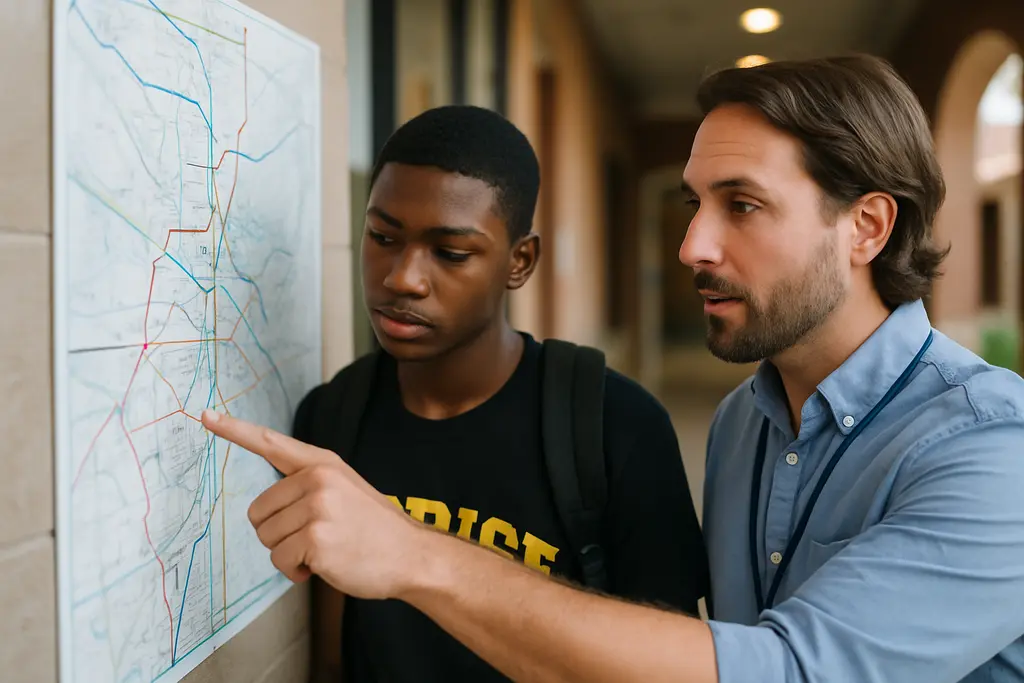
    This matters for students who use public transit to reach school, tutoring, sports, clubs, youth programs, faith-based activities, or family responsibilities. The city described the program as a way to remove transportation costs as a barrier, especially for households without reliable private transportation. For parents, the first step is basic: confirm that the student has a valid school ID and knows where it is each morning.

    Where Transportation Fits With Attendance

    Transportation barriers often appear in small, repeat ways. A missed ride, a low balance, a parent work shift, or a late connection can become a full missed school day. Free DDOT access does not solve every route or timing issue, but it can reduce one cost that may keep a student from arriving. Families can use the program more effectively by practicing the route before a high-pressure morning, saving bus stop locations, and setting a backup plan with a trusted adult.

    Schools and community groups can help by sharing verified DDOT information, reminding students to carry school ID, and connecting families to school staff if a route problem keeps repeating. Outreach groups that support youth can include transit planning in mentoring sessions rather than treating attendance as only a student discipline issue.

    School, Faith, And Family Support Around Attendance

    Faith Partnerships And Parent Outreach

    DPSCD’s research materials describe a Faith-Based Initiative that links schools with local faith-based organizations for mentoring, volunteering, resource sharing, school-based pantries, and parent or family engagement. The district materials also describe a Faith-Based Council that meets monthly to coordinate those partnerships. This gives congregations a practical role: support the family conditions that make school attendance more stable.

    A church or faith-based nonprofit does not need to manage school attendance records to help. It can collect uniforms, connect families to food support, host parent information sessions, recruit mentors, or provide volunteers for school-approved activities. The strongest support stays coordinated with the school, respects family privacy, and directs families to verified district information.

    Basic Needs That Can Affect The School Day

    DPSCD’s Parent Academy materials, as described in the research, include the Parent Teacher Home Visit Project. The program uses teacher home visits to strengthen relationships with families, and the research notes say the model has been shown to increase attendance, improve academic performance, and reduce negative behaviors among students. For families who feel disconnected from school, a home visit can shift the relationship from a problem call to a partnership.

    The research also states that DPSCD is increasing wraparound supports for the 2026-27 school year, including expansion of Family Resource Centers and Health Hubs. The listed supports include medical, dental, and vision screenings, food insecurity help, and utility bill assistance. These issues are tied to attendance because a child may miss class when a family lacks basic supplies, faces a health need, or cannot solve a household crisis alone. For broader school-program context, Saint Joseph Detroit’s coverage of Detroit school program funding explains why families often track operations, transportation, and student services together.

    How Families Can Benefit Week By Week

    Parent and child review a weekly school calendar at home

    Simple Home Planning Steps

    Families can turn these programs into a weekly plan rather than a one-time announcement. The goal is to prevent avoidable absences early, especially during the middle school years when students are building routines that affect high school readiness.

    • Check the school ID: Keep the student’s ID in the same backpack pocket so free DDOT access is available when needed.
    • Ask about reward weeks: Contact the school office or attendance team to confirm which weeks count for gift-card eligibility.
    • Plan appointments carefully: When possible, schedule non-urgent appointments outside school hours or ask the school how partial-day attendance is recorded.
    • Use school contacts early: If transportation, clothing, food, health, or utility needs affect attendance, contact the school before absences build.
    • Invite trusted support: Ask a faith leader, mentor, or community volunteer to help reinforce morning routines and school connection when appropriate.

    Questions To Ask At School

    Parents and guardians can bring clear questions to school staff: Who handles attendance support? How does the school notify families after missed days? Are there middle school incentive notices by grade or campus? Which staff member connects families to Family Resource Centers, Health Hubs, or faith-based partners? What should a family do when a student is avoiding school because of anxiety, conflict, or disconnection?

    These questions help schools respond before attendance problems become harder to solve. They also help parents avoid guessing. A family that knows who to call, what proof is needed, and which supports are active can respond faster when a barrier appears.

    Detroit Middle School Attendance Family Steps

    What Community Partners Can Do Next

    Community partners can support middle school attendance by keeping messages practical and verified. Congregations, neighborhood groups, youth programs, and service organizations can share school-approved attendance information, help families understand the free bus pilot, gather basic supplies, and connect parents to school staff rather than creating separate systems that families must sort through alone.

    Local outreach groups can also learn from civic and business networks that organize around shared community needs. Organizations comparing community-support models across this publishing network can find a related civic connection through the Richland Area Chamber’s site, while Detroit partners should keep student attendance work tied to DPSCD and City of Detroit notices.

    Families benefit most when middle school attendance is treated as a shared support issue, not only a student obligation. The 2026-27 DPSCD incentive expansion, the April 6, 2026 DDOT free-ride pilot, faith-based partnerships, home visits, and wraparound supports all point in the same direction: reduce barriers early, communicate clearly, and help students build the steady school routines they need.

  • Proposal S funding And Detroit School Programs

    Proposal S funding And Detroit School Programs

    Proposal S funding now sits at the center of Detroit Public Schools Community District’s operating plan after Detroit voters approved Proposal S on August 4, 2026. DPSCD said the measure allows the district to collect an 18-mill operating millage on non-homestead property, such as business, rental, industrial, and second-home property, while owner-occupied primary residences are not taxed under the authorization. The district said the operating revenue supports classroom instruction, teachers and staff salaries, transportation, arts and music, technology, athletics, student programs, and other school operations in its Proposal S announcement.

    What Changed In The August 4 School Vote

    A Local Operating Millage Approved By Detroit Voters

    The main change is not a new tax on Detroit homeowners who live in their primary residence. DPSCD stated that Proposal S applies to non-homestead property and keeps the operating millage at 18 mills. That distinction matters for families, parishes, school volunteers, and neighborhood groups trying to understand the civic effect of the vote without adding confusion to school finance conversations.

    The vote also placed operating revenue collection directly with DPSCD. According to the research provided, the authorization runs through 2045 and shifts collection authority from the older Detroit Public Schools structure to the current community district after legacy operating debt is set for repayment in September 2026. The practical school-level issue is that the operating dollars support daily district functions rather than a single one-time construction or special-project account.

    DPSCD projected about $112 million from the millage for fiscal year 2026. Because the district identified arts, music, technology, athletics, career and technical education, student programs, transportation, staffing, and classroom instruction as supported uses, the measure should be read as a broad operating-stability vote. It does not, based on the available research, publish specific dollar amounts for individual band rooms, visual arts classrooms, laptops, software, or school-by-school technology purchases.

    How Proposal S funding Supports School Programs

    Operating Dollars Behind Daily Instruction

    The clearest meaning of Proposal S funding is that arts, music, and technology are part of the same operating base that pays for the people, transportation, supplies, and student services that keep schools functioning. In practice, a music program needs certified staff, scheduling support, instruments or materials, space, and transportation for some activities. A technology program needs devices or lab access, support staff, network planning, and instructional time. These needs do not stand apart from the operating budget; they depend on it.

    For Detroit families, this means the approval reduced a known risk to core school operations. It does not guarantee that every school will receive the same arts, music, or technology resources, and the research does not provide a school-by-school distribution plan. The next civic question is how DPSCD’s board, administration, and public budget process show where those operating dollars go during future budget reviews.

    Why Non-Homestead Details Matter

    The non-homestead structure is especially important for community education. Residents may hear “18 mills” and assume a direct homeowner tax change. DPSCD’s public communication says the millage applies to non-homestead property and not to owner-occupied primary residences. Churches, parent groups, and school partners can help by repeating that distinction accurately, especially during budget conversations with families who are focused on household costs.

    The vote also keeps attention on local responsibility inside Michigan’s school funding system. The research states that Michigan districts are required to levy an 18-mill operating millage on non-homestead property to receive full school operating support under the state’s post-Proposal A funding system. For Detroit, the August 4 vote aligned local authorization with DPSCD’s ability to collect the revenue directly.

    Arts, Music, And Technology In The Operating Budget

    Proposal S funding And Arts Access

    For arts and music, Proposal S funding should be understood as local operating stability, not as the only source of program support. The Michigan Department of Education’s Section 33 K-5 Visual Arts and Music Programs page states that Public Act 120 makes $3,190,196 available statewide for districts that do not currently have a quality visual arts or music program for grades K-5, with participating schools required to provide 60 minutes per week of instruction per subject by certified teachers, as described on the state’s Section 33 page.

    That state grant information gives Detroit families a useful frame. State grants can target specific gaps, while local operating revenue helps sustain the staff, schedules, materials, and district systems that make regular instruction possible. If a school community wants to see stronger elementary arts or music access, the most useful public questions are specific: Which schools have certified arts and music instruction? Which schools need instruments or classroom materials? Which state or district funds are being used to close gaps?

    Technology As A Student Program Need

    DPSCD named technology among the supported uses of the millage revenue. The research does not identify a device count, software contract, school lab plan, or individual technology allocation tied to the August 4 vote. That means public discussion should avoid promises that the approval automatically buys a certain number of computers or creates a specific new course at a named school.

    Still, technology is a real operating issue for students. Career and technical education, classroom research, state testing, college preparation, and day-to-day instruction all depend on working systems and staff support. For faith-based youth mentors and after-school partners, the practical step is to ask schools what support they need instead of assuming the answer. Some students may need supervised access to devices after school. Others may need help with applications, digital assignments, or career exploration tools. Local partners can respond best when they coordinate with school leaders and use verified district information.

    Civic Steps For Families, Churches, And Partners

    Community members meeting at tables with notebooks in a school room

    How To Track What Happens Next

    The vote answered the authorization question, but it did not end community oversight. Families, educators, churches, and neighborhood organizations can follow DPSCD board meetings, budget documents, school improvement conversations, and public communications to see how operating resources are described. Questions should stay tied to public documents and named programs rather than rumor or secondhand claims.

    Community partners should also separate advocacy from service. Advocacy may mean asking for clear arts, music, and technology reporting. Service may mean offering volunteers, safe after-school space, mentoring, instrument drives, transportation coordination, or family outreach when a school asks for help. Both forms of support can serve students, but each works best with school approval and clear boundaries.

    • Parents and guardians: Ask principals how arts, music, and technology needs are identified at the school level.
    • Churches and ministries: Offer support that matches a verified school request, such as mentoring, homework help, or supervised learning space.
    • Community groups: Share district information from official sources and avoid reposting budget claims that cannot be checked.
    • Donors: Ask whether money, materials, volunteer time, or program support is most useful before launching a collection drive.

    Similar work is echoed in the same network, including efforts at the Houston LWS Forum, which highlights the universal demand for transparent public information. Such clarity enables community members to respond effectively. In the context of Detroit schools, post-August 4 conversations should prioritize transparent budget allocations, school needs, and student resources.

    There is also a student wellness connection. Strong school programs do not replace mental health services, but arts, music, mentoring, and safe technology access can be part of a broader support culture. Local readers interested in youth support systems can review Saint Joseph Detroit’s coverage of youth mental health and trauma support, which fits the same community commitment to practical help for students and families.

    What Proposal S funding Means For Detroit Schools

    A Practical Reading For The Community

    The best local use of Proposal S funding as a public conversation is to treat it as a foundation for operations and accountability. It supports the district’s ability to pay for instruction, staff, transportation, technology, arts and music, athletics, student programs, career and technical education, and related operating needs. It does not, based on the research available on August 25, 2026, provide a public list of exact arts, music, or technology allocations by campus.

    That distinction should guide the next phase of community action. Detroit residents can affirm the value of the vote while still asking careful questions about program access. Which schools need stronger elementary arts instruction? Where are music offerings limited by staffing or materials? Which technology needs are tied to career preparation, college readiness, or everyday classroom work? Which public reports will show progress?

    For faith communities and service organizations, the faithful response is steady, honest, and student-centered. Do not overpromise what the millage will do. Do not tell families that every program gap has already been solved. Instead, point to what DPSCD has stated, watch the public budget process, listen to school leaders, and offer support that helps students learn, create, practice, and prepare for life beyond graduation.

  • DPSCD Teacher Certification Program Update

    DPSCD Teacher Certification Program Update

    The DPSCD Teacher Certification Program gave Detroit residents with bachelor’s degrees another local route into public-school teaching during the 2026 summer training period. Detroit Public Schools Community District’s On the Rise Academy, known as OTR, is an alternative certification pathway that the Michigan Department of Education approved in January 2021 as the first program of its kind run by a local school district in Michigan, according to the state education announcement. As of August 24, 2026, the key civic question is practical: how can Detroit candidates, families, schools, congregations, and neighborhood partners help qualified aspiring educators understand the route, meet requirements, and stay connected to district classrooms?

    The program matters because teacher preparation is not only a workforce issue. It affects classroom stability, student relationships, school culture, and the ability of local residents to serve in schools that may already be part of their family or neighborhood life. The district’s published On the Rise Academy information describes a paid summer field-based institute, endorsement options, tuition rules, and a path toward an Interim Teaching Certificate for fellows who meet the stated requirements, according to the DPSCD program page.

    Why Detroit Schools Built A District Route

    A Local Response To Teacher Preparation

    The Michigan Department of Education said in January 2021 that it had approved Detroit Public Schools Community District to provide an alternative route to interim teacher certification. The state described the approval as part of a route that allowed the district to train teacher candidates while addressing local staffing needs. That fact is central for civic and faith-based partners: this is not a private coaching course or a general career fair. It is a district-run pathway connected to Michigan certification rules.

    For community outreach teams, the difference matters. A person considering a career change may need accurate information about eligibility, timeline, tuition, testing, and classroom placement before deciding whether to apply. A congregation, nonprofit youth program, or neighborhood education group can help by sharing verified district information instead of informal advice. Readers tracking local government and community developments can gain additional insights on county matters by visiting County Watchers.

    Who Is Affected In Detroit

    The affected groups include prospective teachers, current school staff members who may hold degrees, college graduates considering public service, students who need steady classroom leadership, and principals who depend on a reliable hiring pipeline. Families are also affected because teacher preparation connects directly to daily classroom experience. The district’s On the Rise Academy materials frame the pathway around fellows who complete coursework, field-based summer training, testing requirements, and district teaching expectations.

    This is where local organizations can be useful without overstating their role. Faith communities and neighborhood partners should not promise admission, certification, or employment. They can, however, help residents read the requirements, prepare questions for DPSCD, arrange quiet spaces for application work, and refer interested adults to official district information.

    How The DPSCD Teacher Certification Program Works

    DPSCD Teacher Certification Program Eligibility

    DPSCD states that selection into On the Rise Academy requires candidates to hold at least a bachelor’s degree, have a G.P.A. of at least 2.95, and pass the district’s criminal background check. For some endorsements, including mathematics or integrated science, the district states that applicants must show sufficient postsecondary study in the subject area and pass a preliminary eligibility test.

    The DPSCD Teacher Certification Program is not presented by the district as open admission. That distinction should guide outreach. Local groups can reduce confusion by making clear that applicants must meet stated academic and background requirements. They can also encourage candidates to gather transcripts, review endorsement options, and contact the district directly for official questions.

    Endorsement Areas Listed By DPSCD

    DPSCD lists endorsement options in Lower Elementary for grades PK-3, Upper Elementary for grades 3-6, Secondary Integrated Science for grades 6-12, and Mathematics for grades 5-9 or 7-12. The district also states that candidates who first complete a general education endorsement may have the option to add a Cognitive Impairment endorsement.

    Those details are useful for community partners because different candidates may be suited for different grade bands or subjects. A person with a strong science background may need different guidance than someone interested in early elementary classrooms. A church education ministry, mentoring program, or college-access group can help potential candidates think through their service interests while directing all certification questions back to DPSCD.

    What Candidates Did In The 2026 Timeline

    Summer Training And School-Year Preparation

    DPSCD’s published timeline for Cohort 6 placed Admissions Coursework from January through May 2026 through hybrid online modules and monthly in-person professional development. The district listed the Pre-Service Institute from June through August 2026 as a fully in-person, field-based period lasting seven to eight weeks. The same timeline placed New Teacher Academy in August 2026 as one week of district-wide professional development before the school year, followed by School Year Academy from September 2026 through June 2027.

    Because today is August 24, 2026, the summer institute period described by DPSCD was in its final month. It should not be described as a future opportunity for Cohort 6. Residents interested in later cohorts should use district channels for updated application windows and requirements rather than relying on older dates.

    Pay, Tuition, And Certification Steps

    DPSCD states that fellows are paid during the Pre-Service Institute at $25.10 per hour and are eligible for benefits. The district lists tuition at $5,000. It also states that fellows who complete all performance requirements and then teach in DPSCD for at least six years receive full tuition forgiveness, which can make the program free for those who meet the stated conditions.

    The district also states that fellows who successfully pass the Michigan Test for Teacher Certification and complete the Pre-Service Institute are eligible for an Interim Teaching Certificate and a DPSCD contract teaching position for the 2026-27 school year, with salary corresponding to new teachers. That sequence matters: training, testing, performance requirements, and district hiring are connected steps, not separate promises.

    How Community Partners Can Help

    Faith and community volunteers helping adults organize education paperwork

    Use Verified Information

    Education and faith partners can help most by using official information carefully. A community group should not simplify the pathway into a slogan such as “degree holders can become teachers by summer” because that leaves out eligibility, testing, performance, and certification steps. A better outreach message would name On the Rise Academy, state that DPSCD publishes eligibility and timeline requirements, and send candidates to the district for the latest details.

    Groups can also help residents compare the demands of the program with family schedules, transportation, work obligations, and study time. The summer institute was fully in-person under the Cohort 6 timeline. That requirement may affect caregivers, workers, and candidates who rely on public transportation. Local partners can help by offering study space, childcare referrals where available, transcript-request support, and reminders to rely on district instructions.

    Practical Outreach Steps

    Community support should be simple, accurate, and repeatable. The following steps can help Detroit organizations assist candidates without creating confusion:

    • Share official links only: Use DPSCD and state education pages for program facts, dates, and requirements.
    • Host question-prep sessions: Help candidates list questions for DPSCD about eligibility, endorsements, tuition, and testing.
    • Support document readiness: Remind candidates that degree records, G.P.A. documentation, and subject background may matter.
    • Respect certification limits: Do not promise admission, employment, tuition forgiveness, or certification outcomes.
    • Connect service-minded adults: Encourage residents already working with youth to review whether the district pathway fits their goals.

    These steps are especially relevant for churches, youth-serving nonprofits, alumni groups, and neighborhood organizations that already know adults who mentor, tutor, coach, or volunteer with students. Many potential educators first show their gifts in community settings before entering a formal classroom pathway.

    DPSCD Teacher Certification Program Next Steps

    The next civic step is straightforward: Detroit residents who are interested in the DPSCD Teacher Certification Program should review DPSCD’s current On the Rise Academy information, confirm eligibility directly with the district, and avoid relying on outdated cohort dates. Community organizations can help by making official information easier to find, giving candidates space to prepare, and keeping outreach messages accurate.

    For Detroit, the DPSCD Teacher Certification Program is best understood as a local teacher-preparation route with clear requirements, a structured timeline, paid summer field experience, and a service commitment tied to tuition forgiveness. Its value will depend on candidates completing each required step and on trusted local partners helping residents move from interest to informed action.

  • How to Build Partnerships With Local Schools

    How to Build Partnerships With Local Schools

    Have you ever evaluated the physical infrastructure available in your immediate neighborhood? You will likely find faith-based organizations occupying significant space right next to public schools.

    As public health professionals, we view these congregations as massive, underutilized health and social support networks.

    Strong partnerships with local schools create an immediate safety net for vulnerable families. Children facing weekend food insecurity or lacking basic winter clothing cannot focus during Monday morning classes.

    Connecting a willing congregation with a struggling student body solves logistical gaps that school districts cannot fix alone.

    This structured collaboration turns empty buildings and willing congregants into active extensions of the local public health system.

    Addressing Non-Academic Student Needs

    Administrators track exact data on how environmental factors affect student performance. A child who misses regular meals faces severe cognitive delays and behavioral challenges.

    School districts lack the budget to provide comprehensive weekend nutrition or after-school health interventions. Local congregations possess the volunteer density and facility space to absorb this exact burden.

    Successful programs often start with simple backpack food deliveries. Volunteers pack nutritious, non-perishable meals on Thursday evenings for students to take home on Friday afternoons.

    This direct intervention prevents weekend malnutrition and stabilizes the child’s physical health for the upcoming week. Examining models from childhood hunger initiatives shows a direct reduction in Monday morning nurse visits.

    You organize these efforts effectively by building local volunteer networks directly from the church’s existing membership. The congregation already meets weekly, providing a built-in workforce ready for deployment.

    Church Gardens at Schools

    Structuring Volunteer And Facility Support

    A successful collaboration requires moving past vague offers of help. You must provide the school principal with a specific inventory of available physical and human resources.

    Churches own large halls, commercial kitchens, and passenger vans that sit empty for most of the week. Schools desperately need safe off-site spaces for health screenings and parent education seminars.

    Matching the church’s idle assets with the school’s specific deficits creates immediate community value.

    Asset AvailableSchool Deficit AddressedMeasurable Health Outcome
    Commercial KitchensLack of weekend nutritionReduced pediatric malnutrition
    Passenger VansPoor medical transportationLower missed clinic appointments
    Classroom SpacesNo after-school supervisionDecreased localized youth trauma

    Defining these roles clearly prevents administrative confusion. The church manages the logistics, and the school identifies the families requiring assistance.

    Current sociological research on faith-based community initiatives proves that shared resource models drastically lower the operational costs for municipal governments.

    Your goal is to become an operational extension of the school’s existing social work department.

    Establishing Legal And Operational Boundaries

    Public schools operate under strict state and federal compliance laws. A congregation must separate its theological mission from its community support role to work within these public buildings.

    You must draft clear memorandums of understanding before any volunteer steps foot on campus. These documents define the exact scope of service and outline mandatory background check procedures.

    School administrators face severe liabilities regarding student data and physical safety. Your church volunteers must complete the same rigorous screening processes required of standard district employees.

    Applying structured creative fundraising ideas helps cover the administrative costs of these background checks. The school never pays for your organization to become compliant.

    Keeping the relationship focused entirely on physical well-being and academic support guarantees long-term sustainability. The partnership survives administrative turnover when it consistently delivers measurable relief to the school’s budget.

    Measuring The Health And Academic Impact

    Sustaining any neighborhood program requires proving the actual results. You must move past anecdotal success stories and track hard data alongside the school administration.

    Request basic, anonymized metrics from the principal at the end of each semester. Track the absenteeism rates and behavioral referrals of the student populations utilizing your services.

    If your weekend nutrition program works, you will see a measurable drop in Monday morning sick days. If your after-school mentoring succeeds, detention rates will fall rapidly.

    Tracking this data aligns with standard community health assessment protocols used by county health departments to allocate future funding.

    Presenting these concrete numbers to your congregation justifies their continued financial and physical investment. It proves that their time directly improves the physical and mental health of the surrounding neighborhood.

  • Accessibility

    Accessibility

    Imagine a classroom where every student can fully participate, engage, and succeed. This is the heart of modern education. It’s not just about ramps and elevators anymore. True learning equity means designing experiences that work for everyone from the very beginning.

    When we build with inclusive design in mind, we create a better, more flexible experience for all learners. Features like video captions, for example, help students focus and provide access in noisy environments or quiet libraries. This approach boosts engagement, improves knowledge retention, and leads to higher achievement across the board.

    This foundational principle is often called resource accessibility. It’s the cornerstone of a fair and effective educational system. Consider that roughly 15% of Americans live with a learning disability, highlighting the scale of potential exclusion without thoughtfully created accessible learning spaces.

    By embracing universal design, we move beyond seeing accommodations as an add-on. We start building learning that is inherently more powerful and equitable for every single person in the room.

    Designing Inclusive Content

    Inclusive content design makes learning easier for everyone. It starts with creating materials that are easy to use from the beginning. The SCULPT framework is a great tool for this. It helps you make content that supports educational accessibility well.

    SCULPT stands for six important principles: Structure, Colour contrast, Use of images, Links, Plain English, and Tables. Let’s look at each one with simple tips.

    • Structure

    Use proper heading tags (H1, H2, H3) to organize your content. Don’t just make text big and bold. Screen readers need this structure to help users.

    • Colour Contrast

    Make sure text and background have enough contrast. Avoid light grey text on white backgrounds. Good contrast helps those with low vision or color blindness.

    • Use of Images

    Every image should have descriptive alt text. Don’t leave alt text empty or use generic names. Good alt text helps those who can’t see the image.

    SCULPT framework checklist for educational accessibility

    Write link text that clearly describes where it goes. Avoid vague phrases like “click here.” Descriptive links help everyone, including screen reader users.

    • Plain English

    Use simple, clear language. Avoid jargon and long sentences. This makes learning easier for everyone, including non-native speakers and those with cognitive differences.

    • Tables

    Use tables for data, not for looks. Always label rows and columns with header cells. Simple tables are easier for everyone to understand.

    Following the SCULPT framework is about making thoughtful choices. Each choice helps remove barriers. Good structure and clear language make learning more accessible.

    These design choices make learning experiences more inclusive. By using these practices, you actively support educational accessibility for all students.

    Tools for Increasing Accessibility

    Resource availability in education relies on the right tools for everyone to access content. Great ideas need the right support to reach every learner. This section explores practical tools and strategies that empower creators.

    These solutions fall into two main groups. First, there are the assistive technologies students use daily. Second, there are the creation and checking tools educators and designers use.

    Assistive Technologies Students Use

    Tools like screen readers and real-time captioning are vital for many students. They rely on well-structured content to work properly. A clear heading hierarchy and descriptive links are not just nice extras. They are essential for these technologies to interpret information correctly.

    Audio descriptions for videos and keyboard navigation are other key examples. When content is built with these tools in mind, it becomes usable for everyone. This foundational step ensures no one is locked out of learning.

    Thankfully, many powerful tools are already at your fingertips. The goal is to ensure materials are born accessible from the start.

    Your choice of file format is a critical first decision. Some formats are inherently more flexible than others. Prioritizing HTML or Microsoft Word documents over PDFs is a smart move. These formats are easier for screen readers to process and for users to adjust.

    Most software you already use has built-in accessibility helpers. Microsoft Word’s “Accessibility Checker” is a perfect example. Learning Management Systems (LMS) like Canvas or Blackboard also have similar features. They can scan your content and flag issues like missing image descriptions.

    Don’t work in the dark. Guides like the University of Waterloo’s Course Accessibility Guide offer step-by-step advice. They show you how to check your courses and where to request support.

    For larger projects, consider engaging with an Agile Development Team. These teams can help audit digital resources and implement fixes efficiently. They turn accessibility from a solo task into a collaborative mission.

    Comparing Common File Formats for Accessibility
    File Format Screen Reader Compatibility Ease of Editing & Adjusting Best Use Case
    PDF (Scanned/Image-based) Poor. Often reads as a blank image without proper tagging. Very Difficult. Requires specialized software to edit. Avoid for primary content. Use only for final, print-ready documents that are also provided in another format.
    Microsoft Word (.docx) Good. Works well when styles (Headings, Lists) are used properly. Easy. Users can change fonts, colors, and spacing to suit their needs. Excellent for worksheets, readings, and drafts where editing is expected.
    HTML (Web Page) Excellent. The native language of the web, designed for flexibility. Very Easy for users. Browser settings allow for deep customization of text and layout. Ideal for core course content, syllabi, and any information posted online.

    Using the right format dramatically improves resource availability. It removes barriers before a student even encounters the material. This proactive approach saves time and frustration for everyone later on.

    Remember, these tools are here to empower you, not burden you. Start with one checklist or use one built-in checker in your next document. Small steps with the right tools lead to big improvements in access. By leveraging these resources, you make sure your valuable content reaches its full, intended audience.

    Real-world Examples

    Let’s look at how some schools are making learning online more fair. Seeing these efforts in action gives us a clear guide to follow.

    The University of Kentucky made a big move by creating standard course templates. These templates include accessibility features from the start. This ensures every course has a solid base for equitable learning.

    equitable learning university examples

    When the pandemic hit, Constructor University quickly moved to online learning. They used digital tools to support all students. This shows that making learning accessible is possible, even in tough times.

    Many schools are now making learning online more accessible. They work with tech companies to get the right tools. They also teach teachers why making learning inclusive is important.

    A student shared their thoughts: “We need chances to try different ways of learning. It makes us feel more comfortable and helps us learn better.” This quote highlights the importance of student success. Giving students choices and practice is crucial for equitable learning.

    These actions ensure all students have equal access to quality learning. It makes the academic field more even. When resources are made for everyone from the start, it creates a fairer learning environment. This is the essence of equitable learning in action.

    For more ideas on supportive tools, check out this resource on assistive technology and adaptive tools. Also, see how community programs like digital outreach programs are helping to close the access gap beyond school walls.

    Striving for Continuous Improvement

    Creating an accessible learning space is a journey, not a quick fix. It’s about making steady progress, not achieving perfection right away. Focusing on growth makes the journey easier and more lasting.

    Begin with one change. Maybe learn one SCULPT principle this semester. Then, add another next term. This way, you build confidence and create lasting habits. It breaks down a big goal into smaller, achievable steps.

    Standards like the Web Content Accessibility Guidelines (WCAG) keep getting better. These updates give us clearer, worldwide standards. Keeping up with these changes helps improve your methods over time.

    This dedication to always getting better is what makes learning fair for all. It means your educational materials stay open and useful for everyone. True accessibility is a promise to your learners, not just a one-time task.

    Your next move is straightforward. Find one small obstacle in your content. Think about how you can remove it. This small action brings us closer to a more inclusive learning space.

  • Importance of Supporting Educators

    Importance of Supporting Educators

    Great learning environments start with great educators. They are the heart of every classroom, shaping young minds every day. Yet, their role is incredibly demanding.

    Consistent, dedicated support isn’t just helpful—it’s essential. Programs like the Positive Early Childhood Education (PECE) initiative show us why. They help teachers manage classroom behavior, improve communication with families, and reduce personal stress.

    This foundational work is about building capacity. It promotes inclusive and responsive care for all children. When educators feel supported, they create spaces where every student can truly thrive.

    Investing in these support systems is a core strategy, not an optional add-on. It leads directly to more engaged teachers and more successful students. Effective professional development, like meaningful educator workshops, addresses specific needs and builds collaborative teams.

    Ultimately, supporting our educators means investing in our children’s future. It’s the smartest investment we can make.

    Designing Practical Workshop Content

    What makes a workshop memorable is content that teachers can use right away. The best workshops don’t just inspire. They give a clear plan for Monday morning.

    Workshop content should be easy to follow, focused, and tackle real challenges. The R.I.S.E. Inclusion series is a great example. It breaks down complex topics into short, 20-25 minute modules. Each module has clear goals, saving teachers’ time.

    • What is Inclusion? establishes a shared vision and language.
    • Inclusive Classrooms offers concrete strategies for building that environment daily.
    • Legislation and the Duty to Accommodate translates legal requirements into practical classroom actions.
    • The R.I.S.E. Program finally introduces the specific tools and frameworks for sustained support.

    This structure makes sure theory is applied right away. Each idea is linked to how to use it. Resources like Capacity Building Training Videos and Enhanced Staff e-modules add to the teacher support. They let teachers review and practice at their own pace.

    Good workshop design always focuses on what’s useful. It answers the “how” and “so what” for every “why.” This practical approach is the next step after understanding the foundation of educator support. When teachers leave with a plan, strategies, and resources, professional development can really change things.

    Tools and Resources for Implementation

    Let’s get started with the digital tools that make learning easy for teachers. The right tools help turn ideas into action in your classroom. This empowers you to bring new strategies to your students.

    Our online learning portal is easy to use. Just visit yorkonlinelearning.informetica.com to begin. You’ll need an access code. Use “inclusion” to get into all the modules. This way, you can focus more on learning and less on logging in.

    professional development tools online portal

    Inside, you’ll find lots of helpful materials. There are video series on important teaching strategies. Each video comes with downloadable resources like lesson plans and activity templates.

    When you finish a module, you get a certificate of completion. This is not just a reward. It also proves you’ve met your continuing education needs.

    Need help? Our team is ready to assist. Just email @email for quick, helpful answers. We believe every question is important for your success.

    Our goal is to make learning easy. We’ve put everything you need in one place. This makes it simple to manage your professional development without hassle.

    Having the right tools boosts your confidence. You can try out new strategies right away. This is where the real learning happens.

    This system supports your ongoing growth. It turns professional development into a continuous process. You can learn, apply, and improve at your own pace.

    Success Stories from Educator Workshops

    Imagine a classroom where challenging behaviors are met with calm strategies. Parent-teacher meetings become collaborative partnerships. This is happening through successful teacher support initiatives. The real proof of a workshop’s value comes from the educators who live it every day.

    Capturing these stories is about listening for the specific changes. Did a teacher feel less overwhelmed on Monday morning? Did a student finally engage after a new approach? These moments of growth are at the heart of every success narrative.

    educator workshops success

    Many stories highlight improved classroom management. Educators report feeling equipped with practical tools, which directly reduces daily stress. One teacher shared, “The de-escalation techniques changed everything. I now have a plan, so I feel calm, and the kids respond to that calm.” This shift from reactive to proactive is a common victory.

    Other successes focus on building stronger communication bridges. Workshops often provide frameworks for talking with families about difficult topics. This leads to more inclusive settings where everyone feels heard. The outcome is a true partnership between home and school, centered on the child’s well-being.

    The positive effects create a ripple. When an educator’s stress decreases, their patience and creativity increase. This fosters a more positive and productive learning environment for every student in the room. The impact of a single workshop can thus multiply across an entire classroom community.

    To see the transformation clearly, consider the common shifts documented before and after educators apply workshop strategies:

    Aspect of Practice Before Workshop Engagement After Workshop Application
    Educator Mindset Feeling overwhelmed and reactive to challenges. Feeling confident, prepared, and proactive.
    Classroom Climate Unpredictable; behavior management consumes energy. Calmer, more predictable, and focused on learning.
    Educator Stress Level High, potentially leading to burnout. Managed and significantly reduced.
    Family Engagement Communication may be infrequent or strained. Collaborative, regular, and solution-focused partnerships.
    Inclusive Practices May be inconsistent or unintentionally exclusive. Intentional strategies create a welcoming environment for all.

    These documented outcomes do more than just validate the workshop content. They fuel a cycle of continuous improvement and build a culture of shared learning among staff. Celebrating these wins is crucial for sustained growth.

    Sharing and learning from these experiences is a cornerstone of effective teacher support. Programs dedicated to this mission, like the community workshops offered in Detroit, provide the platform for these stories to inspire and guide future educators. When we listen to and amplify these voices, we invest in the success of entire learning communities.

    Continuous Improvement of Support Programs

    The best support for teachers is always evolving. It’s not a static thing. Professional development programs must grow and change with educators’ needs at every stage of their career.

    Consider a new teacher in the Survival Stage. They need quick, hands-on help with classroom tasks. On the other hand, a seasoned teacher might look for deeper learning or leadership roles. Our workshops should cater to both.

    This requires a developmental approach. Training for a student teacher facing anxiety is different from support for one feeling relieved. Programs need to offer varied resources at different times.

    Improvement comes from listening and adapting. This means moving from basic management to advanced mentoring. It could also include funding for conferences or creating peer coaching circles.

    When support evolves, it remains effective throughout a teacher’s career. This dedication to growth ensures every educator gets the right support at the right time. Your professional development journey is worth it.

  • Digital Outreach

    Digital Outreach

    Welcome to the world of online engagement! In our connected age, reaching people isn’t limited to physical rooms or old-school methods.

    Digital outreach changes how we connect, learn, and grow. It tears down walls and builds bridges across the globe.

    Imagine a teacher in Texas sharing a lesson plan with an educator in Tokyo. This happens through Professional Learning Networks on social media. These networks offer endless chances for mentorship and sharing resources.

    This power isn’t just for teachers. Public tech education uses these same platforms. They open doors for a wider audience, including folks often left out.

    Flexible learning options mean anyone, anywhere, can build new skills. This is the heart of modern connection.

    Whether you’re an educator, a program leader, or just curious, understanding this approach is your first step. It’s the key to maximizing your impact in the virtual space.

    Choosing the Right Platforms

    Before you post anything, think about this: the platform you choose affects your virtual engagement experience. It’s where your conversations take place. The right choice can turn your community into a lively space or a quiet one.

    The digital world has many options. You can use open social networks like Twitter, Facebook, and Instagram. These are great for building a wide network and sharing ideas quickly. Teachers often use Pinterest or Teachers Pay Teachers to find and share lesson plans.

    On the other hand, there are closed environments for specific needs. Harvard professors Rebecca and Charles Nesson use Second Life and the Berkman Klein Center’s Nymspace for class discussions. These places focus on privacy and safety, helping students feel more open to share.

    To find the best tool for your goals, let’s look at the main types of platforms. The table below compares their main purposes. This helps you choose the right one for your vision of connection.

    Platform Type Best For Key Features Examples
    Open Social Networks Broad networking, public resource sharing, brand building. Large audiences, multimedia posts, hashtags for discovery. Twitter (X), Facebook, Instagram, LinkedIn.
    Specialized / Closed Platforms Private group discussions, anonymous feedback, secure classrooms. Invite-only access, privacy controls, anonymity options. Nymspace, Second Life, dedicated forum software.
    Resource & Niche Hubs Finding and distributing specific content within a professional community. Focus on content over conversation, built-in marketplaces. Teachers Pay Teachers, Pinterest (for curation).

    Consider your audience next. Choose a platform they already use. This makes it easier for them to join in. Also, think about the content you’ll share. Is it text, video, or a mix? Instagram is good for visuals, while Twitter is for short texts.

    Lastly, think about the kind of interaction you want. Do you need fast chats or a slow forum? Your answers will guide you to the right platform. Remember, the best choice supports your mission, whether it’s for professional learning or student talks. For those looking at commercial options, exploring different digital advertising platforms follows the same logic.

    Choosing wisely sets a strong foundation for your efforts. A well-matched platform turns your effort into effective, meaningful virtual engagement.

    Designing Effective Online Campaigns

    To make an online campaign stand out, you need more than just random posts. It’s about planning every step to reach your goals. Whether you aim to build a community, share knowledge, or get people to take action, every part must work together.

    First, figure out what you want to achieve. Do you want to learn from others or just observe? Maybe you want to share resources or inspire others. Knowing your goal helps guide your actions.

    Then, think about how you want to interact online. Will you mostly share, listen, or help others? Like teachers who build networks, ask yourself: Do I want to inspire, collaborate, or share resources? Your answers help you connect genuinely with others.

    strategic online campaign planning

    The Nessons, experts in education, say being intentional is crucial. Your goals should lead your use of technology, not the other way around. This rule works well for online campaigns. Every post and interaction should help you reach your main goal.

    To turn your goals into action, plan your campaign in stages. Start by creating content that meets your audience’s needs. Then, plan activities that encourage real interactions. Always think about how your actions will affect your audience.

    Campaign Purpose Primary Goal Key Activities
    Reciprocal Relationship Mutual learning and exchange Hosting Q&A sessions, creating collaborative projects
    Resource Sharing Distribute valuable information Curating toolkits, posting tutorials, creating guides
    Inspiration Motivate and uplift audience Sharing success stories, featuring community members
    Community Building Foster connections and belonging Starting discussion threads, organizing virtual events

    Your campaign should have a clear order. Start with an introduction that sets the stage. Then, keep posting content that keeps the momentum going. Add interactive parts to keep people engaged. End with clear next steps or calls to action.

    Remember, technology is just a tool to help share your message. The best online campaigns use tech wisely but keep human connection at the heart. For example, choosing the right digital tools can help you work more efficiently without losing focus.

    Also, focus on what really matters. Track engagement that matches your goals, not just numbers. If you’re sharing resources, count downloads and stories of use. If you’re inspiring, look at shares and positive comments. This way, your campaign stays focused and effective.

    By planning with purpose and intention, you create online campaigns that do more than just send messages. They start conversations, build connections, and achieve real results.

    Case Studies in Online Engagement

    To see the power of online connections, we look at two examples. One is about growing from the start. The other is about using technology in learning. Both show how digital outreach and virtual engagement can change things.

    online engagement case studies

    First, we see teachers creating global networks on Twitter. They start with professional accounts. Names like “Teacherevolution” show their purpose.

    They follow experts and peers, growing their network. These digital networks are remarkable. They build relationships, share resources, and offer support.

    Over time, these teachers become leaders. They inspire others in their global community. This creates a cycle of learning and support.

    Then, we look at Harvard professors Rebecca and Charles Nesson. They’ve used technology to improve learning. Their “CyberOne” course was in Second Life, a virtual world.

    Later, they created “We the Jury” to encourage honest talks. They used Nymspace for anonymous chats. This helped students share opinions freely.

    The goal was to avoid groupthink and encourage real discussions. Anonymity made it easier for students to focus on ideas, not status. This led to deeper conversations than usual.

    These examples show two ways to connect online. The educators’ approach is open and based on peer connections. The Nessons’ method is more controlled, focusing on designed interactions. Yet, both achieve the same goals.

    Both strategies build strong communities. They improve understanding and learning. Most importantly, they create spaces for honest talks, something traditional classrooms often can’t do.

    The key takeaway is clear. Whether starting from scratch or redesigning a classroom, digital outreach is flexible. You can tailor these methods to your goals and audience. The future of connecting is here, filled with proven ways to do it.

    Measuring Success and Engagement Metrics

    How do you know if your digital outreach efforts are truly working? Success isn’t just about getting likes and follows. It’s about the quality of connections and the depth of conversations your work sparks.

    Strong digital relationships grow from consistent, meaningful interaction. In schools, tools like anonymous platforms have boosted student honesty. This is seen in the Nessons’ classes. Success is measured by a community’s openness to share diverse views.

    For your online campaigns, track both numbers and feelings. Look at participation rates, content reach, and referral traffic. Also, listen for community sentiment and stories of personal growth. A guide on key metrics for evaluating your social media marketing offers a deeper look at important data points.

    By measuring what matters, you can refine your approach. You prove the value of your digital outreach. And ensure every online campaign is effective and rewarding for your audience.

  • Importance of Volunteer Training

    Importance of Volunteer Training

    Imagine a group of passionate people ready to help your cause. Now imagine giving them the tools to become truly effective ambassadors. That’s what proper preparation does. It turns well-meaning helpers into confident, skilled representatives who share your message with clarity and heart.

    Why is this foundation so critical? First, it ensures everyone delivers a consistent and accurate message. Second, it protects everyone’s safety—both the helpers and the community they serve. Organizations like the Ontario Humane Society require background checks for working with vulnerable groups, showing how serious this is. Finally, good training maximizes every hour donated, creating more positive impact.

    This investment matters because resources are often limited. As one animal welfare group notes, they can’t offer extensive volunteer training to everyone. They ask for a one-year commitment because the experience gained is so valuable. High turnover makes it hard to sustain programs.

    Think of orientation and event-specific preparation as non-negotiable first steps. They’re not just paperwork. They’re an act of respect and empowerment. When people feel prepared, they show up with more confidence and stay longer. This sets the stage for everything that follows in a successful outreach program.

    Designing Effective Training Programs

    A good volunteer program turns into a great one with quality educational support. A well-planned training makes volunteers feel ready and confident from the start.

    Think of training as a layered system. The University of Guelph’s tiered approach is a great example. It meets volunteers at different stages of their journey.

    designing effective volunteer training programs

    The first layer is a solid foundation. Every volunteer starts with a general orientation. This covers your organization’s mission, values, and safety rules. The Ontario Humane Society (OHS) shows how important this is.

    The next layer is role-specific skills training. Volunteers learn the tasks they’ll do. For example, an OHS Canine Enrichment Volunteer learns how to safely interact with dogs. This training is key for doing the job well and safely.

    The final layer is ongoing and advanced workshops. These sessions help volunteers deepen their knowledge. They become true partners in your mission. This keeps your best team members involved.

    Here’s how these three tiers work together:

    Training Tier Primary Purpose Example Content Key Benefit
    Foundational Orientation Establish organizational culture and safety standards. Mission overview, policy review, basic procedures (OHS general orientation). Creates a common base of knowledge and aligns everyone with the organization’s goals.
    Role-Specific Skills Training Equip volunteers with the practical skills for their specific role. Hands-on animal handling (OHS), event-specific logistics (University setting). Builds immediate confidence and ensures task proficiency and safety.
    Ongoing & Advanced Development Deepen expertise and foster long-term engagement. Specialized workshops, leadership seminars, advanced topic deep-dives. Retains top talent, encourages ownership, and develops future leaders.

    A structured, multi-level program offers comprehensive educational support. It respects volunteers’ time, builds on their skills, and empowers them to contribute. Your training program drives both volunteer satisfaction and your organization’s success.

    Measuring Volunteer Impact

    For many groups, figuring out the value of volunteer work seems hard. The benefits of community involvement are often hard to measure. How do you put a number on a smile, a rescued animal’s progress, or a child’s newfound curiosity?

    Here’s the good news. Measuring impact isn’t about being too strict or adding extra work. It’s about celebration and improvement. By tracking impact, you show volunteers the real difference they make.

    Begin with clear goals. What should the volunteer’s effort achieve? The Ottawa Humane Society’s foster program is a great example. Their goal is clear: “to provide temporary care and to assist those animals in becoming ready for adoption.” This makes volunteer tasks, like documenting an animal’s behavior, easy to measure.

    Then, pick tracking methods that match your program. A simple log of hours is a good start. For more insight, consider systems like the Let’s Talk Science Volunteer Portal. It lets volunteers see their work and understand their impact. This makes them feel valued and motivated.

    Don’t overlook the stories behind the numbers. Qualitative measures make your data come alive. Collect feedback from those you serve, like educators in Let’s Talk Science’s model. Share outcomes, like more successful animal adoptions. These stories show the heart of your mission.

    Measuring impact does two important things. It shows your program’s real value to funders and leaders. It also proves to volunteers that their time is worth it. For more on how to measure, check out this practical guide for measuring volunteer impact.

    Real-world Examples

    Effective volunteer training is found in many places, like classrooms and animal shelters. Seeing how successful groups train their volunteers shows us the way. It’s clear that a one-size-fits-all method doesn’t work. Instead, training should be tailored to each volunteer’s role and the community’s needs.

    Let’s Talk Science connects volunteers with teachers across Canada. Their training program prepares volunteers to lead STEM activities. They learn how to make science fun and easy for students. This makes every classroom visit both educational and exciting.

    volunteer training

    The Ottawa Humane Society (OHS) shows the importance of role-specific training. They have different training programs for each volunteer role. This ensures volunteers are ready and safe for their tasks.

    For the Foster Volunteer program, OHS does a phone interview and a records check. Then, they have a detailed orientation. This makes sure animals go to safe, caring homes.

    Canine Behaviour Intervention Volunteers need a background in dog training. Their specialized training adds shelter-specific rules. This keeps both volunteers and animals safe during interactions.

    Even office volunteers get special training at OHS. They learn about computer skills and data systems. This keeps the organization’s operations running smoothly, supporting all other efforts.

    At the University of Guelph, students are trained to promote health and wellness. They learn how to run events like flu clinics and mental health weeks. They get training in communication and sharing accurate info. This approach builds trust and encourages more students to get involved.

    These examples show a key point: a well-thought-out volunteer training approach is essential. Whether it’s for sparking a love of science, ensuring animal safety, or improving campus health, proper training is crucial. It turns volunteers into confident, effective change-makers.

    Tips for Sustained Engagement

    The real measure of great training is a volunteer who stays committed. Long-term engagement turns initial enthusiasm into lasting impact.

    Set clear expectations from the start. Organizations like the Ontario Humane Society ask for a one-year minimum. This ensures mutual investment. Their six-month probation before adoption for fosters is a smart policy. It helps manage emotional investment and prevents burnout.

    Provide continuous educational support. The University of Guelph runs bi-weekly training workshops with guest lecturers. This ongoing learning keeps skills sharp. They also remove volunteers who don’t meet commitments, stressing that reliability is key for event success.

    Make people feel valued. Recognize contributions publicly. Let’s Talk Science uses an impact portal to show volunteers the difference they make. Foster a genuine sense of community involvement and belonging. Offer pathways for growth through advanced training roles.

    Support your team’s well-being. Thoughtful policies, like those for managing foster attachments, show you care. A strong volunteer team is the backbone of any successful effort, much like building an effective donation drive team requires clear roles and support.

    When volunteers feel supported, valued, and connected, their engagement deepens. This creates a powerful, positive cycle for your mission and the entire community.

  • Why Community Engagement Matters

    Why Community Engagement Matters

    Imagine a school where learning doesn’t stop at the classroom door. Success grows when families, local groups, and school leaders work together. This partnership is a powerful strategy for helping every student thrive.

    Data shows this collaborative approach leads to real results. Students often earn better grades and skip fewer classes. Schools also report fewer incidents of bullying, creating a safer space for everyone.

    Look at Oakland International High School. They built strong local partnerships, like after-school language classes for students and parents. This support turned things around for refugee learners, leading to a high graduation rate and more student happiness.

    At its heart, this work is about inviting people into the decision-making process. It builds an inclusive environment where all kids feel seen and valued. This sense of belonging improves attendance and overall well-being. To dive deeper into why community engagement matters, explore how it transforms schools through trust and shared goals. True educational outreach creates a supportive ecosystem for lasting success.

    Building Supportive Networks

    Let’s dive into the practical steps for creating a strong support system at your school. It’s more than just occasional events. It’s about building lasting relationships where everyone feels valued.

    The first step is a mindset shift. Schools and communities must see themselves as equal partners. Families, local businesses, and organizations are not just guests. They are co-educators and vital resources. Treating them as such builds trust.

    community engagement strategies

    To build these connections, start by being a “joiner and connector.” Encourage staff to join local groups like Rotary International or the Chamber of Commerce. This isn’t extra work; it’s strategic networking. It helps educators understand community needs.

    Next, open your school’s doors wide. Host regular community-building activities. Invite local experts as guest speakers. Set up peer mentoring programs with community volunteers. These actions make your school a community hub.

    For these efforts to last, you need a plan. Creating a formal community engagement strategy and plan is crucial. This document outlines your goals, assigns roles, and schedules activities. It turns good intentions into a lasting roadmap.

    You don’t have to start from scratch. Evidence-based programs like Positive Action can help. It integrates family and community involvement into its curriculum. Using such frameworks gives your efforts a proven foundation.

    Of course, barriers exist. Time and workload are challenges. The solution is to make community engagement a strategic priority. This means dedicating resources and a staff role to coordinate efforts. It means centralizing information and tools for easy participation.

    To see what a solid plan looks like, consider these core components:

    Component Description Example Activity
    Outreach Mapping Identifying all potential community partners and stakeholders. Creating a database of local businesses, non-profits, and cultural groups.
    Activity Calendar A scheduled plan of engagement events for the school year. Monthly “Community Coffee” mornings, quarterly career fairs.
    Role Definition Clear assignment of responsibilities for staff and volunteers. A designated “Community Liaison” teacher to manage partnerships.
    Feedback Loop A system to gather and act on input from families and partners. Post-event surveys and a parent advisory council.

    This structured approach to public participation builds a supportive infrastructure. It formalizes partnerships with families and local organizations. Research, like the work on building supportive social networks, shows its power. It advances well-being and creates a resilient learning environment.

    Successful community engagement is intentional, planned, and based on mutual respect. By making it a core part of your strategy, you turn challenges into opportunities for growth.

    Examples from Engaged Communities

    Let’s look at Oakland International High School’s journey. They turned community-led language classes into a path to success. This shows the power of real community connection.

    Oakland International High School helps many immigrant students. They have a unique educational outreach program. Community members teach classes in students’ native languages.

    The results were amazing. The school saw a big jump in graduation rates and college eligibility. This shows that public participation can greatly improve student success.

    Many schools are finding creative ways to engage with their communities. Their strategies offer a blueprint for any community to follow.

    Engagement Strategy Key Actions Primary Benefit
    Community Decision-Making Inviting local representatives into school forums and committees. Builds trust and ensures school policies reflect community needs.
    Resource Sharing Developing a multilingual community magazine or newsletter. Improves access to vital information and celebrates shared stories.
    Cultural Celebration Hosting workshops and events that honor diverse heritages. Strengthens student identity and fosters an inclusive environment.
    Pathway Creation Designing volunteer programs that lead to employment opportunities. Provides real-world skills and tangible economic benefits for families.
    Alumni Engagement Sharing success stories and inviting graduates back as mentors. Inspires current students with visible, relatable role models.

    Creating a community magazine is a powerful move. It shares resources, job postings, and student achievements. This makes the school a key hub for local news.

    Cultural workshops do more than celebrate. They teach students and families about different traditions. This builds respect and understanding across the neighborhood.

    Creating volunteer-to-employment pathways is smart. It turns goodwill into real career skills. Parents and community members gain experience, and schools get dedicated helpers.

    Arts-based activities bring joy. Inviting a local dance group to perform turns a school event into a community festival. These moments create lasting memories and stronger bonds.

    Each example shows a different angle of successful public participation. From formal committees to festive performances, every effort counts. They all make the community feel seen, valued, and essential to the school’s mission.

    These real-world cases provide a clear picture. Effective educational outreach is diverse, creative, and always focused on people. The next step is learning the practical tools to make it happen in your own community.

    Tools and Techniques

    Effective community engagement needs more than good intentions. It requires the right tools and techniques. This friendly toolkit is for educators and administrators to make their school a vibrant community hub.

    Start with a simple yet powerful idea: the Community Resource Map. It’s a visual chart that shows local skills, services, and assets. This makes it easy to find help for guest lectures, mentorship, or event support.

    community engagement tools

    For topics like online safety, strategic partnerships are key. Invite local law enforcement or an Internet Crimes Against Children (ICAC) task force officer for a parent night conversation. This builds trust and shows the school’s commitment to child safety.

    Modern challenges need modern solutions. Use community engagement software like ThoughtExchange for large-scale feedback. It allows for open discussions where every voice is heard, making educational outreach more transparent and inclusive.

    Clarity is crucial. Designate a specific staff member as the central contact for all community partnership inquiries. This prevents confusion and shows you are serious about collaboration.

    Don’t forget the power of shared experiences. Host cultural workshops, art classes, or music nights in the school gym or library. These activities build bonds in a relaxed, creative atmosphere.

    Here’s a quick-reference list of core tools for your community engagement arsenal:

    • Community Resource Map: Visualize local assets and talents.
    • Safety Partnerships: Collaborate with police or ICAC for expert-led talks.
    • Engagement Platforms: Use software to manage large-group feedback and dialogue.
    • Designated Coordinator: Assign a clear point of contact for partners.
    • Facility Sharing: Open your school for public workshops and events.

    To choose the right approach, consider your goal and audience. The table below compares some common methods:

    Technique Type Primary Tool Best For Key Benefit
    Low-Tech & Local Resource Map & Workshops Building personal connections, tapping into hyper-local knowledge High trust, low cost
    Digital & Scalable Engagement Software (e.g., ThoughtExchange) Gathering unbiased input from a large, diverse group Efficiency, anonymity, data analysis
    Strategic Partnership Agency Collaboration (e.g., Law Enforcement) Addressing complex, sensitive issues with authority Credibility, access to expert resources

    Combining these tools creates a robust strategy. For example, use software to identify community concerns, then host a workshop with a local expert to address them. To deepen your digital outreach strategies, explore how online tools can extend your school’s reach beyond physical events.

    The ultimate goal is to make your school the heart of the neighborhood. With these practical tools and techniques, your educational outreach can become more manageable, effective, and welcoming for everyone.

    Measuring Success in Engagement

    How do you know your public participation efforts are working? Look at the numbers. In Oakland, a focus on community engagement helped raise graduation rates to 72%. Attendance and access to college-prep courses improved.

    Surveys that track student and family happiness give you another clear signal. Teacher morale and student optimism often rise when engagement is real.

    The true success of community engagement is also seen in stronger trust and more collaborative decisions. It creates a shared ownership of student success. This mirrors approaches used by groups like the Waterloo Region Crime Prevention Council. They link engagement goals directly to their broader strategy.

    Frameworks like Developmental Evaluation, as discussed in this resource on measuring engagement, help capture these wide outcomes. They look for both intended and unintended results.

    Measuring success means connecting your activities to positive change. It links better student outcomes to a healthier school-community relationship for everyone.