Blog

  • Senior Food Access Expands Across Detroit

    Senior Food Access Expands Across Detroit

    The Senior Food Access expansion in Detroit gives older adults, senior housing residents, caregivers, building managers, and outreach teams several practical ways to connect with fresh food in 2026. The City of Detroit’s 2026 Rise Higher Community Framework says the city’s Senior Food Program allocates $750,000 to deliver free fresh fruits and vegetables directly to senior housing across the city, with attention to neighborhoods that have few grocery stores, according to the city’s Rise Higher framework.

    For residents, the main change is access closer to home. Instead of asking every senior to arrange rides, carry bags from a distant store, or wait for a separate food distribution, the newer model brings produce into senior housing settings and pairs that local delivery with other programs already serving older adults. That matters for people living on fixed incomes, residents with limited mobility, and caregivers trying to help a parent or neighbor stretch food budgets without losing access to fresh items.

    Detroit residents can also connect city-supported food work with state and nonprofit programs. Prior local coverage of the senior nutrition expansion explained why schedules, eligibility, and neighborhood planning matter when food support moves closer to seniors. Families in nearby communities can watch for similar civic-resource coordination through valuable regional civic partners that share support-service information across local networks.

    What Changed In Detroit’s Senior Food Access

    Senior Food Access For Housing Sites

    The city’s food access action centers on senior housing, where a delivery-based model can reduce two common barriers: transportation and distance from full grocery options. The Rise Higher framework identifies the Senior Food Program as a 2026 initiative under Mayor Sheffield’s framework and ties the work to free fresh fruits and vegetables. That is a clear shift from a single-site distribution approach toward a building-based service model.

    Research materials also identify Fresh Everyday Pantries created by Metro Food Rescue inside Gratiot Woods Co-op and Theresa Maxis Co-op. Those pantries are described as no-cost, in-building food access points with refrigeration and shelving, offering items such as produce, vegetables, bread, and other food. The pilot is scheduled to run through September 2027. For residents in participating buildings, the practical first step is to ask building management or resident-services staff whether the pantry is active, what hours apply, and whether any sign-in process is used.

    Why Building-Based Food Matters

    A building pantry or produce drop can be especially useful for seniors who cannot easily take two buses, wait in bad weather, or carry heavy bags. It also helps outreach workers because distribution can be organized around a known residential site rather than asking seniors to track changing locations. That does not remove the need for grocery stores, benefits, or meal sites, but it creates one more stable point in the food-support system.

    Building-based food access works best when residents receive clear notices, when pantry shelves are restocked on a predictable schedule, and when staff or volunteers can explain what items are available. Senior housing providers should post plain-language information in common areas and share updates with caregiver contacts when residents have given permission to do so.

    How Eligible Older Adults Can Use State Benefits

    Senior Food Access And Senior Project Fresh

    Michigan’s Senior Project Fresh program is separate from Detroit’s produce delivery effort, but eligible residents may be able to use it alongside building pantries or other free produce support. For the May 1 through October 31, 2026 season, the Michigan Department of Health and Human Services says eligible participants must be at least 60 years old, or at least 55 years old for tribal members, live in Michigan, and have household income at or below 185% of the Federal Poverty Line. The 2026 income figures listed by MDHHS are $29,526 for a one-person household and $40,034 for a two-person household. Participants receive a $25 benefit card for fresh, local produce, honey, and mushrooms from authorized farmers markets and roadside stands, according to the state’s Senior Project Fresh page.

    As of August 28, 2026, that season had already started and remained active until October 31, 2026. Seniors who meet the income and residency rules should not treat the program as a replacement for other food help. It is a small produce benefit, but it can be useful when paired with a senior apartment pantry, a monthly produce distribution, or a congregate meal site.

    What To Prepare Before Applying

    MDHHS says applications for Senior Project Fresh in 2026 must be completed through the Healthy Together website, and paper applications are no longer accepted. The state also says benefit cards may be mailed or benefits may be loaded onto a previous year’s card. Proxy applications are allowed, with up to two proxies, and each proxy must be at least 18 years old.

    Caregivers, case managers, and trusted family members can help by gathering basic information before an application is started. That may include the senior’s age, Michigan residency information, household size, income details, mailing address, and whether a prior year’s benefit card is still available. Because the program uses authorized farmers markets or roadside stands, residents should also ask for help locating nearby vendors before planning a trip.

    Local Programs Residents Should Ask About

    Building Pantries And Monthly Food Support

    Research materials identify several local food supports that may overlap without canceling each other out. Metro Food Rescue’s Fresh Everyday Pantries are described as in-building pantries for residents of participating senior apartment complexes. Forgotten Harvest’s Healthy Food Healthy Seniors program is described as delivering fresh food to low-income senior living centers in Metro Detroit, removing both cost and transportation barriers. Forgotten Harvest is also identified in the research as delivering an average of 144,000 pounds of rescued food daily to charities, pantries, and seniors.

    Because availability can vary by building or partner site, seniors should ask direct questions rather than assume a program is open to every address. A resident at Gratiot Woods Co-op or Theresa Maxis Co-op should ask about the onsite pantry. A senior in another building should ask management whether the property receives food through Forgotten Harvest, Metro Food Rescue, the City of Detroit, or another partner. If the building does not participate, staff may still know the nearest pantry, meal site, or senior-service agency.

    Meal Sites And Transportation Questions

    The research also identifies the Detroit Area Agency on Aging’s Congregate Meal Program as a weekday meal option for people age 60 and older, as well as spouses, at accessible community sites. Some locations are described as offering transportation. For seniors who need regular meals, social contact, or a predictable weekday routine, congregate meal sites can fill a different need than a produce card or apartment pantry.

    The best access question is specific: “Which meal site serves my ZIP code, what time is lunch served, and is transportation available?” Outreach teams should help residents make that call before hunger becomes an emergency. If a senior has mobility limits, hearing loss, vision limits, or language needs, a caregiver or case manager may need to stay involved until the schedule is confirmed.

    How Seniors Can Match Programs To Needs

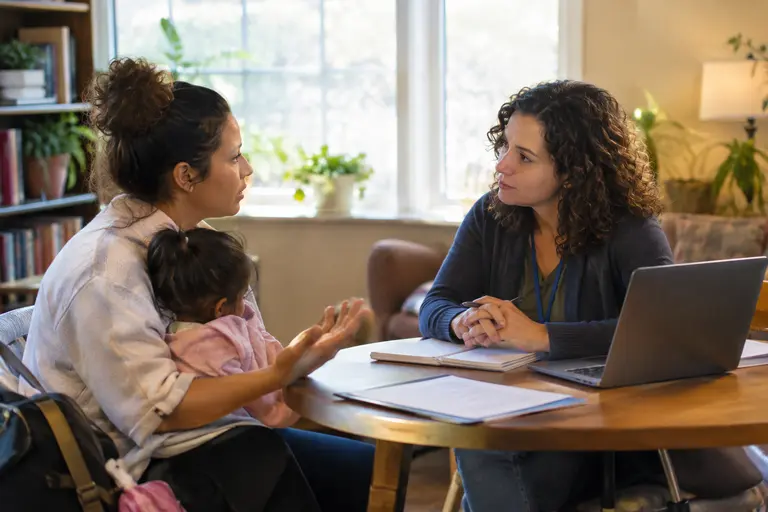
    Care coordinator compares food resource options with an older adult

    Different programs solve different access problems. A benefit card helps a senior choose fresh food at an authorized market. An onsite pantry helps residents who cannot travel easily. A meal site helps with a prepared lunch and regular contact. A produce delivery into senior housing helps buildings serve many residents at once. The strongest plan may combine more than one option.

    ResourceWho It May HelpFirst Access Step
    Detroit Senior Food ProgramSenior housing residents in areas with limited grocery accessAsk building staff whether produce delivery is scheduled
    Fresh Everyday PantriesResidents of participating senior apartment complexesAsk onsite management about pantry hours and restocking
    Senior Project FreshEligible Michigan residents meeting age and income rulesApply through Healthy Together and check authorized markets
    Congregate Meal ProgramAdults 60+ and spouses needing weekday mealsAsk the Detroit Area Agency on Aging about the nearest site

    Outreach workers should avoid sending residents to a site without confirming details. Hours, transportation, building eligibility, and available items can change. A five-minute verification call can prevent an older adult from making an unnecessary trip.

    Senior Food Access Resources In Detroit

    A Practical First Call Plan

    Residents and caregivers can use a simple order of calls. First, ask the senior apartment office whether the building receives city produce delivery, has an onsite pantry, or participates in another food program. Second, check whether the resident may qualify for Senior Project Fresh before October 31, 2026. Third, ask the Detroit Area Agency on Aging about nearby congregate meal sites and whether transportation is offered. Fourth, ask local pantry partners whether senior-specific produce distributions are available.

    • For residents in senior housing: Start with the property manager, resident-services coordinator, or building office.
    • For benefit help: Ask about Senior Project Fresh eligibility, Healthy Together applications, cards, proxies, and authorized vendors.
    • For weekday meals: Ask about congregate meal locations, serving times, accessibility, and transportation.
    • For caregivers: Confirm permission to help, write down dates, and keep card or pantry information in one place.

    How Community Groups Can Help

    Churches, block clubs, senior ministries, neighborhood associations, and housing partners can support this work by helping residents understand which option fits their situation. Groups should not promise benefits or food availability unless a program has confirmed the details. They can help seniors fill out online applications, organize rides to authorized markets, remind residents about meal-site schedules, or set up volunteer phone checks before distribution days.

    Senior Food Access works best when information is clear, local, and repeated. Detroit’s 2026 expansion gives outreach teams a chance to reduce missed meals, reduce unnecessary travel, and connect older adults with fresh food closer to where they live. The next civic step is practical: confirm the building, confirm the benefit, confirm the meal site, and help each senior use the resource that matches the need.

  • Middle School Attendance Support in Detroit

    Middle School Attendance Support in Detroit

    New programs to support middle school attendance in Detroit changed the practical options available to families for the 2026-27 school year. Detroit Public Schools Community District expanded a student attendance incentive to grades 6-8, while the City of Detroit’s free student bus pilot, launched on April 6, 2026, gives K-12 students another way to reach school, after-school programs, and enrichment activities. For families, the key civic question is direct: how can a household use these supports before absences become a pattern?

    The answer depends on daily routines as much as district policy. A student may miss class because of transportation gaps, illness, unmet basic needs, family stress, or weak school-family connection. The new efforts described in district and city materials do not erase every barrier, but they give families and local partners more tools: weekly rewards, free transit, faith-based school partnerships, parent outreach, and wider wraparound supports.

    Why Middle School Attendance Changed In Detroit

    How Middle School Attendance Rewards Work

    For the 2026-27 school year, DPSCD expanded its “Perfect Attendance Pays” incentive from a high-school-only effort to include middle school students in grades 6-8. Under the expanded program, middle schoolers can receive $50 per week in gift cards for perfect attendance during designated periods, according to The Source report. The same report said high school students can earn $100 per week for perfect attendance during a 10-week January-through-March 2027 eligibility period, with a possible total of $1,000 in gift-card rewards.

    For middle school attendance, the new incentive gives parents and guardians a concrete weekly marker. Instead of waiting for a semester report or a warning letter, families can talk each week about bedtime, morning transportation, school supplies, clothing, health appointments, and after-school responsibilities. A weekly reward is not a full attendance plan by itself. It works best when paired with adult check-ins and early contact with school staff when a student begins missing time.

    What High School Results Suggest

    The prior high school rollout offers one useful reference point. The Source reported that chronic absenteeism among DPSCD high school students fell from 64% to 54% during the 2025-26 program rollout, a 10 percentage-point decrease after the incentive began. That result does not prove the middle school expansion will produce the same outcome, because younger students have different schedules, family needs, and supervision patterns. It does show why DPSCD chose to extend the idea to grades 6-8 for the 2026-27 school year.

    Families should ask their child’s school how perfect attendance will be counted, which weeks are eligible, how gift cards will be distributed, and what happens when an absence is tied to illness or another documented reason. Clear rules matter because the program can build motivation only if families understand the standard.

    Free Bus Access And Daily School Routines

    Ride To Rise Details Families Can Use

    The City of Detroit launched “Ride to Rise: Show ID, Students Ride Free” on April 6, 2026. The pilot allows students ages 5-18 in public, private, or charter schools to ride DDOT city buses for free at any time, seven days a week, by showing a valid school-issued ID, according to the City of Detroit announcement. No fare or pass is required under the pilot described by the city.

    This matters for students who use public transit to reach school, tutoring, sports, clubs, youth programs, faith-based activities, or family responsibilities. The city described the program as a way to remove transportation costs as a barrier, especially for households without reliable private transportation. For parents, the first step is basic: confirm that the student has a valid school ID and knows where it is each morning.

    Where Transportation Fits With Attendance

    Transportation barriers often appear in small, repeat ways. A missed ride, a low balance, a parent work shift, or a late connection can become a full missed school day. Free DDOT access does not solve every route or timing issue, but it can reduce one cost that may keep a student from arriving. Families can use the program more effectively by practicing the route before a high-pressure morning, saving bus stop locations, and setting a backup plan with a trusted adult.

    Schools and community groups can help by sharing verified DDOT information, reminding students to carry school ID, and connecting families to school staff if a route problem keeps repeating. Outreach groups that support youth can include transit planning in mentoring sessions rather than treating attendance as only a student discipline issue.

    School, Faith, And Family Support Around Attendance

    Faith Partnerships And Parent Outreach

    DPSCD’s research materials describe a Faith-Based Initiative that links schools with local faith-based organizations for mentoring, volunteering, resource sharing, school-based pantries, and parent or family engagement. The district materials also describe a Faith-Based Council that meets monthly to coordinate those partnerships. This gives congregations a practical role: support the family conditions that make school attendance more stable.

    A church or faith-based nonprofit does not need to manage school attendance records to help. It can collect uniforms, connect families to food support, host parent information sessions, recruit mentors, or provide volunteers for school-approved activities. The strongest support stays coordinated with the school, respects family privacy, and directs families to verified district information.

    Basic Needs That Can Affect The School Day

    DPSCD’s Parent Academy materials, as described in the research, include the Parent Teacher Home Visit Project. The program uses teacher home visits to strengthen relationships with families, and the research notes say the model has been shown to increase attendance, improve academic performance, and reduce negative behaviors among students. For families who feel disconnected from school, a home visit can shift the relationship from a problem call to a partnership.

    The research also states that DPSCD is increasing wraparound supports for the 2026-27 school year, including expansion of Family Resource Centers and Health Hubs. The listed supports include medical, dental, and vision screenings, food insecurity help, and utility bill assistance. These issues are tied to attendance because a child may miss class when a family lacks basic supplies, faces a health need, or cannot solve a household crisis alone. For broader school-program context, Saint Joseph Detroit’s coverage of Detroit school program funding explains why families often track operations, transportation, and student services together.

    How Families Can Benefit Week By Week

    Parent and child review a weekly school calendar at home

    Simple Home Planning Steps

    Families can turn these programs into a weekly plan rather than a one-time announcement. The goal is to prevent avoidable absences early, especially during the middle school years when students are building routines that affect high school readiness.

    • Check the school ID: Keep the student’s ID in the same backpack pocket so free DDOT access is available when needed.
    • Ask about reward weeks: Contact the school office or attendance team to confirm which weeks count for gift-card eligibility.
    • Plan appointments carefully: When possible, schedule non-urgent appointments outside school hours or ask the school how partial-day attendance is recorded.
    • Use school contacts early: If transportation, clothing, food, health, or utility needs affect attendance, contact the school before absences build.
    • Invite trusted support: Ask a faith leader, mentor, or community volunteer to help reinforce morning routines and school connection when appropriate.

    Questions To Ask At School

    Parents and guardians can bring clear questions to school staff: Who handles attendance support? How does the school notify families after missed days? Are there middle school incentive notices by grade or campus? Which staff member connects families to Family Resource Centers, Health Hubs, or faith-based partners? What should a family do when a student is avoiding school because of anxiety, conflict, or disconnection?

    These questions help schools respond before attendance problems become harder to solve. They also help parents avoid guessing. A family that knows who to call, what proof is needed, and which supports are active can respond faster when a barrier appears.

    Detroit Middle School Attendance Family Steps

    What Community Partners Can Do Next

    Community partners can support middle school attendance by keeping messages practical and verified. Congregations, neighborhood groups, youth programs, and service organizations can share school-approved attendance information, help families understand the free bus pilot, gather basic supplies, and connect parents to school staff rather than creating separate systems that families must sort through alone.

    Local outreach groups can also learn from civic and business networks that organize around shared community needs. Organizations comparing community-support models across this publishing network can find a related civic connection through the Richland Area Chamber’s site, while Detroit partners should keep student attendance work tied to DPSCD and City of Detroit notices.

    Families benefit most when middle school attendance is treated as a shared support issue, not only a student obligation. The 2026-27 DPSCD incentive expansion, the April 6, 2026 DDOT free-ride pilot, faith-based partnerships, home visits, and wraparound supports all point in the same direction: reduce barriers early, communicate clearly, and help students build the steady school routines they need.

  • DPSCD town halls Keep Back-to-School Talks Open

    DPSCD town halls Keep Back-to-School Talks Open

    The next phase of DPSCD town halls and public school meetings is now focused on follow-up: families have passed the first day of K-12 classes on Monday, August 24, 2026, the district’s August back-to-school expo period has closed, and two September public meeting dates remain on the civic calendar. For Detroit parents, caregivers, school staff, neighborhood groups, and education partners, the main question is no longer how to start the year, but how to keep enrollment support, student services, transportation concerns, attendance routines, and special education questions visible after the first week of school.

    DPSCD town halls After The First Week Of School

    DPSCD town halls And The September Public Calendar

    DPSCD calendar information in the district’s public meeting notices lists a Regular Board Meeting for Tuesday, September 15, 2026, from 5:30 PM to 9:00 PM at Mumford High School, 17525 Wyoming St. in Detroit. The same district calendar information lists a Committee of the Whole meeting for Wednesday, September 23, 2026, from 4:30 PM to 6:30 PM at the Fisher Building, 3011 West Grand Blvd. in Detroit. Those dates matter because they give families and community partners scheduled opportunities to raise issues that became clearer after the opening of school.

    For residents, DPSCD town halls should be treated as civic access points, not one-time announcements. A parent who learned during the first week that a child needs a schedule change, an Individualized Education Program question answered, or clearer bus information may need a public route for follow-up. A neighborhood organization that helped families with enrollment may need to share patterns it saw across several blocks or schools. A school partner that hosted supply drives may need to ask what support is still needed after the first round of donated materials has been distributed.

    What August Outreach Already Covered

    DPSCD announced that its inaugural Back-to-School Expos began on Friday, August 7, 2026, and led up to the first day of K-12 school on Monday, August 24, 2026, according to the district’s official Back-to-School Expos notice. The research notes also identify school-based expo events at Thurgood Marshall Elementary School, Vernor Elementary School, and Wayne Elementary School during August, with activities such as family information, orientation, resource tables, food, games, and enrollment support.

    Because August 7, August 20, August 24, and August 26 have all passed as of August 27, 2026, those events should now be understood as completed outreach. That timing changes the task for families and support organizations. Instead of asking only who attended an expo, the useful community question is what still needs attention: families who missed orientation, students still adjusting to class routines, caregivers who need help understanding district services, and school teams that need community partners to stay involved after the opening week.

    Back-To-School Issues Families Can Still Raise

    Enrollment, Attendance, And Daily Readiness

    Back-to-school outreach often begins with registration tables and supply support, but the real test comes once students are in class. Families may need clear answers about enrollment documents, immunization records, class placement, attendance expectations, meal access, arrival times, dismissal plans, and school communication tools. Community groups can help by collecting questions in a simple format and directing residents to the correct school or district office rather than spreading unconfirmed answers.

    DPSCD town halls can help turn scattered questions into organized public feedback. If several families in the same neighborhood report confusion about arrival procedures, that is different from one household needing a reminder. If several caregivers say they do not understand how to receive school updates, that may point to a communication gap. Public meetings work best when residents bring specific dates, school names, and service questions that staff can review.

    Special Education Follow-Up After The August Meeting

    DPSCD scheduled a virtual Exceptional Student Education parent informational meeting for Thursday, August 20, 2026, from 4:00 PM to 5:00 PM, with topics that included IEPs, evaluations, services, and parental rights, according to the district’s ESE parent meeting notice. That meeting is now concluded. The same notice said an in-person ESE community meeting would follow later in August, with date and location to be announced; based on the provided research, those details were not yet specified.

    Families with ESE questions should avoid relying on informal summaries if they need case-specific answers. A practical next step is to write down the student’s school, grade, service question, meeting date if one is already scheduled, and the specific document or process that needs explanation. Community advocates can support parents by helping them prepare questions, keep records, and ask district staff for verified follow-up channels.

    How Community Partners Can Support Families

    Community volunteers organizing family resource papers on a table

    Clear Outreach Beats Last-Minute Confusion

    Schools cannot carry every family support task alone. Churches, block clubs, nonprofit programs, youth mentors, parent groups, and neighborhood service providers can help families prepare for public meetings by gathering concerns in advance, sharing meeting times accurately, and encouraging respectful participation. A community partner does not need to speak for families; it can help families speak clearly for themselves.

    Local civic networks also help keep education outreach connected to wider household needs. Groups that follow neighborhood services, family support, and education access, including initiatives like One United Michigan, can use verified district notices to point residents toward meetings and reduce confusion. The standard should be simple: share confirmed dates, name the district office or school involved, and avoid repeating claims that are not tied to an official notice.

    A Practical Preparation Checklist

    Families and outreach teams can use the September meeting dates as preparation deadlines. The most useful comments are usually specific, documented, and connected to a clear request. A caregiver who says, “I need help understanding the evaluation timeline for my student,” gives staff a clearer path than a broad complaint. A community group that says, “Ten families asked us for enrollment help after August 24,” provides a clearer signal than a general concern about confusion.

    • Write down the issue: Include the school, date, office contacted, and what answer is still needed.
    • Bring the right question: Separate individual student needs from districtwide service concerns.
    • Confirm the meeting location and time: Use district notices before arranging rides or childcare.
    • Ask for the next step: Request the office, timeline, or staff contact responsible for follow-up.
    • Share verified updates: Community groups should correct old flyers or posts when meeting details change.

    This approach keeps public engagement useful for both families and the district. It also helps residents who may not be comfortable speaking at a meeting. Written questions, organized notes, and trusted support from community partners can make participation more accessible.

    DPSCD town halls Back-To-School Engagement Next Steps

    What Residents Should Watch After August 27

    The immediate civic path is straightforward. The August expo period and the virtual ESE meeting have passed. The September 15 Regular Board Meeting and September 23 Committee of the Whole meeting remain the two public dates identified in the provided district research after August 27, 2026. Families who still need back-to-school answers should use the time before those meetings to document concerns and contact their school first when the matter is student-specific.

    DPSCD town halls can be most effective when the community treats them as part of a service loop. The first step is school-level communication. The second step is organized family follow-up. The third step is public accountability through board or committee meetings when broader patterns appear. That sequence respects school staff time while still giving residents a public way to raise unresolved issues.

    For neighborhood outreach teams, the work after August 27 is practical: remind families of verified September dates, help caregivers prepare questions, track repeated concerns, and connect residents to district notices rather than rumors. For families, the main step is to move from general frustration to specific requests. That is how back-to-school engagement becomes useful after the first bell has already rung.

  • Senior Nutrition Expansion: What Seniors Need

    Senior Nutrition Expansion: What Seniors Need

    The senior nutrition expansion approved through Detroit’s budget work affects older adults who need steadier access to fresh produce, healthy meals, and transportation support. As of August 25, 2026, the clearest public record shows a growing city focus on senior food access: Mayor Mary Sheffield’s March 9, 2026 proposed Fiscal Year 2026–2027 budget included $750,000 for a new Senior Food Access program and $1 million for Senior Transportation under Accessibili-D, according to the City budget announcement. Detroit City Council also had previously approved a Fiscal Year 2025–2026 budget that included a one-time $250,000 allocation for a senior food access program under the Office of Sustainability, as reported by BridgeDetroit’s budget coverage.

    For seniors, caregivers, church outreach teams, and neighborhood volunteers, the practical question is simple: where will older adults be able to get food, who will qualify, and how will transportation barriers be handled? The supplied public records do not yet identify every recreation center, senior building, schedule, or enrollment rule. That uncertainty matters. Seniors should avoid relying on rumor or old flyers and should watch for formal updates from Detroit City Council, the Department of Neighborhoods, General Services, and Human, Homeless & Family Services.

    What The Senior Nutrition Expansion Changed

    Why Senior Nutrition Expansion Starts With Access

    The city’s work has moved senior food support from a narrower building-based model toward a broader neighborhood access model. Detroit’s April 2026 City Council Closing Resolution for Fiscal Year 2027 urged the administration to expand the existing Senior Food Program beyond senior housing buildings so that seniors living independently in neighborhoods could be included. The same resolution proposed a Nutritional Wellness Program for Seniors based in city recreation centers, with free fresh fruits, vegetables, and smoothies for Detroit seniors.

    That approach matters because many older adults do not live in senior apartment buildings. Some live with relatives. Some live alone in longtime family homes. Others may be near a recreation center but far from a full-service grocery store, or they may have limited income, limited mobility, or no reliable ride. A program built only around senior buildings can miss people who still need help but are not connected to a housing-site service schedule.

    The senior nutrition expansion also fits a wider support-service goal: making healthy food easier to reach before a health issue becomes urgent. Fresh produce is often harder to obtain than shelf-stable food because it requires more frequent delivery, cold storage, careful handling, and predictable distribution times. For Detroit outreach teams, that means the food itself is only one part of the work. Trust, schedule clarity, transportation, volunteer help, and public communication are just as necessary.

    What Was Already Starting In Senior Buildings

    Detroit’s 2026 State of the City materials, as described in the supplied research, said the Senior Food Program had begun launching a component that brings free fresh fruits and vegetables to senior buildings. That building-based work is a starting point, not the full plan described by Council’s April 2026 budget resolution. The stated goal was to reach more seniors across neighborhoods, including those who are not attached to a senior housing site.

    For seniors already living in buildings that receive fresh food support, the immediate need is to confirm delivery days, sign-up rules, and whether a building office, service coordinator, or city partner is handling communication. For seniors outside those buildings, the next step is to monitor city notices for recreation center locations and any neighborhood distribution model that may be announced during the Fiscal Year 2026–2027 period, which runs from July 1, 2026 through June 30, 2027.

    How Food Access And Transportation Fit Together

    Why A Ride Can Decide Whether Food Help Works

    Food programs can fail seniors if the pickup point is reachable on paper but not in real life. A recreation center may be nearby by car and still be too far for an older adult using a walker, managing chronic pain, or avoiding icy sidewalks in colder months. That is why the proposed $1 million Accessibili-D Senior Transportation allocation is closely connected to the food-access plan. The City of Detroit described the transportation funding as part of an effort to help seniors with mobility and access to services.

    The senior nutrition expansion should be judged not only by the number of food sites announced, but also by whether seniors can reach them. Caregivers should ask practical questions once schedules are released: Is transportation included? Is there a reservation process? Can a caregiver pick up food? Are there delivery options for homebound seniors? Will distribution hours match paratransit or senior shuttle availability? Those details have not all been released in the supplied research, so families should wait for formal city instructions before making plans.

    Detroit’s wider food-access conversation also benefits from community groups that understand storage, volunteer coordination, and neighborhood distribution. Saint Joseph Detroit’s prior reporting on local food access planning shows why produce distribution depends on more than donations alone. Senior programs need the same care: safe food handling, timely communication, respectful service, and reliable follow-up for residents who miss a pickup or need extra help.

    How Regional Nutrition Providers May Add Capacity

    The Detroit Area Agency on Aging, which serves Detroit, Hamtramck, Highland Park, Harper Woods, and the five Grosse Pointes, issued a late-2025 Nutrition Services Request for Proposal for Fiscal Years 2027–2029, according to the supplied research. The RFP sought providers for congregate meals, home-delivered meals, chilled meals, frozen meals, supplemental meals, and culturally specific meals. The same research described the agency’s service area as including about 300,000 people, with 154,435 adults age 60 and older as of May–June 2025.

    That regional context is useful for Detroit families because not every senior will need the same type of help. Some may benefit from a recreation-center produce program. Some may need home-delivered meals. Others may need culturally familiar food, frozen meals that can be stored, or supplemental food between regular meal deliveries. City food-access work and area-agency nutrition services are not identical programs, but seniors may need to understand both systems as options become available.

    What Seniors And Caregivers Should Watch

    Caregiver reviewing a printed schedule with an older adult at a kitchen table

    Key Details To Confirm Before Going To A Site

    As of August 25, 2026, the supplied records support the direction of the program but do not provide a complete public list of participating recreation centers, senior buildings, eligibility rules, or weekly schedules. Seniors should wait for official announcements before traveling to a site. Caregivers, congregations, and neighborhood groups can help by checking city sources, calling ahead when a location is named, and sharing only current information.

    • Location: Confirm whether the service is at a senior building, recreation center, or another neighborhood site.
    • Eligibility: Ask whether age, residency, building residence, enrollment, or appointment rules apply.
    • Food Type: Confirm whether the site provides fresh fruits, vegetables, smoothies, prepared meals, frozen meals, or supplemental food.
    • Transportation: Ask whether Accessibili-D, another senior transportation option, caregiver pickup, or delivery support is available.
    • Schedule: Check the date and time before each visit because food distributions can change based on supply and staffing.

    Faith communities can serve seniors well by acting as information bridges. A parish office, ministry team, or volunteer phone tree can help older adults confirm sites and hours, especially those without internet access. For broader civic and community resources in the same network, readers may also visit a related site, ITPR.

    What Not To Assume Yet

    Residents should not assume that every recreation center is participating, that every senior automatically qualifies without registration, or that food will be available every day. The Council resolution described a policy direction and proposed service model, while the budget materials identified funding priorities. Program operations still depend on city departments, vendors, staffing, site capacity, transportation coordination, and public notice.

    Caregivers should also be careful with social media posts about free food. A well-meant post can send seniors to the wrong place if it omits a date, fails to mention eligibility, or repeats outdated hours. The safest practice is to include the source of the information, the date it was checked, and a phone number or city contact when one is officially provided.

    Senior Nutrition Expansion For Detroit Seniors

    The senior nutrition expansion gives Detroit an opportunity to reduce food barriers for older adults through fresh produce, neighborhood access points, and transportation planning. The strongest documented pieces are the city’s proposed $750,000 Senior Food Access investment for Fiscal Year 2026–2027, the $1 million Senior Transportation proposal under Accessibili-D, the earlier Council-approved $250,000 senior food access allocation for Fiscal Year 2025–2026, and Council’s April 2026 request to widen service beyond senior buildings.

    For seniors, the best next step is patient but active follow-up. Watch for city department announcements, ask senior-building managers or recreation center staff only after official site lists are released, and have a caregiver or trusted volunteer confirm details before traveling. For churches and neighborhood groups, the most useful response is to prepare phone trees, ride lists, referral sheets, and volunteer support that can help seniors use the program safely once locations and schedules are public.

    The expansion is not just a food program. It is a test of how well Detroit can connect older adults to nutrition, mobility, public information, and neighbor-to-neighbor care. If city departments, service providers, caregivers, and community groups coordinate around verified details, more seniors should be able to reach fresh food without carrying the burden alone.

  • Proposal S funding And Detroit School Programs

    Proposal S funding And Detroit School Programs

    Proposal S funding now sits at the center of Detroit Public Schools Community District’s operating plan after Detroit voters approved Proposal S on August 4, 2026. DPSCD said the measure allows the district to collect an 18-mill operating millage on non-homestead property, such as business, rental, industrial, and second-home property, while owner-occupied primary residences are not taxed under the authorization. The district said the operating revenue supports classroom instruction, teachers and staff salaries, transportation, arts and music, technology, athletics, student programs, and other school operations in its Proposal S announcement.

    What Changed In The August 4 School Vote

    A Local Operating Millage Approved By Detroit Voters

    The main change is not a new tax on Detroit homeowners who live in their primary residence. DPSCD stated that Proposal S applies to non-homestead property and keeps the operating millage at 18 mills. That distinction matters for families, parishes, school volunteers, and neighborhood groups trying to understand the civic effect of the vote without adding confusion to school finance conversations.

    The vote also placed operating revenue collection directly with DPSCD. According to the research provided, the authorization runs through 2045 and shifts collection authority from the older Detroit Public Schools structure to the current community district after legacy operating debt is set for repayment in September 2026. The practical school-level issue is that the operating dollars support daily district functions rather than a single one-time construction or special-project account.

    DPSCD projected about $112 million from the millage for fiscal year 2026. Because the district identified arts, music, technology, athletics, career and technical education, student programs, transportation, staffing, and classroom instruction as supported uses, the measure should be read as a broad operating-stability vote. It does not, based on the available research, publish specific dollar amounts for individual band rooms, visual arts classrooms, laptops, software, or school-by-school technology purchases.

    How Proposal S funding Supports School Programs

    Operating Dollars Behind Daily Instruction

    The clearest meaning of Proposal S funding is that arts, music, and technology are part of the same operating base that pays for the people, transportation, supplies, and student services that keep schools functioning. In practice, a music program needs certified staff, scheduling support, instruments or materials, space, and transportation for some activities. A technology program needs devices or lab access, support staff, network planning, and instructional time. These needs do not stand apart from the operating budget; they depend on it.

    For Detroit families, this means the approval reduced a known risk to core school operations. It does not guarantee that every school will receive the same arts, music, or technology resources, and the research does not provide a school-by-school distribution plan. The next civic question is how DPSCD’s board, administration, and public budget process show where those operating dollars go during future budget reviews.

    Why Non-Homestead Details Matter

    The non-homestead structure is especially important for community education. Residents may hear “18 mills” and assume a direct homeowner tax change. DPSCD’s public communication says the millage applies to non-homestead property and not to owner-occupied primary residences. Churches, parent groups, and school partners can help by repeating that distinction accurately, especially during budget conversations with families who are focused on household costs.

    The vote also keeps attention on local responsibility inside Michigan’s school funding system. The research states that Michigan districts are required to levy an 18-mill operating millage on non-homestead property to receive full school operating support under the state’s post-Proposal A funding system. For Detroit, the August 4 vote aligned local authorization with DPSCD’s ability to collect the revenue directly.

    Arts, Music, And Technology In The Operating Budget

    Proposal S funding And Arts Access

    For arts and music, Proposal S funding should be understood as local operating stability, not as the only source of program support. The Michigan Department of Education’s Section 33 K-5 Visual Arts and Music Programs page states that Public Act 120 makes $3,190,196 available statewide for districts that do not currently have a quality visual arts or music program for grades K-5, with participating schools required to provide 60 minutes per week of instruction per subject by certified teachers, as described on the state’s Section 33 page.

    That state grant information gives Detroit families a useful frame. State grants can target specific gaps, while local operating revenue helps sustain the staff, schedules, materials, and district systems that make regular instruction possible. If a school community wants to see stronger elementary arts or music access, the most useful public questions are specific: Which schools have certified arts and music instruction? Which schools need instruments or classroom materials? Which state or district funds are being used to close gaps?

    Technology As A Student Program Need

    DPSCD named technology among the supported uses of the millage revenue. The research does not identify a device count, software contract, school lab plan, or individual technology allocation tied to the August 4 vote. That means public discussion should avoid promises that the approval automatically buys a certain number of computers or creates a specific new course at a named school.

    Still, technology is a real operating issue for students. Career and technical education, classroom research, state testing, college preparation, and day-to-day instruction all depend on working systems and staff support. For faith-based youth mentors and after-school partners, the practical step is to ask schools what support they need instead of assuming the answer. Some students may need supervised access to devices after school. Others may need help with applications, digital assignments, or career exploration tools. Local partners can respond best when they coordinate with school leaders and use verified district information.

    Civic Steps For Families, Churches, And Partners

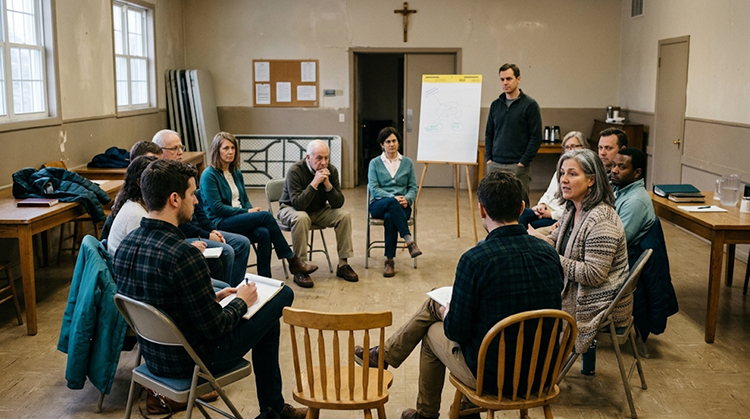
    Community members meeting at tables with notebooks in a school room

    How To Track What Happens Next

    The vote answered the authorization question, but it did not end community oversight. Families, educators, churches, and neighborhood organizations can follow DPSCD board meetings, budget documents, school improvement conversations, and public communications to see how operating resources are described. Questions should stay tied to public documents and named programs rather than rumor or secondhand claims.

    Community partners should also separate advocacy from service. Advocacy may mean asking for clear arts, music, and technology reporting. Service may mean offering volunteers, safe after-school space, mentoring, instrument drives, transportation coordination, or family outreach when a school asks for help. Both forms of support can serve students, but each works best with school approval and clear boundaries.

    • Parents and guardians: Ask principals how arts, music, and technology needs are identified at the school level.
    • Churches and ministries: Offer support that matches a verified school request, such as mentoring, homework help, or supervised learning space.
    • Community groups: Share district information from official sources and avoid reposting budget claims that cannot be checked.
    • Donors: Ask whether money, materials, volunteer time, or program support is most useful before launching a collection drive.

    Similar work is echoed in the same network, including efforts at the Houston LWS Forum, which highlights the universal demand for transparent public information. Such clarity enables community members to respond effectively. In the context of Detroit schools, post-August 4 conversations should prioritize transparent budget allocations, school needs, and student resources.

    There is also a student wellness connection. Strong school programs do not replace mental health services, but arts, music, mentoring, and safe technology access can be part of a broader support culture. Local readers interested in youth support systems can review Saint Joseph Detroit’s coverage of youth mental health and trauma support, which fits the same community commitment to practical help for students and families.

    What Proposal S funding Means For Detroit Schools

    A Practical Reading For The Community

    The best local use of Proposal S funding as a public conversation is to treat it as a foundation for operations and accountability. It supports the district’s ability to pay for instruction, staff, transportation, technology, arts and music, athletics, student programs, career and technical education, and related operating needs. It does not, based on the research available on August 25, 2026, provide a public list of exact arts, music, or technology allocations by campus.

    That distinction should guide the next phase of community action. Detroit residents can affirm the value of the vote while still asking careful questions about program access. Which schools need stronger elementary arts instruction? Where are music offerings limited by staffing or materials? Which technology needs are tied to career preparation, college readiness, or everyday classroom work? Which public reports will show progress?

    For faith communities and service organizations, the faithful response is steady, honest, and student-centered. Do not overpromise what the millage will do. Do not tell families that every program gap has already been solved. Instead, point to what DPSCD has stated, watch the public budget process, listen to school leaders, and offer support that helps students learn, create, practice, and prepare for life beyond graduation.

  • DPSCD Teacher Certification Program Update

    DPSCD Teacher Certification Program Update

    The DPSCD Teacher Certification Program gave Detroit residents with bachelor’s degrees another local route into public-school teaching during the 2026 summer training period. Detroit Public Schools Community District’s On the Rise Academy, known as OTR, is an alternative certification pathway that the Michigan Department of Education approved in January 2021 as the first program of its kind run by a local school district in Michigan, according to the state education announcement. As of August 24, 2026, the key civic question is practical: how can Detroit candidates, families, schools, congregations, and neighborhood partners help qualified aspiring educators understand the route, meet requirements, and stay connected to district classrooms?

    The program matters because teacher preparation is not only a workforce issue. It affects classroom stability, student relationships, school culture, and the ability of local residents to serve in schools that may already be part of their family or neighborhood life. The district’s published On the Rise Academy information describes a paid summer field-based institute, endorsement options, tuition rules, and a path toward an Interim Teaching Certificate for fellows who meet the stated requirements, according to the DPSCD program page.

    Why Detroit Schools Built A District Route

    A Local Response To Teacher Preparation

    The Michigan Department of Education said in January 2021 that it had approved Detroit Public Schools Community District to provide an alternative route to interim teacher certification. The state described the approval as part of a route that allowed the district to train teacher candidates while addressing local staffing needs. That fact is central for civic and faith-based partners: this is not a private coaching course or a general career fair. It is a district-run pathway connected to Michigan certification rules.

    For community outreach teams, the difference matters. A person considering a career change may need accurate information about eligibility, timeline, tuition, testing, and classroom placement before deciding whether to apply. A congregation, nonprofit youth program, or neighborhood education group can help by sharing verified district information instead of informal advice. Readers tracking local government and community developments can gain additional insights on county matters by visiting County Watchers.

    Who Is Affected In Detroit

    The affected groups include prospective teachers, current school staff members who may hold degrees, college graduates considering public service, students who need steady classroom leadership, and principals who depend on a reliable hiring pipeline. Families are also affected because teacher preparation connects directly to daily classroom experience. The district’s On the Rise Academy materials frame the pathway around fellows who complete coursework, field-based summer training, testing requirements, and district teaching expectations.

    This is where local organizations can be useful without overstating their role. Faith communities and neighborhood partners should not promise admission, certification, or employment. They can, however, help residents read the requirements, prepare questions for DPSCD, arrange quiet spaces for application work, and refer interested adults to official district information.

    How The DPSCD Teacher Certification Program Works

    DPSCD Teacher Certification Program Eligibility

    DPSCD states that selection into On the Rise Academy requires candidates to hold at least a bachelor’s degree, have a G.P.A. of at least 2.95, and pass the district’s criminal background check. For some endorsements, including mathematics or integrated science, the district states that applicants must show sufficient postsecondary study in the subject area and pass a preliminary eligibility test.

    The DPSCD Teacher Certification Program is not presented by the district as open admission. That distinction should guide outreach. Local groups can reduce confusion by making clear that applicants must meet stated academic and background requirements. They can also encourage candidates to gather transcripts, review endorsement options, and contact the district directly for official questions.

    Endorsement Areas Listed By DPSCD

    DPSCD lists endorsement options in Lower Elementary for grades PK-3, Upper Elementary for grades 3-6, Secondary Integrated Science for grades 6-12, and Mathematics for grades 5-9 or 7-12. The district also states that candidates who first complete a general education endorsement may have the option to add a Cognitive Impairment endorsement.

    Those details are useful for community partners because different candidates may be suited for different grade bands or subjects. A person with a strong science background may need different guidance than someone interested in early elementary classrooms. A church education ministry, mentoring program, or college-access group can help potential candidates think through their service interests while directing all certification questions back to DPSCD.

    What Candidates Did In The 2026 Timeline

    Summer Training And School-Year Preparation

    DPSCD’s published timeline for Cohort 6 placed Admissions Coursework from January through May 2026 through hybrid online modules and monthly in-person professional development. The district listed the Pre-Service Institute from June through August 2026 as a fully in-person, field-based period lasting seven to eight weeks. The same timeline placed New Teacher Academy in August 2026 as one week of district-wide professional development before the school year, followed by School Year Academy from September 2026 through June 2027.

    Because today is August 24, 2026, the summer institute period described by DPSCD was in its final month. It should not be described as a future opportunity for Cohort 6. Residents interested in later cohorts should use district channels for updated application windows and requirements rather than relying on older dates.

    Pay, Tuition, And Certification Steps

    DPSCD states that fellows are paid during the Pre-Service Institute at $25.10 per hour and are eligible for benefits. The district lists tuition at $5,000. It also states that fellows who complete all performance requirements and then teach in DPSCD for at least six years receive full tuition forgiveness, which can make the program free for those who meet the stated conditions.

    The district also states that fellows who successfully pass the Michigan Test for Teacher Certification and complete the Pre-Service Institute are eligible for an Interim Teaching Certificate and a DPSCD contract teaching position for the 2026-27 school year, with salary corresponding to new teachers. That sequence matters: training, testing, performance requirements, and district hiring are connected steps, not separate promises.

    How Community Partners Can Help

    Faith and community volunteers helping adults organize education paperwork

    Use Verified Information

    Education and faith partners can help most by using official information carefully. A community group should not simplify the pathway into a slogan such as “degree holders can become teachers by summer” because that leaves out eligibility, testing, performance, and certification steps. A better outreach message would name On the Rise Academy, state that DPSCD publishes eligibility and timeline requirements, and send candidates to the district for the latest details.

    Groups can also help residents compare the demands of the program with family schedules, transportation, work obligations, and study time. The summer institute was fully in-person under the Cohort 6 timeline. That requirement may affect caregivers, workers, and candidates who rely on public transportation. Local partners can help by offering study space, childcare referrals where available, transcript-request support, and reminders to rely on district instructions.

    Practical Outreach Steps

    Community support should be simple, accurate, and repeatable. The following steps can help Detroit organizations assist candidates without creating confusion:

    • Share official links only: Use DPSCD and state education pages for program facts, dates, and requirements.
    • Host question-prep sessions: Help candidates list questions for DPSCD about eligibility, endorsements, tuition, and testing.
    • Support document readiness: Remind candidates that degree records, G.P.A. documentation, and subject background may matter.
    • Respect certification limits: Do not promise admission, employment, tuition forgiveness, or certification outcomes.
    • Connect service-minded adults: Encourage residents already working with youth to review whether the district pathway fits their goals.

    These steps are especially relevant for churches, youth-serving nonprofits, alumni groups, and neighborhood organizations that already know adults who mentor, tutor, coach, or volunteer with students. Many potential educators first show their gifts in community settings before entering a formal classroom pathway.

    DPSCD Teacher Certification Program Next Steps

    The next civic step is straightforward: Detroit residents who are interested in the DPSCD Teacher Certification Program should review DPSCD’s current On the Rise Academy information, confirm eligibility directly with the district, and avoid relying on outdated cohort dates. Community organizations can help by making official information easier to find, giving candidates space to prepare, and keeping outreach messages accurate.

    For Detroit, the DPSCD Teacher Certification Program is best understood as a local teacher-preparation route with clear requirements, a structured timeline, paid summer field experience, and a service commitment tied to tuition forgiveness. Its value will depend on candidates completing each required step and on trusted local partners helping residents move from interest to informed action.

  • How South Texas Food Bank’s Six-County Flood Relief Push Shows Why Detroit Aid Groups Need Disaster-Ready Volunteer Systems

    How South Texas Food Bank’s Six-County Flood Relief Push Shows Why Detroit Aid Groups Need Disaster-Ready Volunteer Systems

    The South Texas Food Bank flood response gives Detroit churches, food pantries, neighborhood groups, and community outreach teams a clear warning: emergency aid depends on volunteer systems built before roads close, families lose food, and supply requests start moving faster than local groups can organize. In July 2026, the food bank said flooding had affected 75% of the communities in its service area, including Val Verde, Kinney, Dimmit, Maverick, Webb, and Zapata counties, with relief needs centered on food, bottled water, cleaning supplies, safe distribution, donations, and volunteers. The food bank’s official South Texas flood response page frames the situation as a regional emergency across a wide service territory.

    For Detroit aid groups, the local lesson is not limited to Texas flooding. Severe weather, basement flooding, sewer backups, extended power outages, heat waves, food-benefit disruptions, and neighborhood-level emergencies can all create sudden demand for food boxes, water, cleaning kits, wellness checks, phone calls, transportation, and verified public information. A disaster-ready volunteer system gives local groups a safer way to respond without turning good intentions into crowded donation rooms, outdated flyers, or unsafe travel.

    Why A Six-County Flood Response Matters For Detroit Aid Planning

    The South Texas Food Bank serves a large region that includes Webb, Zapata, Jim Hogg, Starr, Maverick, Dimmit, Kinney, and Val Verde counties through partner agencies and direct-service programs. When flooding reached six of those counties, the problem was not just supply volume. It became a coordination test across rural roads, damaged communities, public agencies, local partners, and families needing immediate help. Reporting from late July said the food bank’s Disaster Relief Team had reached 6,972 neighbors in three hard-hit counties, with Val Verde County totals still being finalized after access barriers required support to move through trusted local partners. The report described food, clean water, and essential supplies moving through affected communities as the response continued.

    That kind of emergency reveals a planning truth Detroit groups should take seriously. Food relief is not only about collecting cans. Disaster response needs trained volunteers, staging areas, safe routes, donation instructions, supply tracking, public-agency awareness, and trusted local contact points. A church basement, pantry storage room, parish hall, or community center can help during an emergency only if organizers already know who has keys, who can sort supplies, who can answer phones, who can check on older adults, and who should wait for official direction.

    Saint Joseph Detroit’s recent food-access coverage has already raised the need for stronger planning around local distribution, volunteer coordination, and family support. That same issue appears in Detroit food access planning, where fresh-food work depends on partners, storage, volunteers, education, and reliable delivery. Disaster relief is faster and higher pressure, yet it relies on the same foundation: people, places, supplies, and communication.

    How Flood Relief Turns Volunteers Into A Logistics Network

    The South Texas Food Bank’s disaster updates asked supporters to help through donations, volunteer work, and sharing accurate information about flood relief, food distributions, volunteer opportunities, and donation drives. The official page lists non-perishable food, bottled water, cleaning supplies, baby supplies, personal hygiene items, and monetary gifts as practical support paths, with updates tied to community needs.

    That mix matters for Detroit. After a flood, families may lose refrigerated food, need bottled water, face cleanup costs, or need gloves, trash bags, disinfecting supplies, diapers, wipes, formula, and hygiene items. A pantry that prepares only for shelf-stable food may miss urgent cleanup needs. A neighborhood group that collects cleaning supplies may miss families who need food after power loss. A church that wants to deliver supplies may need to wait until roads, basements, and buildings are safe.

    A useful disaster volunteer system separates roles before the emergency. Some volunteers can sort donations. Others can pack food boxes. Others can call families, confirm hours, share official updates, or help with transportation once conditions are safe. Some volunteers may have medical, CERT, logistics, language, or data-entry skills. Others may be best suited for pantry work, check-in tables, cleanup kit assembly, or follow-up calls.

    Volunteer System NeedEmergency RoleDetroit Planning Question
    Role AssignmentsKeeps volunteers from crowding the same taskWho sorts, calls, drives, tracks, stages, and cleans?
    Safe Deployment RulesPrevents travel into flooded or unsafe areasWho decides when volunteers can leave the site?
    Supply StagingTurns donations into usable food, water, and cleanup kitsWhere will items be sorted before distribution?
    Partner ContactsConnects churches, pantries, city agencies, and local nonprofitsWhich trusted sites can receive or move supplies?
    Follow-Up TrackingRecords needs that remain after first contactWho checks whether families still need help two days later?

    Detroit groups can build this table into a simple emergency worksheet. The goal is not bureaucracy. The goal is to prevent confusion when residents are already under stress.

    Why Detroit Groups Need Training Before The Emergency

    Detroit has public preparedness resources that community groups can use before disaster demand grows. The City of Detroit’s Emergency Management and Homeland Security training page points residents toward disaster preparedness resources for professional and volunteer emergency management communities, including training designed to improve public awareness and preparation. The city’s emergency volunteer training page gives outreach groups a stronger starting point than informal guessing.

    The city also lists Community Emergency Response Team, or CERT, volunteering as a way for residents to learn disaster preparedness. CERT is useful because it creates a bridge between official emergency management and residents who want to help their neighborhoods more safely. Detroit groups do not need every volunteer to complete formal training, but each group should know which volunteers are trained, which are able to handle logistics, and which should be assigned lower-risk support roles.

    Michigan’s disaster volunteer needs are not theoretical. In April 2026, the American Red Cross in Michigan said it had an urgent need for volunteers to support disaster relief operations across more than 50 communities affected by flooding and storms, including work connected to damage assessment and relief-supply distribution. The Red Cross Michigan disaster volunteers notice shows how quickly a statewide storm response can require trained people, not just donated items.

    Detroit churches and neighborhood organizations can use that lesson by creating tiers of volunteers. A first tier may include people with CERT, Red Cross, medical, logistics, or emergency-management experience. A second tier may include food pantry, supply sorting, transportation, and phone-bank volunteers. A third tier may include communications, prayer-line, resident check-in, childcare-area, and follow-up helpers. During a crisis, coordinators can activate the correct tier instead of asking every willing person to show up at once.

    How Food, Water, Cleaning Supplies, And Information Work Together

    Flood relief usually does not move in one straight line. A family may need bottled water on day one, food on day two, cleaning supplies after the water recedes, help documenting damage, and referrals for housing, insurance, utility, or public-assistance questions later. The South Texas Food Bank’s official disaster page tells residents to follow local emergency management officials, local news, and trusted community sources for safety, road, and resource updates.

    Detroit aid groups should make verified information part of relief planning. A volunteer who shares the wrong pantry hours can send a family across town for nothing. A donation flyer that stays online after a site closes can overwhelm the wrong location. A rumor about supplies can create lines at a place with no capacity. In an emergency, information control is a service.

    Each outreach group should assign one person to verify details before public posts go out. That person can check city updates, pantry hours, partner requests, drop-off rules, and volunteer assignments. No group should share road, safety, shelter, or emergency claims from rumor channels when official sources are available.

    Detroit’s own experience with flooding and sewer backups makes that discipline valuable. The Detroit Area Disaster Recovery Group describes itself as a volunteer-based, community-led organization formed around flooding and sewer backups, with work tied to groundwater flooding, sewer backup, toxic mold, and frequent power outages. Its Detroit disaster recovery focus shows why local groups need disaster systems before damage affects families at the block or basement level.

    Why Regional Food Networks Need Local Partners

    Large food banks can move huge volumes of supplies, but local partners often decide whether families receive help quickly. During the South Texas response, access challenges meant some deliveries had to move through trusted local partners rather than a direct route from the food bank to every affected household. That same pattern can apply in Detroit after flooding, outages, or food-benefit interruptions.

    Forgotten Harvest’s food-finder page lists more than 200 agencies across Metro Detroit offering emergency food assistance through mobile pantries, brick-and-mortar pantries, shelters, and soup kitchens. The organization asks residents to call ahead to confirm hours and requirements, which is especially relevant during emergencies when service times can change. The Metro Detroit food assistance network shows how many local doors may be involved when families need urgent help.

    That network is an asset, but only if community groups know how to use it responsibly. A church should know which nearby pantry is open on which day. A neighborhood group should know which food bank partners require appointments, ID, residency details, or pantry cards. A volunteer team should know whether a site accepts walk-ins or only scheduled clients. A social-media post should direct residents to confirmed information, not stale assumptions.

    For Detroit aid groups, disaster planning should include a partner map. The map does not need to be public. It can be a shared worksheet listing pantries, churches, community centers, city resources, senior sites, youth programs, transportation helpers, supply-storage rooms, and trained volunteer leads. When a crisis arrives, that list can save hours.

    What A Disaster-Ready Detroit Volunteer Calendar Could Include

    A disaster-ready system should be built across the year. Winter may focus on warming resources, utility help, and senior check-ins. Spring and summer may focus on flooding, heat relief, food access, and cleaning-supply readiness. Fall can be used to update contact lists, train new volunteers, and review what worked during the summer.

    Detroit groups can create a simple annual rhythm:

    • January To March: Update emergency contacts, identify seniors and families needing check-ins, review warming and utility resources.
    • April To June: Train volunteers, inspect storage areas, prepare flood and cleanup kit plans, confirm pantry partners.
    • July To September: Monitor heat and storm updates, review transportation options, keep bottled water and hygiene referrals current.
    • October To December: Review lessons, restock supplies, recruit volunteers, update communication templates.

    That kind of calendar helps small organizations stay ready without waiting for a public emergency. It also helps donors understand what is useful before a disaster. Instead of asking for random items after a storm, groups can ask for specific supplies by season.

    Why Money Can Be More Useful Than Random Supplies

    One lesson from regional flood relief is that cash donations can be more flexible than unplanned supply drives. The South Texas Food Bank’s disaster page directs supporters to make monetary donations for emergency relief and lists several needed categories, including food, water, cleaning supplies, baby supplies, and hygiene items.

    Detroit groups should explain this clearly to supporters. Donated goods can help when they match real needs and can be sorted safely. Random donations can create extra labor, storage pressure, and waste. Money can allow an organization to buy what families need most that week, such as bottled water, gloves, bleach, diapers, shelf-stable food, gas cards, or cleanup supplies.

    A good emergency donation message should answer four questions: what is needed, where it should go, when it is accepted, and whether cash is preferred. It should also say what is not needed. That prevents a pantry or church hall from being filled with unusable items.

    What Detroit Aid Groups Should Build Before The Next Emergency

    The South Texas Food Bank’s six-county flood relief push shows that disaster response is a system, not a spontaneous act. Food, water, supplies, money, volunteers, local partners, official information, and safe transportation all need to work together. When they do, families can receive help faster. When they do not, volunteers can become overwhelmed and residents can receive mixed messages.

    Detroit aid groups can start small. They can list volunteer roles, identify trained helpers, confirm local pantry partners, prepare supply-staging space, assign one information verifier, create a phone-check team, and save official city emergency links. They can ask which families may need home check-ins, which volunteers have vehicles, and which sites can safely host distribution if a storm or outage disrupts normal routines.

    The goal is not to replace emergency management or large food banks. The goal is to make local groups more useful inside the wider response. Churches, block clubs, food pantries, and neighborhood nonprofits have trust that larger systems may not always have. That trust becomes stronger when it is paired with preparation.

    South Texas’ flood response is a reminder that emergencies move quickly across counties, roads, homes, and supply networks. Detroit outreach groups should use that lesson now, before the next heavy rain, outage, heat wave, or food-disruption alert turns planning into triage.

  • How South Texas Food Bank’s Six-County Flood Relief Push Shows Why Detroit Aid Groups Need Disaster-Ready Volunteer Systems

    How South Texas Food Bank’s Six-County Flood Relief Push Shows Why Detroit Aid Groups Need Disaster-Ready Volunteer Systems

    The South Texas Food Bank’s summer flood response shows why Detroit churches, food pantries, neighborhood groups, and local aid programs need volunteer systems ready before the next emergency. On July 19, 2026, the food bank said flooding had affected six of the eight counties it serves — Val Verde, Maverick, Kinney, Dimmit, Webb, and Zapata — marking the first time flood impacts had reached more than half of its service area at once. The organization began sending emergency food boxes, water, and cleaning supplies to affected communities while road closures and hazardous travel made some rural deliveries harder to complete.

    For Detroit outreach groups, the lesson is not limited to Texas. Flooding, sewer backups, power outages, heat waves, and food disruptions can create sudden demand for meals, cleaning supplies, transportation help, wellness checks, and accurate local information. A disaster-ready volunteer system gives local groups a way to move from concern to organized action without overwhelming public agencies or putting volunteers in unsafe conditions.

    Why South Texas’ Six-County Flood Response Matters For Detroit

    The South Texas Food Bank response became a regional coordination challenge. The food bank said it was working with local and state emergency management officials, law enforcement, Feeding America, Feeding Texas, partner food banks, and community organizations to assess needs and move resources safely. CEO Alma Boubel said the scale of the flooding was unlike anything the organization had experienced across its service area and stressed that staff, volunteers, partner agencies, and residents had to remain safe as relief expanded.

    That safety-first message matters for Detroit. Local aid groups often want to respond quickly when a storm damages homes, a power outage affects seniors, or a flood leaves families with spoiled food and cleanup needs. Speed helps, but uncoordinated help can create problems. Volunteers may drive into unsafe streets, duplicate another group’s work, deliver the wrong supplies, or create crowds at locations that are not prepared.

    A strong volunteer system begins before the emergency. It identifies who can sort food, who can deliver supplies, who can answer phones, who can check on older adults, who can track requests, and who should wait for official instructions. That kind of structure allows churches and neighborhood organizations to support families while still respecting the role of emergency management, public safety, and established food networks.

    Saint Joseph Detroit’s recent coverage of Detroit food access planning raised a similar point from a non-disaster angle: food support depends on distribution systems, volunteers, storage, education, and trusted partners. Disaster relief adds urgency, but it does not change the basic truth. Supplies help only when they can reach families safely and consistently.

    How Nearly 7,000 Neighbors Received Aid Across The Hardest-Hit Counties

    By late July, the South Texas Food Bank said its Disaster Relief Team had traveled through Maverick, Kinney, and Dimmit counties, delivering food, clean water, and essential supplies directly to families. The organization reported serving 6,972 neighbors across three of the hardest-hit counties, with Val Verde County totals still being finalized after access challenges required truckloads of food and supplies to be routed through trusted local partners.

    Those details show why local partners are not optional during a disaster. When roads are closed or conditions change, a regional food bank may need county officials, local churches, first responders, and community-based organizations to identify safe delivery points. In some places, the best route is not direct distribution from a central warehouse. It is movement through trusted local partners who know the roads, families, and facilities.

    Detroit has its own version of that challenge. Forgotten Harvest’s food-finder page lists more than 200 agencies distributing emergency food assistance across Metro Detroit, including mobile pantries, brick-and-mortar sites, shelters, and soup kitchens. The organization tells residents to call ahead to confirm hours and requirements, since details can change. That warning becomes even more important during a disaster, when sites may lose power, change hours, run out of supplies, or need volunteers for different tasks.

    Detroit aid groups can learn from the South Texas approach by mapping their own trusted partners before a crisis. Which church has a large parking lot? Which pantry has refrigeration? Which community center can host a supply table? Which volunteers have trucks? Which residents may need home delivery rather than pickup? Those answers should be written down before heavy rain, flooding, or power loss creates an urgent demand.

    What A Disaster-Ready Volunteer System Needs

    A disaster-ready volunteer system is more than a list of people willing to help. It is a practical workflow that assigns people to safe, useful roles. South Texas Food Bank told supporters that volunteers would be needed to inspect donations, sort food, assemble disaster relief boxes, and prepare shipments for affected communities. It also said financial contributions could help purchase food, bottled water, cleaning supplies, hygiene products, and cover fuel and transportation costs tied to rural delivery.

    Detroit groups can use the same role-based thinking. A person who wants to help may not be ready to enter an affected area. That person may still be useful sorting donations, making calls, confirming pantry hours, assembling hygiene kits, tracking requests, or sharing official updates. A volunteer with a truck may help transport supplies once routes are safe. A volunteer with administrative skills may help document requests, contact partner agencies, or keep a sign-in sheet accurate.

    Volunteer System NeedWhat It Does During A DisasterDetroit Planning Question
    Role AssignmentsPrevents every volunteer from showing up for the same taskWho sorts, calls, drives, tracks, cleans, and shares updates?
    Safety RulesKeeps helpers away from flooded roads or unsafe buildingsWho decides when and where volunteers can deploy?
    Supply SortingTurns donations into usable emergency boxesWhere will food, water, cleaning supplies, and hygiene items be staged?
    Partner MapConnects groups with trusted local distribution pointsWhich churches, pantries, and centers can receive or move supplies?
    Follow-Up TrackingHelps families after the first deliveryWho records needs that remain after the emergency box is delivered?

    The strongest system gives people assignments before emotions take over. A volunteer should know whether to report to a pantry, wait for a call, check on neighbors, prepare boxes, or stay home until roads are safe. That clarity protects everyone involved.

    Why Detroit Groups Should Train Before The Emergency

    Detroit already has public preparedness resources that local groups can use. The City of Detroit’s Emergency Management and Homeland Security training page points to disaster preparedness and training resources for both professional and volunteer emergency management communities. Its Community Emergency Response Team program trains residents in disaster preparedness and basic response skills, including fire safety, light search and rescue, team organization, and disaster medical operations.

    That does not mean every church volunteer must become a CERT member. It means outreach groups should know where training exists and which volunteers are suited for which roles. Some people may want formal emergency training. Others may be best suited for food sorting, phone banking, translation, child-friendly waiting areas, supply intake, or transportation coordination.

    The American Red Cross in Michigan has also highlighted the need for disaster volunteers. In April 2026, the organization said it had an urgent need for volunteers to support disaster relief operations covering more than 50 communities affected by flooding and storms across the state, with roles connected to damage assessment and relief supply distribution. That Michigan context makes the South Texas lesson more relevant for Detroit. Disaster-related volunteer demand is not theoretical.

    Local groups should create a tiered volunteer list. Tier one can include trained responders or people who understand official emergency protocols. Tier two can include pantry, donation, and logistics volunteers. Tier three can include phone-check volunteers, communications helpers, and people able to support families after the immediate event. When a crisis hits, coordinators can activate the right tier instead of sending every willing person into the same space.

    How Food, Water, Cleaning Supplies, And Transportation Fit Together

    The South Texas Food Bank’s disaster page says recent flooding affected 75% of the communities within its service area, including the six named counties. It lists flooding, damaged infrastructure, and road closures as ongoing challenges, while urging residents to follow local emergency management officials, local news, and trusted community sources for safety, road, and resource updates.

    That guidance should shape Detroit planning. After flooding or sewer backup, families may need food and water first, then cleaning supplies, hygiene items, safe storage, transportation, and help finding official recovery information. A pantry that only prepares shelf-stable food may miss the need for bleach, gloves, masks, trash bags, diapers, formula, or transportation to a distribution site. A church that only collects cleaning supplies may miss families who lost refrigerated food.

    Detroit also has organizations already focused on disaster recovery. The Detroit Area Disaster Recovery Group describes itself as a volunteer-based, community-led organization formed around flooding and sewer backups, with a focus on groundwater flooding, sewer backup, toxic mold, and frequent power outages. That local work shows why aid groups should not wait for a rare event to think about disaster response. Flood-related needs have already shaped parts of Detroit’s community-service landscape.

    A disaster-ready system should connect food relief with cleanup support and follow-up. A family may receive an emergency food box on day one and still need mold guidance, utility help, document replacement, transportation, or housing support days later. Volunteers should know how to refer those needs rather than trying to solve every problem at the doorstep.

    Why Money, Volunteers, And Accurate Information All Matter

    South Texas Food Bank’s public call identified three support paths: non-perishable food donations, volunteer help, and monetary donations. It said financial contributions provide flexibility to buy and distribute needed resources quickly. That matters in a disaster, where the most useful item can change from water to cleaning supplies to fuel to hygiene products within days.

    Detroit aid groups should make the same distinction when asking for help. A general “donate now” message may bring a mix of items that volunteers must sort, store, or discard. A sharper message can tell residents what is needed today, what is not needed, where items should go, and whether money is more useful than supplies. Accuracy reduces waste and keeps volunteer teams focused.

    Information is part of relief. The South Texas Food Bank specifically encouraged people to share accurate information about flood relief efforts, food distributions, volunteer opportunities, and donation drives. In Detroit, that could mean sharing only verified pantry hours, official city emergency notices, confirmed road or facility updates, and current volunteer needs. A well-meaning, outdated flyer can send families to a closed site or overload a partner that no longer has supplies.

    Local groups should assign one person to information control during a crisis. That person checks official updates, confirms partner details, removes expired posts, and makes sure volunteers do not share rumors. Good information is not a side task. It is part of keeping families safe.

    What Detroit Aid Groups Should Build Before The Next Emergency

    The South Texas Food Bank’s six-county response shows that disaster relief does not begin when supplies leave a warehouse. It begins with relationships, volunteer assignments, safe routes, partner sites, funding flexibility, and accurate information. When those pieces are missing, generosity can still fall short. When they are ready, local groups can help families faster and with less confusion.

    Detroit churches, pantries, and outreach teams can begin with a simple preparedness review. They can list volunteers by role, identify safe storage space, confirm pantry and mobile distribution partners, gather emergency contact numbers, review city training resources, and decide how they will communicate during an outage or flood. They can ask which families may need check-ins, which volunteers have vehicles, and which supplies are hardest to obtain quickly.

    The South Texas Food Bank’s response is a reminder that emergency food systems are community systems. They rely on donors, trained staff, safe volunteers, public agencies, local leaders, and trusted distribution points. Detroit aid groups do not need to duplicate a regional food bank. They need to know where they fit before a disaster puts families under pressure.

    A disaster-ready volunteer system gives local outreach a stronger foundation. It keeps helpers safer, protects families from confusion, and helps supplies reach the places where they are needed most. For Detroit, that preparation should start before the next flood warning, outage, or emergency food request arrives

  • Why Phoenix Community Farm’s 26,000 Pounds Of Donated Produce Matters For Detroit Food Access Planning

    Why Phoenix Community Farm’s 26,000 Pounds Of Donated Produce Matters For Detroit Food Access Planning

    Phoenix Community Farm’s plan to host its annual garden party fundraiser on July 23, 2026, at 7 p.m. at Windover High School in Midland, Michigan, gives Detroit outreach groups a useful food-access lesson: donated produce works best when it is tied to volunteers, education, farmstand access, and reliable distribution partners. The farm donated more than 26,000 pounds of produce last year, and proceeds from the July 23 fundraiser are intended to support volunteer coordination, educational work, farm technology, seeds, and soil enrichment.

    For Detroit churches, neighborhood groups, food pantries, and family-service programs, the lesson is not that every community needs a farm. The stronger point is that fresh-food support requires planning beyond one-time food boxes. Families need produce that is accessible, culturally useful, safely stored, distributed through trusted partners, and connected to practical education on growing, preparing, and preserving food.

    Why A Midland Farm Story Matters For Detroit Food Access

    Phoenix Community Farm is based in Midland, but its model speaks to a challenge Detroit groups know well: emergency food can meet immediate need, while fresh produce requires a deeper system. A pantry can hand out shelf-stable items quickly, but vegetables, fruit, herbs, and prepared produce often depend on growing capacity, cold storage, transportation, volunteer labor, and families knowing how to use what they receive.

    The Midland farm’s July fundraiser is built around that wider system. Its official site promotes the July 23 event with garden tours, food, music, cocktails, sponsors, and donations supporting its mission to meet the basic need for nutritious food and education. That structure shows how food access can become a community event, a donor campaign, an education program, and a volunteer pipeline at the same time.

    Detroit already has major hunger-relief organizations moving food at large scale. Forgotten Harvest says it delivers 144,000 pounds of surplus food per day to local charities five days a week, providing fresh and nutritious food free of charge to families in need. That scale shows why fresh-food logistics matter across Metro Detroit, from large food rescue systems to smaller neighborhood distribution sites.

    For Saint Joseph Detroit’s audience, the Phoenix Community Farm example connects with the same youth and neighborhood-service questions raised in prior coverage of Detroit youth safe spaces. Food access, youth programming, safe community spaces, and volunteer coordination often overlap because the same families may need meals, summer activities, transportation support, and trusted adults in the same season.

    How Produce Donations Need More Than A Harvest

    The figure that stands out is 26,000 pounds of donated produce, but the number only matters if the produce reaches families in usable form. Fresh vegetables can spoil quickly. Farm harvests may come in waves. Families may need recipes, storage tips, or familiar preparation ideas. Distribution partners may need a schedule before volunteers arrive with boxes of food.

    Phoenix Community Farm’s approach appears to treat produce as part of a broader local food system. The July 20 report says the farm operates a greenhouse for year-round production, runs community farmstands with a pay-what-you-can model, and partners with Hidden Harvest and United Way’s ReGrow Together program to distribute produce and prepared meals. The farm also works with Windover High School and Head Start Preschool, which gives the project a youth education and family-support role beyond the harvest.

    Detroit groups can adapt that thinking at a neighborhood scale. A church pantry may not grow food, but it can partner with urban gardeners, food rescue groups, school gardens, community fridges, or mobile pantries. A youth program may not run a farmstand, but it can teach students how to wash, store, cook, or share produce. A volunteer team may not control supply, but it can coordinate pickup, sorting, delivery, and follow-up.

    The planning question is simple: what happens after the food arrives? If the answer is unclear, produce can become stressful for volunteers and families. If the answer is planned, fresh food can strengthen health, dignity, and trust.

    What Detroit’s Food Network Shows About Fresh-Food Logistics

    Detroit has a large and active food-support network, but the need for coordination remains clear. In November 2025, the City of Detroit launched an interactive food pantry map during a SNAP-related disruption. The city said the map listed 85 verified food pantry locations at launch and was expected to reach about 100 verified sites by the next day. Residents could search by council district or distance and view pantry names, addresses, phone numbers, and hours.

    That city map shows why local service information must be organized. If families cannot find accurate pantry hours, transportation details, or available food types, food access becomes harder even when supplies exist. Fresh produce adds another layer because availability can change quickly based on season, weather, donation timing, cold storage, and volunteer capacity.

    Gleaners Community Food Bank of Southeastern Michigan describes its food assistance programs as distributing millions of pounds of free, nutritious food through partner pantries, soup kitchens, shelters, senior centers, and other agencies. It also operates community and school mobile distributions across Southeast Michigan with fresh produce, lean proteins, dairy, and pantry staples for neighbors facing hunger.

    That model matters for Detroit outreach groups because it shows fresh food is not a side issue. It is part of how hunger-relief organizations try to move beyond calories alone. Families need enough food, but they also need food that supports daily meals, children’s routines, older adults’ needs, and household health.

    Food Access NeedWhat Phoenix Community Farm ShowsDetroit Planning Question
    Fresh ProduceDonation volume needs growing, harvesting, and distribution systemsWhich local partners can supply or move fresh food?
    Volunteer CoordinationThe farm’s fundraiser supports volunteer systems, not only suppliesWho recruits, trains, schedules, and follows up with volunteers?
    EducationThe farm links food access with agricultural and community educationCan families learn how to store, prepare, or grow produce?
    Year-Round PlanningThe greenhouse supports production beyond one seasonWhat happens when summer donations slow down?
    Family AccessPay-what-you-can farmstands reduce cost barriersCan Detroit groups lower cost and transportation barriers?

    Why Gardens, Schools, And Youth Programs Belong In Food Planning

    Phoenix Community Farm’s partnerships with Windover High School and Head Start Preschool point to a broader lesson: food access can be part of education. When young people learn how food grows, how produce is prepared, and how community distribution works, they are not only receiving help. They are gaining practical knowledge that can carry into their families and neighborhoods.

    Detroit already has local infrastructure for that kind of learning. Keep Growing Detroit describes its Garden Resource Program as a citywide network of family, community, school, and market gardens across Detroit, Highland Park, and Hamtramck. The program helps gardeners become part of a shared effort to grow healthy food, care for land, and build community connection.

    Michigan Public recently described Keep Growing Detroit as serving more than 3,000 family, school, and community gardens in Detroit, Hamtramck, and Highland Park from its Eastern Market district base, with educational support, compost, tools, seeds, and seedlings for Garden Resource Program members.

    That matters for Saint Joseph Detroit because youth work and food access can be planned together. A summer youth program can include garden visits, cooking demonstrations, food-packing volunteer hours, or produce distribution support. A church garden can become a family education site. A school partnership can connect children with fresh food before hunger shows up as a classroom problem.

    Food access planning becomes stronger when it does not treat children as only recipients. Students can help plant, harvest, sort, cook, compost, and communicate. Those roles can build responsibility and connection while still respecting family privacy and avoiding exploitative service imagery.

    How Pay-What-You-Can Models Can Support Dignity

    The pay-what-you-can farmstand model in Midland is especially useful for Detroit groups because it shows a way to lower cost barriers without turning every food interaction into a crisis intake. Families may need help but still want choice. They may want to contribute something when they can. They may prefer a community stand to a formal assistance line.

    That dignity-centered design matters. A pantry line can be necessary, but it can also feel stressful. A farmstand, mobile market, garden pickup, or produce table can give families more choice and less stigma when designed well. Detroit groups should ask whether their food distribution setup allows residents to choose items, ask questions privately, and leave with information on future support.

    The model does not have to be complicated. A church could host a seasonal produce table with donations from local gardeners. A youth program could partner with a community garden for weekly vegetable pickup. A pantry could add recipe cards or short preparation tips to unfamiliar produce. A neighborhood group could coordinate “take what you need, give what you can” produce days when donations are available.

    The key is accuracy and consistency. Families should know when produce is available, where to go, what to bring, and whether supplies are limited. Volunteers should know how to handle food safely, answer basic questions, and direct families to other resources without guessing.

    Why Detroit Groups Should Track Produce, Not Just Pantry Visits

    Many food programs track households served, boxes distributed, or volunteer hours. Those metrics are useful, but Phoenix Community Farm’s produce total shows the value of tracking fresh-food output too. Pounds of produce can help donors understand impact, help volunteers see progress, and help organizers decide whether growing, storage, or distribution capacity needs to change.

    Phoenix Community Farm’s donation page says the farm has donated more than 132,575 pounds of fresh healthy produce to people in need in Midland since its founding in 2018, adding that each pound is about five servings of vegetables and that the farm has donated more than 500,000 servings.

    Detroit organizations can use similar tracking at smaller scales. A church garden might record pounds harvested each week. A pantry might track how many fresh-food boxes included produce. A youth program might record how many families attended a cooking demonstration. A neighborhood farmstand might track which items moved quickly and which required recipes or education.

    Tracking should not become paperwork for its own sake. It should answer useful questions: Are families receiving fresh food consistently? Are volunteers handling produce safely? Are certain neighborhoods underserved? Are families asking for more cooking support? Are distribution hours working for people without cars?

    What Detroit Food Access Planners Should Watch Next

    Phoenix Community Farm’s 26,000-pound produce milestone matters because it shows that fresh-food access is built through repeated systems: growing, fundraising, educating, recruiting, transporting, distributing, and listening. Detroit has major food banks, urban garden networks, city food pantry tools, and neighborhood service groups. The challenge is helping those pieces work together in a way families can understand and use.

    For Saint Joseph Detroit’s audience, the next step is local coordination. A church, youth group, pantry, or neighborhood association can ask which role it can play. Some groups may grow food. Some may host a pickup site. Some may recruit volunteers. Some may teach cooking skills. Some may help families find the nearest verified pantry. Some may connect youth programs with gardens and food-service projects.

    The Midland example is timely because its July 23 fundraiser supports the quiet infrastructure behind food access: seeds, soil, technology, education, and volunteer coordination. Those needs are easy to overlook when the public sees only a harvest number. Detroit outreach groups should pay attention to the hidden work because that is where food access either strengthens or breaks down.

    Fresh produce is not only a donation. It is a planning commitment. It needs land, labor, storage, partners, transportation, education, and dignity. Phoenix Community Farm’s 26,000 pounds of donated produce shows how much can happen when those pieces are connected. Detroit groups can use that lesson to make local food access more practical before the next surge in need.