Category: Community Outreach

  • DPSCD town halls Keep Back-to-School Talks Open

    DPSCD town halls Keep Back-to-School Talks Open

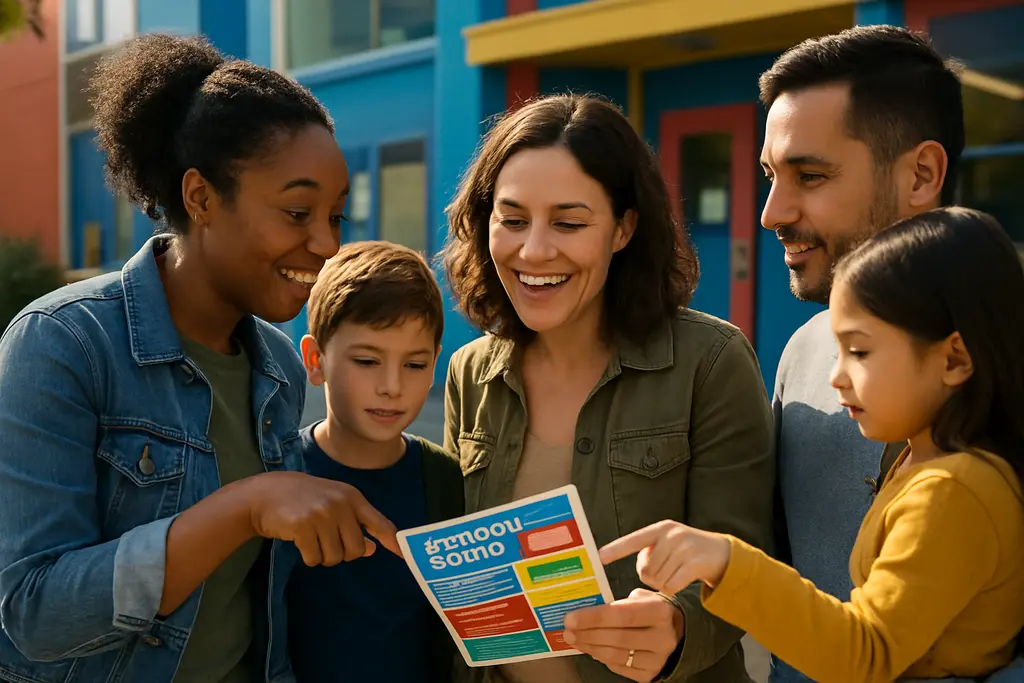
    The next phase of DPSCD town halls and public school meetings is now focused on follow-up: families have passed the first day of K-12 classes on Monday, August 24, 2026, the district’s August back-to-school expo period has closed, and two September public meeting dates remain on the civic calendar. For Detroit parents, caregivers, school staff, neighborhood groups, and education partners, the main question is no longer how to start the year, but how to keep enrollment support, student services, transportation concerns, attendance routines, and special education questions visible after the first week of school.

    DPSCD town halls After The First Week Of School

    DPSCD town halls And The September Public Calendar

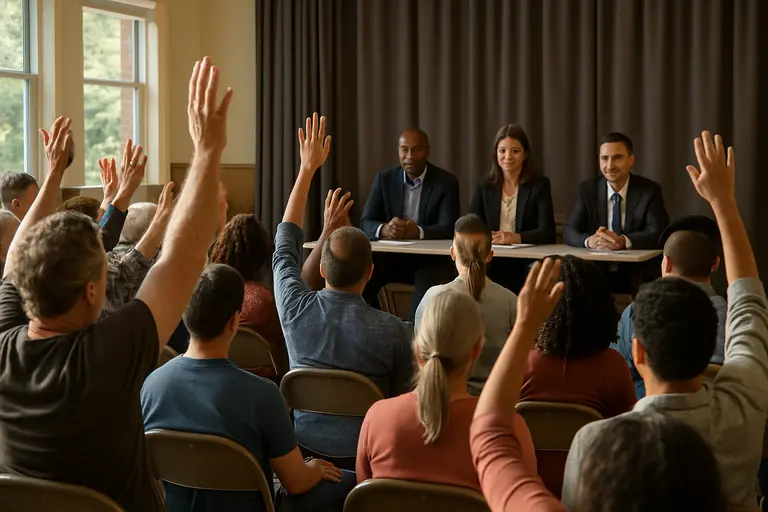
    DPSCD calendar information in the district’s public meeting notices lists a Regular Board Meeting for Tuesday, September 15, 2026, from 5:30 PM to 9:00 PM at Mumford High School, 17525 Wyoming St. in Detroit. The same district calendar information lists a Committee of the Whole meeting for Wednesday, September 23, 2026, from 4:30 PM to 6:30 PM at the Fisher Building, 3011 West Grand Blvd. in Detroit. Those dates matter because they give families and community partners scheduled opportunities to raise issues that became clearer after the opening of school.

    For residents, DPSCD town halls should be treated as civic access points, not one-time announcements. A parent who learned during the first week that a child needs a schedule change, an Individualized Education Program question answered, or clearer bus information may need a public route for follow-up. A neighborhood organization that helped families with enrollment may need to share patterns it saw across several blocks or schools. A school partner that hosted supply drives may need to ask what support is still needed after the first round of donated materials has been distributed.

    What August Outreach Already Covered

    DPSCD announced that its inaugural Back-to-School Expos began on Friday, August 7, 2026, and led up to the first day of K-12 school on Monday, August 24, 2026, according to the district’s official Back-to-School Expos notice. The research notes also identify school-based expo events at Thurgood Marshall Elementary School, Vernor Elementary School, and Wayne Elementary School during August, with activities such as family information, orientation, resource tables, food, games, and enrollment support.

    Because August 7, August 20, August 24, and August 26 have all passed as of August 27, 2026, those events should now be understood as completed outreach. That timing changes the task for families and support organizations. Instead of asking only who attended an expo, the useful community question is what still needs attention: families who missed orientation, students still adjusting to class routines, caregivers who need help understanding district services, and school teams that need community partners to stay involved after the opening week.

    Back-To-School Issues Families Can Still Raise

    Enrollment, Attendance, And Daily Readiness

    Back-to-school outreach often begins with registration tables and supply support, but the real test comes once students are in class. Families may need clear answers about enrollment documents, immunization records, class placement, attendance expectations, meal access, arrival times, dismissal plans, and school communication tools. Community groups can help by collecting questions in a simple format and directing residents to the correct school or district office rather than spreading unconfirmed answers.

    DPSCD town halls can help turn scattered questions into organized public feedback. If several families in the same neighborhood report confusion about arrival procedures, that is different from one household needing a reminder. If several caregivers say they do not understand how to receive school updates, that may point to a communication gap. Public meetings work best when residents bring specific dates, school names, and service questions that staff can review.

    Special Education Follow-Up After The August Meeting

    DPSCD scheduled a virtual Exceptional Student Education parent informational meeting for Thursday, August 20, 2026, from 4:00 PM to 5:00 PM, with topics that included IEPs, evaluations, services, and parental rights, according to the district’s ESE parent meeting notice. That meeting is now concluded. The same notice said an in-person ESE community meeting would follow later in August, with date and location to be announced; based on the provided research, those details were not yet specified.

    Families with ESE questions should avoid relying on informal summaries if they need case-specific answers. A practical next step is to write down the student’s school, grade, service question, meeting date if one is already scheduled, and the specific document or process that needs explanation. Community advocates can support parents by helping them prepare questions, keep records, and ask district staff for verified follow-up channels.

    How Community Partners Can Support Families

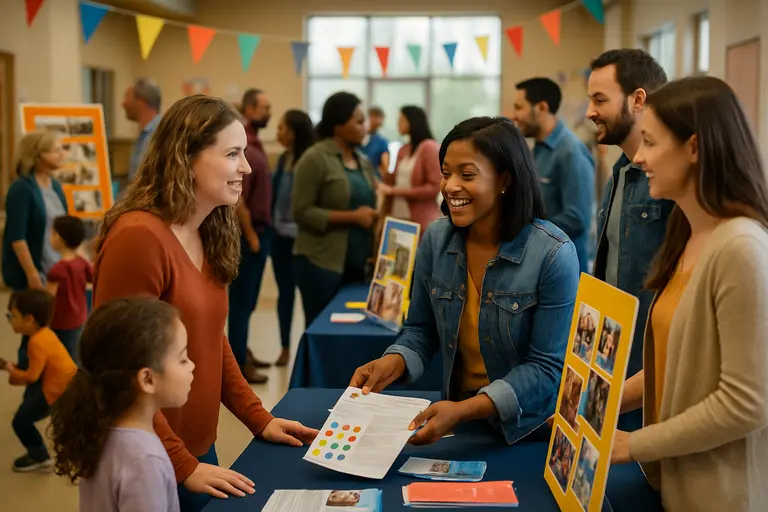
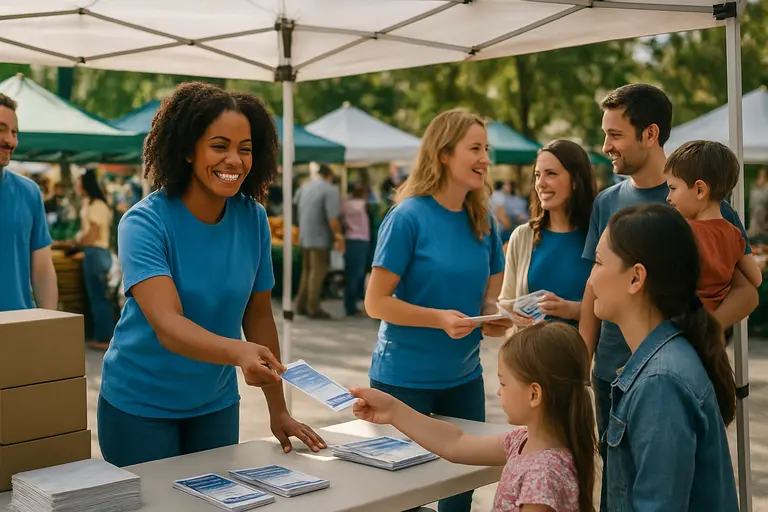
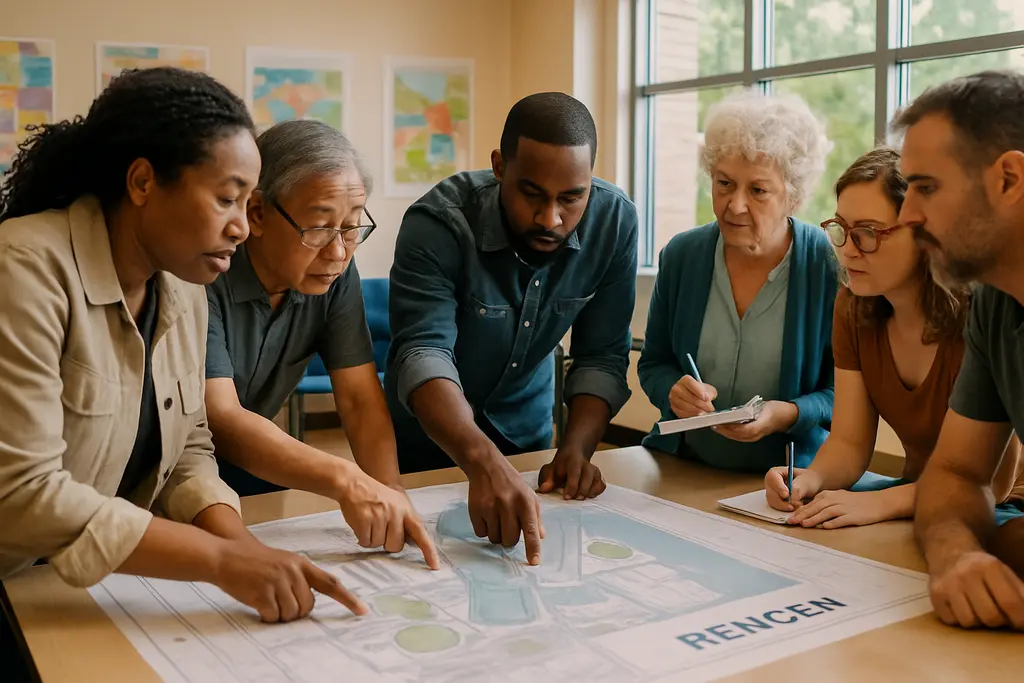
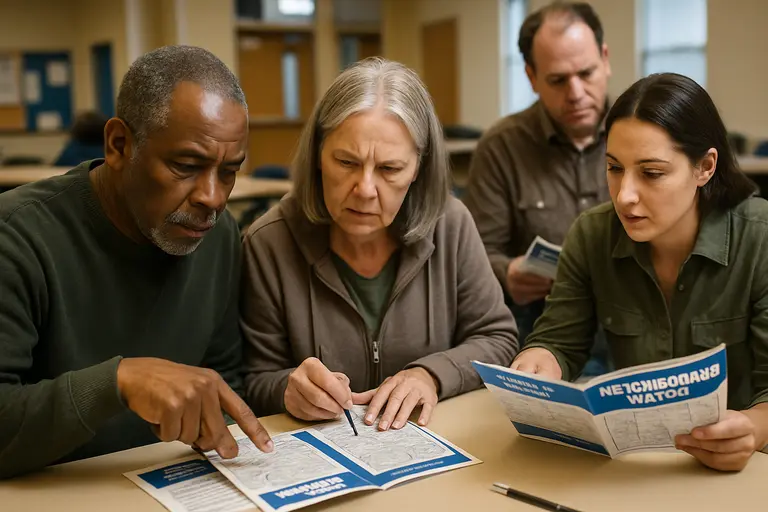
    Community volunteers organizing family resource papers on a table

    Clear Outreach Beats Last-Minute Confusion

    Schools cannot carry every family support task alone. Churches, block clubs, nonprofit programs, youth mentors, parent groups, and neighborhood service providers can help families prepare for public meetings by gathering concerns in advance, sharing meeting times accurately, and encouraging respectful participation. A community partner does not need to speak for families; it can help families speak clearly for themselves.

    Local civic networks also help keep education outreach connected to wider household needs. Groups that follow neighborhood services, family support, and education access, including initiatives like One United Michigan, can use verified district notices to point residents toward meetings and reduce confusion. The standard should be simple: share confirmed dates, name the district office or school involved, and avoid repeating claims that are not tied to an official notice.

    A Practical Preparation Checklist

    Families and outreach teams can use the September meeting dates as preparation deadlines. The most useful comments are usually specific, documented, and connected to a clear request. A caregiver who says, “I need help understanding the evaluation timeline for my student,” gives staff a clearer path than a broad complaint. A community group that says, “Ten families asked us for enrollment help after August 24,” provides a clearer signal than a general concern about confusion.

    • Write down the issue: Include the school, date, office contacted, and what answer is still needed.
    • Bring the right question: Separate individual student needs from districtwide service concerns.
    • Confirm the meeting location and time: Use district notices before arranging rides or childcare.
    • Ask for the next step: Request the office, timeline, or staff contact responsible for follow-up.
    • Share verified updates: Community groups should correct old flyers or posts when meeting details change.

    This approach keeps public engagement useful for both families and the district. It also helps residents who may not be comfortable speaking at a meeting. Written questions, organized notes, and trusted support from community partners can make participation more accessible.

    DPSCD town halls Back-To-School Engagement Next Steps

    What Residents Should Watch After August 27

    The immediate civic path is straightforward. The August expo period and the virtual ESE meeting have passed. The September 15 Regular Board Meeting and September 23 Committee of the Whole meeting remain the two public dates identified in the provided district research after August 27, 2026. Families who still need back-to-school answers should use the time before those meetings to document concerns and contact their school first when the matter is student-specific.

    DPSCD town halls can be most effective when the community treats them as part of a service loop. The first step is school-level communication. The second step is organized family follow-up. The third step is public accountability through board or committee meetings when broader patterns appear. That sequence respects school staff time while still giving residents a public way to raise unresolved issues.

    For neighborhood outreach teams, the work after August 27 is practical: remind families of verified September dates, help caregivers prepare questions, track repeated concerns, and connect residents to district notices rather than rumors. For families, the main step is to move from general frustration to specific requests. That is how back-to-school engagement becomes useful after the first bell has already rung.

  • How South Texas Food Bank’s Six-County Flood Relief Push Shows Why Detroit Aid Groups Need Disaster-Ready Volunteer Systems

    How South Texas Food Bank’s Six-County Flood Relief Push Shows Why Detroit Aid Groups Need Disaster-Ready Volunteer Systems

    The South Texas Food Bank flood response gives Detroit churches, food pantries, neighborhood groups, and community outreach teams a clear warning: emergency aid depends on volunteer systems built before roads close, families lose food, and supply requests start moving faster than local groups can organize. In July 2026, the food bank said flooding had affected 75% of the communities in its service area, including Val Verde, Kinney, Dimmit, Maverick, Webb, and Zapata counties, with relief needs centered on food, bottled water, cleaning supplies, safe distribution, donations, and volunteers. The food bank’s official South Texas flood response page frames the situation as a regional emergency across a wide service territory.

    For Detroit aid groups, the local lesson is not limited to Texas flooding. Severe weather, basement flooding, sewer backups, extended power outages, heat waves, food-benefit disruptions, and neighborhood-level emergencies can all create sudden demand for food boxes, water, cleaning kits, wellness checks, phone calls, transportation, and verified public information. A disaster-ready volunteer system gives local groups a safer way to respond without turning good intentions into crowded donation rooms, outdated flyers, or unsafe travel.

    Why A Six-County Flood Response Matters For Detroit Aid Planning

    The South Texas Food Bank serves a large region that includes Webb, Zapata, Jim Hogg, Starr, Maverick, Dimmit, Kinney, and Val Verde counties through partner agencies and direct-service programs. When flooding reached six of those counties, the problem was not just supply volume. It became a coordination test across rural roads, damaged communities, public agencies, local partners, and families needing immediate help. Reporting from late July said the food bank’s Disaster Relief Team had reached 6,972 neighbors in three hard-hit counties, with Val Verde County totals still being finalized after access barriers required support to move through trusted local partners. The report described food, clean water, and essential supplies moving through affected communities as the response continued.

    That kind of emergency reveals a planning truth Detroit groups should take seriously. Food relief is not only about collecting cans. Disaster response needs trained volunteers, staging areas, safe routes, donation instructions, supply tracking, public-agency awareness, and trusted local contact points. A church basement, pantry storage room, parish hall, or community center can help during an emergency only if organizers already know who has keys, who can sort supplies, who can answer phones, who can check on older adults, and who should wait for official direction.

    Saint Joseph Detroit’s recent food-access coverage has already raised the need for stronger planning around local distribution, volunteer coordination, and family support. That same issue appears in Detroit food access planning, where fresh-food work depends on partners, storage, volunteers, education, and reliable delivery. Disaster relief is faster and higher pressure, yet it relies on the same foundation: people, places, supplies, and communication.

    How Flood Relief Turns Volunteers Into A Logistics Network

    The South Texas Food Bank’s disaster updates asked supporters to help through donations, volunteer work, and sharing accurate information about flood relief, food distributions, volunteer opportunities, and donation drives. The official page lists non-perishable food, bottled water, cleaning supplies, baby supplies, personal hygiene items, and monetary gifts as practical support paths, with updates tied to community needs.

    That mix matters for Detroit. After a flood, families may lose refrigerated food, need bottled water, face cleanup costs, or need gloves, trash bags, disinfecting supplies, diapers, wipes, formula, and hygiene items. A pantry that prepares only for shelf-stable food may miss urgent cleanup needs. A neighborhood group that collects cleaning supplies may miss families who need food after power loss. A church that wants to deliver supplies may need to wait until roads, basements, and buildings are safe.

    A useful disaster volunteer system separates roles before the emergency. Some volunteers can sort donations. Others can pack food boxes. Others can call families, confirm hours, share official updates, or help with transportation once conditions are safe. Some volunteers may have medical, CERT, logistics, language, or data-entry skills. Others may be best suited for pantry work, check-in tables, cleanup kit assembly, or follow-up calls.

    Volunteer System NeedEmergency RoleDetroit Planning Question
    Role AssignmentsKeeps volunteers from crowding the same taskWho sorts, calls, drives, tracks, stages, and cleans?
    Safe Deployment RulesPrevents travel into flooded or unsafe areasWho decides when volunteers can leave the site?
    Supply StagingTurns donations into usable food, water, and cleanup kitsWhere will items be sorted before distribution?
    Partner ContactsConnects churches, pantries, city agencies, and local nonprofitsWhich trusted sites can receive or move supplies?
    Follow-Up TrackingRecords needs that remain after first contactWho checks whether families still need help two days later?

    Detroit groups can build this table into a simple emergency worksheet. The goal is not bureaucracy. The goal is to prevent confusion when residents are already under stress.

    Why Detroit Groups Need Training Before The Emergency

    Detroit has public preparedness resources that community groups can use before disaster demand grows. The City of Detroit’s Emergency Management and Homeland Security training page points residents toward disaster preparedness resources for professional and volunteer emergency management communities, including training designed to improve public awareness and preparation. The city’s emergency volunteer training page gives outreach groups a stronger starting point than informal guessing.

    The city also lists Community Emergency Response Team, or CERT, volunteering as a way for residents to learn disaster preparedness. CERT is useful because it creates a bridge between official emergency management and residents who want to help their neighborhoods more safely. Detroit groups do not need every volunteer to complete formal training, but each group should know which volunteers are trained, which are able to handle logistics, and which should be assigned lower-risk support roles.

    Michigan’s disaster volunteer needs are not theoretical. In April 2026, the American Red Cross in Michigan said it had an urgent need for volunteers to support disaster relief operations across more than 50 communities affected by flooding and storms, including work connected to damage assessment and relief-supply distribution. The Red Cross Michigan disaster volunteers notice shows how quickly a statewide storm response can require trained people, not just donated items.

    Detroit churches and neighborhood organizations can use that lesson by creating tiers of volunteers. A first tier may include people with CERT, Red Cross, medical, logistics, or emergency-management experience. A second tier may include food pantry, supply sorting, transportation, and phone-bank volunteers. A third tier may include communications, prayer-line, resident check-in, childcare-area, and follow-up helpers. During a crisis, coordinators can activate the correct tier instead of asking every willing person to show up at once.

    How Food, Water, Cleaning Supplies, And Information Work Together

    Flood relief usually does not move in one straight line. A family may need bottled water on day one, food on day two, cleaning supplies after the water recedes, help documenting damage, and referrals for housing, insurance, utility, or public-assistance questions later. The South Texas Food Bank’s official disaster page tells residents to follow local emergency management officials, local news, and trusted community sources for safety, road, and resource updates.

    Detroit aid groups should make verified information part of relief planning. A volunteer who shares the wrong pantry hours can send a family across town for nothing. A donation flyer that stays online after a site closes can overwhelm the wrong location. A rumor about supplies can create lines at a place with no capacity. In an emergency, information control is a service.

    Each outreach group should assign one person to verify details before public posts go out. That person can check city updates, pantry hours, partner requests, drop-off rules, and volunteer assignments. No group should share road, safety, shelter, or emergency claims from rumor channels when official sources are available.

    Detroit’s own experience with flooding and sewer backups makes that discipline valuable. The Detroit Area Disaster Recovery Group describes itself as a volunteer-based, community-led organization formed around flooding and sewer backups, with work tied to groundwater flooding, sewer backup, toxic mold, and frequent power outages. Its Detroit disaster recovery focus shows why local groups need disaster systems before damage affects families at the block or basement level.

    Why Regional Food Networks Need Local Partners

    Large food banks can move huge volumes of supplies, but local partners often decide whether families receive help quickly. During the South Texas response, access challenges meant some deliveries had to move through trusted local partners rather than a direct route from the food bank to every affected household. That same pattern can apply in Detroit after flooding, outages, or food-benefit interruptions.

    Forgotten Harvest’s food-finder page lists more than 200 agencies across Metro Detroit offering emergency food assistance through mobile pantries, brick-and-mortar pantries, shelters, and soup kitchens. The organization asks residents to call ahead to confirm hours and requirements, which is especially relevant during emergencies when service times can change. The Metro Detroit food assistance network shows how many local doors may be involved when families need urgent help.

    That network is an asset, but only if community groups know how to use it responsibly. A church should know which nearby pantry is open on which day. A neighborhood group should know which food bank partners require appointments, ID, residency details, or pantry cards. A volunteer team should know whether a site accepts walk-ins or only scheduled clients. A social-media post should direct residents to confirmed information, not stale assumptions.

    For Detroit aid groups, disaster planning should include a partner map. The map does not need to be public. It can be a shared worksheet listing pantries, churches, community centers, city resources, senior sites, youth programs, transportation helpers, supply-storage rooms, and trained volunteer leads. When a crisis arrives, that list can save hours.

    What A Disaster-Ready Detroit Volunteer Calendar Could Include

    A disaster-ready system should be built across the year. Winter may focus on warming resources, utility help, and senior check-ins. Spring and summer may focus on flooding, heat relief, food access, and cleaning-supply readiness. Fall can be used to update contact lists, train new volunteers, and review what worked during the summer.

    Detroit groups can create a simple annual rhythm:

    • January To March: Update emergency contacts, identify seniors and families needing check-ins, review warming and utility resources.
    • April To June: Train volunteers, inspect storage areas, prepare flood and cleanup kit plans, confirm pantry partners.
    • July To September: Monitor heat and storm updates, review transportation options, keep bottled water and hygiene referrals current.
    • October To December: Review lessons, restock supplies, recruit volunteers, update communication templates.

    That kind of calendar helps small organizations stay ready without waiting for a public emergency. It also helps donors understand what is useful before a disaster. Instead of asking for random items after a storm, groups can ask for specific supplies by season.

    Why Money Can Be More Useful Than Random Supplies

    One lesson from regional flood relief is that cash donations can be more flexible than unplanned supply drives. The South Texas Food Bank’s disaster page directs supporters to make monetary donations for emergency relief and lists several needed categories, including food, water, cleaning supplies, baby supplies, and hygiene items.

    Detroit groups should explain this clearly to supporters. Donated goods can help when they match real needs and can be sorted safely. Random donations can create extra labor, storage pressure, and waste. Money can allow an organization to buy what families need most that week, such as bottled water, gloves, bleach, diapers, shelf-stable food, gas cards, or cleanup supplies.

    A good emergency donation message should answer four questions: what is needed, where it should go, when it is accepted, and whether cash is preferred. It should also say what is not needed. That prevents a pantry or church hall from being filled with unusable items.

    What Detroit Aid Groups Should Build Before The Next Emergency

    The South Texas Food Bank’s six-county flood relief push shows that disaster response is a system, not a spontaneous act. Food, water, supplies, money, volunteers, local partners, official information, and safe transportation all need to work together. When they do, families can receive help faster. When they do not, volunteers can become overwhelmed and residents can receive mixed messages.

    Detroit aid groups can start small. They can list volunteer roles, identify trained helpers, confirm local pantry partners, prepare supply-staging space, assign one information verifier, create a phone-check team, and save official city emergency links. They can ask which families may need home check-ins, which volunteers have vehicles, and which sites can safely host distribution if a storm or outage disrupts normal routines.

    The goal is not to replace emergency management or large food banks. The goal is to make local groups more useful inside the wider response. Churches, block clubs, food pantries, and neighborhood nonprofits have trust that larger systems may not always have. That trust becomes stronger when it is paired with preparation.

    South Texas’ flood response is a reminder that emergencies move quickly across counties, roads, homes, and supply networks. Detroit outreach groups should use that lesson now, before the next heavy rain, outage, heat wave, or food-disruption alert turns planning into triage.

  • Why Phoenix Community Farm’s 26,000 Pounds Of Donated Produce Matters For Detroit Food Access Planning

    Why Phoenix Community Farm’s 26,000 Pounds Of Donated Produce Matters For Detroit Food Access Planning

    Phoenix Community Farm’s plan to host its annual garden party fundraiser on July 23, 2026, at 7 p.m. at Windover High School in Midland, Michigan, gives Detroit outreach groups a useful food-access lesson: donated produce works best when it is tied to volunteers, education, farmstand access, and reliable distribution partners. The farm donated more than 26,000 pounds of produce last year, and proceeds from the July 23 fundraiser are intended to support volunteer coordination, educational work, farm technology, seeds, and soil enrichment.

    For Detroit churches, neighborhood groups, food pantries, and family-service programs, the lesson is not that every community needs a farm. The stronger point is that fresh-food support requires planning beyond one-time food boxes. Families need produce that is accessible, culturally useful, safely stored, distributed through trusted partners, and connected to practical education on growing, preparing, and preserving food.

    Why A Midland Farm Story Matters For Detroit Food Access

    Phoenix Community Farm is based in Midland, but its model speaks to a challenge Detroit groups know well: emergency food can meet immediate need, while fresh produce requires a deeper system. A pantry can hand out shelf-stable items quickly, but vegetables, fruit, herbs, and prepared produce often depend on growing capacity, cold storage, transportation, volunteer labor, and families knowing how to use what they receive.

    The Midland farm’s July fundraiser is built around that wider system. Its official site promotes the July 23 event with garden tours, food, music, cocktails, sponsors, and donations supporting its mission to meet the basic need for nutritious food and education. That structure shows how food access can become a community event, a donor campaign, an education program, and a volunteer pipeline at the same time.

    Detroit already has major hunger-relief organizations moving food at large scale. Forgotten Harvest says it delivers 144,000 pounds of surplus food per day to local charities five days a week, providing fresh and nutritious food free of charge to families in need. That scale shows why fresh-food logistics matter across Metro Detroit, from large food rescue systems to smaller neighborhood distribution sites.

    For Saint Joseph Detroit’s audience, the Phoenix Community Farm example connects with the same youth and neighborhood-service questions raised in prior coverage of Detroit youth safe spaces. Food access, youth programming, safe community spaces, and volunteer coordination often overlap because the same families may need meals, summer activities, transportation support, and trusted adults in the same season.

    How Produce Donations Need More Than A Harvest

    The figure that stands out is 26,000 pounds of donated produce, but the number only matters if the produce reaches families in usable form. Fresh vegetables can spoil quickly. Farm harvests may come in waves. Families may need recipes, storage tips, or familiar preparation ideas. Distribution partners may need a schedule before volunteers arrive with boxes of food.

    Phoenix Community Farm’s approach appears to treat produce as part of a broader local food system. The July 20 report says the farm operates a greenhouse for year-round production, runs community farmstands with a pay-what-you-can model, and partners with Hidden Harvest and United Way’s ReGrow Together program to distribute produce and prepared meals. The farm also works with Windover High School and Head Start Preschool, which gives the project a youth education and family-support role beyond the harvest.

    Detroit groups can adapt that thinking at a neighborhood scale. A church pantry may not grow food, but it can partner with urban gardeners, food rescue groups, school gardens, community fridges, or mobile pantries. A youth program may not run a farmstand, but it can teach students how to wash, store, cook, or share produce. A volunteer team may not control supply, but it can coordinate pickup, sorting, delivery, and follow-up.

    The planning question is simple: what happens after the food arrives? If the answer is unclear, produce can become stressful for volunteers and families. If the answer is planned, fresh food can strengthen health, dignity, and trust.

    What Detroit’s Food Network Shows About Fresh-Food Logistics

    Detroit has a large and active food-support network, but the need for coordination remains clear. In November 2025, the City of Detroit launched an interactive food pantry map during a SNAP-related disruption. The city said the map listed 85 verified food pantry locations at launch and was expected to reach about 100 verified sites by the next day. Residents could search by council district or distance and view pantry names, addresses, phone numbers, and hours.

    That city map shows why local service information must be organized. If families cannot find accurate pantry hours, transportation details, or available food types, food access becomes harder even when supplies exist. Fresh produce adds another layer because availability can change quickly based on season, weather, donation timing, cold storage, and volunteer capacity.

    Gleaners Community Food Bank of Southeastern Michigan describes its food assistance programs as distributing millions of pounds of free, nutritious food through partner pantries, soup kitchens, shelters, senior centers, and other agencies. It also operates community and school mobile distributions across Southeast Michigan with fresh produce, lean proteins, dairy, and pantry staples for neighbors facing hunger.

    That model matters for Detroit outreach groups because it shows fresh food is not a side issue. It is part of how hunger-relief organizations try to move beyond calories alone. Families need enough food, but they also need food that supports daily meals, children’s routines, older adults’ needs, and household health.

    Food Access NeedWhat Phoenix Community Farm ShowsDetroit Planning Question
    Fresh ProduceDonation volume needs growing, harvesting, and distribution systemsWhich local partners can supply or move fresh food?
    Volunteer CoordinationThe farm’s fundraiser supports volunteer systems, not only suppliesWho recruits, trains, schedules, and follows up with volunteers?
    EducationThe farm links food access with agricultural and community educationCan families learn how to store, prepare, or grow produce?
    Year-Round PlanningThe greenhouse supports production beyond one seasonWhat happens when summer donations slow down?
    Family AccessPay-what-you-can farmstands reduce cost barriersCan Detroit groups lower cost and transportation barriers?

    Why Gardens, Schools, And Youth Programs Belong In Food Planning

    Phoenix Community Farm’s partnerships with Windover High School and Head Start Preschool point to a broader lesson: food access can be part of education. When young people learn how food grows, how produce is prepared, and how community distribution works, they are not only receiving help. They are gaining practical knowledge that can carry into their families and neighborhoods.

    Detroit already has local infrastructure for that kind of learning. Keep Growing Detroit describes its Garden Resource Program as a citywide network of family, community, school, and market gardens across Detroit, Highland Park, and Hamtramck. The program helps gardeners become part of a shared effort to grow healthy food, care for land, and build community connection.

    Michigan Public recently described Keep Growing Detroit as serving more than 3,000 family, school, and community gardens in Detroit, Hamtramck, and Highland Park from its Eastern Market district base, with educational support, compost, tools, seeds, and seedlings for Garden Resource Program members.

    That matters for Saint Joseph Detroit because youth work and food access can be planned together. A summer youth program can include garden visits, cooking demonstrations, food-packing volunteer hours, or produce distribution support. A church garden can become a family education site. A school partnership can connect children with fresh food before hunger shows up as a classroom problem.

    Food access planning becomes stronger when it does not treat children as only recipients. Students can help plant, harvest, sort, cook, compost, and communicate. Those roles can build responsibility and connection while still respecting family privacy and avoiding exploitative service imagery.

    How Pay-What-You-Can Models Can Support Dignity

    The pay-what-you-can farmstand model in Midland is especially useful for Detroit groups because it shows a way to lower cost barriers without turning every food interaction into a crisis intake. Families may need help but still want choice. They may want to contribute something when they can. They may prefer a community stand to a formal assistance line.

    That dignity-centered design matters. A pantry line can be necessary, but it can also feel stressful. A farmstand, mobile market, garden pickup, or produce table can give families more choice and less stigma when designed well. Detroit groups should ask whether their food distribution setup allows residents to choose items, ask questions privately, and leave with information on future support.

    The model does not have to be complicated. A church could host a seasonal produce table with donations from local gardeners. A youth program could partner with a community garden for weekly vegetable pickup. A pantry could add recipe cards or short preparation tips to unfamiliar produce. A neighborhood group could coordinate “take what you need, give what you can” produce days when donations are available.

    The key is accuracy and consistency. Families should know when produce is available, where to go, what to bring, and whether supplies are limited. Volunteers should know how to handle food safely, answer basic questions, and direct families to other resources without guessing.

    Why Detroit Groups Should Track Produce, Not Just Pantry Visits

    Many food programs track households served, boxes distributed, or volunteer hours. Those metrics are useful, but Phoenix Community Farm’s produce total shows the value of tracking fresh-food output too. Pounds of produce can help donors understand impact, help volunteers see progress, and help organizers decide whether growing, storage, or distribution capacity needs to change.

    Phoenix Community Farm’s donation page says the farm has donated more than 132,575 pounds of fresh healthy produce to people in need in Midland since its founding in 2018, adding that each pound is about five servings of vegetables and that the farm has donated more than 500,000 servings.

    Detroit organizations can use similar tracking at smaller scales. A church garden might record pounds harvested each week. A pantry might track how many fresh-food boxes included produce. A youth program might record how many families attended a cooking demonstration. A neighborhood farmstand might track which items moved quickly and which required recipes or education.

    Tracking should not become paperwork for its own sake. It should answer useful questions: Are families receiving fresh food consistently? Are volunteers handling produce safely? Are certain neighborhoods underserved? Are families asking for more cooking support? Are distribution hours working for people without cars?

    What Detroit Food Access Planners Should Watch Next

    Phoenix Community Farm’s 26,000-pound produce milestone matters because it shows that fresh-food access is built through repeated systems: growing, fundraising, educating, recruiting, transporting, distributing, and listening. Detroit has major food banks, urban garden networks, city food pantry tools, and neighborhood service groups. The challenge is helping those pieces work together in a way families can understand and use.

    For Saint Joseph Detroit’s audience, the next step is local coordination. A church, youth group, pantry, or neighborhood association can ask which role it can play. Some groups may grow food. Some may host a pickup site. Some may recruit volunteers. Some may teach cooking skills. Some may help families find the nearest verified pantry. Some may connect youth programs with gardens and food-service projects.

    The Midland example is timely because its July 23 fundraiser supports the quiet infrastructure behind food access: seeds, soil, technology, education, and volunteer coordination. Those needs are easy to overlook when the public sees only a harvest number. Detroit outreach groups should pay attention to the hidden work because that is where food access either strengthens or breaks down.

    Fresh produce is not only a donation. It is a planning commitment. It needs land, labor, storage, partners, transportation, education, and dignity. Phoenix Community Farm’s 26,000 pounds of donated produce shows how much can happen when those pieces are connected. Detroit groups can use that lesson to make local food access more practical before the next surge in need.

  • Why SHARE Detroit’s 549 Nonprofits And 378 Volunteer Opportunities Matter For Local Service Coordination

    Why SHARE Detroit’s 549 Nonprofits And 378 Volunteer Opportunities Matter For Local Service Coordination

    SHARE Detroit’s current platform count — 549 nonprofits, 378 volunteer opportunities, and 154 upcoming events — gives Detroit residents, churches, neighborhood groups, and workplace teams a clearer way to connect service interest with real local needs. For a city where outreach often depends on timing, transportation, trust, and follow-up, those numbers matter because they show a large service network that can be searched, filtered, and used for practical coordination rather than scattered word-of-mouth.

    The platform describes itself as a way to help people find and fund nonprofits, explore volunteer roles, attend events, and support causes across Metro Detroit. For Saint Joseph Detroit’s audience, the local value is direct: a parish group, family, student team, company volunteer committee, or neighborhood organizer can use SHARE Detroit to identify where help is needed, what kind of service is available, and which nonprofit is already leading the work. The site’s current nonprofit and opportunity totals are listed on the SHARE Detroit nonprofit platform, which positions the database around giving, volunteering, events, and local nonprofit discovery.

    Why A Larger Volunteer Database Changes Local Outreach

    A volunteer network becomes more useful when residents can move from general goodwill to a specific action. SHARE Detroit’s count of 549 nonprofits gives local organizers a broad map of causes, service areas, and organizations that may need support. The 378 volunteer opportunities listed on the platform give that map a practical next step.

    That distinction matters in Detroit because many people want to help but do not know where to begin. A resident may care about food access but not know which pantry needs weekday help. A workplace team may want a group service day but need a project that can accommodate several people at once. A church committee may want to support family services, animal welfare, neighborhood cleanup, literacy, senior care, or youth programs, but each category requires different scheduling and training.

    The best local service coordination does not start with a vague call for volunteers. It starts with matching the right people to the right task. SHARE Detroit’s searchable structure can help reduce that friction because users can look for nonprofits, volunteer opportunities, events, and giving options in one place.

    That same coordination issue connects with Saint Joseph Detroit’s own focus on building partnerships between local organizations and volunteers. The site’s prior coverage of community support networks fits this topic because effective outreach depends on making roles, timing, and responsibilities clear before volunteers arrive.

    How SHARE Detroit Helps Residents Match Time, Skills, And Cause

    Volunteer coordination works best when the volunteer role matches the person’s available time, skills, and comfort level. SHARE Detroit’s volunteer page includes listings that identify the nonprofit, location, schedule, type of opportunity, whether groups are a fit, and other project details. That type of structure can help residents avoid two common problems: signing up for a role they cannot sustain or arriving for a project without knowing what is expected.

    SHARE Detroit’s own volunteer guidance encourages several types of engagement. In a February 19, 2026 post by Karen Boyd, SHARE Detroit described group volunteering, individual volunteer searches by date or cause, skills-based projects such as finance, writing, or marketing support, and board service as different ways to help local organizations. The post gives residents and teams a more realistic view of service because not every useful volunteer role is a one-day cleanup or donation drive. Some nonprofits need event support, some need recurring help, and others need professional skills that can strengthen operations behind the scenes. The post is available through SHARE Detroit’s group volunteer opportunities page.

    For Detroit families, students, retirees, young professionals, and faith communities, that flexibility matters. A person with a few hours on a Saturday may be a strong fit for an event. Someone with grant writing, bookkeeping, design, communications, tutoring, translation, or logistics experience may help a nonprofit solve a capacity problem that is less visible but still urgent.

    Local organizations benefit when volunteers arrive prepared. A clear opportunity listing can explain whether the work is indoors or outdoors, whether groups are accepted, whether training is needed, and how long the shift lasts. Those details help nonprofits reduce last-minute confusion and help volunteers make a serious commitment.

    What The Numbers Mean For Detroit Service Planning

    The current SHARE Detroit totals are more than a platform snapshot. They show the scale of Metro Detroit’s nonprofit and volunteer ecosystem. When hundreds of nonprofits and opportunities are visible in one place, local leaders can plan outreach with better awareness of what already exists.

    SHARE Detroit Platform CountLocal Coordination ValueWhy It Matters For Detroit Groups
    549 NonprofitsShows the size of the local service networkHelps residents and groups find organizations by cause or need
    378 Volunteer OpportunitiesTurns goodwill into scheduled serviceHelps match volunteers to real roles with timing and expectations
    154 Upcoming EventsGives residents time-based ways to engageHelps families, churches, and companies plan around specific dates
    Donation And Giving OptionsSupports nonprofits beyond volunteer hoursHelps residents contribute even when they cannot serve in person
    Cause-Based DiscoveryOrganizes service by interest areaHelps groups avoid duplicating work already led by local nonprofits

    For Saint Joseph Detroit’s readers, the practical point is that a large database can help local groups coordinate instead of competing for attention. If a neighborhood group wants to organize a service day, it can look for existing nonprofits that need help rather than creating a one-time project from scratch. If a parish ministry wants to support families, seniors, housing stability, or food access, it can identify organizations already working in those spaces and ask how to support them responsibly.

    The City of Detroit also maintains volunteer information through Serve Detroit, which points residents toward city-connected service efforts and local programs. Its volunteer page lists opportunities such as SisterFriends, a support effort for pregnant moms and families through a child’s first birthday. That public-service layer gives residents another local entry point alongside nonprofit platforms such as SHARE Detroit. Detroit residents can review the city’s volunteer information when they want city-connected service options.

    The strongest service plan may use both kinds of sources. SHARE Detroit can help residents discover nonprofit-led opportunities across Metro Detroit. City volunteer pages can connect residents with public-service initiatives. Churches and community groups can help people choose realistic roles, arrange transportation, and follow up after the first shift.

    Why Nonprofits Need Better Coordination, Not Just More Volunteers

    A high number of volunteer opportunities does not automatically mean local needs are being met. Nonprofits still need volunteers who show up on time, understand the assignment, respect the people being served, and follow through after signing up. For that reason, service coordination is as important as recruitment.

    Detroit nonprofits often manage limited staff time. A volunteer who arrives prepared can increase capacity. A volunteer who arrives without reading instructions can create more work for the organization. Platforms such as SHARE Detroit help by making opportunity details visible before a person commits, but local groups still have a role in preparing volunteers before they enter a service space.

    Faith communities and neighborhood groups can add value by helping people ask better questions before they serve. Is the role one-time or recurring? Is it appropriate for children or families? Does it require lifting, driving, training, background checks, or specific skills? Is the nonprofit asking for volunteers, donations, event support, board members, or professional expertise?

    That preparation protects both sides. Volunteers avoid overcommitting. Nonprofits avoid mismatched expectations. Residents receiving support are treated with more consistency and care.

    Local reporting on volunteer access has made a similar point. Outlier Media’s Detroit volunteer guide quoted Karly Moore, SHARE Detroit’s Director of Nonprofit and Community Impact, advising prospective volunteers to focus on organizations tied to causes they care about and to consider how often they want to volunteer, whether they want hands-on or remote work, and whether they want to use professional expertise. That guidance appears in Outlier’s Detroit volunteer guide, and it is useful for local groups that want volunteers to make thoughtful commitments.

    How Churches, Families, And Workplaces Can Use SHARE Detroit

    The best use of SHARE Detroit is not just browsing. Local groups can turn the platform into a planning tool. A church committee can choose one monthly opportunity to promote. A family can look for events that fit age, timing, and transportation needs. A company can search for group-friendly roles before setting a service day. A student group can identify recurring opportunities that fit school schedules.

    For Saint Joseph Detroit’s audience, this can become a practical outreach rhythm. A volunteer coordinator could review SHARE Detroit once a month, identify a few credible opportunities, confirm details with the nonprofit, and share only the roles that match the group’s capacity. That approach is better than sending residents into a long database without guidance.

    Local service planning should also avoid treating all volunteer work as interchangeable. A food distribution shift, a tutoring role, a board committee, a neighborhood cleanup, and a fundraising event all require different preparation. The person who is excellent at event check-in may not be the right fit for a long-term mentoring role. The person with limited mobility may still offer strong remote administrative help, phone banking, writing, design, or donor support.

    SHARE Detroit’s value is that it helps make those distinctions visible. The large number of nonprofits and opportunities can look overwhelming at first, but a local coordinator can turn that scale into a manageable shortlist.

    What Local Service Coordinators Should Watch Next

    The next step for Detroit service groups is to treat SHARE Detroit’s numbers as a coordination signal. With 549 nonprofits and 378 volunteer opportunities listed, the region does not lack organizations doing work. The challenge is helping residents, churches, families, students, companies, and neighborhood teams connect with the right work at the right time.

    For Saint Joseph Detroit, the topic fits squarely in Community Outreach because the central issue is partnership. A strong outreach network does not need every group to create a new program. It needs trusted local groups to help residents find existing programs, prepare for service, and sustain relationships with nonprofits that already know the community.

    That is why SHARE Detroit’s current platform totals matter. They show that Metro Detroit has a wide service infrastructure, but that infrastructure becomes more useful when local coordinators translate it into clear next steps. For a resident, that may mean choosing one volunteer shift. For a church group, it may mean adopting one nonprofit partner for a season. For a workplace, it may mean matching employee skills with a project that needs more than a headcount.

    Local service coordination is strongest when it is specific: which nonprofit, which date, which role, which skills, which location, and which follow-up. SHARE Detroit gives Detroit-area residents a place to begin that process. Community groups can make it more effective by helping people move from interest to action.

  • Bridging The Gap: How The $20M Brennan Community Center Is Reshaping Youth Development In District 7

    Bridging The Gap: How The $20M Brennan Community Center Is Reshaping Youth Development In District 7

    The Historical Context Of Recreation In Cody Rouge

    City leaders and residents gathered at Rouge Park on June 25, 2026, to break ground on a highly anticipated infrastructure project. District 7 has operated for years without a dedicated indoor community center. This structural gap left thousands of families in the Cody Rouge neighborhood with limited options for year-round recreation and youth programming.

    Brennan Pools served as the primary seasonal gathering spot since 1929. A pool cannot sustain neighborhood engagement during the long Michigan winters. The seasonal nature of outdoor recreation limits the scope of mentorship and public health interventions. Medical professionals recognize that continuous, year-round access to safe public spaces correlates directly with lower rates of juvenile conflict and improved mental health outcomes.

    The city required a permanent structural solution to meet these demographic needs. Municipal planners and private investors identified the land adjacent to Brennan Pool as the optimal site for new construction.

    Analyzing The Major Financial Investment

    Large-scale municipal projects require significant capital backing. Detroit Pistons owner Tom Gores committed $20 million through his Family Foundation to fund the construction. This financial injection bypasses the typical delays associated with municipal budget constraints. The project moves directly from the planning phase into active construction.

    The blueprint outlines a 25,000-square-foot facility. This represents a massive increase in usable civic space for the west side of Detroit. The financial commitment extends beyond the physical building materials. The funding model includes allocations for future operational costs and programmatic resources.

    Organizers recognize that an empty building provides little civic value. The financial structure guarantees the center will open with fully funded activities, staff, and maintenance protocols in place.

    Strategic Facility Design And Community Programming Needs

    Architects designed the Brennan Community Center based on direct input from the people who live in the surrounding blocks. The city and project stakeholders held multiple engagement sessions starting in 2022 to gather resident feedback. This participatory approach ensures the physical space matches the actual requirements of the local population.

    The building layout prioritizes flexibility and multi-generational use. Planners discarded single-use room concepts in favor of adaptable environments.

    Facility FeatureIntended Community Function
    Multi-Use Sports CourtsYear-round athletic leagues and physical wellness programs
    Flexible Programming RoomsMentorship sessions, financial literacy, and workforce training
    Commercial Kitchen SpaceFamily gatherings, community classes, and nutritional education

    The focus areas identified by residents extend far beyond simple recreation. They asked for life skills training and direct avenues for career advancement. The physical layout accommodates these requests directly.

    Building Cross-Sector Partnerships For Civic Growth

    The Brennan Community Center represents a clear shift in how Detroit handles neighborhood revitalization. The project relies on a cooperative model connecting the City of Detroit Parks and Recreation Department, private equity, and residents.

    Mayor Mary Sheffield emphasized during the groundbreaking that strong civic spaces require this exact type of collaboration. Government agencies manage the land and long-term integration. Private donors provide the immediate capital to accelerate the timeline. Local organizations supply the volunteers and the operational trust required to bring people through the doors.

    This model relieves the tax burden on city residents. It simultaneously creates a blueprint for future infrastructure upgrades across other neglected districts. Detroit aims to replicate this funding structure for future civic projects.

    Addressing Structural Access Gaps In District 7

    Physical distance creates the largest barrier to public health and educational resources. Teenagers in Cody Rouge previously had to travel across multiple transit zones to find an open gymnasium or a quiet study hall during the winter. Removing this logistical hurdle changes the daily routine for an entire demographic.

    Providing safe, predictable environments serves as a core component of Detroit community support services. A teenager needs a reliable place to go after the school day ends. The new facility will offer consistent operating hours and professional supervision.

    The design integrates heavily with existing Rouge Park community initiatives. The indoor center creates a central anchor point for the 1,184-acre park. It turns a seasonal destination into a permanent neighborhood asset.

    Looking Ahead To The Fall 2027 Opening

    Heavy machinery now occupies the northern edge of Rouge Park along Plymouth Road. The construction schedule dictates a projected opening in the fall of 2027.

    The adjacent Brennan Pool will remain closed during the 2026 summer season to accommodate the heavy equipment and ensure public safety. City officials directed residents to alternative indoor and outdoor pools across the city to bridge this temporary gap.

    The short-term inconvenience of a closed pool leads directly to a massive long-term gain. The Brennan Community Center will serve thousands of residents annually upon completion. It provides young people with clear avenues for skill development. It gives seniors a modern space to stay active. It gives the Cody Rouge neighborhood the civic anchor it has deserved for decades.

    The start of construction moves the project from a set of architectural renderings into a physical reality. The city expects the framework of the building to take shape before the first winter freeze. Detroit is actively reshaping its urban landscape to prioritize the people who live within it.

  • Advancing Youth Programs To Counteract Summer Violence In Detroit

    Advancing Youth Programs To Counteract Summer Violence In Detroit

    The Shift In Neighborhood Dynamics During Summer Months

    The final school bell rings in June. Thousands of Detroit teenagers lose their primary source of structured daily activity. The sudden surplus of unsupervised time creates clear vulnerabilities across urban districts. Medical professionals and sociologists view spikes in seasonal crime not as a failure of law enforcement, but as a severe gap in public resources.

    Direct intervention requires physical spaces where young adults can gather safely. Idle time correlates heavily with increased neighborhood conflicts. The Centers for Disease Control and Prevention guidelines on violence prevention point directly to structured recreational environments as a primary deterrent. Communities lacking accessible parks, open gymnasiums, and mentorship programs see higher rates of juvenile altercations.

    Municipal planners face a strict timeline to address these logistical gaps before July. Traditional daytime summer camps serve younger children effectively. Teenagers and young adults require entirely different engagement models. They need late-night programming, peer-to-peer competition, and environments that respect their growing independence. Recognizing this demographic reality completely changes how a city allocates its summer budget.

    Mayor Mary Sheffield’s Six-Point Community Safety Plan

    Detroit launched a comprehensive community safety strategy in 2026. Mayor Mary Sheffield outlined six core focus areas. The strategy bypasses heavy-handed policing tactics. It prioritizes neighborhood action, preventive resources, and youth engagement. The administration recognizes that strong communities police themselves when given the proper tools and funding.

    The six-point framework addresses systemic issues directly. City officials distribute free gun locks to families. Department heads walk through targeted neighborhoods to identify broken streetlights and blighted properties requiring immediate repair. The city collaborates with local businesses to upgrade their exterior lighting and safety protocols.

    The most prominent pillar of this strategy focuses entirely on the younger demographic. The city launched the “Occupy the Summer” initiative. This ten-week series of activities builds upon the successful “Occupy the Corner” movement Mayor Sheffield championed during her time on the City Council. The 2026 rollout represents a massive scaling of municipal ambition. Over 1,500 teenagers registered for the events before the mid-June kickoff.

    Late-Night Recreation And Midnight Basketball Leagues

    Recreation centers historically closed their doors just as neighborhood activity peaked. The 2026 safety plan corrects this operational flaw. Nine municipal facilities now operate with extended hours. Locations including Crowell, Farwell, Helen Moore, and the Butzel Family Center remain open until 11:00 PM on Wednesdays, Thursdays, and Saturdays.

    Extended hours require dedicated programming to keep attendees engaged. The return of Late Night Basketball serves as the main draw for young adults ages 16 through 30. These leagues provide highly structured competition paired with direct mentorship. Participants receive free uniforms and have access to on-site wraparound services. The games give young men and women a reliable, positive outlet during the most critical weekend hours.

    The municipal sports leagues operate across three primary regional hubs. Officials designated overflow sites to handle the massive registration numbers.

    League Region Primary Facility Operational Focus
    East Detroit Heilmann Recreation Center Men’s and Women’s structured league play
    West Detroit Adams Butzel Recreation Center Mentorship and mid-season tournament games
    Southwest Detroit Kemeny Recreation Center Community engagement and wraparound services

    Organizers treat these basketball games as direct public health interventions. Creating a reliable schedule builds trust between the city and its younger residents. The predictable presence of mentors, coaches, and local leaders establishes a strong community safety net.

    Grassroots Partnerships And Private Sector Support

    A ten-week citywide activation requires massive financial backing. Government budgets cover the baseline facility operations. Private donations and non-profit partnerships elevate the experience for the attendees. The mid-June kickoff event at the Adams Butzel Recreation Center proved the effectiveness of cross-sector collaboration.

    The launch event featured live entertainment and family-friendly attractions. The most impactful moment occurred when organizers distributed 700 free bicycles to youth aged 18 and under. Private entities like the Sterling Group and Amazon provided the funding for this massive giveaway. A bicycle offers more than recreation. It provides independent transportation. Teenagers use these bikes to commute to summer jobs, visit friends in neighboring districts, and attend late-night events safely.

    Community coalitions handle the logistical heavy lifting. Organizations operating under the United Way for Southeastern Michigan umbrella provide volunteers, specialized training, and logistical support. These groups ensure the Friday neighborhood activations run smoothly. Every Friday evening, a different City Council district hosts a massive block party featuring local vendors, city resource tables, and cultural programming.

    Integrating Mentorship And Conflict Resolution

    Keeping a teenager busy solves only part of the equation. Equipping them with emotional regulation tools creates lasting behavioral changes. The 2026 summer initiative embeds conflict resolution specialists directly into the recreation centers. These professionals train facility staff to identify signs of distress and de-escalate arguments before they turn physical.

    We must evaluate how trauma impacts urban populations. Young adults carrying unresolved trauma react poorly to perceived disrespect. Incorporating mental health professionals into these sports leagues changes the underlying dynamic. These experts operate casually from the sidelines. They build organic relationships with the players between games.

    This approach mirrors other successful local models. Programs focused on advancing mental health and trauma support for local youth prove that casual, non-clinical interventions work best. A teenager will talk to a trusted basketball coach long before they schedule an appointment with a licensed therapist. The city leverages these existing relationships to deliver subtle but powerful psychological support.

    Tracking The Data And Measuring Neighborhood Impact

    The Sheffield administration insists on rigid accountability for these summer programs. Throwing money at a problem without tracking the outcome wastes taxpayer resources. The city monitors specific metrics to justify the extended recreation center hours and the massive staffing requirements.

    Data collection happens weekly. Police dispatchers track the volume of noise complaints and curfew violations in the neighborhoods surrounding the active recreation centers. A drop in these nuisance calls indicates the teenagers are safely inside the gymnasiums instead of gathering on street corners.

    Monitored Metric Data Collection Method Target Outcome for Summer 2026
    Curfew Violations Police dispatch logs Measurable decrease on weekend nights
    Program Attendance Registration check-ins Sustained participation through August
    Unsupervised Gatherings Resident complaint calls Total elimination of “teen takeover” events

    Addressing Transportation And Accessibility Barriers

    Proximity determines participation. A state-of-the-art basketball facility provides zero value to a teenager living five miles away without a car. Detroit confronts severe logistical barriers regarding public transit. The distribution of 700 bicycles solved a small fraction of the mobility crisis. The administration must implement broader transit solutions to guarantee equitable access to these summer programs.

    Planners mapped the nine participating recreation centers against current bus routes. They identified dead zones where teenagers would have to walk through multiple industrial corridors to reach a safe gym. The city is piloting specialized shuttle services on Friday nights. These shuttles run continuous loops between high-density housing projects and the primary recreation hubs.

    Removing the transit barrier aligns directly with broader public health goals. A teenager should never have to choose between staying home in an isolated environment or risking a dangerous walk across the city at night. The Office of Juvenile Justice and Delinquency Prevention emphasizes that safe passage programs drastically reduce the likelihood of a minor becoming a victim of random street violence. Detroit applies this federal guidance directly to its neighborhood operations.

    Empowering Youth Through Direct Civic Engagement

    The most successful aspect of the 2026 rollout involves the planning process itself. Adults sitting in conference rooms often misunderstand what teenagers actually want. The “Occupy the Summer” schedule reflects direct input from the target demographic. High school students participated in focus groups months before the June launch.

    These teenage advisors requested specific activities. They asked for e-sports tournaments, music production workshops, and late-night skate events. The city listened. The July 10th Skate Night with Royal Skateland at Corrigan Park originated directly from these youth councils. Giving young adults a voice in municipal planning builds profound civic pride.

    When teenagers help design a program, they protect it. They recruit their peers. They enforce basic rules of respect within the facility. This peer-to-peer accountability holds far more weight than any rule posted by a building manager. Detroit is not just keeping kids busy. The city is actively training the next generation of community leaders. The courts, the parks, and the recreation centers belong entirely to them.

  • Empowering Our Youth: How Detroit’s ‘Occupy the Summer’ is Creating Safe Neighborhood Spaces

    Empowering Our Youth: How Detroit’s ‘Occupy the Summer’ is Creating Safe Neighborhood Spaces

    Have you ever considered what happens when a city shifts its focus from policing youth to actively engaging them in safe, structured environments?

    For years, major urban centers have grappled with finding productive outlets for teenagers during the long summer months. Here in Detroit, the narrative is officially changing.

    Instead of merely reacting to unauthorized gatherings or the rising trend of isolated disruptions, local leadership is stepping up to provide viable, attractive alternatives.

    On June 12, 2026, the city took a definitive step forward with the launch of the Occupy the Summer initiative.

    Kicking off at the Adams Butzel Recreation Center, this ambitious program is redefining how we support our youngest residents. It proves that when we invest in our neighborhoods, we cultivate a stronger, safer, and more united community.

    Moving Beyond the Reactive Narrative

    Our youth have consistently asked for more safe spaces, recreational options, and fun activities when school is out. We have to listen to their needs.

    Historically, the absence of accessible programming has left young people to create their own entertainment. Sometimes, this leads to chaotic situations that lack adult guidance, mentorship, or structured support.

    Rather than relying solely on enforcement, Detroit is building a proactive foundation of engagement. This strategy recognizes that boredom and a lack of neighborhood resources are the root causes of many community challenges.

    By prioritizing proactive engagement, we are addressing public safety from a holistic, compassionate perspective. This approach aligns perfectly with our ongoing efforts to expand youth mental health and trauma support across our local communities.

    When we create environments where teenagers feel valued, we inherently reduce the friction that leads to neighborhood disruptions. It is about empowering our youth with resources to improve their quality of life.

    The Core Pillars of Occupy the Summer

    The launch of Occupy the Summer was not just a symbolic gesture; it was backed by tangible resources and massive community participation.

    More than 1,500 young people registered for the activities, demonstrating a profound hunger for structured neighborhood programming.

    To meet this demand, the initiative deployed several major interventions designed to keep kids active, connected, and safe.

    The strategy relies heavily on maximizing the utility of existing city infrastructure and transforming it into vibrant community hubs.

    InitiativeLocation / ScopeCommunity Impact
    Free Bicycle DistributionAdams Butzel Recreation CenterDistributed 700+ bikes to provide youth with independent transportation and healthy recreation.
    Extended Recreation Hours9 City LocationsFacilities remain open until 11 p.m. on Wednesdays, Thursdays, and Saturdays, offering a safe late-night haven.
    Late Night BasketballEast, West, and Southwest DetroitEngages 16–30-year-olds with structured play, consistent mentorship, and vital wraparound support services.

    Strengthening Neighborhoods Through Strategic Partnerships

    A citywide initiative of this magnitude cannot survive on civic goodwill alone. It requires robust logistical and financial support.

    The success of the launch event highlighted the incredible power of local and corporate collaboration.

    Sponsors like the Sterling Group, Amazon, and Ally provided the necessary funding to make the massive bike giveaway possible. Local businesses, such as Mike’s Garage, also stepped in to supply bicycles and donate skateboards.

    These partnerships signify a shared understanding that corporate social responsibility must extend directly into our neighborhoods.

    When private entities and public offices collaborate, the impact on our community is exponential. We see this not just in the donation of goods, but in the sustained commitment to neighborhood revitalization.

    Furthermore, integrating effective youth engagement strategies requires continuous cooperation between local artists, athletes, and entertainers.

    By bringing in recognizable figures—like Detroit rapper Skilla Baby for the kickoff—the program ensures that the spaces remain culturally relevant and highly attractive to local teens.

    The Role of Accessible Programming in Public Safety

    Public safety is intrinsically linked to community opportunity. We cannot effectively police our way out of systemic underinvestment.

    Occupy the Summer is explicitly framed as a major component of a broader six-point community safety plan.

    By extending the operating hours of nine recreation centers until 11 p.m., the city is directly targeting the hours when youth are most vulnerable to finding themselves in unsafe situations.

    These facilities offer more than just a place to hang out. They are intentionally designed to serve as entry points for critical neighborhood resources.

    The inaugural Late Night Basketball League, for instance, goes far beyond sports. With 135 players receiving free jerseys at the launch, it establishes a vital sense of belonging and pride.

    The league intentionally targets young adults ages 16 to 30, a demographic that is often overlooked in traditional summer programming. By pairing competitive sports with wraparound services, the city is actively working to dismantle barriers to employment and emotional support.

    Mentorship programs, conflict resolution workshops, and these late-night leagues provide structured environments where young adults can build relationships with positive role models.

    This model of engagement is essential for violence prevention. It replaces idle time with skill-building, teamwork, and community integration.

    Building a Sustainable Framework for the Future

    The current 10-week summer program is a blueprint for year-round community investment.

    Every Friday, rotating activations across different City Council districts will bring the energy and resources directly to the neighborhoods that need them most.

    These rotating block parties ensure that transportation barriers do not prevent families from accessing summer fun. Whether it is a Juneteenth celebration, a community skate night, or a local arts and culture festival, the programming is tailored to reflect the unique identity of each district.

    These events function as mobile resource centers. They connect families with city services, local vendors, and cultural programming right in their own backyards.

    This hyper-local approach is exactly what it takes to rebuild trust and foster deep, lasting neighborhood connections.

    Occupy the Summer proves that our youth are ready to participate in positive, empowering activities when given the chance.

    It is now up to us—the residents, leaders, and advocates of Detroit—to ensure these safe spaces remain funded, accessible, and vibrant for generations to come.

  • How Community Partnerships Strengthen Local Support Systems

    How Community Partnerships Strengthen Local Support Systems

    Local support systems rarely grow from one organization acting alone. They become stronger when churches, schools, nonprofits, civic leaders, volunteers, and families begin working from the same map. A food pantry may meet an immediate need. A school may identify families under pressure. A church may provide trusted space. A nonprofit may bring program experience. When those pieces connect, the community receives more than scattered help. It receives a network.

    That is why community partnerships matter so much for local outreach. They help organizations move beyond one-time service and toward long-term stability, shared responsibility, and deeper trust. For faith-based organizations, this kind of collaboration also reflects a practical expression of service: seeing the whole person, not just the visible need.

    Strong partnerships do not erase the identity of each organization. They make each partner more useful. A church can remain a church. A school can remain a school. A nonprofit can remain focused on its mission. But when they coordinate, they reduce gaps, avoid duplicated work, and help families find support before small challenges become emergencies.

    Why Local Support Systems Need More Than Good Intentions

    Good intentions are important, but they are not enough to build a dependable support system. Communities need structure. They need communication. They need shared goals. Without those elements, even generous outreach efforts can become fragmented.

    Imagine three organizations trying to help the same neighborhood. One hosts a clothing drive. Another offers tutoring. A third provides emergency grocery assistance. Each effort is valuable. But if those groups never speak with one another, families may miss services, volunteers may be underused, and leaders may never see the full pattern of need.

    Partnerships help turn isolated efforts into coordinated care. They allow organizations to ask better questions. Who is already serving this group? Where are families falling through the cracks? Which needs are seasonal, and which are ongoing? What resources exist nearby but remain disconnected?

    This kind of coordination is especially important for churches and faith-based organizations. Many people turn to trusted local institutions first when they are facing financial stress, educational challenges, grief, housing insecurity, or family pressure. When those institutions are connected to a wider support network, they can respond with wisdom instead of guesswork.

    That is the difference between activity and impact. Activity says, “We hosted an event.” Impact asks, “Did the right people receive the right help at the right time?”

    The Power Of Shared Trust

    Trust is one of the most valuable assets in community work. It cannot be rushed, purchased, or announced into existence. It grows when people see organizations keeping promises, listening carefully, and showing up consistently.

    Churches often have deep trust within their communities because they are present through many seasons of life. Schools build trust through daily contact with children and families. Nonprofits build trust by delivering specialized services. Local businesses build trust by investing in the places where they operate.

    When these groups partner well, they share more than resources. They share credibility.

    For example, a family may feel more comfortable attending a financial literacy workshop if it is hosted at a familiar church. A school may be able to reach more parents if a local nonprofit helps with translation, transportation, or childcare. A nonprofit may gain stronger volunteer support when faith communities help spread the word.

    This is why community support networks are so important. They allow local organizations to build a bridge between need and action. Instead of asking residents to navigate a confusing system alone, partnerships create warmer pathways into help.

    The strongest partnerships are not built on publicity. They are built on respect. Each partner understands what the others bring, and no one treats collaboration as a way to control the whole effort.

    What Strong Partnerships Actually Look Like

    Not every partnership needs to be large or complicated. In many cases, the most effective collaborations are simple, focused, and consistent.

    A church might offer space for after-school tutoring while a local educator designs the learning plan. A nonprofit might train volunteers while a neighborhood group recruits families. A school might identify student needs while a local business donates supplies. A health organization might provide screenings during a community workshop hosted by a faith-based group.

    The key is alignment. Partners should know the purpose, the audience, the responsibilities, and the expected outcome before the work begins.

    Partnership TypeHow It Strengthens Local Support
    Churches and schoolsConnect families with tutoring, mentoring, supplies, and trusted support
    Nonprofits and volunteersExpand service capacity while improving organization and training
    Local businesses and charitiesProvide funding, supplies, visibility, and workplace giving opportunities
    Civic groups and faith organizationsImprove outreach, communication, and neighborhood-level coordination

    The best partnerships also include clear communication. That means regular check-ins, honest updates, and a willingness to adjust when something is not working. A partnership that never evaluates itself can become busy without becoming effective.

    Strong collaboration also respects the dignity of the people being served. Community members should not be treated as projects. They should be treated as neighbors, contributors, and voices in the process.

    Lessons From Tribal-State Cooperation

    Community partnerships are not limited to churches and nonprofits. Larger public systems also show why cooperation matters. In Oklahoma, discussions around strong Tribal–state partnerships highlight how collaboration between governments can affect education, economic development, public policy, and long-term community well-being.

    The lesson applies beyond Oklahoma. When institutions work with one another instead of around one another, the public benefit grows. That principle matters at every level, from state policy to neighborhood outreach.

    Tribal Nations, local governments, schools, churches, and nonprofits all understand something important: communities are interconnected. A decision in one area can affect families in another. Education affects workforce opportunity. Health affects school attendance. Transportation affects access to food, work, and worship. Economic stability affects family stress.

    Local support systems become stronger when leaders recognize those connections. A church organizing a school supply drive may also learn that families need transportation help. A nonprofit running a food program may discover that seniors need social connection. A volunteer group helping with home repairs may uncover deeper needs around safety, disability access, or caregiver support.

    Partnerships help organizations respond to the whole picture. They make it easier to connect dots that one group might miss alone.

    How Churches Can Build Better Community Partnerships

    Churches and faith-based organizations do not need to wait for a perfect opportunity to begin. A strong partnership can start with one conversation.

    The first step is listening. Before launching a new program, leaders should talk with school staff, nonprofit directors, neighborhood leaders, parents, and volunteers. What needs are they seeing? Which services already exist? Where is there duplication? Where is there a gap?

    The second step is choosing focus. No organization can solve every problem. A church may decide to focus on youth mentoring, food support, caregiver encouragement, educational workshops, or volunteer mobilization. A clear focus makes it easier to choose the right partners.

    The third step is defining roles. Confusion can weaken even a well-intentioned collaboration. Partners should know who manages communication, who recruits volunteers, who tracks attendance, who provides supplies, and who follows up with families.

    A simple partnership plan should answer:

    • Who are we serving?
    • What need are we addressing?
    • What will each partner contribute?
    • How will we measure progress?
    • How will we protect trust and dignity?

    The final step is consistency. One event can be helpful, but repeated support builds reliability. Families are more likely to engage when they know a program will continue, volunteers are more likely to commit when expectations are clear, and partners are more likely to invest when they see steady results.

    Measuring The Strength Of A Partnership

    Community partnerships should feel compassionate, but they also need practical measurement. This does not mean reducing people to numbers. It means paying attention to whether the work is actually helping.

    A church or nonprofit might track how many families attended a workshop, how many students received school supplies, how many volunteers returned for another project, or how many partner referrals led to real assistance. These numbers can reveal whether a program is reaching people effectively.

    Still, the best measurement combines data with stories. A rising attendance number matters. But so does the parent who says a tutoring program helped their child regain confidence. A volunteer count matters. But so does the retiree who found purpose through weekly service. A donation total matters. But so does the family that avoided a crisis because support arrived at the right moment.

    Strong partnerships create visible and invisible outcomes. They improve services, but they also build trust. They solve immediate problems, but they also strengthen the community’s ability to respond next time.

    That is why the goal should not be partnership for its own sake. The goal should be better care, stronger relationships, and more resilient neighborhoods.

    A Stronger Community Is Built Together

    Local support systems become stronger when organizations stop asking, “What can we do alone?” and start asking, “What can we build together?”

    For churches, this shift is deeply practical. Partnership allows faith communities to serve more wisely, reach more people, and connect compassion with structure. It also reminds the wider community that support is not only about programs. It is about relationships.

    A strong partnership can help a child receive tutoring, a parent find encouragement, a senior feel less isolated, or a family discover support before a crisis deepens. Those outcomes may begin with a meeting, a shared calendar, a volunteer sign-up sheet, or a simple conversation between leaders who care about the same neighborhood.

    When churches, nonprofits, schools, civic groups, and local residents work together, support becomes easier to find and harder to break. That is how communities grow stronger: not through one organization carrying every burden, but through many hands carrying the work with purpose.

  • 5 Creative Fundraising Ideas for Local Causes

    5 Creative Fundraising Ideas for Local Causes

    Have you ever noticed how the most successful neighborhood fundraising events do more than just collect donations? They actively improve the daily lives of the participants involved.

    As professionals evaluating public health data, we see a direct link between community funding and localized well-being. Sustainable charity models replace traditional fatigue-inducing bake sales with initiatives that offer immediate value to the donor.

    We know financial health and physical health run on parallel tracks. Building a reliable funding base requires thinking beyond standard requests for cash.

    You must offer your neighbors an exchange of real value that addresses their immediate concerns. This approach turns passive donors into active participants in their own community’s success.

    The most effective strategies blend financial collection with direct community action.

    Structuring Campaigns Around Public Health

    Our first two strategies center on physical activity and preventative care. A community step-challenge replaces the traditional static gala. Participants secure pledges based on the number of miles they walk over a 30-day period.

    This model forces individuals to increase cardiovascular activity, lowering local health risks. Collecting funds tied to physical milestones creates strict accountability for everyone involved.

    The second concept features a preventative care pledge drive. Local organizations partner with neighborhood clinics to offer discounted wellness screenings.

    Donors contribute to a general fund that subsidizes these check-ups for uninsured neighbors. This strategy addresses immediate health disparities without requiring massive overhead costs.

    Integrating financial goals with health objectives creates a compelling narrative. We see a clear correlation in community health improvement models that utilize localized funding to lower chronic disease rates.

    People donate more frequently upon seeing their money keep neighbors out of the emergency room. It shifts the messaging from charity to mutual survival.

    Applying this strategy alongside building local volunteer networks multiplies your reach. Your volunteers become the primary advocates for these health-based funding drives.

    Leveraging Local Business Partnerships

    Our third concept focuses on corporate wellness matching programs. Many mid-sized companies search for ways to improve employee health metrics to lower their insurance premiums.

    You can approach local business owners with a mutually beneficial proposal. The company agrees to match donations raised by their employees, provided those employees participate in a local wellness event.

    This structure gives the business a favorable tax deduction and a healthier workforce. Your local cause gains access to a concentrated pool of recurring funds.

    Clear tracking systems are necessary to present this idea to business owners. They demand exact data showing how their participation translates into community value.

    Partnership BenefitBusiness AdvantageCommunity Cause Advantage
    Employee ParticipationBetter team cohesion and wellnessLarger and more active donor base
    Financial MatchingFavorable corporate tax deductionsDoubled revenue streams
    Public RelationsVisible local investmentIncreased media exposure

    Presenting this table to a local manager changes the conversation entirely. You move from asking for a handout to offering a strategic local partnership.

    Tracking these business initiatives is standard practice for modern nonprofits. Current standards published by the National Council of Nonprofits outline the exact compliance steps needed for these joint ventures.

    Driving Engagement With Skill-Based Workshops

    Our fourth approach involves hosting skill-based community workshops. You sell knowledge that protects your neighborhood instead of selling physical goods.

    Partner with certified professionals to teach CPR, basic first aid, or nutritional cooking classes. Attendees pay a modest registration fee that goes entirely to your local cause.

    This provides high-value, actionable education that attendees can apply in their daily lives. The perceived value of learning a life-saving skill far outweighs the cost of a standard donation ticket.

    You directly increase the health literacy of your demographic. Communities with higher health literacy report fewer preventable hospital admissions.

    Instructors often volunteer their time for the exposure, keeping your operational costs near zero. You keep full control of the generated revenue.

    Combining these educational events with targeted digital outreach efforts fills your registration lists quickly. Online advertising reaches the families most likely to benefit from this training.

    This model scales easily across different neighborhoods and varying demographics. You can swap out the workshop topic based on the specific seasonal needs of your area.

    Measuring Financial And Social Returns

    Our fifth concept centers on creating a localized micro-grant funding pool. You gather a large group of community members who agree to donate a small, fixed amount each month.

    Once a quarter, the entire group votes on which local health or safety project receives the accumulated funds. This democratic process keeps donors deeply invested in the outcome of their money.

    It creates a continuous loop of funding and immediate, visible impact. You must publish clear quarterly reports showing exactly how the money was deployed.

    Transparency drives retention in recurring donation models. People renew their monthly commitment right after seeing a new community garden or a funded health clinic.

    Tracking both the dollars raised and the social outcomes achieved provides a complete picture of your success. This dual-metric approach aligns with modern philanthropic impact investing standards used by major foundations.

    Clear metrics allow you to adjust your strategies based on hard evidence. Your organization becomes a trusted entity capable of driving real change in your city.