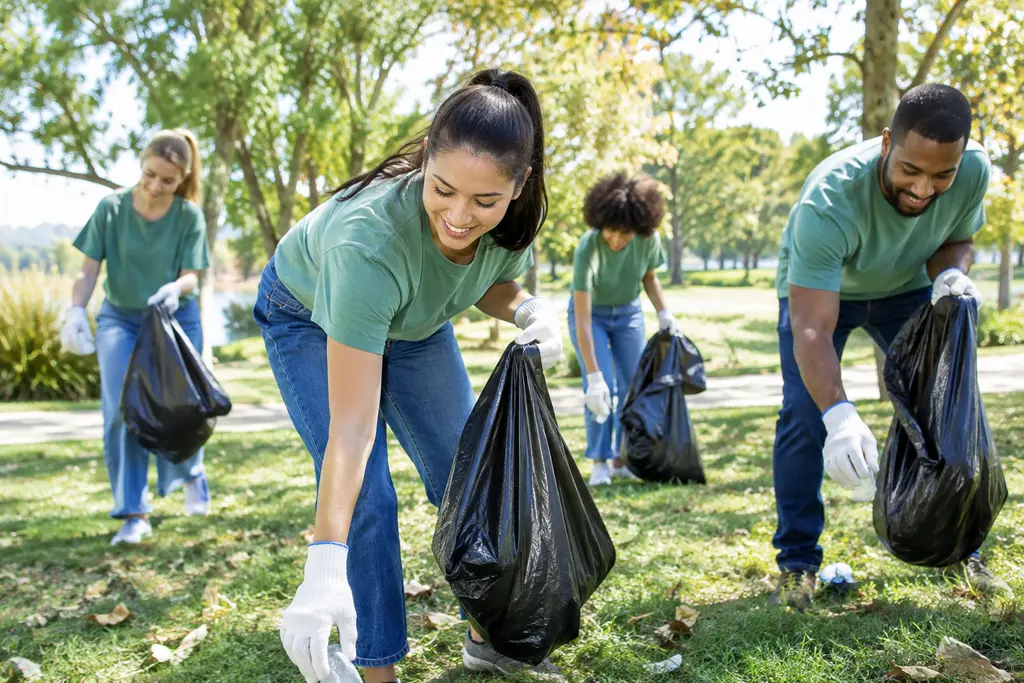
Cleanup Grant Applications matter because small neighborhood cleanups are producing measurable public results, and several funding windows were still active as of November 3, 2026. Local groups, schools, civic clubs, faith communities, chambers, and block volunteers can use current grant cycles to pay for cleanup supplies, education, signage, debris removal, restoration, and public-space care. The immediate civic step is clear: confirm which deadlines are still open, gather proof from past cleanups, and assign one person to track reporting requirements before an application is submitted.
Why Cleanup Grant Applications Need Local Proof
Everyday Champions Turn Service Into Measurable Results
Volunteer cleanup work is often described as simple public service, but the strongest evidence shows it can move large amounts of waste out of public spaces. In Massachusetts, the 2025 COASTSWEEP annual cleanup reported 3,287 volunteers, nearly 47,500 pounds of trash removed, more than 200 shoreline sites cleaned, and more than 156 miles of coast covered, according to the state’s 2025 COASTSWEEP summary. Those numbers give local organizers a useful model: count people, weigh or estimate debris, map the area served, and record what changed.
Seattle’s Adopt-A-Street work offers another public-service example. Seattle Public Utilities reported 498 cleanups, 2,888 new volunteers, and 258,540 pounds of litter collected during 2024, with cleanups up 23% year over year, according to the city’s Clean City report. For local applicants, the lesson is practical. Funders can better understand a project when a group can show how many residents helped, what sites were served, and what public benefit followed.
Cleanup Grant Applications are stronger when they show that volunteers are already organized. A proposal that says “we want to clean a park” is less persuasive than one that explains where the litter is, who will participate, what supplies are needed, how safety will be handled, and how results will be reported after the project. Everyday Champions cleanups can become a record of local readiness, not just a one-day event.
Grant Deadlines Still Active After November 3, 2026
Open And Near-Term Grant Windows
Several grant dates in the research require careful timing because today is November 3, 2026. The Ohio EPA Community and Litter Grants application period was listed as September 14 through November 6, 2026, with awards to be issued April 1, 2027. That means Ohio applicants had only three days remaining as of November 3, 2026. The program supports outreach, education, litter collection tools and supplies, tire amnesty, household hazardous waste collection, and signage, with a 25% cash match required and projects allowed up to 24 months for completion.
| Program | Status On November 3, 2026 | Key Date | Support Named In Research |
|---|---|---|---|
| Ohio EPA Community And Litter Grants | Open | Deadline November 6, 2026 | Outreach, education, supplies, signage, collection activities |
| Keep Maryland Beautiful Grant Program | Open | Deadline December 1, 2026 | Environmental education, litter removal, citizen stewardship, tree planting, land trusts |
| EPA Brownfields MARC Grants | Open For Future Deadline | Deadline January 21, 2027 | Assessment, cleanup, reuse planning, and community involvement for brownfields |
| Keep America Beautiful 2026 Community Grants | Some Awards Still Near Deadline | Some deadlines November 6, 2026 | Cleanup of public spaces, beautification, recycling solutions, public art |
The Keep Maryland Beautiful Grant Program was listed with an application opening date of September 3, 2026, and a deadline of December 1, 2026. The research states that projects run from March 30, 2027, through February 28, 2028, and that combined funding awarded in 2026 was $205,134. Groups in Maryland should treat the December 1 deadline as a planning date, not a reminder to wait. Letters, budgets, project descriptions, site details, and partner roles take time to assemble.
Closed Or Passed Windows Still Teach Planning
Not every funding opportunity in the research was still open on November 3, 2026. Litter-Free Rhode Island Microgrants accepted applications through October 30, 2026, so that deadline had passed. The listed project completion date was December 11, 2026, and the program supported local volunteer cleanups and beautification projects, with up to $500 per project. That kind of small grant can still teach future applicants how to think: keep the scope realistic, name the work clearly, and plan reporting before the cleanup happens.
Maryland’s Outreach and Restoration Grant Program had also closed its FY27 round on September 3, 2026, with awards expected in December 2026 and the next expected round in May-June 2027. The research listed anticipated FY27 funding of more than $2.2 million and awards ranging from $50,000 to $150,000 depending on type. Because matching funds were encouraged but not required, local groups considering the next round should begin partner discussions early rather than waiting for the application opening.
How Neighborhood Groups Can Build Stronger Applications
What Cleanup Grant Applications Should Track
Cleanup Grant Applications often rise or fall on basic records. The research notes that programs may require metrics such as the number of volunteers, weight of litter or debris removed, miles covered, and photos. Those requirements are not just paperwork. They help a public agency or grant reviewer see whether a project is organized, whether it reaches the stated site, and whether the group can report results after receiving funds.
Local organizations should assign roles before they apply. One person can manage the budget, one can confirm site permissions, one can recruit volunteers, one can handle safety reminders, and one can collect data during the cleanup. If a group waits until cleanup day to count bags, identify hazards, or photograph the work area, the final report may be weaker than the project itself.
- Define The Site: Name the street, park, shoreline, alley, school area, or public space that will be cleaned.
- Set A Volunteer Plan: Estimate how many people are needed and how they will be assigned.
- Build A Supply Budget: Include gloves, bags, grabbers, safety vests, signage, disposal, and education materials if eligible.
- Plan The Report: Decide how debris weight, volunteer hours, photos, and miles covered will be recorded.
- Confirm The Deadline: Match the project schedule to the grant’s application date, award date, and completion date.
For groups that are new to public funding, the same readiness habits apply across civic projects. The site’s coverage of urban food access grants shows why residents and outreach groups benefit from preparing documents before deadlines arrive. Cleanup funding works the same way: the strongest proposal usually starts before the application form opens.
Partnerships That Make Cleanup Funding Work
Local Outreach Helps Projects Last Beyond One Day
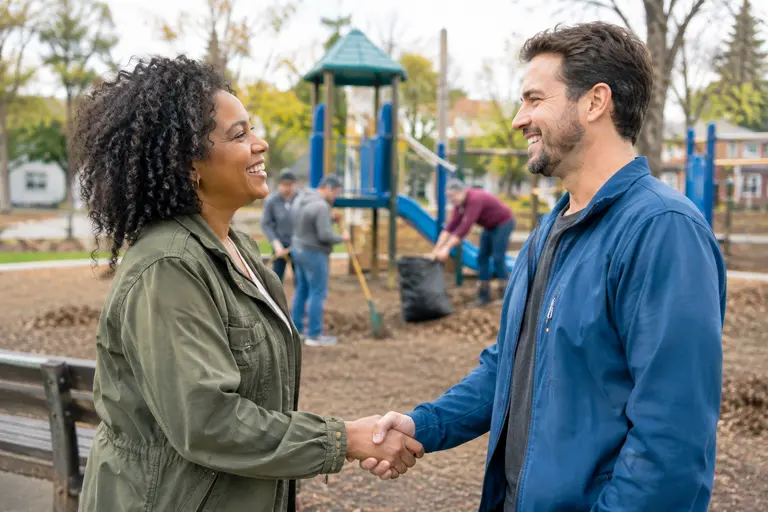
Everyday Champions cleanups are most useful when they connect residents with public agencies, schools, business corridors, faith groups, and civic partners. A single cleanup can remove litter for a day. A funded project can also add education, signage, volunteer training, safer reporting, and repeat service dates if the grant allows those costs. That is why applicants should not treat Cleanup Grant Applications as paperwork separated from community outreach.
Chambers and business associations can help publicize volunteer dates, identify affected commercial corridors, and connect applicants with employers willing to supply volunteers or materials. For those interested in further exploring regional business collaborations, the Richland Chamber offers valuable insights, particularly for cleanup projects that rely on partnerships between residents and local businesses.
Partnerships also protect volunteers from confusion. Before a cleanup, organizers should confirm where collected debris will go, whether a public works department must be notified, whether hazardous materials should be left for trained crews, and whether any site permissions are needed. The research supports the need to track outcomes, but local safety rules and disposal rules should always come from the responsible public agency for the site being cleaned.
Cleanup Grant Applications And Everyday Champions
Cleanup Grant Applications give Everyday Champions a way to turn local concern into funded, measurable action. The 2025 Massachusetts shoreline results and Seattle’s 2024 Adopt-A-Street results show that volunteer cleanups can produce large public benefits when people, supplies, and reporting systems are organized. The grant dates in the research show that timing is just as important as enthusiasm.
As of November 3, 2026, groups connected to Ohio EPA and some Keep America Beautiful deadlines needed to act by November 6, 2026. Maryland groups had until December 1, 2026, for the Keep Maryland Beautiful Grant Program. Brownfields applicants had until January 21, 2027, for EPA MARC grant applications. Rhode Island’s October 30, 2026, microgrant deadline and Maryland’s September 3, 2026, Outreach and Restoration deadline had already passed, but both remain useful planning examples for future cycles.
The practical next step is to choose one site, one deadline, and one reporting plan. A group that can show where it will work, who will help, what supplies are needed, and how results will be documented is in a better position to apply. Cleanups begin with neighbors willing to pick up litter. Public funding helps those neighbors build a repeatable civic system that leaves streets, shorelines, parks, and shared spaces better cared for.