
The Detroit Home Repair effort changed on September 8, 2026, when Mayor Mary Sheffield issued an Executive Directive making home repair a major city priority and naming Heather Zygmontowicz as Senior Advisor on Home Repair. The City of Detroit said the directive established the Citywide Home Repair Task Force as the coordinating body for city agencies, nonprofits, funders, and repair partners working across Detroit neighborhoods Detroit home repair directive.
For homeowners, the practical change is not a single new repair crew arriving at every address. The city’s stated shift is coordination: aligning programs, sharing data, reducing duplication, and building a longer-term repair strategy. That matters because Detroit’s repair needs are large, homes are often older, and many families need help with roof leaks, heat, plumbing, electrical hazards, and accessibility work before small defects become displacement risks.
What Detroit Home Repair Coordination Changes
Detroit Home Repair Task Force Role
The Citywide Home Repair Task Force, or CHRTF, is intended to bring together dozens of repair providers, funders, and city departments. Based on the city’s announcement, the task force is not framed as a stand-alone application office. It is a citywide coordination structure. That distinction is helpful for residents and outreach workers: homeowners should still watch for specific program application periods, while community organizations should expect more emphasis on shared intake, data, referrals, and program alignment.
In support services work, coordination often sounds abstract until a family is facing a leaking roof or unsafe wiring. A homeowner may qualify for one program but need a repair that another partner funds. A senior may need help gathering documents before an application deadline. A household with a disability may need access modifications, but also plumbing or heat repairs. A task force can help if it makes those handoffs clearer and reduces the need for residents to repeat the same story to multiple offices.
What Coordination Can Mean At The Doorstep
For neighborhood groups, block clubs, churches, and housing counselors, the near-term work is to explain what has changed without promising repairs the city has not promised. The task force gives Detroit a higher-level repair priority and a named senior advisor. It does not remove eligibility rules, funding limits, inspection needs, or application windows. Clear outreach should say that city coordination has increased, while individual repair assistance still depends on program rules and available funds.
Saint Joseph Detroit has also covered related local steps in Detroit repair coordination, which connects the task force announcement with resident preparation. For community partners, the useful approach is steady: help homeowners identify urgent hazards, gather ownership and income documents, check property tax status, and track the next verified city notice.
What Homeowners Could Expect From Programs
Closed Application Window And Records
The city’s fall Critical Home Repair Program application window opened on September 9, 2026 at 8 a.m. and closed on September 22, 2026 at 5 p.m., according to City of Detroit application materials cited in the research for this report. Because today is October 5, 2026, that application period has already ended. Residents should not treat that window as open. Homeowners who applied should keep confirmation records, copies of submitted documents, and any city communication in one place.
The same city materials said the Critical Home Repair Program could provide free repairs for urgent problems such as leaking roofs, nonfunctional furnaces, electrical hazards, plumbing issues, and access modifications. Qualifications included owning and living in the home, being current on property taxes or enrolled in a payment plan, meeting income limits, and having in the household a child under 18, a senior age 62 or older, or a person with a disability.
Those rules show why document readiness is a community outreach issue. Many homeowners do not start with a neat folder of deeds, tax paperwork, income records, disability documentation, and contractor notes. A support team can help residents prepare before the next window appears, without claiming that future funding or dates have been announced.
- Ownership And Occupancy: Keep deed, mortgage, or other ownership records available, along with proof that the owner lives at the property.
- Tax Status: Save property tax payment records or payment plan documentation if applicable.
- Household Eligibility: Keep records related to income, age, disability status, or children in the household where required by a program.
- Repair Evidence: Take clear notes on roof leaks, heat failure, plumbing problems, access barriers, or electrical concerns, and save any inspection or contractor documents.
Repair Priorities Residents Should Track
The city’s repair materials identify the most urgent categories as problems that affect safety, basic habitability, heat, water, and access. Residents should treat those categories differently from cosmetic updates. A leaking roof can lead to interior damage. Failed plumbing can affect sanitation. Unsafe wiring can create fire risk. Lack of heat can make a home unsafe during cold weather. Access modifications can determine whether a resident can remain safely in the home.
For Detroit Home Repair outreach, the best message is practical and calm: list the health and safety issue first, document when it began, note whether it affects a senior, child, or person with a disability, and keep records together. If another application window opens, that preparation can reduce delays.
Why Repair Needs Remain Larger Than Funding
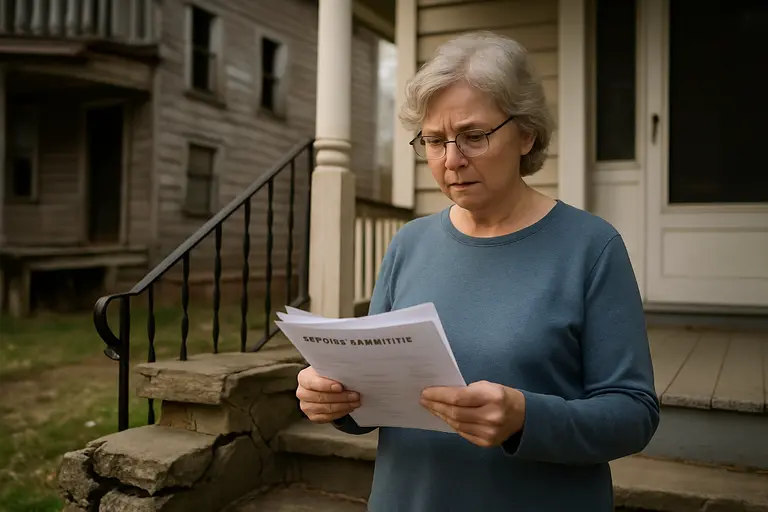
Older Homes And Safety Needs
Detroit’s home repair need did not appear suddenly in September. The research for this report cites the CHRTF 2024 Home Repair Census, which said more than 30 organizations completed 3,058 home repair interventions in 2024 with more than $63 million in grants, loans, and related funding. The same research says that work reached neighborhoods where most Detroit residents live, while roof repair, plumbing, and HVAC were among the most common interventions.
The city’s repair materials also reported that nearly 97% of homes entering the Detroit Home Repair Fund failed to meet basic survivability standards because of hazards such as roof leaks, failed plumbing, lack of heat, or unsafe wiring. Those findings help explain why a coordinated task force matters. A home with several serious defects may not be fully stabilized through one limited repair grant. Partners need a way to identify the highest-risk needs and connect residents to the right program at the right time.
Housing age adds pressure. Research notes from city materials say more than 90% of Detroit homes were built before 1979, and the average home in the related repair data is nearly 100 years old. Older housing can be an asset for neighborhood stability, but it often requires major systems work. Roofs, furnaces, plumbing, wiring, porches, and accessibility features can all become expensive barriers for owners on fixed or limited incomes.
The Funding Gap Residents Should Understand
Outlier Media reported that the CHRTF estimate for major repair needs in Detroit exceeds $1 billion, while available funding remains short of that level Detroit repair funding gap. That figure should guide expectations. The new task force can improve coordination and priority-setting, but it does not mean every eligible household will receive every needed repair immediately.
For homeowners, that gap makes early preparation more valuable. For community organizations, it points to the need for honest resident education. People should know that applications may be competitive, documents may be reviewed, repairs may be prioritized by urgency, and some needs may require referrals beyond one city program. Clear expectations can prevent frustration and help residents stay connected to legitimate assistance rather than unreliable offers.
Repair work also connects to broader neighborhood stability. A home that remains safe and livable can help an older adult age in place, keep a child in the same school routine, and reduce pressure on emergency housing systems. Groups that work with homeowners, tenants, food programs, disability services, and senior outreach should treat repair referrals as part of a wider safety net. Civic and business partners in other communities, including the Richland Chamber, serve as a reminder that local networks often play a crucial role in assisting residents and small organizations in finding the appropriate support resources.
What Detroit Home Repair Means For Homeowners
Practical Steps After The Task Force Launch
The next civic step is preparation, not panic. Homeowners who missed the September 2026 application window should not assume they are out of options forever, but they should wait for verified city notices before acting on a new deadline. They can use the time now to organize documents, take photos of urgent conditions, record repair dates, and ask trusted housing counselors or community groups for help understanding eligibility rules.
Community outreach teams can support residents by hosting document-readiness sessions, explaining tax payment plan requirements, helping seniors sort paperwork, and warning residents against unverified contractors or unofficial application claims. They can also keep a referral sheet with city repair programs, nonprofit repair partners, weatherization resources, disability access supports, and emergency service contacts. The sheet should be updated only from verified sources.
Detroit Home Repair is now a stated city priority with a task force structure, a senior advisor, and a public focus on coordination. Homeowners can expect more attention to how repair programs work together, but they should also expect eligibility rules, limited funds, and scheduled application periods to continue shaping access. The most useful response is local and practical: document the need, prepare the paperwork, track verified city updates, and connect residents with trusted support before the next repair window opens.