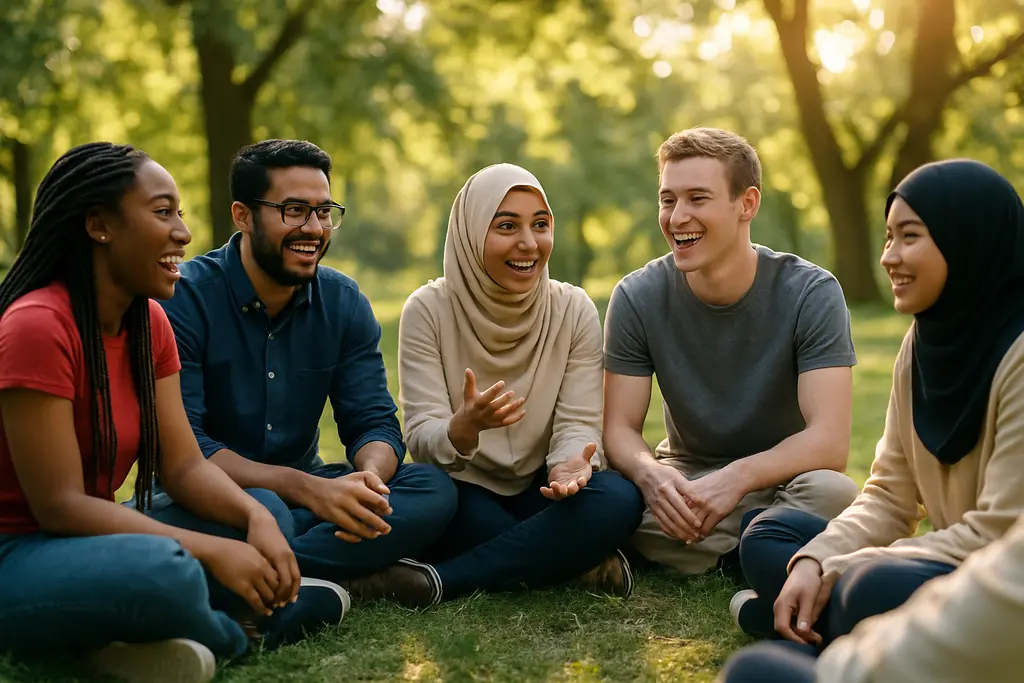
Religious Diversity Journeys gave Metro Detroit seventh-graders a structured way to learn about local faith communities through site visits during the 2025-26 school year. Berkley Schools reported that the InterFaith Leadership Council of Metropolitan Detroit operates the enrichment program for seventh-grade students, who visit houses of worship and cultural centers during the school year to learn firsthand about major world religions, according to the district’s program account.
The civic value is practical: schools, families, houses of worship, and community organizations receive a tested model for respectful contact across religious traditions. The program does not ask students to debate doctrine or speak for every person in a faith community. Based on Berkley Schools’ description, it places students in local settings where they can see worship spaces, ask questions in an educational setting, and connect classroom learning with real community relationships.
How Religious Diversity Journeys Worked In Berkley
Religious Diversity Journeys And Student Choice
Berkley Schools reported that about 25 seventh-graders from AMS, two teachers, and parent chaperones participated during the 2025-26 school year. The district said the program was elective, with students required to apply before taking part. That detail matters for school leaders because it shows one way to offer interfaith learning while keeping participation intentional and organized.
The visits took place across the school year, with one journey per month beginning in early October and continuing through March, according to Berkley Schools. The schedule gave students repeated contact with different traditions rather than a one-day exposure. For families and teachers, that rhythm can make follow-up discussion easier because students return to school with fresh observations over several months.
Sites, Activities, And Local Learning
Berkley Schools said participating students visited five houses of worship and a cultural center. Reported stops included the Basilica of St. Mary’s for Christianity, the Dawoodi Bohra community for Islam, and a Gurdwara for Sikhism. At the Gurdwara, students took part in cultural activities, including making roti for lunch, according to the district.
Those details show why site-based learning can add value to regular classroom instruction. A textbook can define terms. A visit can show how a community welcomes guests, prepares food, organizes sacred space, and teaches young visitors about practice. For local schools, Religious Diversity Journeys functions as a bridge between education and community life, especially in a region where many faith communities live near one another but may not regularly meet through school programs.
Why The Program Matters For Local Schools
Reducing Distance Through Supervised Contact
Faith-based misunderstanding can grow when young people know a religion only through rumors, conflict headlines, or secondhand comments. The supported facts here are limited to the program structure and reported participation, not formal impact measurements. Even so, the design points to a clear civic response: students meet people in real institutions, teachers and chaperones provide supervision, and houses of worship host learning in a planned format.
That approach is useful for districts considering how to teach religious literacy without endorsing one faith tradition over another. The available reporting describes the program as enrichment, not worship participation. That distinction is essential for public school settings. Students can learn how neighbors pray, gather, serve meals, mark sacred time, or explain beliefs while the school’s role remains educational.
Funding And Access Questions
Berkley Schools reported that the Berkley Education Foundation supported participation by providing $100 per student. That fact gives other school districts and local foundations a concrete planning point. Transportation, coordination, substitute coverage, materials, and supervision can create barriers for field-based programs. Foundation support can help reduce the cost placed on families or school buildings.
The available research does not provide a full 2025-26 Metro Detroit participation total for all districts. It does state that the AMS group included about 25 students. For civic planning, that gap matters. District leaders, interfaith organizers, and donors would benefit from updated regional figures, including how many schools participated, what costs were covered, and whether students from lower-income households had equal access to apply.
What Changed After Pandemic Disruptions
Virtual Learning Kept The Connection Alive
The program had to adjust during the COVID-19 pandemic. A 2020 report republished by Islamic Relief USA said the in-person version had last reported about 800 Metro Detroit students before the pandemic, and that organizers adapted with virtual field trips and materials for houses of worship during restrictions and budget cuts, according to the report.
That pandemic-era shift is worth remembering for civic planning. Virtual visits cannot fully replace shared space, food, movement through a building, or face-to-face hospitality. They can, however, keep learning available when transportation, health restrictions, budgets, or scheduling make in-person travel difficult. A resilient interfaith education program may need both options, especially for schools with limited field-trip capacity.
Lessons For Community Partners
Local houses of worship and cultural centers carry much of the public-facing responsibility in a program like this. They are not only opening buildings. They are preparing age-appropriate explanations, welcoming students who may have no prior exposure to the tradition, and working with schools on timing and safety. The reported visits to Christian, Muslim, and Sikh sites show how the model depends on local trust.
For faith communities, participation can be an act of service to public education. For schools, the benefit is not only content knowledge. Students learn that civic life includes neighbors whose holidays, practices, clothing, food customs, and sacred spaces may differ from their own. That kind of contact can support respectful behavior in classrooms, youth programs, sports teams, and public spaces.
How Local Organizations Can Support Student Visits
Practical Steps For Schools And Congregations
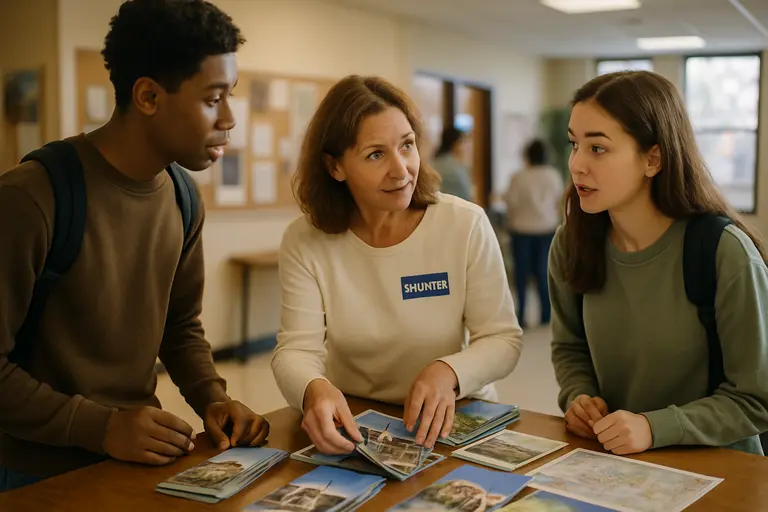
Schools interested in a similar effort can start by reviewing what is publicly documented about Religious Diversity Journeys, then identifying local partners able to host students in an educational format. Congregations and cultural centers can prepare by designating a contact person, setting clear visitor expectations, planning student-friendly explanations, and coordinating with teachers before the visit.
- For districts: confirm grade level, application process, chaperone expectations, transportation needs, and family communication.
- For foundations: ask schools what per-student support would reduce participation barriers.
- For houses of worship: prepare short explanations, safe visitor routes, and respectful question-and-answer time.
- For parents: review the schedule, ask how visits connect to curriculum, and encourage students to reflect respectfully after each stop.
Community media can help by keeping attention on verified local education and service efforts. For more related civic and community stories, browse ITPR, a site part of the same network dedicated to local-interest reporting.
Questions Worth Asking Before The Next School Cycle
The next useful civic step is not to make unsupported claims about outcomes. It is to ask better local questions. How many schools can participate during a full school year? Which districts have foundation support? Are transportation costs limiting access? Do families receive clear explanations before students apply? Are host sites given enough preparation time? Are teachers provided with materials before and after each visit?
Those questions can help keep Religious Diversity Journeys grounded in service rather than symbolism. A strong student-visits program should be transparent, safe, educational, and respectful to families of every background, including students who practice a religion and students who do not.
Religious Diversity Journeys As A Local Unity Model
Religious Diversity Journeys offers a workable example of how education and faith-based cooperation can support local unity without turning the classroom into a place of religious promotion. The facts reported by Berkley Schools show an elective seventh-grade program, a school-year schedule, adult supervision, foundation support, and visits to several faith settings. The pandemic reporting shows that organizers also used virtual materials when in-person access was limited.
For Metro Detroit communities, the service lesson is clear: unity is easier to build when young people meet neighbors in structured, respectful, and well-supported settings. Schools need partners. Congregations need preparation. Foundations can remove cost barriers. Families need clear information. When those pieces work together, interfaith education becomes more than a field trip; it becomes a local practice of learning how to live well with one another.