
SHARE Detroit’s current platform count — 549 nonprofits, 378 volunteer opportunities, and 154 upcoming events — gives Detroit residents, churches, neighborhood groups, and workplace teams a clearer way to connect service interest with real local needs. For a city where outreach often depends on timing, transportation, trust, and follow-up, those numbers matter because they show a large service network that can be searched, filtered, and used for practical coordination rather than scattered word-of-mouth.
The platform describes itself as a way to help people find and fund nonprofits, explore volunteer roles, attend events, and support causes across Metro Detroit. For Saint Joseph Detroit’s audience, the local value is direct: a parish group, family, student team, company volunteer committee, or neighborhood organizer can use SHARE Detroit to identify where help is needed, what kind of service is available, and which nonprofit is already leading the work. The site’s current nonprofit and opportunity totals are listed on the SHARE Detroit nonprofit platform, which positions the database around giving, volunteering, events, and local nonprofit discovery.
Why A Larger Volunteer Database Changes Local Outreach

A volunteer network becomes more useful when residents can move from general goodwill to a specific action. SHARE Detroit’s count of 549 nonprofits gives local organizers a broad map of causes, service areas, and organizations that may need support. The 378 volunteer opportunities listed on the platform give that map a practical next step.
That distinction matters in Detroit because many people want to help but do not know where to begin. A resident may care about food access but not know which pantry needs weekday help. A workplace team may want a group service day but need a project that can accommodate several people at once. A church committee may want to support family services, animal welfare, neighborhood cleanup, literacy, senior care, or youth programs, but each category requires different scheduling and training.
The best local service coordination does not start with a vague call for volunteers. It starts with matching the right people to the right task. SHARE Detroit’s searchable structure can help reduce that friction because users can look for nonprofits, volunteer opportunities, events, and giving options in one place.
That same coordination issue connects with Saint Joseph Detroit’s own focus on building partnerships between local organizations and volunteers. The site’s prior coverage of community support networks fits this topic because effective outreach depends on making roles, timing, and responsibilities clear before volunteers arrive.
How SHARE Detroit Helps Residents Match Time, Skills, And Cause

Volunteer coordination works best when the volunteer role matches the person’s available time, skills, and comfort level. SHARE Detroit’s volunteer page includes listings that identify the nonprofit, location, schedule, type of opportunity, whether groups are a fit, and other project details. That type of structure can help residents avoid two common problems: signing up for a role they cannot sustain or arriving for a project without knowing what is expected.
SHARE Detroit’s own volunteer guidance encourages several types of engagement. In a February 19, 2026 post by Karen Boyd, SHARE Detroit described group volunteering, individual volunteer searches by date or cause, skills-based projects such as finance, writing, or marketing support, and board service as different ways to help local organizations. The post gives residents and teams a more realistic view of service because not every useful volunteer role is a one-day cleanup or donation drive. Some nonprofits need event support, some need recurring help, and others need professional skills that can strengthen operations behind the scenes. The post is available through SHARE Detroit’s group volunteer opportunities page.
For Detroit families, students, retirees, young professionals, and faith communities, that flexibility matters. A person with a few hours on a Saturday may be a strong fit for an event. Someone with grant writing, bookkeeping, design, communications, tutoring, translation, or logistics experience may help a nonprofit solve a capacity problem that is less visible but still urgent.
Local organizations benefit when volunteers arrive prepared. A clear opportunity listing can explain whether the work is indoors or outdoors, whether groups are accepted, whether training is needed, and how long the shift lasts. Those details help nonprofits reduce last-minute confusion and help volunteers make a serious commitment.
What The Numbers Mean For Detroit Service Planning
The current SHARE Detroit totals are more than a platform snapshot. They show the scale of Metro Detroit’s nonprofit and volunteer ecosystem. When hundreds of nonprofits and opportunities are visible in one place, local leaders can plan outreach with better awareness of what already exists.
| SHARE Detroit Platform Count | Local Coordination Value | Why It Matters For Detroit Groups |
|---|---|---|
| 549 Nonprofits | Shows the size of the local service network | Helps residents and groups find organizations by cause or need |
| 378 Volunteer Opportunities | Turns goodwill into scheduled service | Helps match volunteers to real roles with timing and expectations |
| 154 Upcoming Events | Gives residents time-based ways to engage | Helps families, churches, and companies plan around specific dates |
| Donation And Giving Options | Supports nonprofits beyond volunteer hours | Helps residents contribute even when they cannot serve in person |
| Cause-Based Discovery | Organizes service by interest area | Helps groups avoid duplicating work already led by local nonprofits |
For Saint Joseph Detroit’s readers, the practical point is that a large database can help local groups coordinate instead of competing for attention. If a neighborhood group wants to organize a service day, it can look for existing nonprofits that need help rather than creating a one-time project from scratch. If a parish ministry wants to support families, seniors, housing stability, or food access, it can identify organizations already working in those spaces and ask how to support them responsibly.
The City of Detroit also maintains volunteer information through Serve Detroit, which points residents toward city-connected service efforts and local programs. Its volunteer page lists opportunities such as SisterFriends, a support effort for pregnant moms and families through a child’s first birthday. That public-service layer gives residents another local entry point alongside nonprofit platforms such as SHARE Detroit. Detroit residents can review the city’s volunteer information when they want city-connected service options.
The strongest service plan may use both kinds of sources. SHARE Detroit can help residents discover nonprofit-led opportunities across Metro Detroit. City volunteer pages can connect residents with public-service initiatives. Churches and community groups can help people choose realistic roles, arrange transportation, and follow up after the first shift.
Why Nonprofits Need Better Coordination, Not Just More Volunteers
A high number of volunteer opportunities does not automatically mean local needs are being met. Nonprofits still need volunteers who show up on time, understand the assignment, respect the people being served, and follow through after signing up. For that reason, service coordination is as important as recruitment.
Detroit nonprofits often manage limited staff time. A volunteer who arrives prepared can increase capacity. A volunteer who arrives without reading instructions can create more work for the organization. Platforms such as SHARE Detroit help by making opportunity details visible before a person commits, but local groups still have a role in preparing volunteers before they enter a service space.
Faith communities and neighborhood groups can add value by helping people ask better questions before they serve. Is the role one-time or recurring? Is it appropriate for children or families? Does it require lifting, driving, training, background checks, or specific skills? Is the nonprofit asking for volunteers, donations, event support, board members, or professional expertise?
That preparation protects both sides. Volunteers avoid overcommitting. Nonprofits avoid mismatched expectations. Residents receiving support are treated with more consistency and care.
Local reporting on volunteer access has made a similar point. Outlier Media’s Detroit volunteer guide quoted Karly Moore, SHARE Detroit’s Director of Nonprofit and Community Impact, advising prospective volunteers to focus on organizations tied to causes they care about and to consider how often they want to volunteer, whether they want hands-on or remote work, and whether they want to use professional expertise. That guidance appears in Outlier’s Detroit volunteer guide, and it is useful for local groups that want volunteers to make thoughtful commitments.
How Churches, Families, And Workplaces Can Use SHARE Detroit
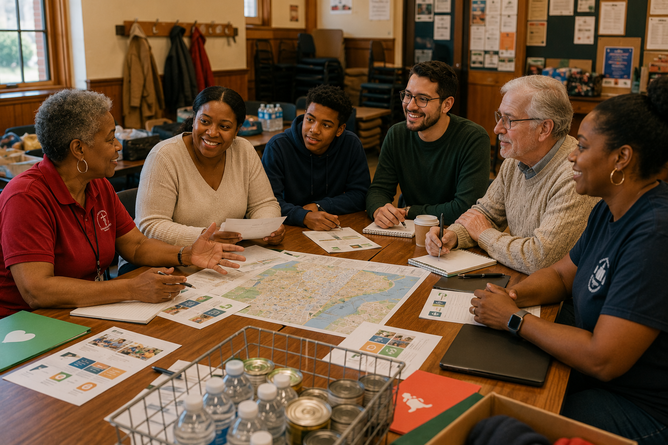
The best use of SHARE Detroit is not just browsing. Local groups can turn the platform into a planning tool. A church committee can choose one monthly opportunity to promote. A family can look for events that fit age, timing, and transportation needs. A company can search for group-friendly roles before setting a service day. A student group can identify recurring opportunities that fit school schedules.
For Saint Joseph Detroit’s audience, this can become a practical outreach rhythm. A volunteer coordinator could review SHARE Detroit once a month, identify a few credible opportunities, confirm details with the nonprofit, and share only the roles that match the group’s capacity. That approach is better than sending residents into a long database without guidance.
Local service planning should also avoid treating all volunteer work as interchangeable. A food distribution shift, a tutoring role, a board committee, a neighborhood cleanup, and a fundraising event all require different preparation. The person who is excellent at event check-in may not be the right fit for a long-term mentoring role. The person with limited mobility may still offer strong remote administrative help, phone banking, writing, design, or donor support.
SHARE Detroit’s value is that it helps make those distinctions visible. The large number of nonprofits and opportunities can look overwhelming at first, but a local coordinator can turn that scale into a manageable shortlist.
What Local Service Coordinators Should Watch Next
The next step for Detroit service groups is to treat SHARE Detroit’s numbers as a coordination signal. With 549 nonprofits and 378 volunteer opportunities listed, the region does not lack organizations doing work. The challenge is helping residents, churches, families, students, companies, and neighborhood teams connect with the right work at the right time.
For Saint Joseph Detroit, the topic fits squarely in Community Outreach because the central issue is partnership. A strong outreach network does not need every group to create a new program. It needs trusted local groups to help residents find existing programs, prepare for service, and sustain relationships with nonprofits that already know the community.
That is why SHARE Detroit’s current platform totals matter. They show that Metro Detroit has a wide service infrastructure, but that infrastructure becomes more useful when local coordinators translate it into clear next steps. For a resident, that may mean choosing one volunteer shift. For a church group, it may mean adopting one nonprofit partner for a season. For a workplace, it may mean matching employee skills with a project that needs more than a headcount.
Local service coordination is strongest when it is specific: which nonprofit, which date, which role, which skills, which location, and which follow-up. SHARE Detroit gives Detroit-area residents a place to begin that process. Community groups can make it more effective by helping people move from interest to action.