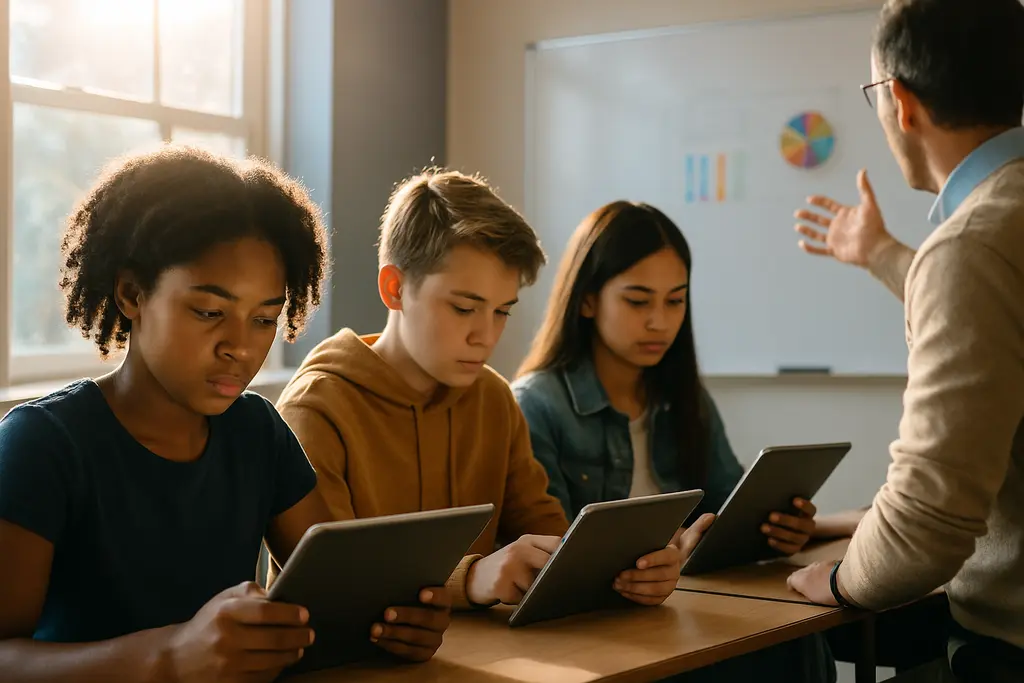
Proposal S funding now sits at the center of Detroit Public Schools Community District’s operating plan after Detroit voters approved Proposal S on August 4, 2026. DPSCD said the measure allows the district to collect an 18-mill operating millage on non-homestead property, such as business, rental, industrial, and second-home property, while owner-occupied primary residences are not taxed under the authorization. The district said the operating revenue supports classroom instruction, teachers and staff salaries, transportation, arts and music, technology, athletics, student programs, and other school operations in its Proposal S announcement.
What Changed In The August 4 School Vote
A Local Operating Millage Approved By Detroit Voters
The main change is not a new tax on Detroit homeowners who live in their primary residence. DPSCD stated that Proposal S applies to non-homestead property and keeps the operating millage at 18 mills. That distinction matters for families, parishes, school volunteers, and neighborhood groups trying to understand the civic effect of the vote without adding confusion to school finance conversations.
The vote also placed operating revenue collection directly with DPSCD. According to the research provided, the authorization runs through 2045 and shifts collection authority from the older Detroit Public Schools structure to the current community district after legacy operating debt is set for repayment in September 2026. The practical school-level issue is that the operating dollars support daily district functions rather than a single one-time construction or special-project account.
DPSCD projected about $112 million from the millage for fiscal year 2026. Because the district identified arts, music, technology, athletics, career and technical education, student programs, transportation, staffing, and classroom instruction as supported uses, the measure should be read as a broad operating-stability vote. It does not, based on the available research, publish specific dollar amounts for individual band rooms, visual arts classrooms, laptops, software, or school-by-school technology purchases.
How Proposal S funding Supports School Programs
Operating Dollars Behind Daily Instruction
The clearest meaning of Proposal S funding is that arts, music, and technology are part of the same operating base that pays for the people, transportation, supplies, and student services that keep schools functioning. In practice, a music program needs certified staff, scheduling support, instruments or materials, space, and transportation for some activities. A technology program needs devices or lab access, support staff, network planning, and instructional time. These needs do not stand apart from the operating budget; they depend on it.
For Detroit families, this means the approval reduced a known risk to core school operations. It does not guarantee that every school will receive the same arts, music, or technology resources, and the research does not provide a school-by-school distribution plan. The next civic question is how DPSCD’s board, administration, and public budget process show where those operating dollars go during future budget reviews.
Why Non-Homestead Details Matter
The non-homestead structure is especially important for community education. Residents may hear “18 mills” and assume a direct homeowner tax change. DPSCD’s public communication says the millage applies to non-homestead property and not to owner-occupied primary residences. Churches, parent groups, and school partners can help by repeating that distinction accurately, especially during budget conversations with families who are focused on household costs.
The vote also keeps attention on local responsibility inside Michigan’s school funding system. The research states that Michigan districts are required to levy an 18-mill operating millage on non-homestead property to receive full school operating support under the state’s post-Proposal A funding system. For Detroit, the August 4 vote aligned local authorization with DPSCD’s ability to collect the revenue directly.
Arts, Music, And Technology In The Operating Budget
Proposal S funding And Arts Access
For arts and music, Proposal S funding should be understood as local operating stability, not as the only source of program support. The Michigan Department of Education’s Section 33 K-5 Visual Arts and Music Programs page states that Public Act 120 makes $3,190,196 available statewide for districts that do not currently have a quality visual arts or music program for grades K-5, with participating schools required to provide 60 minutes per week of instruction per subject by certified teachers, as described on the state’s Section 33 page.
That state grant information gives Detroit families a useful frame. State grants can target specific gaps, while local operating revenue helps sustain the staff, schedules, materials, and district systems that make regular instruction possible. If a school community wants to see stronger elementary arts or music access, the most useful public questions are specific: Which schools have certified arts and music instruction? Which schools need instruments or classroom materials? Which state or district funds are being used to close gaps?
Technology As A Student Program Need
DPSCD named technology among the supported uses of the millage revenue. The research does not identify a device count, software contract, school lab plan, or individual technology allocation tied to the August 4 vote. That means public discussion should avoid promises that the approval automatically buys a certain number of computers or creates a specific new course at a named school.
Still, technology is a real operating issue for students. Career and technical education, classroom research, state testing, college preparation, and day-to-day instruction all depend on working systems and staff support. For faith-based youth mentors and after-school partners, the practical step is to ask schools what support they need instead of assuming the answer. Some students may need supervised access to devices after school. Others may need help with applications, digital assignments, or career exploration tools. Local partners can respond best when they coordinate with school leaders and use verified district information.
Civic Steps For Families, Churches, And Partners
How To Track What Happens Next
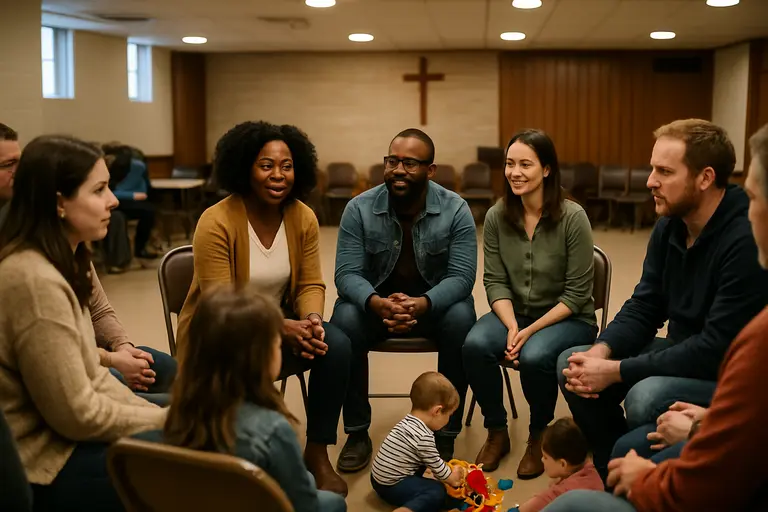
The vote answered the authorization question, but it did not end community oversight. Families, educators, churches, and neighborhood organizations can follow DPSCD board meetings, budget documents, school improvement conversations, and public communications to see how operating resources are described. Questions should stay tied to public documents and named programs rather than rumor or secondhand claims.
Community partners should also separate advocacy from service. Advocacy may mean asking for clear arts, music, and technology reporting. Service may mean offering volunteers, safe after-school space, mentoring, instrument drives, transportation coordination, or family outreach when a school asks for help. Both forms of support can serve students, but each works best with school approval and clear boundaries.
- Parents and guardians: Ask principals how arts, music, and technology needs are identified at the school level.
- Churches and ministries: Offer support that matches a verified school request, such as mentoring, homework help, or supervised learning space.
- Community groups: Share district information from official sources and avoid reposting budget claims that cannot be checked.
- Donors: Ask whether money, materials, volunteer time, or program support is most useful before launching a collection drive.
Similar work is echoed in the same network, including efforts at the Houston LWS Forum, which highlights the universal demand for transparent public information. Such clarity enables community members to respond effectively. In the context of Detroit schools, post-August 4 conversations should prioritize transparent budget allocations, school needs, and student resources.
There is also a student wellness connection. Strong school programs do not replace mental health services, but arts, music, mentoring, and safe technology access can be part of a broader support culture. Local readers interested in youth support systems can review Saint Joseph Detroit’s coverage of youth mental health and trauma support, which fits the same community commitment to practical help for students and families.
What Proposal S funding Means For Detroit Schools
A Practical Reading For The Community
The best local use of Proposal S funding as a public conversation is to treat it as a foundation for operations and accountability. It supports the district’s ability to pay for instruction, staff, transportation, technology, arts and music, athletics, student programs, career and technical education, and related operating needs. It does not, based on the research available on August 25, 2026, provide a public list of exact arts, music, or technology allocations by campus.
That distinction should guide the next phase of community action. Detroit residents can affirm the value of the vote while still asking careful questions about program access. Which schools need stronger elementary arts instruction? Where are music offerings limited by staffing or materials? Which technology needs are tied to career preparation, college readiness, or everyday classroom work? Which public reports will show progress?
For faith communities and service organizations, the faithful response is steady, honest, and student-centered. Do not overpromise what the millage will do. Do not tell families that every program gap has already been solved. Instead, point to what DPSCD has stated, watch the public budget process, listen to school leaders, and offer support that helps students learn, create, practice, and prepare for life beyond graduation.