Author: Wyatt Frost

  • Senior Nutrition Expansion: What Seniors Need

    Senior Nutrition Expansion: What Seniors Need

    The senior nutrition expansion approved through Detroit’s budget work affects older adults who need steadier access to fresh produce, healthy meals, and transportation support. As of August 25, 2026, the clearest public record shows a growing city focus on senior food access: Mayor Mary Sheffield’s March 9, 2026 proposed Fiscal Year 2026–2027 budget included $750,000 for a new Senior Food Access program and $1 million for Senior Transportation under Accessibili-D, according to the City budget announcement. Detroit City Council also had previously approved a Fiscal Year 2025–2026 budget that included a one-time $250,000 allocation for a senior food access program under the Office of Sustainability, as reported by BridgeDetroit’s budget coverage.

    For seniors, caregivers, church outreach teams, and neighborhood volunteers, the practical question is simple: where will older adults be able to get food, who will qualify, and how will transportation barriers be handled? The supplied public records do not yet identify every recreation center, senior building, schedule, or enrollment rule. That uncertainty matters. Seniors should avoid relying on rumor or old flyers and should watch for formal updates from Detroit City Council, the Department of Neighborhoods, General Services, and Human, Homeless & Family Services.

    What The Senior Nutrition Expansion Changed

    Why Senior Nutrition Expansion Starts With Access

    The city’s work has moved senior food support from a narrower building-based model toward a broader neighborhood access model. Detroit’s April 2026 City Council Closing Resolution for Fiscal Year 2027 urged the administration to expand the existing Senior Food Program beyond senior housing buildings so that seniors living independently in neighborhoods could be included. The same resolution proposed a Nutritional Wellness Program for Seniors based in city recreation centers, with free fresh fruits, vegetables, and smoothies for Detroit seniors.

    That approach matters because many older adults do not live in senior apartment buildings. Some live with relatives. Some live alone in longtime family homes. Others may be near a recreation center but far from a full-service grocery store, or they may have limited income, limited mobility, or no reliable ride. A program built only around senior buildings can miss people who still need help but are not connected to a housing-site service schedule.

    The senior nutrition expansion also fits a wider support-service goal: making healthy food easier to reach before a health issue becomes urgent. Fresh produce is often harder to obtain than shelf-stable food because it requires more frequent delivery, cold storage, careful handling, and predictable distribution times. For Detroit outreach teams, that means the food itself is only one part of the work. Trust, schedule clarity, transportation, volunteer help, and public communication are just as necessary.

    What Was Already Starting In Senior Buildings

    Detroit’s 2026 State of the City materials, as described in the supplied research, said the Senior Food Program had begun launching a component that brings free fresh fruits and vegetables to senior buildings. That building-based work is a starting point, not the full plan described by Council’s April 2026 budget resolution. The stated goal was to reach more seniors across neighborhoods, including those who are not attached to a senior housing site.

    For seniors already living in buildings that receive fresh food support, the immediate need is to confirm delivery days, sign-up rules, and whether a building office, service coordinator, or city partner is handling communication. For seniors outside those buildings, the next step is to monitor city notices for recreation center locations and any neighborhood distribution model that may be announced during the Fiscal Year 2026–2027 period, which runs from July 1, 2026 through June 30, 2027.

    How Food Access And Transportation Fit Together

    Why A Ride Can Decide Whether Food Help Works

    Food programs can fail seniors if the pickup point is reachable on paper but not in real life. A recreation center may be nearby by car and still be too far for an older adult using a walker, managing chronic pain, or avoiding icy sidewalks in colder months. That is why the proposed $1 million Accessibili-D Senior Transportation allocation is closely connected to the food-access plan. The City of Detroit described the transportation funding as part of an effort to help seniors with mobility and access to services.

    The senior nutrition expansion should be judged not only by the number of food sites announced, but also by whether seniors can reach them. Caregivers should ask practical questions once schedules are released: Is transportation included? Is there a reservation process? Can a caregiver pick up food? Are there delivery options for homebound seniors? Will distribution hours match paratransit or senior shuttle availability? Those details have not all been released in the supplied research, so families should wait for formal city instructions before making plans.

    Detroit’s wider food-access conversation also benefits from community groups that understand storage, volunteer coordination, and neighborhood distribution. Saint Joseph Detroit’s prior reporting on local food access planning shows why produce distribution depends on more than donations alone. Senior programs need the same care: safe food handling, timely communication, respectful service, and reliable follow-up for residents who miss a pickup or need extra help.

    How Regional Nutrition Providers May Add Capacity

    The Detroit Area Agency on Aging, which serves Detroit, Hamtramck, Highland Park, Harper Woods, and the five Grosse Pointes, issued a late-2025 Nutrition Services Request for Proposal for Fiscal Years 2027–2029, according to the supplied research. The RFP sought providers for congregate meals, home-delivered meals, chilled meals, frozen meals, supplemental meals, and culturally specific meals. The same research described the agency’s service area as including about 300,000 people, with 154,435 adults age 60 and older as of May–June 2025.

    That regional context is useful for Detroit families because not every senior will need the same type of help. Some may benefit from a recreation-center produce program. Some may need home-delivered meals. Others may need culturally familiar food, frozen meals that can be stored, or supplemental food between regular meal deliveries. City food-access work and area-agency nutrition services are not identical programs, but seniors may need to understand both systems as options become available.

    What Seniors And Caregivers Should Watch

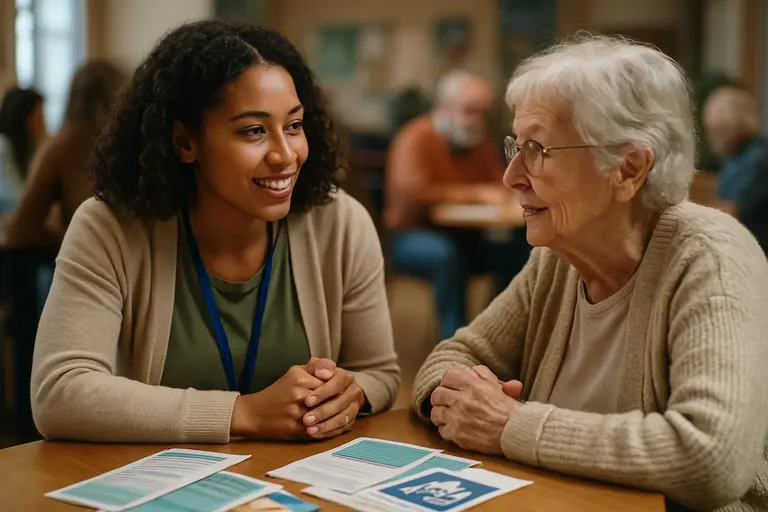
    Caregiver reviewing a printed schedule with an older adult at a kitchen table

    Key Details To Confirm Before Going To A Site

    As of August 25, 2026, the supplied records support the direction of the program but do not provide a complete public list of participating recreation centers, senior buildings, eligibility rules, or weekly schedules. Seniors should wait for official announcements before traveling to a site. Caregivers, congregations, and neighborhood groups can help by checking city sources, calling ahead when a location is named, and sharing only current information.

    • Location: Confirm whether the service is at a senior building, recreation center, or another neighborhood site.
    • Eligibility: Ask whether age, residency, building residence, enrollment, or appointment rules apply.
    • Food Type: Confirm whether the site provides fresh fruits, vegetables, smoothies, prepared meals, frozen meals, or supplemental food.
    • Transportation: Ask whether Accessibili-D, another senior transportation option, caregiver pickup, or delivery support is available.
    • Schedule: Check the date and time before each visit because food distributions can change based on supply and staffing.

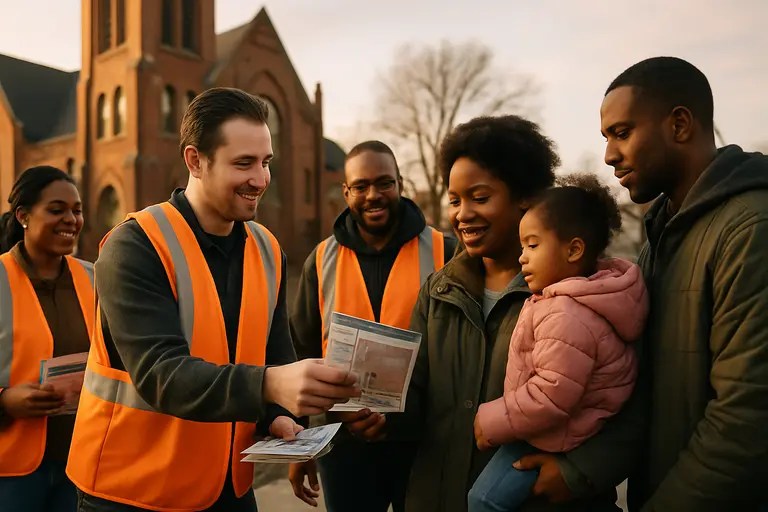
    Faith communities can serve seniors well by acting as information bridges. A parish office, ministry team, or volunteer phone tree can help older adults confirm sites and hours, especially those without internet access. For broader civic and community resources in the same network, readers may also visit a related site, ITPR.

    What Not To Assume Yet

    Residents should not assume that every recreation center is participating, that every senior automatically qualifies without registration, or that food will be available every day. The Council resolution described a policy direction and proposed service model, while the budget materials identified funding priorities. Program operations still depend on city departments, vendors, staffing, site capacity, transportation coordination, and public notice.

    Caregivers should also be careful with social media posts about free food. A well-meant post can send seniors to the wrong place if it omits a date, fails to mention eligibility, or repeats outdated hours. The safest practice is to include the source of the information, the date it was checked, and a phone number or city contact when one is officially provided.

    Senior Nutrition Expansion For Detroit Seniors

    The senior nutrition expansion gives Detroit an opportunity to reduce food barriers for older adults through fresh produce, neighborhood access points, and transportation planning. The strongest documented pieces are the city’s proposed $750,000 Senior Food Access investment for Fiscal Year 2026–2027, the $1 million Senior Transportation proposal under Accessibili-D, the earlier Council-approved $250,000 senior food access allocation for Fiscal Year 2025–2026, and Council’s April 2026 request to widen service beyond senior buildings.

    For seniors, the best next step is patient but active follow-up. Watch for city department announcements, ask senior-building managers or recreation center staff only after official site lists are released, and have a caregiver or trusted volunteer confirm details before traveling. For churches and neighborhood groups, the most useful response is to prepare phone trees, ride lists, referral sheets, and volunteer support that can help seniors use the program safely once locations and schedules are public.

    The expansion is not just a food program. It is a test of how well Detroit can connect older adults to nutrition, mobility, public information, and neighbor-to-neighbor care. If city departments, service providers, caregivers, and community groups coordinate around verified details, more seniors should be able to reach fresh food without carrying the burden alone.

  • Proposal S funding And Detroit School Programs

    Proposal S funding And Detroit School Programs

    Proposal S funding now sits at the center of Detroit Public Schools Community District’s operating plan after Detroit voters approved Proposal S on August 4, 2026. DPSCD said the measure allows the district to collect an 18-mill operating millage on non-homestead property, such as business, rental, industrial, and second-home property, while owner-occupied primary residences are not taxed under the authorization. The district said the operating revenue supports classroom instruction, teachers and staff salaries, transportation, arts and music, technology, athletics, student programs, and other school operations in its Proposal S announcement.

    What Changed In The August 4 School Vote

    A Local Operating Millage Approved By Detroit Voters

    The main change is not a new tax on Detroit homeowners who live in their primary residence. DPSCD stated that Proposal S applies to non-homestead property and keeps the operating millage at 18 mills. That distinction matters for families, parishes, school volunteers, and neighborhood groups trying to understand the civic effect of the vote without adding confusion to school finance conversations.

    The vote also placed operating revenue collection directly with DPSCD. According to the research provided, the authorization runs through 2045 and shifts collection authority from the older Detroit Public Schools structure to the current community district after legacy operating debt is set for repayment in September 2026. The practical school-level issue is that the operating dollars support daily district functions rather than a single one-time construction or special-project account.

    DPSCD projected about $112 million from the millage for fiscal year 2026. Because the district identified arts, music, technology, athletics, career and technical education, student programs, transportation, staffing, and classroom instruction as supported uses, the measure should be read as a broad operating-stability vote. It does not, based on the available research, publish specific dollar amounts for individual band rooms, visual arts classrooms, laptops, software, or school-by-school technology purchases.

    How Proposal S funding Supports School Programs

    Operating Dollars Behind Daily Instruction

    The clearest meaning of Proposal S funding is that arts, music, and technology are part of the same operating base that pays for the people, transportation, supplies, and student services that keep schools functioning. In practice, a music program needs certified staff, scheduling support, instruments or materials, space, and transportation for some activities. A technology program needs devices or lab access, support staff, network planning, and instructional time. These needs do not stand apart from the operating budget; they depend on it.

    For Detroit families, this means the approval reduced a known risk to core school operations. It does not guarantee that every school will receive the same arts, music, or technology resources, and the research does not provide a school-by-school distribution plan. The next civic question is how DPSCD’s board, administration, and public budget process show where those operating dollars go during future budget reviews.

    Why Non-Homestead Details Matter

    The non-homestead structure is especially important for community education. Residents may hear “18 mills” and assume a direct homeowner tax change. DPSCD’s public communication says the millage applies to non-homestead property and not to owner-occupied primary residences. Churches, parent groups, and school partners can help by repeating that distinction accurately, especially during budget conversations with families who are focused on household costs.

    The vote also keeps attention on local responsibility inside Michigan’s school funding system. The research states that Michigan districts are required to levy an 18-mill operating millage on non-homestead property to receive full school operating support under the state’s post-Proposal A funding system. For Detroit, the August 4 vote aligned local authorization with DPSCD’s ability to collect the revenue directly.

    Arts, Music, And Technology In The Operating Budget

    Proposal S funding And Arts Access

    For arts and music, Proposal S funding should be understood as local operating stability, not as the only source of program support. The Michigan Department of Education’s Section 33 K-5 Visual Arts and Music Programs page states that Public Act 120 makes $3,190,196 available statewide for districts that do not currently have a quality visual arts or music program for grades K-5, with participating schools required to provide 60 minutes per week of instruction per subject by certified teachers, as described on the state’s Section 33 page.

    That state grant information gives Detroit families a useful frame. State grants can target specific gaps, while local operating revenue helps sustain the staff, schedules, materials, and district systems that make regular instruction possible. If a school community wants to see stronger elementary arts or music access, the most useful public questions are specific: Which schools have certified arts and music instruction? Which schools need instruments or classroom materials? Which state or district funds are being used to close gaps?

    Technology As A Student Program Need

    DPSCD named technology among the supported uses of the millage revenue. The research does not identify a device count, software contract, school lab plan, or individual technology allocation tied to the August 4 vote. That means public discussion should avoid promises that the approval automatically buys a certain number of computers or creates a specific new course at a named school.

    Still, technology is a real operating issue for students. Career and technical education, classroom research, state testing, college preparation, and day-to-day instruction all depend on working systems and staff support. For faith-based youth mentors and after-school partners, the practical step is to ask schools what support they need instead of assuming the answer. Some students may need supervised access to devices after school. Others may need help with applications, digital assignments, or career exploration tools. Local partners can respond best when they coordinate with school leaders and use verified district information.

    Civic Steps For Families, Churches, And Partners

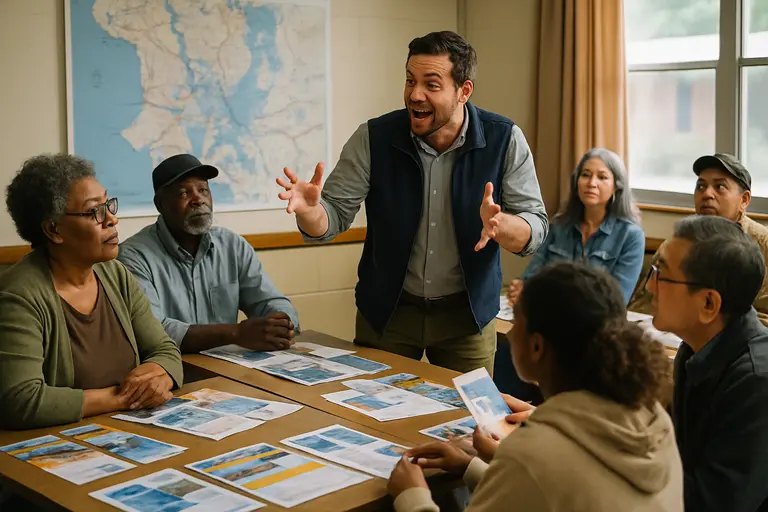
    Community members meeting at tables with notebooks in a school room

    How To Track What Happens Next

    The vote answered the authorization question, but it did not end community oversight. Families, educators, churches, and neighborhood organizations can follow DPSCD board meetings, budget documents, school improvement conversations, and public communications to see how operating resources are described. Questions should stay tied to public documents and named programs rather than rumor or secondhand claims.

    Community partners should also separate advocacy from service. Advocacy may mean asking for clear arts, music, and technology reporting. Service may mean offering volunteers, safe after-school space, mentoring, instrument drives, transportation coordination, or family outreach when a school asks for help. Both forms of support can serve students, but each works best with school approval and clear boundaries.

    • Parents and guardians: Ask principals how arts, music, and technology needs are identified at the school level.
    • Churches and ministries: Offer support that matches a verified school request, such as mentoring, homework help, or supervised learning space.
    • Community groups: Share district information from official sources and avoid reposting budget claims that cannot be checked.
    • Donors: Ask whether money, materials, volunteer time, or program support is most useful before launching a collection drive.

    Similar work is echoed in the same network, including efforts at the Houston LWS Forum, which highlights the universal demand for transparent public information. Such clarity enables community members to respond effectively. In the context of Detroit schools, post-August 4 conversations should prioritize transparent budget allocations, school needs, and student resources.

    There is also a student wellness connection. Strong school programs do not replace mental health services, but arts, music, mentoring, and safe technology access can be part of a broader support culture. Local readers interested in youth support systems can review Saint Joseph Detroit’s coverage of youth mental health and trauma support, which fits the same community commitment to practical help for students and families.

    What Proposal S funding Means For Detroit Schools

    A Practical Reading For The Community

    The best local use of Proposal S funding as a public conversation is to treat it as a foundation for operations and accountability. It supports the district’s ability to pay for instruction, staff, transportation, technology, arts and music, athletics, student programs, career and technical education, and related operating needs. It does not, based on the research available on August 25, 2026, provide a public list of exact arts, music, or technology allocations by campus.

    That distinction should guide the next phase of community action. Detroit residents can affirm the value of the vote while still asking careful questions about program access. Which schools need stronger elementary arts instruction? Where are music offerings limited by staffing or materials? Which technology needs are tied to career preparation, college readiness, or everyday classroom work? Which public reports will show progress?

    For faith communities and service organizations, the faithful response is steady, honest, and student-centered. Do not overpromise what the millage will do. Do not tell families that every program gap has already been solved. Instead, point to what DPSCD has stated, watch the public budget process, listen to school leaders, and offer support that helps students learn, create, practice, and prepare for life beyond graduation.

  • Importance of Supporting Educators

    Importance of Supporting Educators

    Great learning environments start with great educators. They are the heart of every classroom, shaping young minds every day. Yet, their role is incredibly demanding.

    Consistent, dedicated support isn’t just helpful—it’s essential. Programs like the Positive Early Childhood Education (PECE) initiative show us why. They help teachers manage classroom behavior, improve communication with families, and reduce personal stress.

    This foundational work is about building capacity. It promotes inclusive and responsive care for all children. When educators feel supported, they create spaces where every student can truly thrive.

    Investing in these support systems is a core strategy, not an optional add-on. It leads directly to more engaged teachers and more successful students. Effective professional development, like meaningful educator workshops, addresses specific needs and builds collaborative teams.

    Ultimately, supporting our educators means investing in our children’s future. It’s the smartest investment we can make.

    Designing Practical Workshop Content

    What makes a workshop memorable is content that teachers can use right away. The best workshops don’t just inspire. They give a clear plan for Monday morning.

    Workshop content should be easy to follow, focused, and tackle real challenges. The R.I.S.E. Inclusion series is a great example. It breaks down complex topics into short, 20-25 minute modules. Each module has clear goals, saving teachers’ time.

    • What is Inclusion? establishes a shared vision and language.
    • Inclusive Classrooms offers concrete strategies for building that environment daily.
    • Legislation and the Duty to Accommodate translates legal requirements into practical classroom actions.
    • The R.I.S.E. Program finally introduces the specific tools and frameworks for sustained support.

    This structure makes sure theory is applied right away. Each idea is linked to how to use it. Resources like Capacity Building Training Videos and Enhanced Staff e-modules add to the teacher support. They let teachers review and practice at their own pace.

    Good workshop design always focuses on what’s useful. It answers the “how” and “so what” for every “why.” This practical approach is the next step after understanding the foundation of educator support. When teachers leave with a plan, strategies, and resources, professional development can really change things.

    Tools and Resources for Implementation

    Let’s get started with the digital tools that make learning easy for teachers. The right tools help turn ideas into action in your classroom. This empowers you to bring new strategies to your students.

    Our online learning portal is easy to use. Just visit yorkonlinelearning.informetica.com to begin. You’ll need an access code. Use “inclusion” to get into all the modules. This way, you can focus more on learning and less on logging in.

    professional development tools online portal

    Inside, you’ll find lots of helpful materials. There are video series on important teaching strategies. Each video comes with downloadable resources like lesson plans and activity templates.

    When you finish a module, you get a certificate of completion. This is not just a reward. It also proves you’ve met your continuing education needs.

    Need help? Our team is ready to assist. Just email @email for quick, helpful answers. We believe every question is important for your success.

    Our goal is to make learning easy. We’ve put everything you need in one place. This makes it simple to manage your professional development without hassle.

    Having the right tools boosts your confidence. You can try out new strategies right away. This is where the real learning happens.

    This system supports your ongoing growth. It turns professional development into a continuous process. You can learn, apply, and improve at your own pace.

    Success Stories from Educator Workshops

    Imagine a classroom where challenging behaviors are met with calm strategies. Parent-teacher meetings become collaborative partnerships. This is happening through successful teacher support initiatives. The real proof of a workshop’s value comes from the educators who live it every day.

    Capturing these stories is about listening for the specific changes. Did a teacher feel less overwhelmed on Monday morning? Did a student finally engage after a new approach? These moments of growth are at the heart of every success narrative.

    educator workshops success

    Many stories highlight improved classroom management. Educators report feeling equipped with practical tools, which directly reduces daily stress. One teacher shared, “The de-escalation techniques changed everything. I now have a plan, so I feel calm, and the kids respond to that calm.” This shift from reactive to proactive is a common victory.

    Other successes focus on building stronger communication bridges. Workshops often provide frameworks for talking with families about difficult topics. This leads to more inclusive settings where everyone feels heard. The outcome is a true partnership between home and school, centered on the child’s well-being.

    The positive effects create a ripple. When an educator’s stress decreases, their patience and creativity increase. This fosters a more positive and productive learning environment for every student in the room. The impact of a single workshop can thus multiply across an entire classroom community.

    To see the transformation clearly, consider the common shifts documented before and after educators apply workshop strategies:

    Aspect of Practice Before Workshop Engagement After Workshop Application
    Educator Mindset Feeling overwhelmed and reactive to challenges. Feeling confident, prepared, and proactive.
    Classroom Climate Unpredictable; behavior management consumes energy. Calmer, more predictable, and focused on learning.
    Educator Stress Level High, potentially leading to burnout. Managed and significantly reduced.
    Family Engagement Communication may be infrequent or strained. Collaborative, regular, and solution-focused partnerships.
    Inclusive Practices May be inconsistent or unintentionally exclusive. Intentional strategies create a welcoming environment for all.

    These documented outcomes do more than just validate the workshop content. They fuel a cycle of continuous improvement and build a culture of shared learning among staff. Celebrating these wins is crucial for sustained growth.

    Sharing and learning from these experiences is a cornerstone of effective teacher support. Programs dedicated to this mission, like the community workshops offered in Detroit, provide the platform for these stories to inspire and guide future educators. When we listen to and amplify these voices, we invest in the success of entire learning communities.

    Continuous Improvement of Support Programs

    The best support for teachers is always evolving. It’s not a static thing. Professional development programs must grow and change with educators’ needs at every stage of their career.

    Consider a new teacher in the Survival Stage. They need quick, hands-on help with classroom tasks. On the other hand, a seasoned teacher might look for deeper learning or leadership roles. Our workshops should cater to both.

    This requires a developmental approach. Training for a student teacher facing anxiety is different from support for one feeling relieved. Programs need to offer varied resources at different times.

    Improvement comes from listening and adapting. This means moving from basic management to advanced mentoring. It could also include funding for conferences or creating peer coaching circles.

    When support evolves, it remains effective throughout a teacher’s career. This dedication to growth ensures every educator gets the right support at the right time. Your professional development journey is worth it.

  • Importance of Volunteer Training

    Importance of Volunteer Training

    Imagine a group of passionate people ready to help your cause. Now imagine giving them the tools to become truly effective ambassadors. That’s what proper preparation does. It turns well-meaning helpers into confident, skilled representatives who share your message with clarity and heart.

    Why is this foundation so critical? First, it ensures everyone delivers a consistent and accurate message. Second, it protects everyone’s safety—both the helpers and the community they serve. Organizations like the Ontario Humane Society require background checks for working with vulnerable groups, showing how serious this is. Finally, good training maximizes every hour donated, creating more positive impact.

    This investment matters because resources are often limited. As one animal welfare group notes, they can’t offer extensive volunteer training to everyone. They ask for a one-year commitment because the experience gained is so valuable. High turnover makes it hard to sustain programs.

    Think of orientation and event-specific preparation as non-negotiable first steps. They’re not just paperwork. They’re an act of respect and empowerment. When people feel prepared, they show up with more confidence and stay longer. This sets the stage for everything that follows in a successful outreach program.

    Designing Effective Training Programs

    A good volunteer program turns into a great one with quality educational support. A well-planned training makes volunteers feel ready and confident from the start.

    Think of training as a layered system. The University of Guelph’s tiered approach is a great example. It meets volunteers at different stages of their journey.

    designing effective volunteer training programs

    The first layer is a solid foundation. Every volunteer starts with a general orientation. This covers your organization’s mission, values, and safety rules. The Ontario Humane Society (OHS) shows how important this is.

    The next layer is role-specific skills training. Volunteers learn the tasks they’ll do. For example, an OHS Canine Enrichment Volunteer learns how to safely interact with dogs. This training is key for doing the job well and safely.

    The final layer is ongoing and advanced workshops. These sessions help volunteers deepen their knowledge. They become true partners in your mission. This keeps your best team members involved.

    Here’s how these three tiers work together:

    Training Tier Primary Purpose Example Content Key Benefit
    Foundational Orientation Establish organizational culture and safety standards. Mission overview, policy review, basic procedures (OHS general orientation). Creates a common base of knowledge and aligns everyone with the organization’s goals.
    Role-Specific Skills Training Equip volunteers with the practical skills for their specific role. Hands-on animal handling (OHS), event-specific logistics (University setting). Builds immediate confidence and ensures task proficiency and safety.
    Ongoing & Advanced Development Deepen expertise and foster long-term engagement. Specialized workshops, leadership seminars, advanced topic deep-dives. Retains top talent, encourages ownership, and develops future leaders.

    A structured, multi-level program offers comprehensive educational support. It respects volunteers’ time, builds on their skills, and empowers them to contribute. Your training program drives both volunteer satisfaction and your organization’s success.

    Measuring Volunteer Impact

    For many groups, figuring out the value of volunteer work seems hard. The benefits of community involvement are often hard to measure. How do you put a number on a smile, a rescued animal’s progress, or a child’s newfound curiosity?

    Here’s the good news. Measuring impact isn’t about being too strict or adding extra work. It’s about celebration and improvement. By tracking impact, you show volunteers the real difference they make.

    Begin with clear goals. What should the volunteer’s effort achieve? The Ottawa Humane Society’s foster program is a great example. Their goal is clear: “to provide temporary care and to assist those animals in becoming ready for adoption.” This makes volunteer tasks, like documenting an animal’s behavior, easy to measure.

    Then, pick tracking methods that match your program. A simple log of hours is a good start. For more insight, consider systems like the Let’s Talk Science Volunteer Portal. It lets volunteers see their work and understand their impact. This makes them feel valued and motivated.

    Don’t overlook the stories behind the numbers. Qualitative measures make your data come alive. Collect feedback from those you serve, like educators in Let’s Talk Science’s model. Share outcomes, like more successful animal adoptions. These stories show the heart of your mission.

    Measuring impact does two important things. It shows your program’s real value to funders and leaders. It also proves to volunteers that their time is worth it. For more on how to measure, check out this practical guide for measuring volunteer impact.

    Real-world Examples

    Effective volunteer training is found in many places, like classrooms and animal shelters. Seeing how successful groups train their volunteers shows us the way. It’s clear that a one-size-fits-all method doesn’t work. Instead, training should be tailored to each volunteer’s role and the community’s needs.

    Let’s Talk Science connects volunteers with teachers across Canada. Their training program prepares volunteers to lead STEM activities. They learn how to make science fun and easy for students. This makes every classroom visit both educational and exciting.

    volunteer training

    The Ottawa Humane Society (OHS) shows the importance of role-specific training. They have different training programs for each volunteer role. This ensures volunteers are ready and safe for their tasks.

    For the Foster Volunteer program, OHS does a phone interview and a records check. Then, they have a detailed orientation. This makes sure animals go to safe, caring homes.

    Canine Behaviour Intervention Volunteers need a background in dog training. Their specialized training adds shelter-specific rules. This keeps both volunteers and animals safe during interactions.

    Even office volunteers get special training at OHS. They learn about computer skills and data systems. This keeps the organization’s operations running smoothly, supporting all other efforts.

    At the University of Guelph, students are trained to promote health and wellness. They learn how to run events like flu clinics and mental health weeks. They get training in communication and sharing accurate info. This approach builds trust and encourages more students to get involved.

    These examples show a key point: a well-thought-out volunteer training approach is essential. Whether it’s for sparking a love of science, ensuring animal safety, or improving campus health, proper training is crucial. It turns volunteers into confident, effective change-makers.

    Tips for Sustained Engagement

    The real measure of great training is a volunteer who stays committed. Long-term engagement turns initial enthusiasm into lasting impact.

    Set clear expectations from the start. Organizations like the Ontario Humane Society ask for a one-year minimum. This ensures mutual investment. Their six-month probation before adoption for fosters is a smart policy. It helps manage emotional investment and prevents burnout.

    Provide continuous educational support. The University of Guelph runs bi-weekly training workshops with guest lecturers. This ongoing learning keeps skills sharp. They also remove volunteers who don’t meet commitments, stressing that reliability is key for event success.

    Make people feel valued. Recognize contributions publicly. Let’s Talk Science uses an impact portal to show volunteers the difference they make. Foster a genuine sense of community involvement and belonging. Offer pathways for growth through advanced training roles.

    Support your team’s well-being. Thoughtful policies, like those for managing foster attachments, show you care. A strong volunteer team is the backbone of any successful effort, much like building an effective donation drive team requires clear roles and support.

    When volunteers feel supported, valued, and connected, their engagement deepens. This creates a powerful, positive cycle for your mission and the entire community.

  • Overview of social programs

    Overview of social programs

    Imagine a sturdy net beneath a tightrope walker. That’s what strong community safety nets provide for people in our towns and cities.

    These are government and community initiatives designed to offer financial aid, housing support, and other essential services. They help individuals and families facing economic hardship stay stable and secure.

    Concrete examples include federal income supplements like the Canada Workers Benefit. Provincial systems, such as Ontario Works, offer direct support. These efforts work together to prevent deep poverty and homelessness.

    Today, these support systems are more critical than ever. High rates of poverty, specially among single adults, show the need. A lack of affordable housing creates further strain.

    Understanding how these benefits function is the first step. It helps us see their role in building stronger, safer communities for everyone.

    Government and nonprofit partnerships

    Effective aid services come from working together. It’s like a community potluck. Everyone brings something different, and together, they make a great meal. This is how strong social support systems are built.

    These partnerships involve governments and nonprofits. Governments give the funding and set the policies. Nonprofits bring their local knowledge and flexibility.

    government nonprofit partnerships aid services

    • Government provides scale and stability: Public funding helps programs reach more people.
    • Nonprofits provide agility and insight: They know local needs well and can change services fast.
    • Together, they advocate for change: Nonprofits speak up for community concerns, helping shape better policies.

    The Canadian Municipal Network on Crime Prevention (CMNCP) is a great example. Cities like Toronto work together to prevent crime through social development. This approach links community health and safety, making neighborhoods safer.

    It’s important for governments to work well together. A report from Maytree highlights the need for federal and state governments to align programs. This prevents people from losing benefits when they get help.

    Long-term success comes from ongoing collaboration. It’s not just about one-time grants. For example, efforts to strengthen partnerships between governments and nonprofits lead to stronger communities.

    The strength of our social safety net relies on these partnerships. When governments, nonprofits, and communities work together, they create a powerful support network. This ensures aid services are effective and meet people’s needs.

    Eligibility and application processes

    Figuring out how to get help from social programs can seem tough. But, it’s easier than you think. This guide will help you understand the steps to get aid.

    To get into government social programs, you need to meet certain rules. These rules help make sure aid goes to those who really need it. Each program has its own set of rules, but they often check similar things.

    They look at your income, how much you own (like savings or a car), if you work, and if you have special needs. They use this info to see if you qualify.

    For example, some programs look at how much you earn compared to the poverty line. Knowing these terms helps you see if you might qualify.

    government social programs eligibility guide

    New ideas for programs show how rules can change. The Canada Working-Age Supplement, for example, would give a basic benefit and more for those who work. It’s for people making less than $49,611 a year.

    Another idea is to make it easier for people with disabilities to work. Right now, they might lose support if they earn too much. This could change.

    But, some rules can be hard to follow. The Canada Housing Benefit, for instance, requires you to prove you spend a lot on rent. This can be hard for those in deep poverty.

    Program / Concept Key Eligibility Idea Example Threshold or Rule
    Canada Working-Age Supplement (Proposed) Combines a base benefit with a work incentive. Available to individuals with an annual income below $49,611.
    Disability Supplement (Proposed Change) Removes a disincentive for employment. Eliminates the $1,150 earnings requirement to qualify.
    Canada Housing Benefit Targets those with high housing costs relative to income. Requires an attestation of paying 30%+ of income on shelter.
    Deep Poverty Threshold Defines the most severe financial need. Income significantly below 50% of the official poverty line.

    After checking if you’re eligible, you’ll need to apply. This means filling out forms, gathering documents, and possibly an interview.

    The application checks if you really need the help. Being detailed and organized can help a lot.

    But, the application process can be tough. It involves complex paperwork and sometimes not having access to apply online. In places like Ontario, people face challenges with programs like OW and ODSP.

    If you’re applying, don’t worry. Many find help from community workers or advocates. For more info, visit Ontario’s social assistance website.

    The journey to get support requires patience and persistence. Knowing the eligibility rules and preparing for the application can make it easier.

    Advocacy and awareness

    Strong social safety nets come from constant advocacy and awareness. Change often begins with research, stories, and pressure from informed people.

    Groups like Maytree show how this works. They submit detailed plans to the government. These plans, like the Canada Workers Benefit, aim to improve support nationwide.

    Also, analyzing provincial budgets is key. For example, critiquing Ontario’s budget is important. It points out the need to tackle poverty more seriously.

    This ongoing effort pushes for better aid services. It makes sure programs fit community needs. The goal is to ensure dignity for all, thanks to community advocates and experts.

    Everyone can help this cause. By learning about local needs and supporting community efforts, we make a difference. Effective local giving has a direct impact and strengthens the aid services ecosystem.

  • What support services are

    What support services are

    Imagine a safety net made of care and connection, not rope. That’s what community support services are all about. They are programs and resources that help people and families in their communities.

    Places like Calgary have programs like Family & Community Support Services (FCSS). They are proactive. Their aim is to stop problems before they start or get worse. This helps build stronger neighborhoods.

    These community aid programs rely on teamwork. Local governments, agencies, and residents work together. This teamwork makes sure help is well-coordinated, creating a strong network of social support.

    In short, these efforts focus on early action and shared responsibility. They aim to solve problems before they become big. This fosters unity and can really make a difference in our lives.

    Why communities need them

    Imagine facing a crisis without anyone to turn to. Life can be tough, with job losses, health scares, or aging challenges. This is where social support is key. It turns isolation into connection and crisis into manageable steps.

    Community support workers are there to help. They offer emotional, social, and practical support. They guide people through life’s systems, helping them find resources like government aid and food banks. They create safe spaces, building strong neighborhoods.

    Preventive programs can stop problems before they start. They reduce risks and help early on. For example, visiting a lonely senior can prevent depression. Budget advice can prevent evictions. This early action saves resources and eases suffering.

    community social support

    Everyone faces tough times. Economic struggles, isolation, or loss can make life hard. Without social support, these challenges can worsen. They harm health, relationships, and safety. A strong support network acts as a safety net.

    The table below shows how support makes a difference:

    Life Challenge Potential Risk Without Support How Social Support Intervenes
    Aging in Place Isolation, neglect, unmet medical needs Provides companionship, help with errands, and health check-ins
    Economic Hardship Housing instability, food insecurity, debt Connects to financial aid, job training, and local assistance programs
    Mental Health Struggles Crisis, hospitalization, withdrawal from society Offers counseling referrals, support groups, and a non-judgmental listener
    New Parenthood Postpartum depression, lack of childcare knowledge, stress Provides parenting classes, respite care, and connections to other new parents

    This proactive approach strengthens communities. It keeps people healthy, employed, and engaged. It reduces costs for emergency services and hospitals. Understanding the role of community support is key to a thriving community.

    These services need both professionals and volunteers. They rely on community support and resources. Donating locally is a direct way to help. Your donation funds programs that provide immediate and long-term support. Social support is essential for a community to thrive.

    Types of assistance programs

    Ever wondered what help is out there in your community? You’re about to find out. Community aid programs offer a wide range of support. They help in big ways and small, every day.

    Studies by groups like FCSS Calgary highlight key areas of support. These areas form the base of local help systems.

    • Positive Child and Youth Development: After-school clubs, mentoring, and skill-building workshops.
    • Family Economic Self-Sufficiency: Job training, financial literacy classes, and benefit navigation.
    • Strong Social Ties: Programs that connect isolated seniors or new immigrants with social networks.
    • Positive Parenting and Family Functioning: Support groups, counseling, and parenting resources.
    • Community Development: Initiatives that empower residents to improve their own neighborhoods.
    • Policy and Systems Change: Advocacy work to address root causes of community challenges.

    community aid programs practical assistance

    Day-to-day interactions are where the real magic happens. Community support workers offer practical help. This hands-on assistance is at the heart of many community aid programs.

    What does this look like? It could be helping someone plan their day. Or assisting with meal planning for a tight budget. It might also include rides to medical appointments.

    These workers also help with paperwork. They teach life and communication skills. A big part of their job is helping people understand and apply for benefits.

    Here are some examples you might find in your town:

    • Transportation Aid: Rides to grocery stores, doctors, or community centers.
    • Food Security Initiatives: Food pantries, community gardens, and meal delivery.
    • Skills-Building Workshops: Classes on budgeting, cooking, or using technology.
    • Parenting Resources: Hotlines, playgroups, and early childhood education.
    • Senior Companionship Services: Friendly visits, phone check-ins, and light household help.

    The beauty of these community aid programs is their variety. They support people at all stages of life. A teenager gets guidance, a young parent finds support, and an older adult stays independent.

    This variety makes support real and accessible. It’s woven into the community’s fabric.

    Role of volunteers and activists

    While professionals offer key skills, volunteers and activists give social support its heart and scale. They turn funding and policies into real help. This is thanks to their dedication and hard work.

    Places like Alberta’s Family and Community Support Services (FCSS) rely on this idea. They work with other agencies to help the community. This teamwork is essential for strong community aid programs.

    Volunteers, non-profits, and clubs work together. They start by building trust and understanding needs. This is the first step in making a difference.

    Then, they plan programs that really meet local needs. Volunteers help make these plans a reality. This is where the real work begins.

    What does this look like? It’s a retiree helping seniors with meals. It’s a college student guiding a young person. It’s a parent helping at a community center. These efforts are vital for community support services.

    Activists are key too. They spot where social support is lacking. They rally people, gather data, and push for change. Their enthusiasm can start new community aid programs.

    Getting involved is simple. You don’t need a degree, just a desire to help. Local groups always need people for various tasks. This work is fulfilling and connects you to your community.

    Good community support services value volunteers. They train and involve them in planning. This ensures services are relevant and effective, like in community health initiatives.

    In conclusion, volunteers and activists do more than just help. They bring passion, local insight, and a sense of belonging. They show that a community’s greatest asset is its people.

    Long-term impact on communities

    Volunteers and community aid programs have a big impact. They create a ripple effect that lasts. This builds stronger, more resilient neighborhoods.

    Tools like Social Return on Investment (SROI) show the value of this work. SROI measures changes like better mental health and safer streets. It proves the worth of programs that prevent problems.

    This investment in social support brings clear benefits. Communities see better health and more people getting involved. People feel less alone and trust grows as neighbors support each other.

    Groups like Alberta’s Family and Community Support Services (FCSS) aim for this. They work to build strong communities through caring interactions. Partnerships between different groups are key to this goal.

    The goal is a community that faces challenges together. Every act of support strengthens the community. This creates a foundation for everyone’s well-being.

  • Why Go Annual?

    Why Go Annual?

    Let’s cut through the nonprofit noise. Everyone wants the shiny new building, but who’s paying the electric bill?

    Your annual fundraiser isn’t the glamorous cousin – it’s the trust fund keeping the lights on while you remodel the mansion. Without consistent operational funding, your fancy new facility becomes just an empty shell.

    Think Ferrari versus gas money. Both matter, but only one keeps you moving forward. This financial backbone makes everything else possible.

    Beyond survival, these efforts build relational capital that transforms casual donors into lifelong partners. It’s where transactional giving becomes transformational.

    The real magic? Deepening connections while keeping your mission alive. That’s sustainability with soul.

    Theme and Goal Setting

    Ever watched a party without music? That’s what goal-setting without a theme feels like. It’s technically okay but lacks heart. I’ve seen many organizations treat their annual campaigns like just numbers, forgetting that people love stories.

    annual campaign goal setting

    The magic comes when you mix numbers with stories. Think of the Ice Bucket Challenge. People didn’t give to “ALS research costs.” They gave to be part of a global event.

    Establish Clear and Measurable Goals

    Vague goals are like New Year’s resolutions – they’re exciting until they’re forgotten. Saying “raise more money” or “get new donors” is like saying “get fit” without a plan.

    Studies show setting specific goals makes you 43% more likely to succeed. Your campaign needs clear targets, like GPS coordinates:

    • Raise $50,000 by end of Q2
    • Increase donor base by 20%
    • Secure 100 new monthly donors

    These aren’t just numbers. They’re the heart of your story. Each dollar and donor makes a real difference.

    Identify the Specific Outcomes You Wish to Achieve

    Now, let’s make those numbers come alive. Are you funding a project or boosting fundraising? Maybe you’re building a recurring donation stream?

    Think like a movie director, not an accountant. Instead of “covering costs,” you’re “keeping our community thriving.” Instead of “funding salaries,” you’re “empowering youth mentors.”

    The best campaigns create moments that go beyond fundraising. They give donors a chance to be part of something big.

    Need ideas? Check out these proven strategies for end-of-year campaigns that blend numbers with purpose.

    Your goals should answer two questions: What are we measuring? And why should anyone care? Get both right, and you’re not just running a campaign. You’re hosting the party everyone wants to be at.

    Donor Segmentation

    Imagine getting a marriage proposal that feels like it’s for 10,000 people. That’s what generic fundraising feels like. In today’s world, donors want you to know them better than Amazon does. The best yearly giving programs know that being precise is more important than being loud.

    donor segmentation for yearly giving

    Research Donor Demographics and Interests

    Start by digging into your donor data. Many organizations make the mistake of thinking all donors are the same. But, a 75-year-old donor and a 28-year-old giver have little in common.

    Look beyond basic info. Check:

    • Giving patterns (tax season vs. holiday giving)
    • Volunteer history and event attendance
    • Communication channel preferences
    • Professional backgrounds and interests

    This isn’t just about collecting data. It’s about understanding donors’ minds. A retired teacher and a tech executive have different stories to tell.

    Segment Your Audience for Targeted Messaging

    After gathering data, the real magic starts. Segmentation turns data into powerful messages. It’s like creating playlists for each listener instead of playing the same song for everyone.

    Effective donor segmentation goes beyond basic groups. It creates clusters based on behavior. Group donors by:

    Segment Type Characteristics Messaging Approach
    Legacy Loyalists Long-term donors, older demographic, traditional communication preferences Impact stories, legacy language, direct mail
    Monthly Champions Recurring givers, tech-comfortable, value transparency Digital updates, impact metrics, social proof
    Event Enthuasiasts Social donors, peer-motivated, experience-driven Community language, event highlights, social media

    Good segmentation makes your messages feel personal. Your yearly giving appeals become conversations, not just requests. Donors feel valued, not just used.

    The goal is to create smarter segments, not more. Recognizing the needs of different groups can transform your fundraising.

    When you segment well, your yearly giving program starts having real conversations. In today’s world, that’s what makes you heard, not ignored.

    Marketing Plan

    Think of your annual fundraiser marketing as a symphony. Different instruments play the same melody in various places. The magic happens when online and offline tactics work together, not against each other.

    I’ve seen many organizations treat digital and physical marketing like they’re not related. They act awkwardly, like divorced parents at a wedding, even though they share the same goal.

    Use Online and Offline Tactics

    Your digital tools should work together like a precision team. Social media is your storytelling stage, email marketing is your personal messenger, and SEO is your 24/7 billboard. Online ads are like flashy neon signs in Times Square – hard to ignore when placed right.

    But don’t forget about offline methods. They provide a real connection that digital spaces can’t match. Direct mail gives a physical touch, phone outreach adds warmth, and local media builds trust. Flyers on coffee shop bulletin boards are like modern-day town criers for your event.

    Consistency is key, not boringness. Your Instagram story should feel like your direct mail piece, just in different clothes. Imagine Beyoncé changing her voice between Twitter and TV interviews. The internet would be shocked.

    The best annual fundraiser strategies know donors move between online and offline spaces. They expect a clear message, whether on a phone or a bulletin board. It’s not about being everywhere; it’s about being everywhere with a clear message.

    Keep your core message strong, like a political slogan that adapts to different platforms. Your tone should stay the same, whether on Twitter or in a letter. The message changes, but the melody stays the same. That’s how you turn viewers into supporters.

    Recurring Gift Strategies

    If your annual campaign were a streaming service, recurring gifts would be your subscription model. This brings in steady money, letting you focus on quality content. But, most groups treat monthly donors like they’re set-it-and-forget-it crockpots. They should be treated like custom sous-vide setups.

    Personalize Your Communication

    Let’s face it: generic emails don’t make anyone feel special. True personalization is more than just mail merge. It’s about knowing your donors and showing you care.

    By segmenting asks based on donation history and interests, groups can boost recurring gifts by 40%. This approach makes donors feel valued and understood.

    It’s like the difference between a generic letter and a heartfelt note. Both take effort, but one is more likely to be read.

    Track Responses to Improve Future Outreach

    Failed asks can actually be very valuable. That email subject line that didn’t work? The ask amount that was ignored? These are chances to learn and improve.

    Track everything, just like Netflix tracks your viewing habits:

    Metric to Track What It Reveals Actionable Insight
    Response rates by ask amount Donor comfort with giving levels Segment asks by previous gift size
    Email open rates by subject line What messaging resonates A/B test emotional vs. practical appeals
    Conversion by communication channel Preferred donor touchpoints Focus resources on highest-converting channels
    Recurring gift retention rates Long-term donor satisfaction Improve onboarding for new sustainers

    This isn’t just about collecting data. It’s about building relationships. Each interaction helps you improve the next one. In today’s world, generic asks are ignored. But personalized messages based on real behavior? Those get noticed.

    Recognizing Loyal Donors

    Donor recognition is a big challenge for many organizations. It’s like throwing a perfect pass but dropping the ball at the goal line. Many focus on getting new donors but forget to thank the ones who keep giving.

    Groups that do a great job of recognizing donors see a big boost in giving. They see yearly giving go up by 20-40% compared to those who just think about getting more donors.

    Send Thank You Messages

    Personalized thanks can turn one-time donors into long-term supporters. A handwritten note or a special email shows you really care. It’s not just about sending a receipt.

    Be specific about how their donation helps. For example, tell them how their $100 will feed five families or buy classroom supplies. This makes their donation feel meaningful.

    Donor Retention Through Stewardship

    Stewardship makes donors feel valued, not just for their money. The ADRP’s best practices show how to keep donors engaged. It’s like keeping a friendship alive, not just asking for favors.

    This approach makes donors feel like they’re part of something special. They feel valued and are more likely to keep giving year after year.

    Good recognition is the start of your next campaign, not the end. When donors feel appreciated, they become your strongest supporters for ongoing giving.