
The Detroit Stormwater Project in Far West Detroit was completed on July 30, 2026, after a multi-year public infrastructure effort aimed at reducing basement-flood risk for about 1,200 homes. Reporting on the completed work said the project diverts more than 119 million gallons of stormwater per year from the combined sewer system and was funded through about $30 million from the Evergreen-Farmington Sanitary Drain Drainage District and about $10 million from Detroit’s Water and Sewerage Department, or DWSD reported project completion.
For Far West residents, churches, block clubs, and support-service partners, the civic change is practical: more stormwater is being held and moved outside the combined sewer system before it can add pressure during heavy rain. The work does not eliminate every flooding concern, and the available project information does not provide post-completion storm-performance results as of October 11, 2026. Still, the completed basins, drainage piping, water-main replacement, sewer rehabilitation, and downspout work give residents a clearer public record to follow when asking how neighborhood flood-risk reduction is being maintained.
What The Detroit Stormwater Project Changed
Detroit Stormwater Project Facts From DWSD
The City of Detroit’s DWSD project page describes the Far West Detroit Stormwater Improvement Project as work planned for the Far West neighborhood, with design and analysis listed for 2018-2019, community engagement and final design listed for 2020, and construction phases running from 2022 through 2026. The same city project page lists about 25,000 feet of new storm drainage piping as part of the construction program DWSD project page.
That public timeline matters because residents experienced the work as more than a single construction season. Stormwater infrastructure is often difficult to see once it is buried, restored, or planted. The civic record helps families and neighborhood groups understand why streets, park edges, and utility corridors may have been part of the same flood-risk project. It also gives support organizations a shared reference point when residents ask what was built and why it matters.
Who Was Most Directly Affected
The project was designed around Far West Detroit, with the clearest stated benefit tied to homes at risk of basement flooding. The reported estimate of about 1,200 homes does not mean each household will experience the same result in every storm. It means the infrastructure was sized and built to reduce pressure on the combined sewer system serving the area. For families that have dealt with water in basements, cleanup costs, damaged belongings, mold concerns, and repeated calls for help, even a reduced risk can change how they prepare for heavy rain.
For churches and neighborhood support teams, this is where infrastructure connects to care. Basement flooding can become a food, housing, health, transportation, and home-repair issue. Families may need cleaning supplies, help moving damaged items, accurate reporting instructions, or trusted referrals. A public works project cannot replace that human response, but it can reduce some of the pressure that drives those needs after major rain events.
Infrastructure Work Residents Can See
Rouge Park Basins And New Pipes
The most visible pieces of the Detroit Stormwater Project are the detention basins placed in Rouge Park near Warren Avenue and Outer Drive, as described in the project research. These basins are part of the system that holds stormwater and keeps more of it from entering the combined sewer system all at once. That approach is especially relevant in older urban areas where stormwater and sewage can share pipes, creating strain during intense rainfall.
The new storm drainage piping is the less visible but highly practical part of the system. Pipes, basins, and sewer work function together. If a basin can hold water but the feeder pipes are undersized or poorly connected, the system cannot do its job as intended. If pipes move water but there is no planned storage or flow control, the downstream system can face pressure. DWSD’s listed construction elements show that the work was not a surface beautification project. It was a utility-capacity and flood-risk project.
Water Main And Sewer Repairs
The completed work also included replacement of about 14,500 linear feet of water mains and rehabilitation of about 15,700 feet of sewer lines, according to the project reporting in the research. Those figures help explain why a stormwater project also affected drinking-water and sewer assets. In public infrastructure work, crews often coordinate underground repairs so streets and utility corridors are not repeatedly disturbed for separate projects.
The research also notes downspout disconnections for around 400 homes that had been connected to the sewer system. Downspout disconnection is a practical flood-reduction tool because roof runoff can add a large amount of water to pipes during storms. When that roof water is redirected away from the sewer system in an appropriate way, it can reduce the volume entering public pipes during heavy rain. Residents should still rely on DWSD guidance for safe and lawful drainage, because water redirected toward foundations, sidewalks, neighboring properties, or unsafe areas can create new problems.
Community Resilience And Support Services
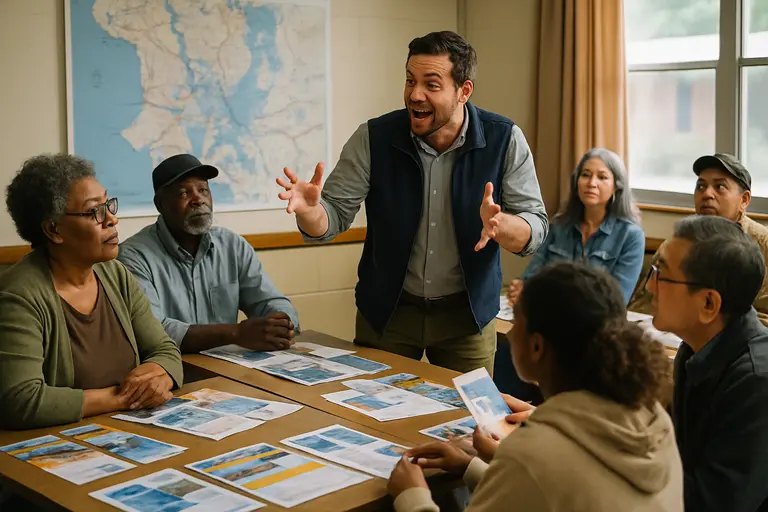
Why Basement Flooding Relief Matters
The Detroit Stormwater Project should be understood as a resilience investment, not only as a construction milestone. Basement flooding can affect household stability long after rain stops. Families may lose stored food, school materials, work clothing, furniture, appliances, family records, or medical supplies. Older adults and residents with disabilities may face extra barriers if stairs, utilities, or cleanup conditions are unsafe. Support-service groups often see these needs after public works crews have left the block.
That is why clear civic information matters. Residents need to know which agency led the work, what was completed, and where to look for official project details. Faith communities, neighborhood associations, and nonprofit partners can use that information to avoid rumor-based outreach. If a resident asks whether the project guarantees no future basement water, the accurate answer is no. The supported claim is that the project was built to reduce risk for about 1,200 homes and divert more than 119 million gallons of stormwater per year from the combined sewer system.
Faith And Neighborhood Groups
Detroit’s community support network can turn infrastructure news into resident help. A church office, parish hall, school partner, or block club can keep DWSD information available, remind residents to document flooding, and connect families to cleanup or home-repair resources when those resources are confirmed. The most useful role is not to promise outcomes that no public agency has promised. The useful role is to help residents ask the right questions and keep official information within reach.
Community partners can also review their own rain-response plans. If basement flooding occurs after a future storm, who checks on older residents? Who knows where cleaning supplies are stored? Who has contact information for nearby support groups? Who can help residents find official city updates before social media rumors spread? These questions are practical, local, and consistent with the support-service mission shared by many Detroit faith communities.
Related civic coverage from Saint Joseph Detroit has followed the same neighborhood issue in a report on Far West Detroit stormwater work. Readers who follow statewide community and support-service efforts can also find related Michigan coverage available through the network One United Michigan.
Detroit Stormwater Project Follow-Up For Far West Residents
Resident Follow-Up Questions
Now that the Detroit Stormwater Project has been completed, residents and neighborhood groups can focus on follow-up rather than construction updates. The first step is to keep the official DWSD project page and city contact channels available for residents who ask about the Far West work. The second step is to document any future basement flooding carefully, including the date, location, type of water issue, and any city reporting steps residents are instructed to use through official channels.
Support organizations should also be careful with claims about project performance. The research provided for this report confirms completion, cost range, construction elements, funding partners, homes expected to benefit, and projected annual stormwater diversion. It does not provide verified post-completion results from major storms after July 30, 2026. Until DWSD or another verified source releases that type of assessment, community groups should avoid saying the system has already proven a specific result after later storms.
A constructive next civic step is to pair infrastructure awareness with household preparedness. Residents can review gutters and downspouts, protect valuables stored in basements, keep cleanup supplies in a safe place, and share official DWSD project information with neighbors who may not use online city pages. Churches and support-service teams can keep a small resident checklist ready for rain events, including who to call, what to document, and how to request help if flooding affects food, medication, mobility, or safe housing.
The Far West project shows how public infrastructure and community care meet at the neighborhood level. DWSD and regional partners built the stormwater system. Residents, faith groups, and support-service organizations now have the task of staying informed, helping households prepare, and using verified public information when the next heavy rain tests local systems.