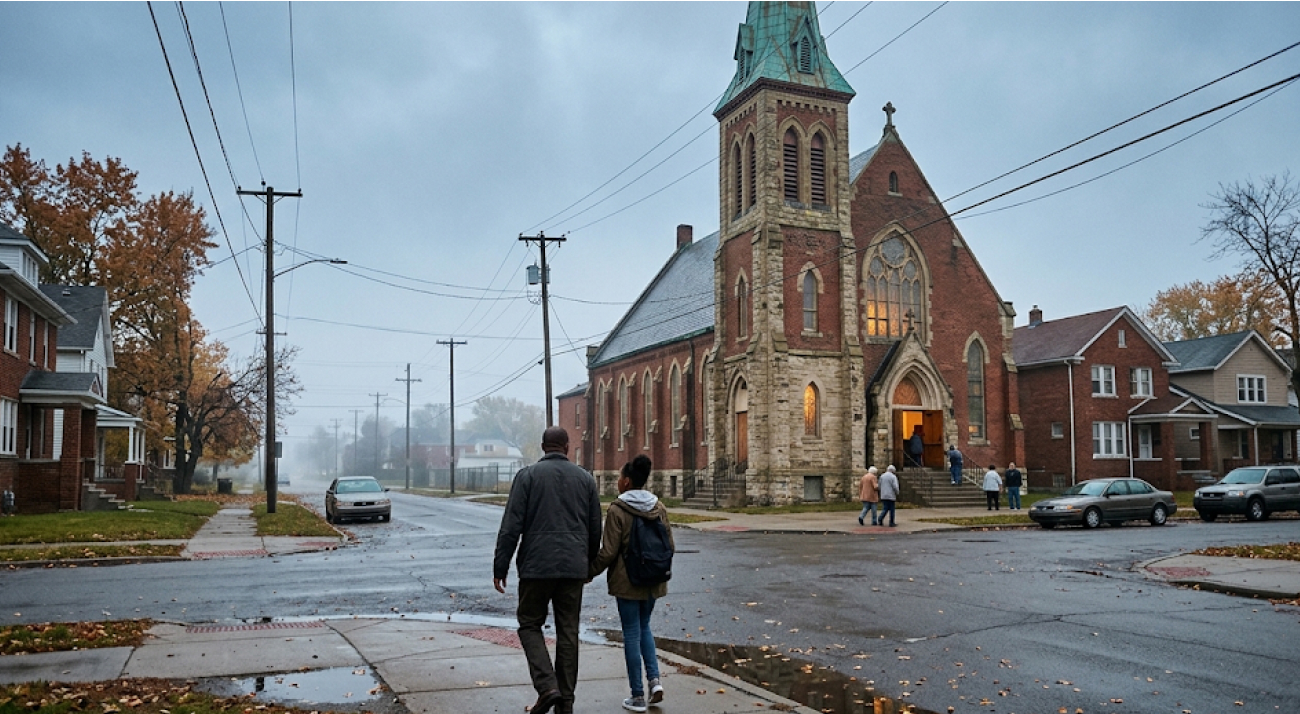
The Archdiocese of Detroit is entering a pivotal stage in its two-year parish restructuring initiative, releasing a new round of draft pastorate models on October 19, 2026, after months of feedback from Catholics across southeast Michigan. The revised proposals reflect the experiences, concerns, and suggestions of thousands of parishioners as Church leaders consider how to sustain vibrant Catholic communities amid declining Mass attendance and a shrinking number of available priests.
The announcement marks an important step for Detroit-area parishes, many of which have served families for generations. While the revised models are not final decisions, they provide a clearer picture of how parishes could be grouped together, how priests may be assigned, and how the Archdiocese of Detroit hopes to strengthen its pastoral mission for the years ahead.
For historic Catholic communities such as St. Joseph Shrine in Detroit, the process also raises broader questions about preserving parish identity, supporting local worship, and ensuring that the Church remains a meaningful presence in neighborhood life.
More Than 40,000 Catholics Helped Shape the Revised Proposals
The scale of public participation has been one of the most notable features of the restructuring process. According to the Archdiocese of Detroit and Detroit Catholic, more than 40,000 parishioners participated in 412 listening sessions held across the archdiocese during the spring of 2026. In addition, approximately 17,000 people completed an online survey sharing feedback on the initial proposals.
The listening sessions gave parishioners opportunities to learn about possible parish groupings, discuss concerns, and explain how proposed changes might affect their worship and community life. The online survey provided another channel for Catholics to respond after reviewing the draft models.
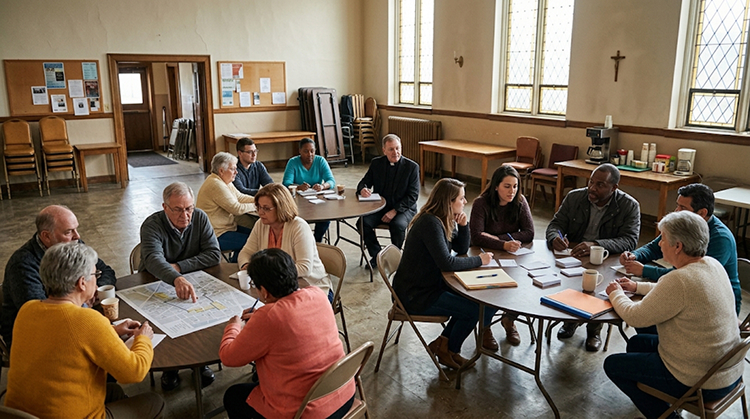
Feedback continued beyond the formal sessions. Archdiocesan officials said they also received thousands of emails and phone calls containing suggestions, additional context, and questions about the proposals. The restructuring team reviewed this material as it prepared the next round of models.
This participation matters because parish decisions can affect much more than weekend Mass schedules. Catholic churches are places where families celebrate baptisms, First Communions, weddings, and funerals. They also provide opportunities for prayer, religious education, charitable service, and relationships that may span several generations.
By incorporating parishioners’ experiences into the revision process, Church leaders are seeking to account for the differences between communities rather than relying exclusively on broad administrative or demographic considerations.
What Is Different About the Second Round of Pastorate Models?
The new proposals represent a refinement of the initial drafts released earlier in 2026. The first round presented three or four possible configurations for each planning area. The revised round reduces that number to two draft models for each of the archdiocese’s 15 planning areas, producing a total of 30 second-round models.
The models outline potential ways to group neighboring parishes into pastorates. A pastorate is a grouping of one or more parishes served by a pastor and his team. The aim is to organize pastoral responsibilities in ways that reflect the number of available priests, local circumstances, and the needs of the Catholic faithful.
The second round does not simply reproduce the earlier proposals. According to the archdiocese’s October update, some models are entirely new, others have been revised in response to feedback, and some remain unchanged. The updated materials will also explain why particular changes were made.
That explanation is an important part of the process. Parishioners will be able to compare the new proposals with the initial drafts and better understand how their comments, alongside other information, influenced the revisions.
However, the revised pastorate models are still proposals, not final decisions. The archdiocese has emphasized that the next round remains part of an ongoing period of consultation and discernment.
Why Detroit’s Catholic Church Needs a New Structure
The restructuring effort reflects several long-term changes in Catholic life across southeast Michigan.
The Archdiocese of Detroit says it now serves approximately 900,000 Catholics, compared with an estimated 1.5 million in earlier decades. Fewer than half of those Catholics attend Mass regularly, while declining sacramental participation and a smaller, aging priest population have placed additional demands on parish resources.
These trends affect the practical operation of parish communities. Priests may have responsibilities across several locations, historic buildings require ongoing maintenance, and some parishes face challenges sustaining ministries with fewer active participants.
Restructuring is intended to help address those realities while keeping the Church’s pastoral mission at the center of its decisions. By grouping parishes into pastorates, the archdiocese hopes to support priests more sustainably and help communities collaborate in worship, ministry, and service.
The challenge is to make necessary adjustments without overlooking local circumstances. Two parishes within the same geographic area may have different histories, populations, language needs, ministries, and relationships with the surrounding neighborhood. Those differences can influence whether a proposed grouping is practical and pastorally appropriate.
The new models give parish leaders and the faithful an opportunity to examine those considerations before final arrangements are approved.
How Parish Communities Are Responding to the Changes
The revised models arrive at a time when parishioners are balancing their hopes for the future with concerns about the places where they have practiced their faith for decades.
In an October 8 report, Detroit Catholic profiled three parish leaders helping their communities navigate the process: Carlos Folino of St. Ephrem Parish in Sterling Heights, Shelly Vavro of Our Lady on the River Parish in Marine City, and Jason Smith of St. Scholastica Parish in Detroit.
Their experiences illustrate the personal dimensions of restructuring.
Vavro, for example, has raised questions about the future of Mass at St. Mark’s Chapel on Harsens Island, one of the worship sites associated with Our Lady on the River Parish. The island’s seasonal population creates particular questions about maintaining regular worship and serving residents throughout the year.
Folino, who has been involved at St. Ephrem for approximately 40 years, helped facilitate listening sessions at several parishes. He observed that parishioners from different communities were eager to express their opinions and participate in discussions about the Church’s future.
Smith, meanwhile, has emphasized the importance of considering the declining number of priests and changing population patterns while remembering that the Church’s mission extends beyond any single building.
These perspectives show why communication will remain essential as the revised proposals are reviewed. Parishioners need reliable information about potential changes, opportunities to raise practical concerns, and pastoral support as they consider what restructuring could mean for their communities.
What the New Models Could Mean for Historic Churches
One of the most sensitive aspects of the restructuring process concerns the future of individual worship sites. For many Detroit-area Catholics, their parish church is not simply a building. It is where they were baptized, received the Eucharist, celebrated marriages, mourned loved ones, and built relationships with fellow parishioners.
The Archdiocese of Detroit has stated that decisions about parish mergers or church closures will require careful consideration of financial and sacramental records, demographic information, parish activity, and feedback from priests and parishioners. The draft pastorate models do not, by themselves, constitute final closure decisions.
This distinction is especially important for historic Catholic churches, whose architectural and cultural significance can extend beyond their immediate congregations.
St. Joseph Shrine, located at 1828 Jay Street near Detroit’s Eastern Market, is one example of the city’s longstanding Catholic heritage. Founded in 1855, its Gothic Revival church was completed in 1873. Its history illustrates how religious buildings can serve as enduring landmarks while continuing to support worship and community life.
The archdiocese’s restructuring process does not automatically determine the future of St. Joseph Shrine. Rather, its broader significance lies in the questions it raises for Catholic communities throughout Detroit: how can the Church sustain historic sacred spaces, support priests, and maintain accessible, active parish life as circumstances change?
These questions require careful consideration of each community’s particular history, resources, and pastoral needs.
What Happens Next in the Restructuring Process?
The release of the second-round draft models is an important milestone, but additional review will take place before final decisions are announced.
According to the Archdiocese of Detroit, the next steps include:
- October 19, 2026: Release of the second-round draft pastorate models.
- Late 2026: Further review by priests and key parish leaders, followed by consideration by the Archdiocesan Restructuring Commission and other consultative groups.
- April 2027: Expected announcement of final pastorate decisions and priest assignments.
- July 1, 2027: Scheduled start of the new pastorates and priest assignments.
Although the formal public survey has closed, parishioners can continue sharing relevant information and concerns through their parish leaders. The archdiocese also provides parish workbooks, planning-area information, frequently asked questions, and restructuring updates through its official restructuring website.
These resources allow Catholics to review the proposals affecting their communities and understand the factors being considered before final decisions are made.
The remaining months will be particularly important for identifying practical issues involving travel distances, church capacity, cultural and language traditions, and the availability of priests to serve different communities.
A Path Toward Renewal for Detroit’s Catholic Communities
The release of the second-round pastorate models represents a significant step in the Archdiocese of Detroit’s effort to prepare for the future. With more than 40,000 people participating in listening sessions and approximately 17,000 contributing through the online survey, the process has generated extensive feedback from Catholics across southeast Michigan.
The next challenge is to translate that feedback into a structure that supports sustainable parish life while respecting the distinct histories and needs of local communities.
For parishioners, the coming months will require patience, prayer, and continued engagement. For clergy and archdiocesan leaders, they will require careful discernment and clear communication about the reasons behind proposed changes.
Detroit’s Catholic heritage has been shaped by generations of people who built churches, supported schools, served neighbors, and passed their faith to their children. Preserving that legacy does not mean avoiding every change. It means ensuring that decisions about the Church’s future remain focused on worship, evangelization, pastoral care, and service.
As the Archdiocese of Detroit moves toward its expected April 2027 decisions, the central question remains how to build vibrant Catholic communities that can continue serving the faithful in the years ahead.