
The Day One Ready initiative gave Detroit families, schools, city staff, and outreach partners a shared back-to-school checklist before the 2026-27 school year began. Mayor Mary Sheffield and Detroit school leaders announced the effort on August 14, 2026, with a goal that students would be enrolled, meet district requirements, and have a reliable transportation plan before the first day of school, which was Monday, August 24, 2026 for most Detroit students, according to the City of Detroit announcement.
The timing matters for community outreach. A student who misses the first days of school can also miss schedule corrections, teacher introductions, transportation routines, and early attendance habits. Detroit’s 2026 effort treated readiness as a citywide task, not only a school-building issue. The work connected enrollment help, health services, transportation planning, and family communication into one public call to action before classes started on August 24, 2026 and, for some districts, August 31, 2026, as stated by the city.
How Day One Ready Was Implemented
Day One Ready Timeline For Families
The public launch came ten days before most Detroit students returned to class. That short window placed pressure on families and agencies to confirm practical details quickly: whether a child was enrolled, whether required forms were complete, whether the student knew the school-day route, and whether any health-related steps needed attention. The city attributed the effort to Mayor Sheffield, Superintendent Nikolai Vitti, charter school leaders, and the city’s Division of Youth & Education.
The initiative’s strength was its plain standard. Readiness was not described as a slogan alone. It meant enrollment, school-district requirements, and transportation planning. That gave churches, neighborhood groups, after-school providers, family service organizations, and school partners a clear way to help. A volunteer did not need to solve every school issue. A volunteer could ask whether the student had a school placement, knew the start date, had a route, and had been connected to the right school office.
Enrollment And School Requirements
DPSCD also used back-to-school events to move families through the practical steps that often delay a smooth start. The district announced Back-to-School Expos beginning August 7, 2026, where families could enroll new students, complete requirements, meet school staff, tour buildings, receive schedules, and access resources, according to the district’s Back-to-School Expos notice.
Those expos were an early implementation tool because they opened school readiness work before the mayoral call on August 14. For families who had changed addresses, selected a new school, or needed to confirm a schedule, the events gave a direct path to staff support. For outreach groups, the lesson is practical: school preparation needs in-person help before the first bell, especially for families balancing work hours, transportation limits, and paperwork.
Transportation Support Was Central To Readiness
Ride To Rise And Daily Bus Planning
Transportation was one of the most concrete parts of the initiative. The City of Detroit said the Ride to Rise program, launched on April 6, 2026, allowed Detroit K-12 students ages 5 to 18 to ride DDOT buses fare-free by showing a school-issued ID. The city also said the program received $1 million in state funding for the 2026-27 school year.
For students, a fare-free bus ride is useful only if the route is understood before school starts. The city’s readiness message pushed families to create that plan in advance. That means identifying the bus stop, timing the morning trip, planning the after-school return, and knowing what to do if a bus is missed. For community partners, transportation help can be as simple as hosting route-planning sessions, printing schedules from official sources, or calling families before the first week to confirm that a route has been tested.
The city also described added transportation supports: 50 Ride to Rise Ambassadors trained to ride DDOT buses during peak times, with 20 to 25 ambassadors deployed daily on high school routes. A related ride-share pilot targeted students experiencing chronic absenteeism connected to transportation barriers in four high schools, with the city saying the pilot would collect data on attendance impact and cost per student.
Saint Joseph Detroit has tracked similar school-day barriers through local transportation coverage. Families and outreach teams can compare those readiness steps with related reporting on Detroit student transportation support as they plan school-year check-ins.
Health Supports And Community Outreach Roles
Screenings, Immunizations, And Care Referrals
The readiness effort also included health and wellness supports. The city listed vision and hearing screenings on Fridays at specified locations, back-to-school immunizations, asthma and allergy action plans, and dental services through Medicaid at no cost for children under 21 through Healthy Kids Dental beginning October 1, 2026. Because today is September 26, 2026, that dental start date was still ahead at the time of this coverage.
Health needs can create attendance barriers if families are not connected to services early. A missed immunization requirement, unmanaged asthma concern, or unresolved vision issue can affect a child’s ability to stay in class and learn. The city’s approach placed health supports beside enrollment and transportation, which made the initiative more useful for families who needed more than a reminder about the first day of school.
What Outreach Partners Can Do Now
Community organizations can still use the model after the first day has passed. Churches, block clubs, youth programs, and family service teams can ask families whether students made it to school, whether the route worked, whether schedules were corrected, and whether any health referrals remain unfinished. Groups should avoid making claims about school rules without checking official district or city information, but they can help families organize questions before contacting a school office.
- Enrollment check: Ask whether each school-age child has a confirmed school placement and schedule.
- Transportation check: Confirm that the student knows the morning route, return route, and backup plan.
- Health check: Ask whether screenings, immunizations, action plans, or dental referrals are still needed.
- Attendance check: Follow up after absences and connect families to school staff when barriers appear.
Regional civic groups can support the same pattern by sharing verified school information, encouraging employers to understand family back-to-school needs, and connecting volunteers with trusted programs. Related community networks, such as the Trinity Chamber, play a vital role in helping local partners think about how business, school, and civic groups coordinate around family readiness.
What Detroit Can Measure After The First Month
Signals That The Plan Worked
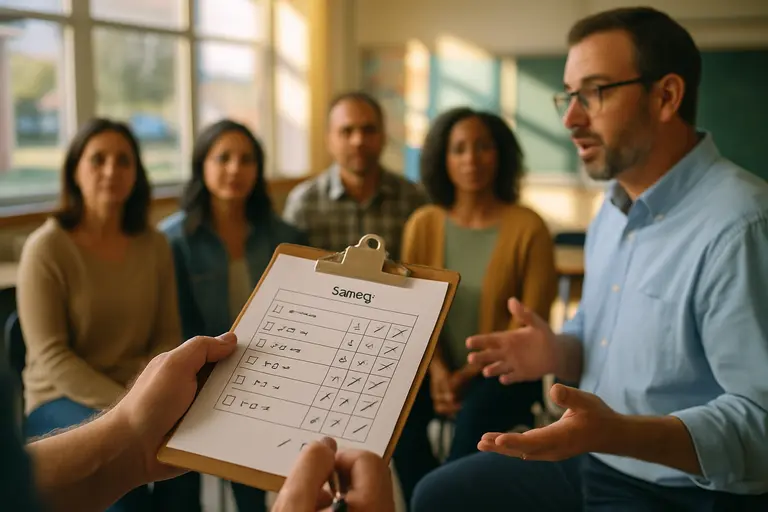
The initiative should be judged by practical signs, not by publicity alone. Useful measures include how many students started school with active enrollment, how many families used enrollment events, whether transportation barriers decreased for students served by Ride to Rise supports, and whether schools saw fewer first-week disruptions tied to missing paperwork or unclear routes. The city’s ride-share pilot was designed to collect data on attendance impact and cost per student, which could help officials decide whether that limited intervention should continue, change, or end.
Families and community groups also have their own measures. Did students know where to go on the first morning? Did parents know whom to call? Were school schedules available? Did students have a way home? Were health needs referred to the right service? These questions keep the focus on children and households rather than announcements.
Day One Ready In Detroit
The Day One Ready push showed that Detroit’s back-to-school preparation in 2026 was broader than enrollment alone. It joined school placement, district requirements, DDOT access, ambassadors, a targeted ride-share pilot, screenings, immunizations, and family outreach into one citywide readiness message. The first school dates have now passed, so the next civic task is follow-through: checking which students still need help, which supports worked, and which barriers appeared after classes began.
For Detroit outreach teams, the most useful response is steady and specific. Confirm enrollment. Confirm transportation. Ask about health needs. Share only verified information. Connect families to school staff rather than guessing. That is how Day One Ready can remain more than an August campaign and become a practical attendance support for students during the 2026-27 school year.