
The GOAL Line Expansion announced on September 10, 2026, gave Detroit families a larger city-backed after-school network for K-8 students, with Mayor Mary Sheffield committing $2.2 million to expand programming, transportation, and access across the city, according to the City of Detroit announcement. The city said the investment added seven public locations and brought the partner network to 40 sites, including schools, libraries, community centers, and recreation centers.
For parents, caregivers, schools, churches, and neighborhood groups, the civic value is direct: more supervised places for children after the school day ends, more academic and enrichment options, and a clearer role for community partners that help families find verified support. The city said the expanded program is projected to serve about 3,700 students during the 2026-27 school year, compared with around 2,708 students served through 2025.
What The GOAL Line Expansion Changed In Detroit
The city described the September 10 announcement as a historic funding commitment for after-school programming. The expansion moved GOAL Line from a smaller network to 40 partner locations across Detroit, with sites now placed in every City Council district, according to the city. That matters because after-school access is often shaped by distance, transportation, and whether families can find a trusted location near school, home, or a regular pickup route.
Where The Seven New Sites Were Added
The seven new public locations named by the city include four recreation centers and three Detroit public library branches. The recreation center sites are Helen Moore, Coleman A. Young, Joseph Walker Williams, and A.B. Ford. The library sites are Conely, Lincoln, and Chaney. The city said these locations were selected in previously underserved areas to improve equity in after-school access.
The site mix is significant for community outreach because libraries and recreation centers already serve as familiar public anchors for many families. A child may know a recreation center from sports, a caregiver may know a library from homework help, and a neighborhood group may already use those buildings for youth support. Placing after-school programming in those settings can make referrals easier for schools, congregations, and local service teams that help families identify practical options.
Why The GOAL Line Expansion Matters For Families
The city said GOAL Line includes nearly 60 individual programs and enrichment activities, with offerings in tutoring, arts, sports, STEM, and socio-emotional learning. Those categories show that the work is not limited to homework completion. It also connects students with structured activities that can build confidence, encourage peer connection, and support learning outside the regular classroom day.
The announcement also widened eligibility. For the first time, the city said GOAL Line would serve students from Detroit Public Schools Community District, charter schools, and home-school families. That change gives outreach workers a broader message to share: families do not have to assume the program is only tied to one school system. They still need to follow official enrollment and site instructions, but the city’s eligibility description is wider than before.
New Sites, Transportation, And Access
Transportation is one of the most practical parts of the announcement. The city said GOAL Line now provides safe, reliable transportation for students to and from after-school locations at all GOAL Line-partnered sites. For working families, grandparents, and caregivers without consistent afternoon transportation, that detail can decide whether a child can use a program at all.
For outreach teams, the GOAL Line Expansion should be treated as both an education update and a family support update. If a caregiver cannot pick up a child at 4 p.m., the presence of transportation may open an option that was not realistic before. If a student needs tutoring but also wants arts, STEM, or sports, the nearly 60 program options give families more room to match interests with support. If a congregation runs youth mentoring or food support, volunteers can help caregivers connect these public program details with the family’s real weekly schedule.
What Families Should Confirm Before Enrolling
Families should use official GOAL Line information from the city or program partners to confirm the closest site, grade eligibility, transportation arrangements, start dates, activity choices, and any required registration steps. The research available for this article confirms the citywide investment, new sites, program categories, transportation expansion, and projected student reach, but it does not provide a single enrollment form or site-by-site schedule. Because schedules and capacity can vary by location, families should avoid relying on copied flyers or outdated social media posts.
Community partners can reduce confusion by sharing only verified details and by helping caregivers prepare questions before they contact a site. Useful questions include: Which grades are served here? Is transportation provided from my child’s school? What time does programming end? Which enrichment activities are offered at this location? Is there a waitlist? What documents or contact information are needed?
- For schools: Send families to official program contacts and keep referral information current.
- For churches and faith-based groups: Help caregivers compare locations, transportation needs, and after-school pickup routines.
- For libraries and recreation centers: Keep front-desk staff ready with the latest site-specific instructions.
- For neighborhood organizations: Share verified information during parent meetings, food distributions, and youth events.
How Community And Faith Groups Can Respond
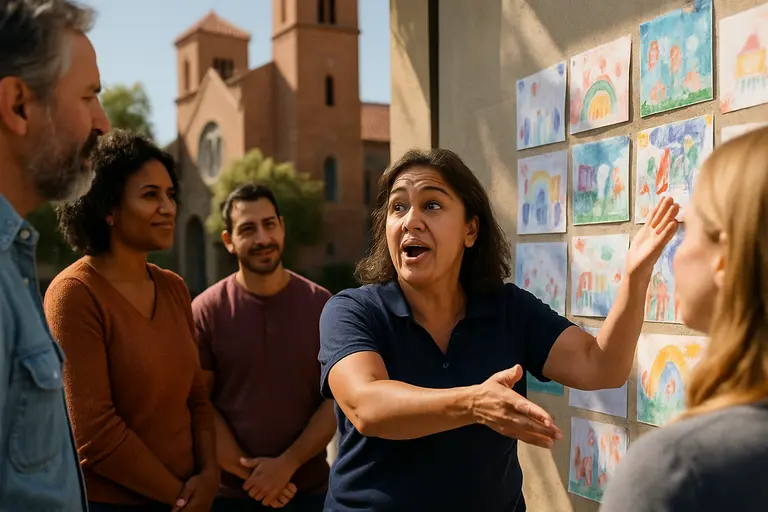
Education support does not end when a program is announced. Families often need help turning a public update into a workable plan. Faith-based organizations, block clubs, mentoring groups, and youth-serving nonprofits can support the city’s work by helping caregivers understand where programs are located, what transportation may cover, and how after-school time fits with family routines.
That response should stay practical. A church youth ministry, for example, can host an information table after service using confirmed city details. A neighborhood group can remind families that GOAL Line now has partner locations in every City Council district, as stated by the city. A tutoring volunteer can ask whether a child already has access to after-school academic support before offering a separate service. These steps help families avoid duplicate efforts and find the right support faster.
Connecting After-School Access With Safety And Belonging
Structured after-school programs can also support a stronger sense of belonging for children and families. The city’s listed program areas — tutoring, arts, sports, STEM, and socio-emotional learning — point to a model that includes both academics and personal development. That mix gives community partners a clear way to cooperate without replacing the program: they can help with referrals, family communication, transportation planning, and encouragement.
Saint Joseph Detroit previously covered related local education supports in its report on how the GOAL Line initiative expanded Detroit support. Readers interested in additional updates on public service initiatives can explore County Watchers for further coverage in the same network.
CBS Detroit reported that Mayor Sheffield also set a longer-term goal of having an after-school opportunity within two miles of every Detroit school, according to CBS Detroit coverage. That target gives community partners a measurable idea to watch: whether future site decisions continue to reduce distance barriers for families.
GOAL Line Expansion And Detroit Student Support
The GOAL Line Expansion gives Detroit a larger after-school framework at a time when families continue to ask for safe places, academic help, enrichment, and transportation after the school day. The verified facts are clear: the city announced a $2.2 million investment on September 10, 2026; seven public sites were added; the network reached 40 partner locations; service is projected for about 3,700 students in the 2026-27 school year; and the program now includes partner locations in every City Council district.
The next useful step is local follow-through. Schools can identify students who may benefit from tutoring or enrichment. Libraries and recreation centers can keep information current for walk-in families. Congregations can help caregivers ask the right questions. Neighborhood groups can share verified site information rather than rumors. Parents and guardians can confirm transportation, schedule, eligibility, and available activities directly through official channels.
The GOAL Line Expansion is not only a funding announcement. It is a call for coordinated family support around students in grades K-8. When public agencies, schools, libraries, recreation centers, and trusted community organizations communicate clearly, more children can reach the after-school help already being funded for them.