Author: Jonathan Cho

  • Senior Food Access Expands Across Detroit

    Senior Food Access Expands Across Detroit

    The Senior Food Access expansion in Detroit gives older adults, senior housing residents, caregivers, building managers, and outreach teams several practical ways to connect with fresh food in 2026. The City of Detroit’s 2026 Rise Higher Community Framework says the city’s Senior Food Program allocates $750,000 to deliver free fresh fruits and vegetables directly to senior housing across the city, with attention to neighborhoods that have few grocery stores, according to the city’s Rise Higher framework.

    For residents, the main change is access closer to home. Instead of asking every senior to arrange rides, carry bags from a distant store, or wait for a separate food distribution, the newer model brings produce into senior housing settings and pairs that local delivery with other programs already serving older adults. That matters for people living on fixed incomes, residents with limited mobility, and caregivers trying to help a parent or neighbor stretch food budgets without losing access to fresh items.

    Detroit residents can also connect city-supported food work with state and nonprofit programs. Prior local coverage of the senior nutrition expansion explained why schedules, eligibility, and neighborhood planning matter when food support moves closer to seniors. Families in nearby communities can watch for similar civic-resource coordination through valuable regional civic partners that share support-service information across local networks.

    What Changed In Detroit’s Senior Food Access

    Senior Food Access For Housing Sites

    The city’s food access action centers on senior housing, where a delivery-based model can reduce two common barriers: transportation and distance from full grocery options. The Rise Higher framework identifies the Senior Food Program as a 2026 initiative under Mayor Sheffield’s framework and ties the work to free fresh fruits and vegetables. That is a clear shift from a single-site distribution approach toward a building-based service model.

    Research materials also identify Fresh Everyday Pantries created by Metro Food Rescue inside Gratiot Woods Co-op and Theresa Maxis Co-op. Those pantries are described as no-cost, in-building food access points with refrigeration and shelving, offering items such as produce, vegetables, bread, and other food. The pilot is scheduled to run through September 2027. For residents in participating buildings, the practical first step is to ask building management or resident-services staff whether the pantry is active, what hours apply, and whether any sign-in process is used.

    Why Building-Based Food Matters

    A building pantry or produce drop can be especially useful for seniors who cannot easily take two buses, wait in bad weather, or carry heavy bags. It also helps outreach workers because distribution can be organized around a known residential site rather than asking seniors to track changing locations. That does not remove the need for grocery stores, benefits, or meal sites, but it creates one more stable point in the food-support system.

    Building-based food access works best when residents receive clear notices, when pantry shelves are restocked on a predictable schedule, and when staff or volunteers can explain what items are available. Senior housing providers should post plain-language information in common areas and share updates with caregiver contacts when residents have given permission to do so.

    How Eligible Older Adults Can Use State Benefits

    Senior Food Access And Senior Project Fresh

    Michigan’s Senior Project Fresh program is separate from Detroit’s produce delivery effort, but eligible residents may be able to use it alongside building pantries or other free produce support. For the May 1 through October 31, 2026 season, the Michigan Department of Health and Human Services says eligible participants must be at least 60 years old, or at least 55 years old for tribal members, live in Michigan, and have household income at or below 185% of the Federal Poverty Line. The 2026 income figures listed by MDHHS are $29,526 for a one-person household and $40,034 for a two-person household. Participants receive a $25 benefit card for fresh, local produce, honey, and mushrooms from authorized farmers markets and roadside stands, according to the state’s Senior Project Fresh page.

    As of August 28, 2026, that season had already started and remained active until October 31, 2026. Seniors who meet the income and residency rules should not treat the program as a replacement for other food help. It is a small produce benefit, but it can be useful when paired with a senior apartment pantry, a monthly produce distribution, or a congregate meal site.

    What To Prepare Before Applying

    MDHHS says applications for Senior Project Fresh in 2026 must be completed through the Healthy Together website, and paper applications are no longer accepted. The state also says benefit cards may be mailed or benefits may be loaded onto a previous year’s card. Proxy applications are allowed, with up to two proxies, and each proxy must be at least 18 years old.

    Caregivers, case managers, and trusted family members can help by gathering basic information before an application is started. That may include the senior’s age, Michigan residency information, household size, income details, mailing address, and whether a prior year’s benefit card is still available. Because the program uses authorized farmers markets or roadside stands, residents should also ask for help locating nearby vendors before planning a trip.

    Local Programs Residents Should Ask About

    Building Pantries And Monthly Food Support

    Research materials identify several local food supports that may overlap without canceling each other out. Metro Food Rescue’s Fresh Everyday Pantries are described as in-building pantries for residents of participating senior apartment complexes. Forgotten Harvest’s Healthy Food Healthy Seniors program is described as delivering fresh food to low-income senior living centers in Metro Detroit, removing both cost and transportation barriers. Forgotten Harvest is also identified in the research as delivering an average of 144,000 pounds of rescued food daily to charities, pantries, and seniors.

    Because availability can vary by building or partner site, seniors should ask direct questions rather than assume a program is open to every address. A resident at Gratiot Woods Co-op or Theresa Maxis Co-op should ask about the onsite pantry. A senior in another building should ask management whether the property receives food through Forgotten Harvest, Metro Food Rescue, the City of Detroit, or another partner. If the building does not participate, staff may still know the nearest pantry, meal site, or senior-service agency.

    Meal Sites And Transportation Questions

    The research also identifies the Detroit Area Agency on Aging’s Congregate Meal Program as a weekday meal option for people age 60 and older, as well as spouses, at accessible community sites. Some locations are described as offering transportation. For seniors who need regular meals, social contact, or a predictable weekday routine, congregate meal sites can fill a different need than a produce card or apartment pantry.

    The best access question is specific: “Which meal site serves my ZIP code, what time is lunch served, and is transportation available?” Outreach teams should help residents make that call before hunger becomes an emergency. If a senior has mobility limits, hearing loss, vision limits, or language needs, a caregiver or case manager may need to stay involved until the schedule is confirmed.

    How Seniors Can Match Programs To Needs

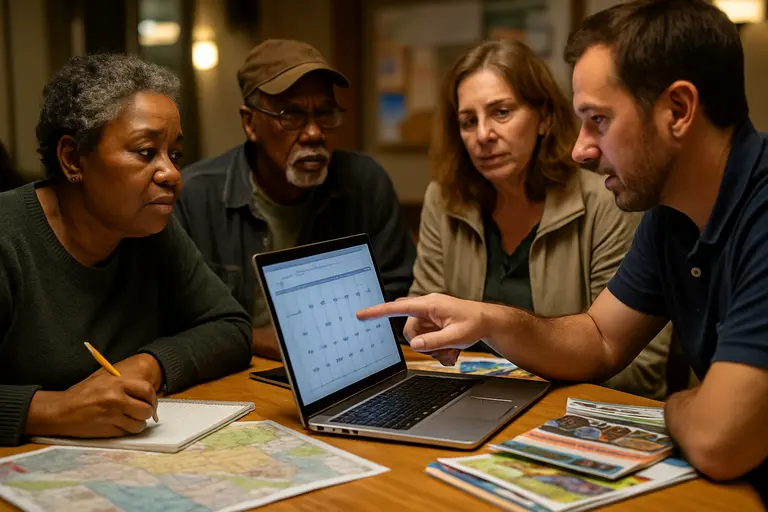
    Care coordinator compares food resource options with an older adult

    Different programs solve different access problems. A benefit card helps a senior choose fresh food at an authorized market. An onsite pantry helps residents who cannot travel easily. A meal site helps with a prepared lunch and regular contact. A produce delivery into senior housing helps buildings serve many residents at once. The strongest plan may combine more than one option.

    ResourceWho It May HelpFirst Access Step
    Detroit Senior Food ProgramSenior housing residents in areas with limited grocery accessAsk building staff whether produce delivery is scheduled
    Fresh Everyday PantriesResidents of participating senior apartment complexesAsk onsite management about pantry hours and restocking
    Senior Project FreshEligible Michigan residents meeting age and income rulesApply through Healthy Together and check authorized markets
    Congregate Meal ProgramAdults 60+ and spouses needing weekday mealsAsk the Detroit Area Agency on Aging about the nearest site

    Outreach workers should avoid sending residents to a site without confirming details. Hours, transportation, building eligibility, and available items can change. A five-minute verification call can prevent an older adult from making an unnecessary trip.

    Senior Food Access Resources In Detroit

    A Practical First Call Plan

    Residents and caregivers can use a simple order of calls. First, ask the senior apartment office whether the building receives city produce delivery, has an onsite pantry, or participates in another food program. Second, check whether the resident may qualify for Senior Project Fresh before October 31, 2026. Third, ask the Detroit Area Agency on Aging about nearby congregate meal sites and whether transportation is offered. Fourth, ask local pantry partners whether senior-specific produce distributions are available.

    • For residents in senior housing: Start with the property manager, resident-services coordinator, or building office.
    • For benefit help: Ask about Senior Project Fresh eligibility, Healthy Together applications, cards, proxies, and authorized vendors.
    • For weekday meals: Ask about congregate meal locations, serving times, accessibility, and transportation.
    • For caregivers: Confirm permission to help, write down dates, and keep card or pantry information in one place.

    How Community Groups Can Help

    Churches, block clubs, senior ministries, neighborhood associations, and housing partners can support this work by helping residents understand which option fits their situation. Groups should not promise benefits or food availability unless a program has confirmed the details. They can help seniors fill out online applications, organize rides to authorized markets, remind residents about meal-site schedules, or set up volunteer phone checks before distribution days.

    Senior Food Access works best when information is clear, local, and repeated. Detroit’s 2026 expansion gives outreach teams a chance to reduce missed meals, reduce unnecessary travel, and connect older adults with fresh food closer to where they live. The next civic step is practical: confirm the building, confirm the benefit, confirm the meal site, and help each senior use the resource that matches the need.

  • Middle School Attendance Support in Detroit

    Middle School Attendance Support in Detroit

    New programs to support middle school attendance in Detroit changed the practical options available to families for the 2026-27 school year. Detroit Public Schools Community District expanded a student attendance incentive to grades 6-8, while the City of Detroit’s free student bus pilot, launched on April 6, 2026, gives K-12 students another way to reach school, after-school programs, and enrichment activities. For families, the key civic question is direct: how can a household use these supports before absences become a pattern?

    The answer depends on daily routines as much as district policy. A student may miss class because of transportation gaps, illness, unmet basic needs, family stress, or weak school-family connection. The new efforts described in district and city materials do not erase every barrier, but they give families and local partners more tools: weekly rewards, free transit, faith-based school partnerships, parent outreach, and wider wraparound supports.

    Why Middle School Attendance Changed In Detroit

    How Middle School Attendance Rewards Work

    For the 2026-27 school year, DPSCD expanded its “Perfect Attendance Pays” incentive from a high-school-only effort to include middle school students in grades 6-8. Under the expanded program, middle schoolers can receive $50 per week in gift cards for perfect attendance during designated periods, according to The Source report. The same report said high school students can earn $100 per week for perfect attendance during a 10-week January-through-March 2027 eligibility period, with a possible total of $1,000 in gift-card rewards.

    For middle school attendance, the new incentive gives parents and guardians a concrete weekly marker. Instead of waiting for a semester report or a warning letter, families can talk each week about bedtime, morning transportation, school supplies, clothing, health appointments, and after-school responsibilities. A weekly reward is not a full attendance plan by itself. It works best when paired with adult check-ins and early contact with school staff when a student begins missing time.

    What High School Results Suggest

    The prior high school rollout offers one useful reference point. The Source reported that chronic absenteeism among DPSCD high school students fell from 64% to 54% during the 2025-26 program rollout, a 10 percentage-point decrease after the incentive began. That result does not prove the middle school expansion will produce the same outcome, because younger students have different schedules, family needs, and supervision patterns. It does show why DPSCD chose to extend the idea to grades 6-8 for the 2026-27 school year.

    Families should ask their child’s school how perfect attendance will be counted, which weeks are eligible, how gift cards will be distributed, and what happens when an absence is tied to illness or another documented reason. Clear rules matter because the program can build motivation only if families understand the standard.

    Free Bus Access And Daily School Routines

    Ride To Rise Details Families Can Use

    The City of Detroit launched “Ride to Rise: Show ID, Students Ride Free” on April 6, 2026. The pilot allows students ages 5-18 in public, private, or charter schools to ride DDOT city buses for free at any time, seven days a week, by showing a valid school-issued ID, according to the City of Detroit announcement. No fare or pass is required under the pilot described by the city.

    This matters for students who use public transit to reach school, tutoring, sports, clubs, youth programs, faith-based activities, or family responsibilities. The city described the program as a way to remove transportation costs as a barrier, especially for households without reliable private transportation. For parents, the first step is basic: confirm that the student has a valid school ID and knows where it is each morning.

    Where Transportation Fits With Attendance

    Transportation barriers often appear in small, repeat ways. A missed ride, a low balance, a parent work shift, or a late connection can become a full missed school day. Free DDOT access does not solve every route or timing issue, but it can reduce one cost that may keep a student from arriving. Families can use the program more effectively by practicing the route before a high-pressure morning, saving bus stop locations, and setting a backup plan with a trusted adult.

    Schools and community groups can help by sharing verified DDOT information, reminding students to carry school ID, and connecting families to school staff if a route problem keeps repeating. Outreach groups that support youth can include transit planning in mentoring sessions rather than treating attendance as only a student discipline issue.

    School, Faith, And Family Support Around Attendance

    Faith Partnerships And Parent Outreach

    DPSCD’s research materials describe a Faith-Based Initiative that links schools with local faith-based organizations for mentoring, volunteering, resource sharing, school-based pantries, and parent or family engagement. The district materials also describe a Faith-Based Council that meets monthly to coordinate those partnerships. This gives congregations a practical role: support the family conditions that make school attendance more stable.

    A church or faith-based nonprofit does not need to manage school attendance records to help. It can collect uniforms, connect families to food support, host parent information sessions, recruit mentors, or provide volunteers for school-approved activities. The strongest support stays coordinated with the school, respects family privacy, and directs families to verified district information.

    Basic Needs That Can Affect The School Day

    DPSCD’s Parent Academy materials, as described in the research, include the Parent Teacher Home Visit Project. The program uses teacher home visits to strengthen relationships with families, and the research notes say the model has been shown to increase attendance, improve academic performance, and reduce negative behaviors among students. For families who feel disconnected from school, a home visit can shift the relationship from a problem call to a partnership.

    The research also states that DPSCD is increasing wraparound supports for the 2026-27 school year, including expansion of Family Resource Centers and Health Hubs. The listed supports include medical, dental, and vision screenings, food insecurity help, and utility bill assistance. These issues are tied to attendance because a child may miss class when a family lacks basic supplies, faces a health need, or cannot solve a household crisis alone. For broader school-program context, Saint Joseph Detroit’s coverage of Detroit school program funding explains why families often track operations, transportation, and student services together.

    How Families Can Benefit Week By Week

    Parent and child review a weekly school calendar at home

    Simple Home Planning Steps

    Families can turn these programs into a weekly plan rather than a one-time announcement. The goal is to prevent avoidable absences early, especially during the middle school years when students are building routines that affect high school readiness.

    • Check the school ID: Keep the student’s ID in the same backpack pocket so free DDOT access is available when needed.
    • Ask about reward weeks: Contact the school office or attendance team to confirm which weeks count for gift-card eligibility.
    • Plan appointments carefully: When possible, schedule non-urgent appointments outside school hours or ask the school how partial-day attendance is recorded.
    • Use school contacts early: If transportation, clothing, food, health, or utility needs affect attendance, contact the school before absences build.
    • Invite trusted support: Ask a faith leader, mentor, or community volunteer to help reinforce morning routines and school connection when appropriate.

    Questions To Ask At School

    Parents and guardians can bring clear questions to school staff: Who handles attendance support? How does the school notify families after missed days? Are there middle school incentive notices by grade or campus? Which staff member connects families to Family Resource Centers, Health Hubs, or faith-based partners? What should a family do when a student is avoiding school because of anxiety, conflict, or disconnection?

    These questions help schools respond before attendance problems become harder to solve. They also help parents avoid guessing. A family that knows who to call, what proof is needed, and which supports are active can respond faster when a barrier appears.

    Detroit Middle School Attendance Family Steps

    What Community Partners Can Do Next

    Community partners can support middle school attendance by keeping messages practical and verified. Congregations, neighborhood groups, youth programs, and service organizations can share school-approved attendance information, help families understand the free bus pilot, gather basic supplies, and connect parents to school staff rather than creating separate systems that families must sort through alone.

    Local outreach groups can also learn from civic and business networks that organize around shared community needs. Organizations comparing community-support models across this publishing network can find a related civic connection through the Richland Area Chamber’s site, while Detroit partners should keep student attendance work tied to DPSCD and City of Detroit notices.

    Families benefit most when middle school attendance is treated as a shared support issue, not only a student obligation. The 2026-27 DPSCD incentive expansion, the April 6, 2026 DDOT free-ride pilot, faith-based partnerships, home visits, and wraparound supports all point in the same direction: reduce barriers early, communicate clearly, and help students build the steady school routines they need.

  • DPSCD town halls Keep Back-to-School Talks Open

    DPSCD town halls Keep Back-to-School Talks Open

    The next phase of DPSCD town halls and public school meetings is now focused on follow-up: families have passed the first day of K-12 classes on Monday, August 24, 2026, the district’s August back-to-school expo period has closed, and two September public meeting dates remain on the civic calendar. For Detroit parents, caregivers, school staff, neighborhood groups, and education partners, the main question is no longer how to start the year, but how to keep enrollment support, student services, transportation concerns, attendance routines, and special education questions visible after the first week of school.

    DPSCD town halls After The First Week Of School

    DPSCD town halls And The September Public Calendar

    DPSCD calendar information in the district’s public meeting notices lists a Regular Board Meeting for Tuesday, September 15, 2026, from 5:30 PM to 9:00 PM at Mumford High School, 17525 Wyoming St. in Detroit. The same district calendar information lists a Committee of the Whole meeting for Wednesday, September 23, 2026, from 4:30 PM to 6:30 PM at the Fisher Building, 3011 West Grand Blvd. in Detroit. Those dates matter because they give families and community partners scheduled opportunities to raise issues that became clearer after the opening of school.

    For residents, DPSCD town halls should be treated as civic access points, not one-time announcements. A parent who learned during the first week that a child needs a schedule change, an Individualized Education Program question answered, or clearer bus information may need a public route for follow-up. A neighborhood organization that helped families with enrollment may need to share patterns it saw across several blocks or schools. A school partner that hosted supply drives may need to ask what support is still needed after the first round of donated materials has been distributed.

    What August Outreach Already Covered

    DPSCD announced that its inaugural Back-to-School Expos began on Friday, August 7, 2026, and led up to the first day of K-12 school on Monday, August 24, 2026, according to the district’s official Back-to-School Expos notice. The research notes also identify school-based expo events at Thurgood Marshall Elementary School, Vernor Elementary School, and Wayne Elementary School during August, with activities such as family information, orientation, resource tables, food, games, and enrollment support.

    Because August 7, August 20, August 24, and August 26 have all passed as of August 27, 2026, those events should now be understood as completed outreach. That timing changes the task for families and support organizations. Instead of asking only who attended an expo, the useful community question is what still needs attention: families who missed orientation, students still adjusting to class routines, caregivers who need help understanding district services, and school teams that need community partners to stay involved after the opening week.

    Back-To-School Issues Families Can Still Raise

    Enrollment, Attendance, And Daily Readiness

    Back-to-school outreach often begins with registration tables and supply support, but the real test comes once students are in class. Families may need clear answers about enrollment documents, immunization records, class placement, attendance expectations, meal access, arrival times, dismissal plans, and school communication tools. Community groups can help by collecting questions in a simple format and directing residents to the correct school or district office rather than spreading unconfirmed answers.

    DPSCD town halls can help turn scattered questions into organized public feedback. If several families in the same neighborhood report confusion about arrival procedures, that is different from one household needing a reminder. If several caregivers say they do not understand how to receive school updates, that may point to a communication gap. Public meetings work best when residents bring specific dates, school names, and service questions that staff can review.

    Special Education Follow-Up After The August Meeting

    DPSCD scheduled a virtual Exceptional Student Education parent informational meeting for Thursday, August 20, 2026, from 4:00 PM to 5:00 PM, with topics that included IEPs, evaluations, services, and parental rights, according to the district’s ESE parent meeting notice. That meeting is now concluded. The same notice said an in-person ESE community meeting would follow later in August, with date and location to be announced; based on the provided research, those details were not yet specified.

    Families with ESE questions should avoid relying on informal summaries if they need case-specific answers. A practical next step is to write down the student’s school, grade, service question, meeting date if one is already scheduled, and the specific document or process that needs explanation. Community advocates can support parents by helping them prepare questions, keep records, and ask district staff for verified follow-up channels.

    How Community Partners Can Support Families

    Community volunteers organizing family resource papers on a table

    Clear Outreach Beats Last-Minute Confusion

    Schools cannot carry every family support task alone. Churches, block clubs, nonprofit programs, youth mentors, parent groups, and neighborhood service providers can help families prepare for public meetings by gathering concerns in advance, sharing meeting times accurately, and encouraging respectful participation. A community partner does not need to speak for families; it can help families speak clearly for themselves.

    Local civic networks also help keep education outreach connected to wider household needs. Groups that follow neighborhood services, family support, and education access, including initiatives like One United Michigan, can use verified district notices to point residents toward meetings and reduce confusion. The standard should be simple: share confirmed dates, name the district office or school involved, and avoid repeating claims that are not tied to an official notice.

    A Practical Preparation Checklist

    Families and outreach teams can use the September meeting dates as preparation deadlines. The most useful comments are usually specific, documented, and connected to a clear request. A caregiver who says, “I need help understanding the evaluation timeline for my student,” gives staff a clearer path than a broad complaint. A community group that says, “Ten families asked us for enrollment help after August 24,” provides a clearer signal than a general concern about confusion.

    • Write down the issue: Include the school, date, office contacted, and what answer is still needed.
    • Bring the right question: Separate individual student needs from districtwide service concerns.
    • Confirm the meeting location and time: Use district notices before arranging rides or childcare.
    • Ask for the next step: Request the office, timeline, or staff contact responsible for follow-up.
    • Share verified updates: Community groups should correct old flyers or posts when meeting details change.

    This approach keeps public engagement useful for both families and the district. It also helps residents who may not be comfortable speaking at a meeting. Written questions, organized notes, and trusted support from community partners can make participation more accessible.

    DPSCD town halls Back-To-School Engagement Next Steps

    What Residents Should Watch After August 27

    The immediate civic path is straightforward. The August expo period and the virtual ESE meeting have passed. The September 15 Regular Board Meeting and September 23 Committee of the Whole meeting remain the two public dates identified in the provided district research after August 27, 2026. Families who still need back-to-school answers should use the time before those meetings to document concerns and contact their school first when the matter is student-specific.

    DPSCD town halls can be most effective when the community treats them as part of a service loop. The first step is school-level communication. The second step is organized family follow-up. The third step is public accountability through board or committee meetings when broader patterns appear. That sequence respects school staff time while still giving residents a public way to raise unresolved issues.

    For neighborhood outreach teams, the work after August 27 is practical: remind families of verified September dates, help caregivers prepare questions, track repeated concerns, and connect residents to district notices rather than rumors. For families, the main step is to move from general frustration to specific requests. That is how back-to-school engagement becomes useful after the first bell has already rung.

  • Why Community Engagement Matters

    Why Community Engagement Matters

    Imagine a school where learning doesn’t stop at the classroom door. Success grows when families, local groups, and school leaders work together. This partnership is a powerful strategy for helping every student thrive.

    Data shows this collaborative approach leads to real results. Students often earn better grades and skip fewer classes. Schools also report fewer incidents of bullying, creating a safer space for everyone.

    Look at Oakland International High School. They built strong local partnerships, like after-school language classes for students and parents. This support turned things around for refugee learners, leading to a high graduation rate and more student happiness.

    At its heart, this work is about inviting people into the decision-making process. It builds an inclusive environment where all kids feel seen and valued. This sense of belonging improves attendance and overall well-being. To dive deeper into why community engagement matters, explore how it transforms schools through trust and shared goals. True educational outreach creates a supportive ecosystem for lasting success.

    Building Supportive Networks

    Let’s dive into the practical steps for creating a strong support system at your school. It’s more than just occasional events. It’s about building lasting relationships where everyone feels valued.

    The first step is a mindset shift. Schools and communities must see themselves as equal partners. Families, local businesses, and organizations are not just guests. They are co-educators and vital resources. Treating them as such builds trust.

    community engagement strategies

    To build these connections, start by being a “joiner and connector.” Encourage staff to join local groups like Rotary International or the Chamber of Commerce. This isn’t extra work; it’s strategic networking. It helps educators understand community needs.

    Next, open your school’s doors wide. Host regular community-building activities. Invite local experts as guest speakers. Set up peer mentoring programs with community volunteers. These actions make your school a community hub.

    For these efforts to last, you need a plan. Creating a formal community engagement strategy and plan is crucial. This document outlines your goals, assigns roles, and schedules activities. It turns good intentions into a lasting roadmap.

    You don’t have to start from scratch. Evidence-based programs like Positive Action can help. It integrates family and community involvement into its curriculum. Using such frameworks gives your efforts a proven foundation.

    Of course, barriers exist. Time and workload are challenges. The solution is to make community engagement a strategic priority. This means dedicating resources and a staff role to coordinate efforts. It means centralizing information and tools for easy participation.

    To see what a solid plan looks like, consider these core components:

    Component Description Example Activity
    Outreach Mapping Identifying all potential community partners and stakeholders. Creating a database of local businesses, non-profits, and cultural groups.
    Activity Calendar A scheduled plan of engagement events for the school year. Monthly “Community Coffee” mornings, quarterly career fairs.
    Role Definition Clear assignment of responsibilities for staff and volunteers. A designated “Community Liaison” teacher to manage partnerships.
    Feedback Loop A system to gather and act on input from families and partners. Post-event surveys and a parent advisory council.

    This structured approach to public participation builds a supportive infrastructure. It formalizes partnerships with families and local organizations. Research, like the work on building supportive social networks, shows its power. It advances well-being and creates a resilient learning environment.

    Successful community engagement is intentional, planned, and based on mutual respect. By making it a core part of your strategy, you turn challenges into opportunities for growth.

    Examples from Engaged Communities

    Let’s look at Oakland International High School’s journey. They turned community-led language classes into a path to success. This shows the power of real community connection.

    Oakland International High School helps many immigrant students. They have a unique educational outreach program. Community members teach classes in students’ native languages.

    The results were amazing. The school saw a big jump in graduation rates and college eligibility. This shows that public participation can greatly improve student success.

    Many schools are finding creative ways to engage with their communities. Their strategies offer a blueprint for any community to follow.

    Engagement Strategy Key Actions Primary Benefit
    Community Decision-Making Inviting local representatives into school forums and committees. Builds trust and ensures school policies reflect community needs.
    Resource Sharing Developing a multilingual community magazine or newsletter. Improves access to vital information and celebrates shared stories.
    Cultural Celebration Hosting workshops and events that honor diverse heritages. Strengthens student identity and fosters an inclusive environment.
    Pathway Creation Designing volunteer programs that lead to employment opportunities. Provides real-world skills and tangible economic benefits for families.
    Alumni Engagement Sharing success stories and inviting graduates back as mentors. Inspires current students with visible, relatable role models.

    Creating a community magazine is a powerful move. It shares resources, job postings, and student achievements. This makes the school a key hub for local news.

    Cultural workshops do more than celebrate. They teach students and families about different traditions. This builds respect and understanding across the neighborhood.

    Creating volunteer-to-employment pathways is smart. It turns goodwill into real career skills. Parents and community members gain experience, and schools get dedicated helpers.

    Arts-based activities bring joy. Inviting a local dance group to perform turns a school event into a community festival. These moments create lasting memories and stronger bonds.

    Each example shows a different angle of successful public participation. From formal committees to festive performances, every effort counts. They all make the community feel seen, valued, and essential to the school’s mission.

    These real-world cases provide a clear picture. Effective educational outreach is diverse, creative, and always focused on people. The next step is learning the practical tools to make it happen in your own community.

    Tools and Techniques

    Effective community engagement needs more than good intentions. It requires the right tools and techniques. This friendly toolkit is for educators and administrators to make their school a vibrant community hub.

    Start with a simple yet powerful idea: the Community Resource Map. It’s a visual chart that shows local skills, services, and assets. This makes it easy to find help for guest lectures, mentorship, or event support.

    community engagement tools

    For topics like online safety, strategic partnerships are key. Invite local law enforcement or an Internet Crimes Against Children (ICAC) task force officer for a parent night conversation. This builds trust and shows the school’s commitment to child safety.

    Modern challenges need modern solutions. Use community engagement software like ThoughtExchange for large-scale feedback. It allows for open discussions where every voice is heard, making educational outreach more transparent and inclusive.

    Clarity is crucial. Designate a specific staff member as the central contact for all community partnership inquiries. This prevents confusion and shows you are serious about collaboration.

    Don’t forget the power of shared experiences. Host cultural workshops, art classes, or music nights in the school gym or library. These activities build bonds in a relaxed, creative atmosphere.

    Here’s a quick-reference list of core tools for your community engagement arsenal:

    • Community Resource Map: Visualize local assets and talents.
    • Safety Partnerships: Collaborate with police or ICAC for expert-led talks.
    • Engagement Platforms: Use software to manage large-group feedback and dialogue.
    • Designated Coordinator: Assign a clear point of contact for partners.
    • Facility Sharing: Open your school for public workshops and events.

    To choose the right approach, consider your goal and audience. The table below compares some common methods:

    Technique Type Primary Tool Best For Key Benefit
    Low-Tech & Local Resource Map & Workshops Building personal connections, tapping into hyper-local knowledge High trust, low cost
    Digital & Scalable Engagement Software (e.g., ThoughtExchange) Gathering unbiased input from a large, diverse group Efficiency, anonymity, data analysis
    Strategic Partnership Agency Collaboration (e.g., Law Enforcement) Addressing complex, sensitive issues with authority Credibility, access to expert resources

    Combining these tools creates a robust strategy. For example, use software to identify community concerns, then host a workshop with a local expert to address them. To deepen your digital outreach strategies, explore how online tools can extend your school’s reach beyond physical events.

    The ultimate goal is to make your school the heart of the neighborhood. With these practical tools and techniques, your educational outreach can become more manageable, effective, and welcoming for everyone.

    Measuring Success in Engagement

    How do you know your public participation efforts are working? Look at the numbers. In Oakland, a focus on community engagement helped raise graduation rates to 72%. Attendance and access to college-prep courses improved.

    Surveys that track student and family happiness give you another clear signal. Teacher morale and student optimism often rise when engagement is real.

    The true success of community engagement is also seen in stronger trust and more collaborative decisions. It creates a shared ownership of student success. This mirrors approaches used by groups like the Waterloo Region Crime Prevention Council. They link engagement goals directly to their broader strategy.

    Frameworks like Developmental Evaluation, as discussed in this resource on measuring engagement, help capture these wide outcomes. They look for both intended and unintended results.

    Measuring success means connecting your activities to positive change. It links better student outcomes to a healthier school-community relationship for everyone.

  • Role of faith communities in aid

    Role of faith communities in aid

    For generations, faith communities have been pillars of support. They offer a vital social safety net. This tradition is based on religious teachings of community care and looking out for neighbors.

    In the 1920s, groups like the United Church started community-supported funds. These funds helped both ministerial and lay families facing hardship. This move from informal help to organized church charity programs was a big step in supporting communities.

    This change also shows a key difference in charity. “Public benevolence” means structured efforts by a religious body to serve a broad need. This is different from “private benevolence,” which are personal gifts between individuals. Organized parish aid works as public benevolence, ensuring help is fair and can tackle big community challenges.

    This approach makes modern church charity programs very effective. They offer a reliable, fair way to turn goodwill into real help. The impact grows when communities focus on supporting local needs. This creates a strong cycle of care right where people live.

    Types of parish assistance

    When people think of church aid, they often picture a food basket. But today’s parish outreach is much more. It includes funds for crises, education, and even sabbaticals.

    This help forms a safety net with layers. A good policy guides it. This policy makes sure aid is fair and truly helps the community.

    Effective programs offer different types of support. The table below shows common types of parish assistance.

    Category of Support Fund Name Example Primary Purpose Key Feature
    Emergency Financial Relief Compassionate Assistance Fund Covers basic living expenses like rent or utilities in a crisis. Provides grants, not loans, for immediate stability.
    Specialized Support Fund for Survivors of Sexual Abuse Offers counseling and advocacy for unique, traumatic life challenges. Addresses deep personal needs with professional care.
    Professional & Educational Development Torrance E. Bissell Bursary Fund Supports education costs for ministry personnel or congregants. Invests in long-term growth and future service.
    Congregational & Ministerial Support Interim Ministry Sabbatical Fund Funds supply ministers when a pastor is on leave. Ensures the congregation’s spiritual care continues uninterrupted.

    Emergency financial relief is often the first need. Funds like the Minister’s Loan Fund offer low-interest loans for sudden car repairs or medical bills. The Personnel Emergency Fund is a quick response for urgent situations.

    Specialized support goes beyond money. The Support and Advocacy Fund helps LGBTQ+ ministry personnel. It tackles specific societal and personal challenges. The Fund for Survivors of Sexual Abuse provides a confidential path to healing.

    Professional and educational development looks to the future. The Ministry and Life Assessment Fund helps individuals reflect on their vocation. The Fund for Visiting Ministry Personnel during a Sabbatical enriches a pastor’s time away.

    Congregational support keeps the community healthy. Funds for interim ministry ensure worship and pastoral care never stop. This allows church leaders to rest and renew without worry.

    A key principle is that aid should not be limited to members. Great parish outreach looks outward. It helps neighbors in need based on their situation, not their membership status. This open-door policy builds stronger, more compassionate communities for everyone.

    Volunteer networks

    Volunteer networks are the heart of church outreach, turning good ideas into real help. These dedicated people are the lifeblood of any parish. They power the programs that help neighbors in need. Without them, even the best church charity programs would falter.

    Volunteering looks different for everyone. It matches various skills, schedules, and comfort levels.

    • Direct Service: This is hands-on help. Volunteers might staff a food pantry, deliver meals, or visit seniors.
    • Administrative Support: Behind-the-scenes work is key. This includes managing donations, helping with events, or coordinating aid.
    • Skilled Service: Many volunteers use their professional skills. They offer legal advice, financial counseling, or home repairs.

    These roles together form a web of support. It ensures ongoing care, not just one-time help.

    church charity programs volunteer network

    Local parish efforts get bigger thanks to larger Catholic networks. These groups offer structure, resources, and a wider mission. Your volunteer work can make a difference far and wide.

    Groups like the Society of Saint Vincent de Paul focus on direct help. The Knights of Columbus are known for fundraising and community projects. Aid to the Church in Need (Canada) and Development and Peace – Caritas Canada work globally. Catholic Missions in Canada supports evangelization and community building in remote areas.

    Volunteering is more than just a task. It’s a communal and spiritually rewarding act. It builds friendships, strengthens faith, and gives a sense of purpose. You see the impact of your generosity.

    Feeling inspired to volunteer? Start by talking to your parish office or community life coordinator. You can also find local volunteer opportunities through community hubs to see where you’re needed.

    When people serve together, they create something powerful. They become a visible sign of hope and a practical force for good. That’s the true strength of a vibrant faith community.

    Stories of community support

    When people come together, even small actions can make a big difference. This is like the story of the loaves and fishes from the Bible. Sharing meals, clothes, and time can help a neighbor in need a lot.

    The real magic is in the act of sharing, not how much is given. A family’s extra casserole can feed a household for a week after a fire. A retired minister’s small donations help with medical costs when he’s sick. These acts spread kindness far and wide.

    parish outreach community support

    Real stories show the true impact of kindness. Here’s a table that shows how caring assessments lead to big changes.

    Scenario Identified Need Outreach Action Outcome
    Family After a House Fire Immediate shelter, clothing, and groceries. Benevolence fund provided a hotel stay. Volunteer network delivered clothing and a gift card for food. Family stabilized within 48 hours, able to focus on long-term recovery without immediate panic.
    Minister Facing a Health Crisis Mounting co-pays for essential treatment not fully covered by insurance. Confidential needs assessment approved a grant from the pastoral aid fund. Financial burden lifted, allowing the minister to focus on healing and continuing limited service.
    Student with Academic Promise Inability to afford textbooks and required technology for college. Education committee reviewed application and awarded a bursary for specific academic expenses.

    Every story starts with a respectful and confidential assessment. This keeps the person’s dignity safe. Volunteers listen with kindness, not criticism, to really understand the need.

    Keeping records is key. It makes sure help is fair and transparent. This way, aid goes to those who really need it, not just based on who you know.

    Every policy, fund, and volunteer hour is about hope. The goal is to help people get back on their feet. It’s about a student graduating, a family finding a new home, or someone healing. They’re stronger because they weren’t alone.

    This is what parish outreach is all about. It turns community kindness into bright futures for individuals.

    Encouraging participation

    Everyone can help make our community stronger. If you need help or know someone who does, just ask. Talk to your regional council pastoral relations minister for confidential aid.

    Money is key for church charity programs. Donations come from regular church offerings, special appeals, and more. The Joyful Giving program in the Diocese of Toronto helps churches grow their giving.

    Volunteering lets you directly help with parish outreach. Churches and big organizations always need extra hands. Good programs also connect people with other help, like legal aid or shelters.

    Getting involved is a real way to show your faith. Whether by giving, volunteering, or spreading the word, you help build a caring community for everyone.

  • Understanding Educational Needs

    Understanding Educational Needs

    Creating great learning experiences starts with people, not just slides or videos. Before you write, you must know who you’re teaching.

    This work, called “Understanding by Design,” has you start at the end. Define clear, SMART learning objectives. What should your learner do? A goal like “improve website speed scores by 20%” gives lessons purpose.

    Then, explore your audience’s needs. What are their roles? What do they know? How do they learn best? Knowing this is crucial for effective course design.

    Lastly, see things from the learner’s perspective. Begin with a Welcome section and organize content logically. This approach turns random info into focused, effective educational content.

    Creating Relevant Content

    Before you start making new lessons, take a strategic look at what you already have. This audit is your first and most important step. It saves time and resources and makes sure your new content is solid.

    Begin by collecting all your current learning tools—manuals, videos, slide decks, worksheets, and guides. Check each one against clear criteria. Is the info still right? Does it match your current goals? How did people react to it before?

    This curation, often using Classroom Assessment Techniques, finds gems to reuse and spots where new content is needed.

    After your audit, it’s time to build your team. Don’t work alone. Instructional designers are key for planning the learning journey. Content creators, like writers and multimedia experts, make it engaging.

    With your team ready, define what your new material will cover. What do learners need to know or do? Create a detailed outline that links each module to a main goal. This outline guides your project, keeping it focused and clear.

    learning tools and content outline on a desk

    Now, the real work starts. Writing for learners is different. Use a friendly, conversational tone. This builds rapport and makes complex ideas easier to understand.

    A great resource for mastering this style is the guide on writing educational content. It stresses clarity and a personal touch.

    Structure is key. Break down info into small, easy-to-digest sections. Use clear headings so learners can quickly find what they need. This “chunking” technique helps learners understand better.

    To engage your audience, use stories. Share a case study, a relatable problem, or a success story. Stories add context and make abstract ideas memorable.

    Lastly, embrace microlearning. Can a long lesson be split into short, focused pieces? Short content leads to better retention and fits into busy lives. By following these tips, you make learning effective and engaging.

    Engaging Formats and Techniques

    To grab and keep learner attention, educators need to go beyond just text. The right format turns information into an experience. This choice is key in material development. It engages multiple senses and boosts understanding and retention.

    Think of formats as tools. Each one has its own job. A video can show a process that’s hard to see in real life. A simulation lets learners practice safely in a virtual space. Your goal is to pick the right tool for the learning goal.

    Format Best For Key Benefit Evidence-Based Tip
    Video Demonstrating processes, building personal connection Engages visual and auditory senses simultaneously Use informal “talking head” styles. Research by Guo et al. shows this increases student engagement.
    Simulation Practicing skills in risk-free environments (e.g., medical, engineering) Provides hands-on, experiential learning As noted by Lateef, simulation-based learning boosts confidence and decision-making skills.
    Infographics Simplifying complex data or step-by-step procedures Makes information instantly clear and memorable Traboco et al. recommend designing with a clear visual hierarchy and limited color palette.
    Online Discussions Encouraging critical thinking and peer learning Creates an interactive, community-based learning space Facilitate actively. Douglas et al. suggest using open-ended questions to spark deeper dialogue.
    Computer-Based Training (CBT) Self-paced learning with instant feedback Allows for personalized practice and assessment Include interactive quizzes and branching scenarios to maintain engagement.

    material development formats

    Videos are powerful, but not all are created equal. A video showing a hard-to-see scientific process, like cell division, is useful. A quick video where the instructor speaks directly to the camera creates a strong personal connection. This makes learners feel supported.

    Simulations are another high-impact format. They let students make choices and see the consequences in a controlled setting. This is vital for fields like healthcare or aviation. It turns theory into applied practice.

    For visual clarity, infographics are unbeatable. A well-designed infographic can replace pages of text. The key is to use graphics with a purpose. Every chart, icon, or arrow should make the information easier to grasp at a glance.

    Don’t forget the power of conversation. Facilitating meaningful online discussions is a technique that promotes critical thinking. It turns passive content consumption into active dialogue. You can find more specific techniques for creating engaging teaching materials in our detailed guide.

    Ultimately, your format choice should serve a clear pedagogical goal. Ask yourself: “What do I want the learner to do or feel?” Then, pick the format that best enables that action. This thoughtful approach is what makes material development an art. It’s also why supporting educators with the right tools and training is so important for success.

    By mixing these formats and techniques, you create a rich, multi-sensory learning environment. This keeps learners interested and helps them achieve better results. The next step is to see how these ideas work in real classrooms.

    Real-world Examples

    A detailed technical manual, a snappy sales checklist, and an engaging case study each serve a unique purpose in learning. These real-world examples show how educational content adapts to different goals and audiences. Let’s explore this practical toolkit.

    First, consider foundational training materials. A comprehensive manual for a software procedure needs step-by-step instructions and screenshots. A quick-reference checklist for a sales team, however, needs bullet points and key phrases for fast recall. Both are vital, but their design differs completely.

    Digital formats offer even more variety. An e-learning module can weave text, video, and an interactive quiz into a single flow. This keeps learners actively involved. A simple “Welcome” video from an instructor builds a personal connection before the course even starts.

    Let’s compare common formats and their best uses:

    Format Best For Real-World Tip
    Case Studies Critical thinking & application Adapt for online forums with specific debate prompts.
    Activity Sheets Practice & hands-on skill building Pair with a video demo for blended learning.
    Self-assessment Tools Reflection & progress tracking Use polls or short quizzes mid-lesson to check understanding.

    Case studies shine in promoting deep thought. In an online setting, you can present a scenario like “Cook-Snyder” and ask learners to debate solutions on a discussion board. Move beyond basic replies by using models from researchers like Douglas et al. Ask, “What would be your first action and why?” This sparks richer conversation.

    Discussion prompts themselves are powerful educational content. Instead of “post once, reply twice,” try prompts based on “Classroom Assessment Techniques” from Angelo & Cross. Ask, “What was the muddiest point in this week’s lesson?” This gives you direct feedback and focuses the discussion.

    Interactive elements turn passive viewing into active learning. A well-placed quiz within an e-learning course reinforces key points immediately. A checklist that learners can digitally check off provides a sense of accomplishment. These tools make the experience stick.

    Finally, never underestimate the power of a good video. A short, friendly introductory video creates instructor presence. A screencast demonstrating a complex task can replace pages of text. Video is a versatile star in your content toolkit.

    These examples provide models you can adapt. The right mix of manuals, checklists, discussions, and interactive elements creates truly effective educational content.

    Continuous Improvement of Materials

    Launching your learning tools is just the beginning. Their real power comes from a cycle of constant review and revision.

    Measure effectiveness through quiz results, learner satisfaction surveys, and on-the-job performance. This feedback highlights what works and what needs adjustment.

    Leverage technology for deeper insights. Learning Management Systems with analytics and AI can automate feedback collection. They identify content gaps and enable personalized review cycles using spaced repetition for better retention.

    This iterative process mirrors successful community-building in education. For instance, a focus on meaningful digital interaction, as seen in effective digital outreach, relies on listening and adapting. UNESCO’s approach to reducing access gaps depends on this continuous feedback loop.

    Embrace this mindset of regular evaluation and update. Your learning tools will stay relevant, effective, and aligned with evolving goals.

  • Donor Trends in Crisis

    Donor Trends in Crisis

    Remember that scene in Contagion where everyone’s either hoarding toilet paper or organizing neighborhood support networks? That’s the exact psychological split we witnessed in charity covid response patterns.

    European researchers tracked 2,000 people during the pandemic’s first year. Their findings reveal a fascinating truth: personal impact dictates generosity. Those hit hardest – mentally, financially, or health-wise – either became unexpectedly generous or pulled back completely.

    This isn’t just about economics. It’s terror management theory playing out in your bank account. Existential threats make people bunker down or become Mother Teresa overnight.

    American data from Fidelity Charitable shows similar patterns. Grant volumes surged 28%+ nationwide during early 2020. Human services became the top sector in 21 states as donors redirected funds toward pandemic needs.

    The numbers tell a story of psychological extremes. Crisis doesn’t change who we are – it reveals who we’ve been all along.

    Pivoting Events Online

    Remember when fundraising was all about rubber chicken dinners and silent auctions? Those days are gone, thanks to the pandemic. It made a decade-long digital shift happen in just ten weeks.

    Now, charities from local shelters to global organizations are digital content creators. Platforms like BetterWorld have become key players in crisis fundraising. They offer free software that turns physical limits into global chances.

    crisis fundraising digital strategies

    We’re seeing virtual galas that reach donors worldwide. Online auctions that don’t need you to wear uncomfortable shoes. Digital campaigns that can change direction quickly.

    These digital tools are more than just crisis solutions. They’re better fundraising methods. They save money, reach more people, and build trust with donors.

    It’s like finding out working from home in sweatpants is more productive. Crisis can force us to adopt innovations we should have had years ago.

    The data shows three key digital strategies for crisis fundraising:

    • Virtual events that break geographical barriers
    • Online auctions with global participation
    • Digital crowdfunding platforms that never sleep

    These tools don’t just solve temporary issues. They change what’s possible in donor engagement. The future of fundraising is here, and it’s comfortable.

    Safe Volunteer Options

    When funding stops, charities lose more than just programs. They lose people too. The numbers are harsh: 47% of groups had to lay off staff when they were needed most. It’s like trying to fight a fire with no water.

    But then, something changed. The crisis led to a big shift in how people volunteer. Now, you can help with emergency relief without leaving your house. The charity world joined the remote work trend.

    emergency relief virtual volunteering

    Virtual volunteering became the norm. You could mentor, sort data, or support causes from home. No longer did you need to be in one place. A good internet connection was often more important than being there in person.

    This change didn’t just keep volunteers engaged. It also opened up opportunities for more people. Anyone with skills and internet could become a virtual volunteer. The pool of volunteers grew from local to worldwide overnight.

    Partnering for Greater Reach

    Remember that childhood game where everyone’s ankles were tied together for the three-legged race? The pandemic turned charity work into the ultimate version of that game. Instead of prize ribbons, the stakes were actual human survival.

    Here’s the brutal truth nobody prepared us for: even charities with stable funding found themselves dragged down when their partners stumbled. It was like watching a financial domino effect where everyone eventually felt the pain. The smartest organizations realized begging for more money wasn’t the solution – building better ecosystems was.

    What emerged was nothing short of revolutionary. Charities stopped acting like solitary hunters and started behaving like sophisticated pack animals. They provided emergency grants to struggling partners. They shared fundraising expertise. They developed coordinated advocacy campaigns that actually had teeth.

    The data reveals three brilliant survival strategies that emerged during the charity covid response:

    • Financial first-aid for partner organizations
    • Capacity-building collaborations
    • Unified advocacy efforts

    Smart organizations stopped putting all their eggs in the donation basket. They built corporate partnerships that actually made sense. They launched merchandise lines people wanted to buy. They created subscription models that provided steady revenue.

    It was like watching charities evolve from medieval beggars to Renaissance merchants in real-time. The solution wasn’t more pleading – it was more creative thinking.

    Traditional Approach Pandemic Innovation Impact Multiplier
    Independent fundraising Collaborative campaigns 3.2x reach expansion
    Direct services only Partner capacity building 57% cost reduction
    Single revenue streams Diversified funding models 42% stability increase
    Solo advocacy Coalition building 5.8x policy influence

    The most fascinating shift? Organizations began approaching partnerships as long-term investments. This wasn’t just crisis management – it was ecosystem engineering. As this analysis of crisis collaboration shows, the organizations that thrived were those that built bridges instead of walls.

    Corporate partnerships became incredibly smart during the charity covid response. We’re not talking about slapped-together promotions. These were sophisticated arrangements where businesses provided expertise, distribution networks, and employee engagement alongside funding.

    The lesson became painfully clear: survival depends less on individual strength and more on collective strategy. The organizations that embraced this truth didn’t just survive the pandemic – they built architectures that will withstand whatever crisis comes next.

    In the end, the most successful charity covid response efforts looked less like traditional nonprofits and more like strategic networks. They proved that sometimes the best way to help yourself is to first ensure everyone around you isn’t drowning.

    Case Studies

    Let’s look at real-life horror stories of crisis fundraising. CARE stopped 13 projects in 12 countries after $38 million went missing. Outright International shocked over 100 LGBTIQ partners by cutting their funding overnight. World Vision said $163 billion was lost from children’s futures.

    But, each disaster brought new ideas. These groups made emergency appeals that showed how $20 buys medicine or $50 feeds a family. They turned sadness into stories backed by facts.

    The best crisis fundraising links needs to solutions. It’s not just “we’re drowning.” It’s “your donation builds a life raft.” Groups that made it through knew this.

    Now, their success stories are impact case studies for others facing funding crises. They show that clear communication beats emotional appeals.

    The key takeaway? Crisis fundraising succeeds when it shows impact, not just need. Donors like clear plans, not just pleas for help. These groups turned disaster into chance with smart, specific requests.

  • Branding Basics

    Branding Basics

    Let’s dive into the heart of your charity’s identity – branding. Think of your organization’s identity as its personality in a crowded room. It’s not just about a pretty logo or catchy tagline (though those help).

    I’ve seen many nonprofits overlook branding, like wearing sweatpants to a gala. Your mission is worth more. We’re talking about creating a cohesive identity that grabs people’s attention.

    Set standards for design, personality, and attitude. Every aspect, from your website to employee behavior, should align. This creates a clear picture of your marketing charity approach.

    In today’s world, your cause faces stiff competition. You need to stand out. Let’s look at how to create a personality that connects with people.

    Social Media Campaigns

    Welcome to the digital town square where your cause can actually trend. It’s not about embarrassing posts. Social media has changed from sharing vacation photos to helping causes.

    Choosing the right platform is key. Your 80-year-old donors aren’t on TikTok, and Gen Z skips LinkedIn. Data shows 32% of donors are inspired by social media, making choice important.

    social media campaign strategies

    Facebook reaches 3 billion users, Instagram is great for visuals, LinkedIn for professionals, and TikTok for Gen Z. Match your content to your audience, not scatter it everywhere.

    Creating content that people want to share is about understanding what matters. The Ice Bucket Challenge was a smart move, not just luck. Your campaign should feel like a movement, not just a request for money.

    Press Release Tips

    The press release isn’t dead, but the old way of sending them out is. It’s time for a change.

    Media pitching is about building relationships. Journalists are people too, looking for interesting stories. Charities that get coverage treat them as partners, not just messengers.

    To build lasting relationships, be respectful, grateful, and easy to work with. Connect on topics outside of work. Remember, journalists need great stories as much as you need coverage.

    Make your pitches stand out. Show your local charity as the go-to for real stories. In today’s world, authentic local stories are precious if you know how to find them.

    Effective local charity PR means more than just press releases. It’s about building relationships and telling stories to promote fundraiser efforts through earned media.

    Want to learn more about creating campaigns that work? Check out our guide to effective social media strategies for nonprofits.

    Engaging Local Influencers

    Forget what you think you know about influencer marketing charity campaigns. We’re not talking about Kardashian-level endorsements here. Real impact comes from local heroes who already support your cause.

    These authentic voices have more power than any celebrity. They’re the neighborhood coffee shop owner who knows everyone’s order. The PTA president who organizes community events. The yoga instructor whose students trust her recommendations.

    marketing charity local influencers

    Finding these hidden gems requires detective work, not just scrolling through Instagram. Look for people who already mention your organization. Check who shares your posts. Notice who shows up at your events.

    Here’s how to spot genuine community influencers:

    • They have engaged local followers, not just big numbers
    • Their values align perfectly with your mission
    • They create content that sparks real conversations
    • Their audience trusts their recommendations

    Approaching them requires finesse. Nobody wants to feel like another checkbox on your marketing spreadsheet. Start by engaging with their content first. Comment meaningfully. Share their posts. Build a real connection.

    When you reach out, make it personal. Mention specific things you appreciate about their work. Explain why your missions align. Suggest a low-pressure coffee meeting to explore collaboration.

    Influencer Type Reach Impact Engagement Level Best Approach
    Local Business Owners Medium High Trust Partnership Events
    Community Organizers Targeted Very High Mission Alignment
    Content Creators Broad Variable Creative Freedom
    Subject Experts Niche High Authority Educational Content

    Successful partnerships feel natural, not transactional. The best collaborations happen when both parties genuinely benefit. Maybe the influencer gets exclusive content for their audience. Perhaps they gain access to your events or resources.

    Remember: authenticity always beats production value. A shaky phone video from a passionate local teacher will outperform a polished ad every time. People support causes, not campaigns.

    Measure success beyond vanity metrics. Look at volunteer sign-ups, donation increases, and event attendance. Track how many new supporters mention your influencer’s name.

    Building these relationships takes time, but the payoff lasts much longer than any viral moment. You’re not just running a marketing charity campaign – you’re building a community of true believers.

    Storytelling

    Have you ever noticed how some nonprofits seem to use the same old script to promote fundraiser efforts? It’s often something like “look how sad this is – now give us money.” This approach might work for TV ads, but it doesn’t resonate with mission-driven groups.

    Spreadsheets and annual reports don’t inspire people to take action. But stories do. The right story can turn onlookers into active supporters of your cause.

    Good storytelling isn’t about playing on emotions or showing only struggles. It’s about dignity, hope, and real change. Think of a documentary versus a Hallmark movie. Both might make you cry, but only one makes you want to help.

    To create effective stories, focus on real people, not just numbers. Give donors someone to cheer for, not just a problem to solve. Show the journey, not just the end.

    Let’s compare different storytelling methods:

    Ineffective Approach Impactful Storytelling Donor Response
    General statistics about poverty Maria’s journey from shelter to stable housing Emotional connection + specific understanding
    Vague promises of “making a difference” How $50 provides school supplies for one child Clear impact visualization
    Guilt-tripping about suffering Showcasing community resilience and progress Inspiration to join the solution
    Focusing only on the problem Highlighting transformations and successes Hope and belief in actual change

    When donors feel like they’re part of the story, not just watching, they become more engaged. This change turns giving into a sense of participation.

    Want to see this in action? Check out how effective storytelling boosts engagement for organizations that get it right.

    Remember, people give to people, not just organizations. They invest in real change they can see. Your stories should show them the impact of their support.

    The best stories make donors feel like co-authors of success, not just funders of problems. This builds lasting relationships that go beyond a single donation.

    Community Print & Events

    In a world where everyone’s eyes are glued to screens, putting ink on paper is bold. Forget the digital noise. A well-designed flyer stands out like a vinyl record in a Spotify playlist.

    Good local charity PR knows that something you can hold in your hand builds trust. A fundraising flyer at a community event does more than tell you about it. It connects you. It says, “We’re here, in your neighborhood, not just your inbox.”

    Events turn supporters into active participants. Think block parties, not board meetings. Offer more than free pizza—offer a story people want to be part of. That’s how you weave your cause into the community’s fabric.

    Smart local charity PR mixes the old with the new. A flyer directs to a social campaign. An event sparks online conversations. It’s not old-school; it’s all-school.

    Human connection is the ultimate goal. Sometimes the most revolutionary act is getting people to look up from their screens. Remember what it feels like to belong.

  • Why Partner with Nonprofits?

    Why Partner with Nonprofits?

    Corporate social responsibility is now a must, like wearing pants in public. Companies must show they contribute to society, not just make profits.

    Working with nonprofits is like having a translator for “community impact”. These partnerships are not just for good vibes. They open doors to networks, expertise, and social capital that money can’t buy.

    Collaborations can be simple or deep. It’s the difference between buying a painting or learning to paint. One is just decoration, the other changes your view.

    These partnerships help share resources, bring in diverse skills, and grow your audience. They change how businesses see their role in society. For those looking to do more, strategic nonprofit partnerships can lead to real, measurable change.

    Identifying Shared Goals

    Ever tried forcing a square peg into a round hole? That’s what most organizations do when seeking community and nonprofit collaboration. They look for exact matches instead of partners who complement each other.

    Research shows a surprising truth: successful partnerships come from differences, not similarities. It’s like a buddy cop movie – opposites work well together because they help each other out.

    community and nonprofit collaboration

    Begin with a honest SWOT analysis of your organization. What are your weaknesses? Where do you lack skills? This isn’t about beating yourself up – it’s about being clear about your strengths and weaknesses.

    Next, find partners who fill those gaps. You can look for:

    • Other nonprofits with missions that match yours
    • Businesses wanting to get involved in community work
    • Educational places with research skills
    • Government agencies with rules and insights
    • Local groups with deep community ties

    The best partnerships aren’t perfect from the start. They grow stronger as they face new challenges together.

    This way of thinking is scary for those who like control but exciting for those who love new ideas. It turns partnerships into exciting journeys, not just deals.

    You’re not searching for your exact match. You’re looking for someone who completes you. The magic is in the differences, not the similarities.

    This change of mind turns problems into chances for creativity. It’s how average partnerships become unforgettable collaborations.

    Communication Strategies

    Ever tried talking to someone who only talks about themselves? That’s what most organizations do in nonprofit partnerships. It’s not about perfect pitches; it’s about real conversations across different channels.

    Think of it as flirting with your organization. You need to catch their eye through email, social media, and even old-school direct mail. The key is to use language that feels more like a chat with a friend than corporate speak.

    The real magic happens with reciprocal support. It’s not just about the nonprofit getting funding and the corporation getting publicity. It’s about creating value for both sides.

    The corporation gets to engage employees, build community goodwill, and share real stories. The nonprofit gets the resources and reach it needs. The best partnerships are like jazz – they listen and play together, creating something special.

    Effective communication in nonprofit partnerships means:

    • Starting with open dialogue
    • Setting clear expectations
    • Fostering real respect
    • Building strong relationships
    • Always looking to improve

    Use a mix of communication channels. Mobile, online, and even direct mail can work together. Speak in a way that connects to shared values, not just corporate goals.

    The best partnerships feel like old friends. They know real change happens when both sides feel heard and valued. They’re in it together, for the greater good.

    Case Studies

    Let’s dive into real-life examples of actual community and nonprofit collaboration. Seeing how partnerships work in real settings can be both inspiring and cautionary. It shows us what happens when organizations work together well or struggle.

    There are four interesting partnership models that show how collaboration can succeed. Each one shows that successful partnerships need careful planning, not just chance.

    community and nonprofit collaboration case studies

    The Arm’s Length Model is about a financial company that started with small donations and grew to board roles. It’s like a friendship that deepens over time, keeping independence but growing closer.

    The Operational Partnership Model is about a retail nonprofit that needs a business partner every week. It’s like a partnership where both sides need each other to survive, working together consistently.

    The Incubator Model shows a business helping a nonprofit grow while staying close. It’s like supporting a child in college but also doing their laundry, giving them space but also help.

    The Adoption Model is when a nonprofit and a business share resources but keep their own goals. It’s like living with roommates who help out but also have their own space and goals.

    These examples show that there’s no one-size-fits-all approach to partnerships. The best model depends on the specific goals and needs of each organization.

    Look at Chicago a cappella’s program with local schools or the North Texas Food Bank’s work with UNT Dallas. HEB’s partnership with Communities In Schools of San Antonio is another great example of successful corporate-nonprofit collaboration.

    What makes these partnerships work? They have a few key things in common:

    • Good communication from the start
    • Agreed-upon goals that both sides track
    • The ability to change as needed
    • A real commitment that goes beyond just doing business

    The best partnerships are like marriages, needing effort, compromise, and sometimes therapy (strategic planning meetings). They’re about working together, not just doing business.

    Successful partnerships aren’t about finding the perfect match. They’re about creating a good fit, even if it’s not perfect. It’s about using each other’s strengths and helping out where needed.

    Whether you need space, to be close, or something in between, the key is intentional planning. That’s where the magic happens in community and nonprofit partnerships.

    Common Pitfalls

    Let’s talk about where nonprofit partnerships go wrong. Organizational relationships can fail, much like marriages. The research shows us common reasons, but the patterns are interesting.

    First, we have competing goals. Nonprofits aim to help, while corporations seek profits. It’s like trying to dance together but disagreeing on the music. This can lead to tension.

    Then, there’s the issue of money. When one side has more power, it can corrupt the partnership. This can make the relationship feel more like a negotiation than a collaboration.

    Another big issue is the fear of uncertainty. We want partnerships to be predictable and measurable. But successful partnerships actually embrace the unknown.

    Other common traps include:

    • The savior complex (corporations thinking they’re rescuing nonprofits)
    • Tokenism trap (partnerships becoming PR exercises)
    • Communication breakdowns (assuming alignment without checking)
    • Cultural mismatches (different organizational speeds and values)

    Many organizations treat partnerships like transactions, not relationships. They focus on what they can get, not what they can build together. This leads to disappointment.

    Understanding these common nonprofit mistakes helps avoid them. The key is to be flexible, not rigid in partnerships.

    Pitfall Corporate Perspective Nonprofit Perspective Solution Approach
    Power Imbalance We’re funding this They’re controlling the agenda Equal decision-making seats
    Goal Misalignment Need measurable ROI Focus on community impact Shared success metrics
    Cultural Differences Fast-paced decisions Community consensus building Adaptive timeline planning
    Communication Gaps Quarterly reports Ongoing relationship building Regular check-in systems

    The best nonprofit partnerships see uncertainty as a chance, not a risk. They know real impact often comes from unplanned moments. It’s about dancing together, not leading every step.

    Remember, partnerships are ongoing relationships, not projects with deadlines. The ones that thrive together are those okay with not having all the answers at first.

    Measuring Success & Impact

    How do you measure the real success of a community and nonprofit collaboration? It’s not just about hitting targets or counting dollars. Think bigger.

    True impact lies in resilience. Research shows partnerships lasting 6-10 years through economic shifts and leadership changes are the gold standard. That’s like surviving Ikea furniture assembly without a meltdown—truly impressive.

    Move beyond quantitative metrics. Assess qualitative growth. Did your corporation gain social intelligence? Did the nonprofit learn business acumen? The best community and nonprofit collaboration transforms both organizations.

    Gather stakeholder feedback. Evaluate shared goals. But remember, the deepest success is adaptability and mutual evolution. It’s not about transactions; it’s about transformation.

    Measure not just what you accomplished, but how you grew together. That’s the real win.