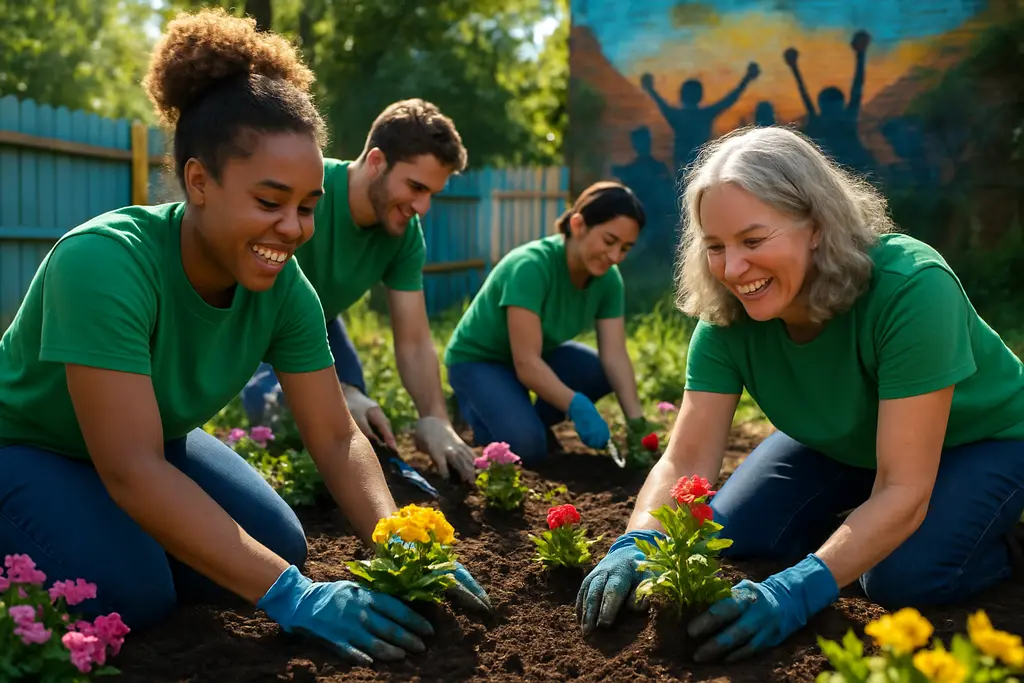
The Motor City Makeover 365 May 2026 cleanup cycle had ended by September 10, 2026, after Detroit scheduled district cleanup days on May 2 for Districts 1, 2, and 3; May 16 for Districts 4 and 5; and May 30 for Districts 6 and 7. The citywide effort matters beyond those Saturdays because its work affects blocks, parks, playgrounds, schools, places of worship, business corridors, and residents who want safer, cleaner shared spaces. The next civic step is practical: neighborhood groups can use the months after the May events to organize block-level maintenance, verify city contacts, recruit volunteers, and prepare earlier for the next cleanup season.
The City of Detroit describes the program as an annual cleanup and beautification effort held across the seven City Council Districts, with May cleanup activity supported by the Department of Neighborhoods and volunteer registration through the city’s Motor City Makeover page. The initiative gives residents a direct path to public service without requiring a formal office, large budget, or city contract. A block club, school group, church, small business team, or family can help when the work is organized around clear locations, supplies, and follow-up.
What Motor City Makeover 365 Changed In May
Motor City Makeover 365 District Schedule
The May 2026 district schedule gave the city a staggered approach rather than one citywide cleanup day. Districts 1, 2, and 3 were listed for May 2; Districts 4 and 5 were listed for May 16; and Districts 6 and 7 were listed for May 30. As of September 10, 2026, those dates had passed, so the useful civic question is not whether residents should attend those events. The useful question is what neighborhoods can do with the momentum that remains after trash pickup, flower planting, tree distribution, and corridor cleanup days have ended.
Detroit’s recent reported results show why planning matters. In 2024, the City reported that residents and groups registered about 500 neighborhood beautification projects. The City also reported that volunteers collected 684 tons of trash, equal to 1.36 million pounds, across more than 500 locations. In the same effort, Detroit distributed 500 trees and more than 90,000 flowers, described as about 2,000 flats. Those figures point to a large civic operation that depends on local registration, volunteer coordination, supply movement, and neighborhood participation.
Who The Cleanup Reached
Motor City Makeover 365 is not only a sanitation event. It reaches people who walk past overgrown lots, children using playgrounds, congregations maintaining their grounds, small businesses on commercial strips, older adults who depend on safer sidewalks, and residents who want a stronger connection with nearby neighbors. Cleanup work can also help local groups identify issues that need formal city attention, such as illegal dumping sites, damaged public spaces, unsafe debris, or places where community stewardship needs stronger support.
Community groups should treat the May schedule as the visible part of a longer local process. A successful cleanup day can produce a list of follow-up needs: who will water new plantings, who will monitor dumping, who will keep volunteers connected, and who will report larger issues to the right city department. Without follow-up, a cleaned site can become a repeat problem. With follow-up, the same site can become a shared point of neighborhood responsibility.
How Detroit Neighborhood Partners Keep The Work Going
Block Clubs And Local Sites
Detroit’s Roadmap to Recovery describes the program as more than a once-a-year effort, noting that it has been active for more than 30 years and has grown through partnerships with block clubs, neighborhood associations, businesses, faith institutions, schools, and residents. The same city roadmap says the initiative targets about 600 projects each year and notes that, as of June 2025, Detroit had more than 650 registered block clubs that help organize neighborhood work through the city’s neighborhoods chapter.
Those partners matter because cleanup needs are local. A city department can set registration dates, provide structure, and support the broad campaign, but residents often know which alley attracts repeated dumping, which vacant edge needs attention, which school entrance needs volunteers, and which corridor needs help after winter debris builds up. Block clubs and neighborhood associations can turn one cleanup day into a maintenance schedule. Faith institutions can provide volunteers and gathering space. Schools can connect young people to service. Businesses can help with storefront cleanup, planters, and corridor pride.
Volunteer Roles That Reduce Confusion
Good outreach work depends on matching volunteers to tasks. Some residents are ready for litter pickup. Others can register participants, distribute gloves, document sites, call neighbors, help with youth volunteers, or sort supplies. A few people should be assigned to communication, especially if weather, supply pickup, or site needs change. That structure reduces confusion and helps residents feel that their time was respected.
- Site leads: Confirm the exact location, meeting time, safety concerns, and supplies needed.
- Volunteer coordinators: Track names, roles, arrival times, and follow-up contacts.
- Supply helpers: Manage gloves, bags, tools, water, plantings, and disposal instructions.
- Communications helpers: Share confirmed updates and avoid spreading outdated details.
- Follow-up teams: Check whether the site needs watering, reporting, maintenance, or another workday.
Detroit organizations that want stronger volunteer systems can also compare cleanup planning with wider service coordination. Local coverage of Detroit volunteer opportunities shows how nonprofits, churches, and workplace teams benefit when roles, schedules, and service needs are easier to match.
Why Year-Round Beautification Needs Clear Civic Steps
From Event Day To Maintenance
The “365” framing is useful because beautification work does not stop when May ends. Flowers need care. Trees need attention. Cleaned lots can attract new dumping if no one monitors them. A corridor can look better after one workday but still need business participation, trash receptacle planning, and regular contact with city staff. A playground cleanup can reveal maintenance needs that volunteers cannot safely address on their own.
Local groups should separate volunteer tasks from official service requests. Volunteers can remove litter, plant approved materials, organize residents, and build pride in shared spaces. Larger concerns, including hazardous debris, major illegal dumping, damaged infrastructure, or unsafe conditions, should be directed to the proper city channels. That distinction protects residents and keeps community energy focused on work volunteers can actually complete.
Keeping Youth And Young Adults Connected
The 2026 effort included a youth and young adult T-shirt design contest for ages 14 to 24 tied to “Keep Detroit Clean” messaging, according to the City notice described in the provided research. That youth element fits the broader outreach goal: young residents should not only be asked to pick up litter after decisions are made. They can help shape messages, recruit peers, identify places that matter to them, and connect beautification to school service, art, neighborhood pride, and public responsibility.
For community organizations, youth involvement should be specific and safe. Younger volunteers need clear work areas, adult supervision, hydration, gloves, and tasks that match age and ability. Young adults can help with digital sign-ups, outreach, photography for internal records, volunteer check-in, and after-action notes. If local groups want cleanup work to last, they should invite younger residents into planning before the next May schedule arrives.
How Civic Groups Can Prepare Before The Next May Cycle

A Practical Planning Calendar
After the 2026 May cleanup dates passed, neighborhood leaders had an opening to review what worked. A useful review should be simple: list sites completed, sites unfinished, supplies used, volunteers who want to return, and city contacts that need updating. Groups should also identify locations that need attention before winter and sites that should be registered earlier for the next May cycle.
By fall, a block club or church outreach team can map its top three cleanup locations, identify a site lead for each, and collect names of residents willing to help. By winter, the same group can confirm whether it needs tools, gloves, printing, translation help, youth supervision, or a partner business. By early spring, it can prepare sign-up sheets and outreach messages. This approach is modest, but it prevents the common problem of starting from zero every year.
Neighborhood groups do not need to work alone. They can build relationships with nearby schools, congregations, businesses, tenant groups, and youth programs. In connecting with others, regional civic communication through One United Michigan can also help residents see cleanup work as part of a wider culture of local service, not just a single city event.
Motor City Makeover 365 Neighborhood Follow-Up
Motor City Makeover 365 gives Detroit residents a clear model for practical community outreach: choose a site, gather volunteers, register properly, use verified city information, complete the cleanup, and return later to check what changed. The May 2026 cleanup days are now past, but their civic value depends on what block clubs, schools, churches, businesses, and residents do next.
The strongest follow-up is local and specific. A neighborhood team can create a short site log, save photos for internal planning, list remaining concerns, thank volunteers, and set the next check-in date. It can also note whether a location needs city service rather than volunteer work. That kind of record helps the next cleanup happen faster and with fewer gaps.
Detroit’s long-running beautification effort has shown that residents are willing to show up at scale. The task now is to keep that willingness organized through clear roles, steady communication, youth involvement, and regular site care. Cleaner blocks are not created by one Saturday alone. They are built when residents and public systems keep working after the bags are collected and the flowers are planted.