Have you ever considered what happens when a city shifts its focus from policing youth to actively engaging them in safe, structured environments?
For years, major urban centers have grappled with finding productive outlets for teenagers during the long summer months. Here in Detroit, the narrative is officially changing.
Instead of merely reacting to unauthorized gatherings or the rising trend of isolated disruptions, local leadership is stepping up to provide viable, attractive alternatives.
On June 12, 2026, the city took a definitive step forward with the launch of the Occupy the Summer initiative.
Kicking off at the Adams Butzel Recreation Center, this ambitious program is redefining how we support our youngest residents. It proves that when we invest in our neighborhoods, we cultivate a stronger, safer, and more united community.

Moving Beyond the Reactive Narrative
Our youth have consistently asked for more safe spaces, recreational options, and fun activities when school is out. We have to listen to their needs.
Historically, the absence of accessible programming has left young people to create their own entertainment. Sometimes, this leads to chaotic situations that lack adult guidance, mentorship, or structured support.
Rather than relying solely on enforcement, Detroit is building a proactive foundation of engagement. This strategy recognizes that boredom and a lack of neighborhood resources are the root causes of many community challenges.
By prioritizing proactive engagement, we are addressing public safety from a holistic, compassionate perspective. This approach aligns perfectly with our ongoing efforts to expand youth mental health and trauma support across our local communities.
When we create environments where teenagers feel valued, we inherently reduce the friction that leads to neighborhood disruptions. It is about empowering our youth with resources to improve their quality of life.
The Core Pillars of Occupy the Summer

The launch of Occupy the Summer was not just a symbolic gesture; it was backed by tangible resources and massive community participation.
More than 1,500 young people registered for the activities, demonstrating a profound hunger for structured neighborhood programming.
To meet this demand, the initiative deployed several major interventions designed to keep kids active, connected, and safe.
The strategy relies heavily on maximizing the utility of existing city infrastructure and transforming it into vibrant community hubs.
| Initiative | Location / Scope | Community Impact |
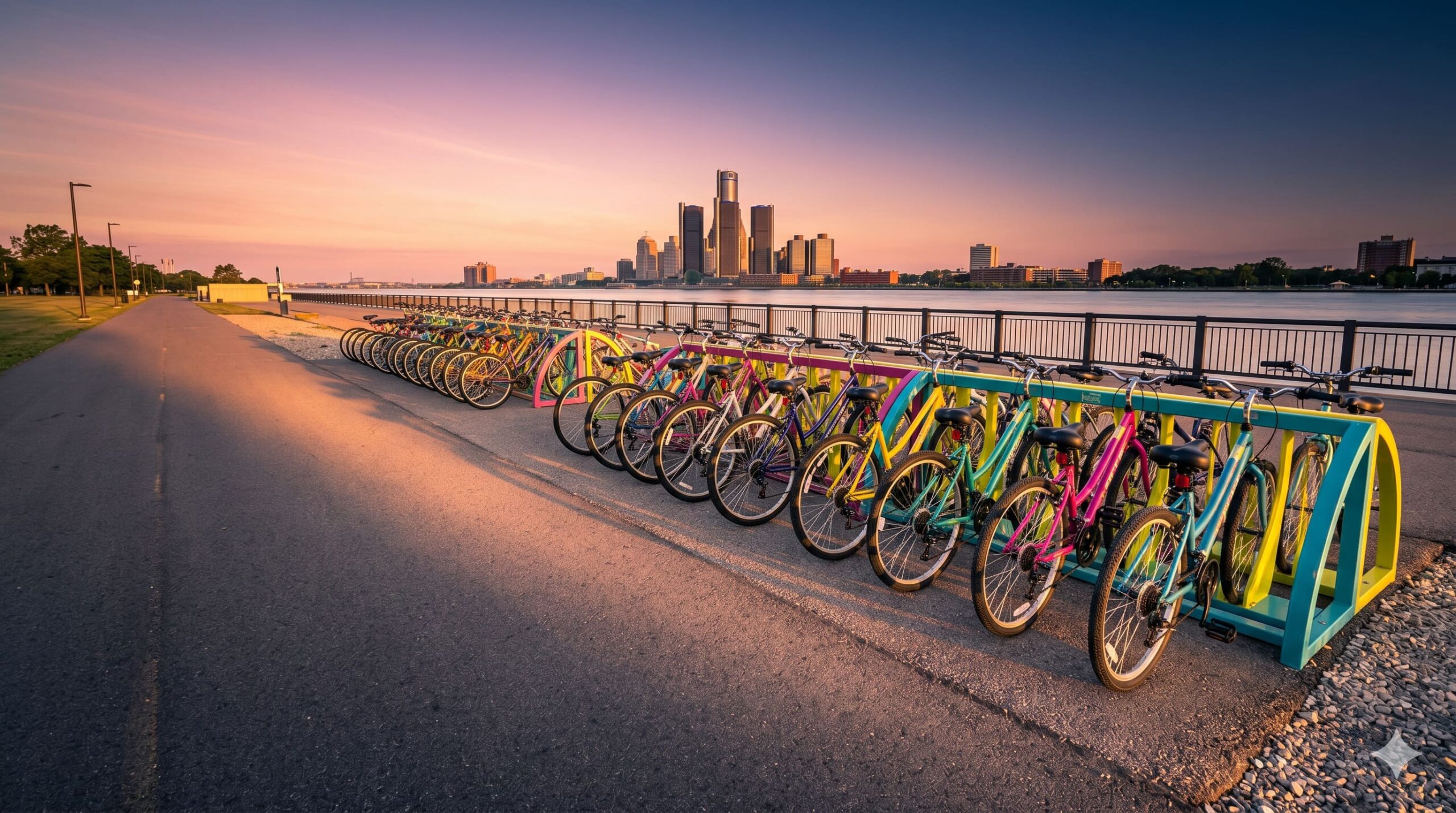
| Free Bicycle Distribution | Adams Butzel Recreation Center | Distributed 700+ bikes to provide youth with independent transportation and healthy recreation. |
| Extended Recreation Hours | 9 City Locations | Facilities remain open until 11 p.m. on Wednesdays, Thursdays, and Saturdays, offering a safe late-night haven. |
| Late Night Basketball | East, West, and Southwest Detroit | Engages 16–30-year-olds with structured play, consistent mentorship, and vital wraparound support services. |
Strengthening Neighborhoods Through Strategic Partnerships
A citywide initiative of this magnitude cannot survive on civic goodwill alone. It requires robust logistical and financial support.
The success of the launch event highlighted the incredible power of local and corporate collaboration.
Sponsors like the Sterling Group, Amazon, and Ally provided the necessary funding to make the massive bike giveaway possible. Local businesses, such as Mike’s Garage, also stepped in to supply bicycles and donate skateboards.
These partnerships signify a shared understanding that corporate social responsibility must extend directly into our neighborhoods.
When private entities and public offices collaborate, the impact on our community is exponential. We see this not just in the donation of goods, but in the sustained commitment to neighborhood revitalization.
Furthermore, integrating effective youth engagement strategies requires continuous cooperation between local artists, athletes, and entertainers.
By bringing in recognizable figures—like Detroit rapper Skilla Baby for the kickoff—the program ensures that the spaces remain culturally relevant and highly attractive to local teens.
The Role of Accessible Programming in Public Safety
Public safety is intrinsically linked to community opportunity. We cannot effectively police our way out of systemic underinvestment.
Occupy the Summer is explicitly framed as a major component of a broader six-point community safety plan.
By extending the operating hours of nine recreation centers until 11 p.m., the city is directly targeting the hours when youth are most vulnerable to finding themselves in unsafe situations.
These facilities offer more than just a place to hang out. They are intentionally designed to serve as entry points for critical neighborhood resources.
The inaugural Late Night Basketball League, for instance, goes far beyond sports. With 135 players receiving free jerseys at the launch, it establishes a vital sense of belonging and pride.
The league intentionally targets young adults ages 16 to 30, a demographic that is often overlooked in traditional summer programming. By pairing competitive sports with wraparound services, the city is actively working to dismantle barriers to employment and emotional support.
Mentorship programs, conflict resolution workshops, and these late-night leagues provide structured environments where young adults can build relationships with positive role models.
This model of engagement is essential for violence prevention. It replaces idle time with skill-building, teamwork, and community integration.
Building a Sustainable Framework for the Future

The current 10-week summer program is a blueprint for year-round community investment.
Every Friday, rotating activations across different City Council districts will bring the energy and resources directly to the neighborhoods that need them most.
These rotating block parties ensure that transportation barriers do not prevent families from accessing summer fun. Whether it is a Juneteenth celebration, a community skate night, or a local arts and culture festival, the programming is tailored to reflect the unique identity of each district.
These events function as mobile resource centers. They connect families with city services, local vendors, and cultural programming right in their own backyards.
This hyper-local approach is exactly what it takes to rebuild trust and foster deep, lasting neighborhood connections.
Occupy the Summer proves that our youth are ready to participate in positive, empowering activities when given the chance.
It is now up to us—the residents, leaders, and advocates of Detroit—to ensure these safe spaces remain funded, accessible, and vibrant for generations to come.