The Historical Context Of Recreation In Cody Rouge
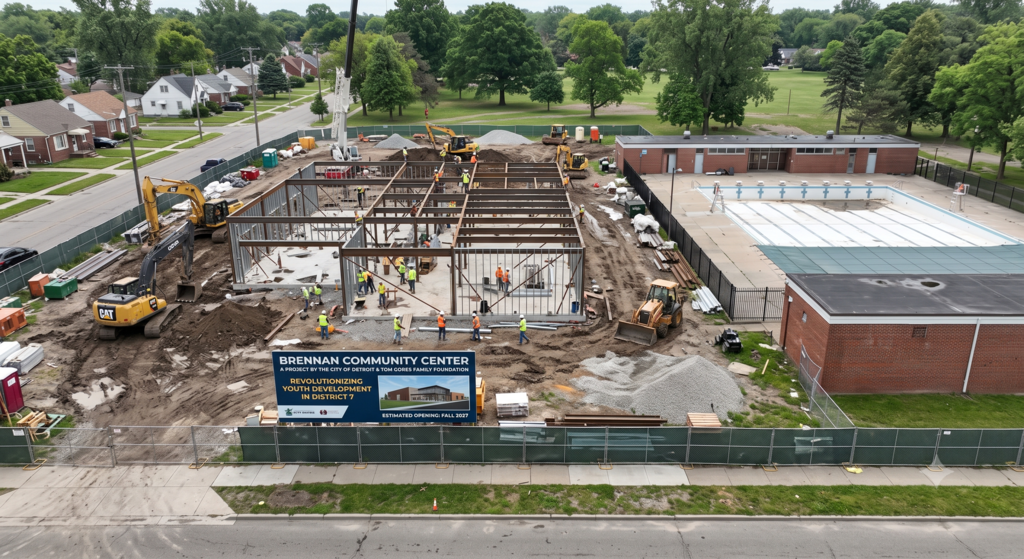
City leaders and residents gathered at Rouge Park on June 25, 2026, to break ground on a highly anticipated infrastructure project. District 7 has operated for years without a dedicated indoor community center. This structural gap left thousands of families in the Cody Rouge neighborhood with limited options for year-round recreation and youth programming.
Brennan Pools served as the primary seasonal gathering spot since 1929. A pool cannot sustain neighborhood engagement during the long Michigan winters. The seasonal nature of outdoor recreation limits the scope of mentorship and public health interventions. Medical professionals recognize that continuous, year-round access to safe public spaces correlates directly with lower rates of juvenile conflict and improved mental health outcomes.
The city required a permanent structural solution to meet these demographic needs. Municipal planners and private investors identified the land adjacent to Brennan Pool as the optimal site for new construction.
Analyzing The Major Financial Investment

Large-scale municipal projects require significant capital backing. Detroit Pistons owner Tom Gores committed $20 million through his Family Foundation to fund the construction. This financial injection bypasses the typical delays associated with municipal budget constraints. The project moves directly from the planning phase into active construction.
The blueprint outlines a 25,000-square-foot facility. This represents a massive increase in usable civic space for the west side of Detroit. The financial commitment extends beyond the physical building materials. The funding model includes allocations for future operational costs and programmatic resources.
Organizers recognize that an empty building provides little civic value. The financial structure guarantees the center will open with fully funded activities, staff, and maintenance protocols in place.
Strategic Facility Design And Community Programming Needs
Architects designed the Brennan Community Center based on direct input from the people who live in the surrounding blocks. The city and project stakeholders held multiple engagement sessions starting in 2022 to gather resident feedback. This participatory approach ensures the physical space matches the actual requirements of the local population.
The building layout prioritizes flexibility and multi-generational use. Planners discarded single-use room concepts in favor of adaptable environments.
| Facility Feature | Intended Community Function |
| Multi-Use Sports Courts | Year-round athletic leagues and physical wellness programs |
| Flexible Programming Rooms | Mentorship sessions, financial literacy, and workforce training |
| Commercial Kitchen Space | Family gatherings, community classes, and nutritional education |
The focus areas identified by residents extend far beyond simple recreation. They asked for life skills training and direct avenues for career advancement. The physical layout accommodates these requests directly.
Building Cross-Sector Partnerships For Civic Growth

The Brennan Community Center represents a clear shift in how Detroit handles neighborhood revitalization. The project relies on a cooperative model connecting the City of Detroit Parks and Recreation Department, private equity, and residents.
Mayor Mary Sheffield emphasized during the groundbreaking that strong civic spaces require this exact type of collaboration. Government agencies manage the land and long-term integration. Private donors provide the immediate capital to accelerate the timeline. Local organizations supply the volunteers and the operational trust required to bring people through the doors.
This model relieves the tax burden on city residents. It simultaneously creates a blueprint for future infrastructure upgrades across other neglected districts. Detroit aims to replicate this funding structure for future civic projects.
Addressing Structural Access Gaps In District 7
Physical distance creates the largest barrier to public health and educational resources. Teenagers in Cody Rouge previously had to travel across multiple transit zones to find an open gymnasium or a quiet study hall during the winter. Removing this logistical hurdle changes the daily routine for an entire demographic.
Providing safe, predictable environments serves as a core component of Detroit community support services. A teenager needs a reliable place to go after the school day ends. The new facility will offer consistent operating hours and professional supervision.
The design integrates heavily with existing Rouge Park community initiatives. The indoor center creates a central anchor point for the 1,184-acre park. It turns a seasonal destination into a permanent neighborhood asset.
Looking Ahead To The Fall 2027 Opening
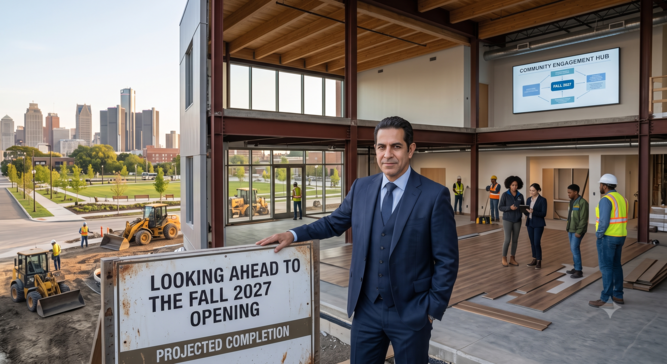
Heavy machinery now occupies the northern edge of Rouge Park along Plymouth Road. The construction schedule dictates a projected opening in the fall of 2027.
The adjacent Brennan Pool will remain closed during the 2026 summer season to accommodate the heavy equipment and ensure public safety. City officials directed residents to alternative indoor and outdoor pools across the city to bridge this temporary gap.
The short-term inconvenience of a closed pool leads directly to a massive long-term gain. The Brennan Community Center will serve thousands of residents annually upon completion. It provides young people with clear avenues for skill development. It gives seniors a modern space to stay active. It gives the Cody Rouge neighborhood the civic anchor it has deserved for decades.
The start of construction moves the project from a set of architectural renderings into a physical reality. The city expects the framework of the building to take shape before the first winter freeze. Detroit is actively reshaping its urban landscape to prioritize the people who live within it.