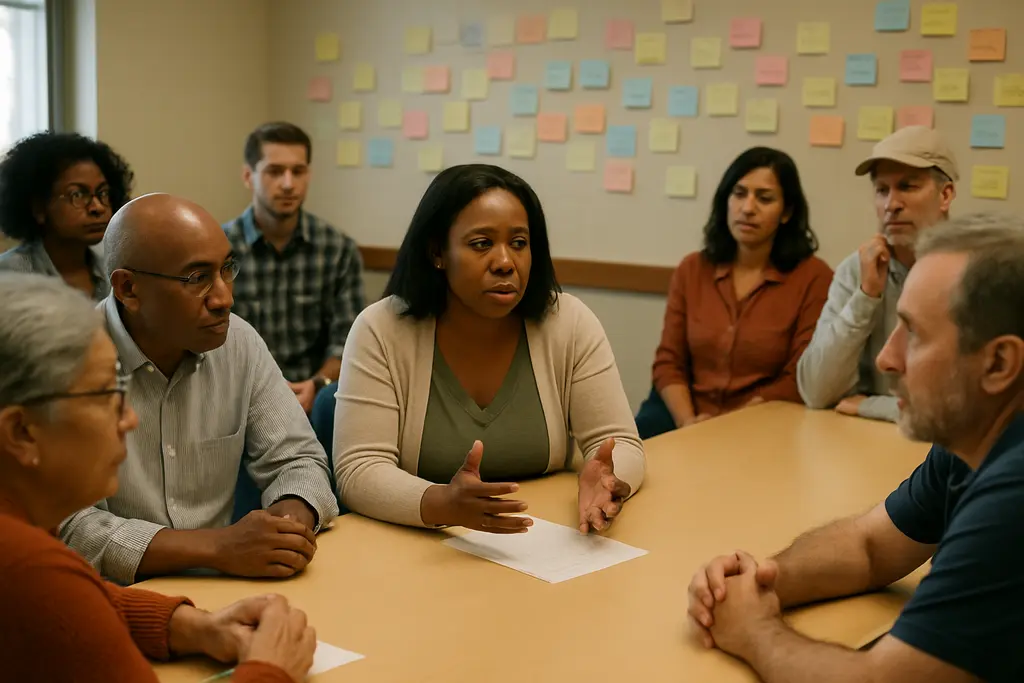
The Detroit Health Equity work tied to the city’s Community Health Improvement Plan moved from assessment into action after Detroit released its latest Community Health Assessment on June 23, 2026. The City of Detroit said the assessment was its broadest since 2018 and was shaped by input from more than 6,000 residents, community organizations, public health experts, and local data; the city also said the assessment is guiding the 2026-2029 Community Health Improvement Plan, with rollout having begun in summer 2026 City of Detroit report.
For residents, churches, schools, block clubs, clinics, food providers, and outreach teams, the plan is not just a public health document. It is a civic work plan for how Detroit responds to maternal health, chronic disease, food access, and health care access. Those priority areas came from data and resident feedback, according to the city’s release. The next practical step is to keep resident voices connected to implementation, especially in neighborhoods where transportation barriers, food costs, clinic access, and chronic disease screening needs affect daily decisions.
How Detroit Health Equity Priorities Were Set
Resident Input Came Before The Plan
The city’s June 2026 health assessment matters because it placed resident input alongside public health data. More than 6,000 people and organizations contributed to the assessment process, according to the City of Detroit. That scale gives outreach teams a clearer assignment: keep asking residents what is working, what is missing, and which barriers prevent families from using available services.
The 2026-2029 plan’s named priorities are maternal health, chronic disease, food access, and health care access. Each priority touches daily neighborhood life. A mother who needs prenatal support, an older adult managing blood pressure, a family choosing between groceries and transportation, and a worker without a nearby clinic are all part of the same public health picture. The plan gives Detroit agencies and community partners a shared set of issues to address rather than separate efforts working in isolation.
Detroit Health Equity Starts With Local Trust
Public health outreach works best when residents receive information from people and places they already know. A citywide plan can set goals, but trusted local partners help turn those goals into appointment reminders, screening events, food referrals, transportation help, breastfeeding support, chronic disease education, and follow-up conversations. For neighborhood groups, Detroit Health Equity is most practical when it is connected to regular touchpoints: school pickup, pantry hours, senior programming, church gatherings, tenant meetings, and community events.
Detroit residents who want to understand how this work connects to earlier local coverage can review Saint Joseph Detroit’s related reporting on the 2026-2029 health improvement plan. For broader insights and updates from a similar network, residents might find it useful to explore County Watchers, which offers extensive coverage on county and civic matters.
What Resident Engagement Changes In Practice
From Listening Sessions To Service Referrals
Resident engagement should not stop once an assessment is published. The city’s assessment already documented the issues residents helped identify. The active response is to connect those priorities to service coordination. A neighborhood outreach table, for example, can do more than hand out flyers. It can help residents identify a nearby clinic, ask whether transportation is a barrier, share food access referrals, explain the value of blood pressure checks, and document questions that need answers from city or health partners.
Engagement also changes how organizations plan their calendars. A pantry can pair food distribution with blood pressure education. A school can share maternal health and pediatric care information with families. A church can host a trusted referral day. A senior program can schedule chronic disease screening connections. None of these steps replaces clinical care. They help residents reach care sooner and understand where to ask for help.
Questions Residents Can Bring To Outreach Partners
Residents can make public health planning more grounded by asking direct questions during community meetings, outreach events, and service conversations. Useful questions include:
- Which city priority does this program address: maternal health, chronic disease, food access, or health care access?
- How will residents know whether services are reaching their neighborhood?
- Who can help with transportation, appointment scheduling, language access, or follow-up?
- How will community feedback be collected after services begin?
- Which official city or provider source should residents use for updated information?
These questions keep engagement practical. They also help organizations avoid one-time outreach that does not connect residents to a next step.
Mobile Screening Data Shows Why Outreach Matters
Community Sites Reached Residents Across Metro Detroit
A peer-reviewed study of mobile health unit outreach in metropolitan Detroit reported more than 14,000 screenings at more than 1,000 locations from July 26, 2021, to September 8, 2025. Among more than 12,000 adults screened for blood pressure, 48% had high blood pressure at or above 130/80 mm Hg. Among more than 7,000 screened for LDL cholesterol, 54% had levels at or above 100 mg/dL. The same study reported that 16% had hemoglobin A1c at or above 6.5%, indicating diabetes, and 70% of people screened had at least one uncontrolled cardiometabolic disease risk factor mobile health unit study.
Those findings support the city’s focus on chronic disease. They also show why outreach needs to meet residents in familiar community settings. Screenings at community sites can identify risk factors that residents might not know about. The value comes when screening is paired with clear follow-up: where to get care, how to understand results, and who can help with barriers such as transportation, scheduling, or cost concerns.
What Detroit Health Equity Outreach Means For Chronic Disease
The screening data does not mean every community site needs to become a clinic. It means outreach teams should be ready to connect residents to qualified health providers and prevention resources. A blood pressure check without follow-up can leave a resident with worry but no plan. A better model includes a referral pathway, plain-language education, and a trusted person who can help the resident take the next step.
For community organizations, chronic disease outreach can begin with simple coordination. Keep updated clinic referral information. Know which partners provide screenings. Ask residents whether they have a primary care provider. Build follow-up into events. Track common barriers without sharing private health information publicly. These practices help the health improvement plan reach people through real neighborhood channels.
How Neighborhood Partners Can Support The Plan
Schools, Churches, Pantries, And Block Clubs Have Different Strengths
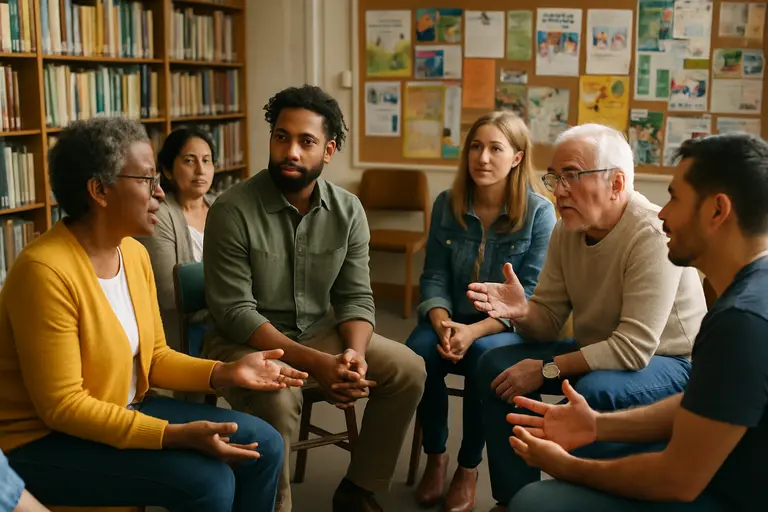
Detroit’s health improvement work will be strongest when different community partners use their specific strengths. Schools regularly reach families and caregivers. Churches often provide trusted gathering places and volunteer networks. Food pantries understand household need and can identify food access pressure points. Block clubs hear street-level concerns about transportation, safety around walking routes, and nearby services. Clinics and public health teams bring clinical knowledge and screening capacity.
Each partner can contribute without doing everything. A church does not need to run a medical program to host health education. A pantry does not need to solve transportation access to collect information about missed appointments. A school does not need to manage adult chronic disease care to share verified referral information with parents and guardians. The health improvement plan gives these groups a way to align work around shared priorities.
Clear Information Protects Residents
Health outreach depends on accuracy. Flyers, social posts, and verbal announcements should name the service, date, location, eligibility rules, and official contact source. If a screening event changes, the update should move through the same channels as the original announcement. Residents lose trust when they arrive for help and find that hours, requirements, or locations were wrong.
Organizations should assign one person to verify details before public sharing. That person can confirm whether an event is still active, whether appointments are required, what documents are needed, and which partner is responsible for follow-up. This is especially needed for maternal health support, food access referrals, and health care access help, where a missed connection can affect family stability.
Detroit Health Equity Initiatives And Resident Action
Detroit Health Equity work now depends on steady resident participation during the 2026-2029 implementation period. The city has identified priority issues through the June 2026 assessment. Mobile screening research has shown serious chronic disease risk factors among people reached through community-based outreach in metropolitan Detroit. The next civic task is to make sure residents can see how the plan affects their neighborhood, not only how it reads on paper.
Residents can take part by asking service providers how feedback is being collected, sharing barriers they face when seeking care, helping neighbors find verified information, and supporting local organizations that connect families to food, maternal health support, chronic disease prevention, and health care access. Community groups can help by keeping referral lists current, hosting trusted conversations, inviting qualified health partners into familiar spaces, and reporting repeated barriers through appropriate public channels.
The strongest measure of the plan will be whether residents experience clearer pathways to support. That means fewer dead ends, better follow-up after screenings, more useful food access referrals, and stronger connections between public health agencies and neighborhood partners. Detroit has already completed the assessment stage and begun implementation. The work now is to keep residents at the center of each step.