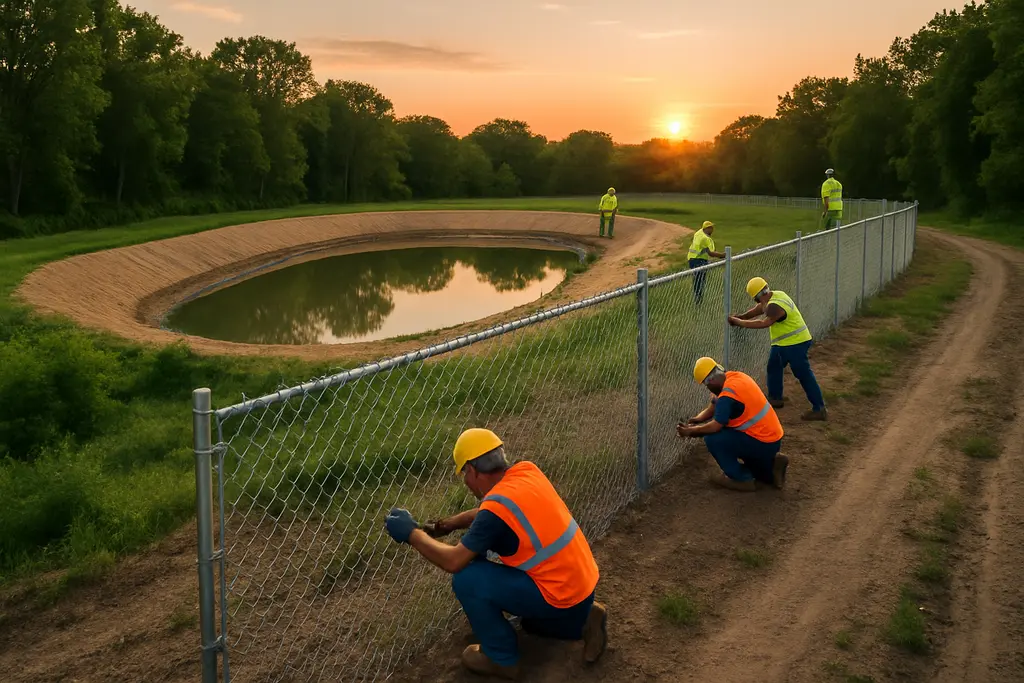
The West Detroit basins installed in Rouge Park mark a major change for Far West Detroit homeowners who have faced basement flooding concerns during heavy rain. The Far West Detroit Stormwater Improvement Project was completed in August 2026 after construction began in 2022, and RAW Detroit reported that the $40.4 million project finished a year ahead of schedule while aiming to reduce flood risk for about 1,200 West Side homes RAW Detroit stormwater report.
For neighborhood outreach groups, the completion matters because it changes how stormwater is handled before it reaches the combined sewer system. The project does not mean every home is free from water problems. It does mean the Detroit Water and Sewerage Department has added new drainage capacity, new piping, and stormwater storage that can help reduce pressure during heavy rain events. That is useful civic information for block clubs, churches, housing advocates, and families tracking basement conditions after storms.
How West Detroit basins Changed The Drainage Plan
What The West Detroit basins Do
The West Detroit basins are two detention basins built inside Rouge Park. According to the City of Detroit’s project page, the basins were designed to collect rainwater and snowmelt through a new storm sewer network, helping reduce stormwater entering the combined sewer system and supporting water quality in the Rouge River City of Detroit project details.
The West Detroit basins are part of Detroit’s largest green stormwater infrastructure effort to date, based on the research provided for this report. Green stormwater infrastructure is meant to slow, store, and redirect water before it overloads sewers. In this case, the basins work with new storm sewer connections so rainwater and snowmelt can move toward storage areas instead of flowing directly into older combined sewer capacity.
Infrastructure Work Around Rouge Park
The basins were not the only work completed. The project included about 25,000 feet of new storm sewer and drainage piping, about 15,000 feet of replaced water mains, more than 500 replaced water services, about 20,000 feet of sewer lining and repairs, and work on manholes and catch basins throughout the area. Those details matter because basement flooding is rarely tied to one single point. Pipes, catch basins, roof drainage, sewer lining, and stormwater storage all affect how water moves during heavy rain.
The project also included disconnecting downspouts for about 400 homes whose roof drainage had been connected directly to the sewer system. That change is practical: roof runoff can add water to a sewer network at the same time streets, yards, and paved surfaces are sending stormwater into the system. Disconnecting that flow can help reduce strain, though individual property conditions still matter.
West Detroit basins And Local Homes
What Homeowners Can Track Now
The West Detroit basins are expected to reduce basement flooding risk for roughly 1,200 homes, according to the cited project reporting. For families, the most useful next step is careful observation after major rain. Residents can track whether basement water appears, how high it rises, how long it remains, whether it comes through floor drains or walls, and whether nearby catch basins appear blocked. Those records can help households describe conditions clearly when seeking help from the proper public agency or a qualified repair professional.
Community groups can support that process without making promises that the infrastructure alone cannot guarantee. A church, block club, or neighborhood association can share verified project information, encourage residents to keep dated notes and photos after storms, and help older adults or residents without internet access find official updates. Outreach work is strongest when it connects people to accurate public information rather than repeating unverified claims.
Limits Of What Is Known So Far
The research available for this article confirms the project cost, completion date, major infrastructure work, and the expected reduction in flood risk for about 1,200 homes. It does not provide post-completion data showing how many basements stayed dry during a specific storm after August 2026. Because of that, the safest public statement is that the project is designed and expected to reduce risk, not that it has eliminated flooding for every property.
That distinction matters for fair communication. Basement water can be connected to many factors, including private plumbing, foundation conditions, grading, sump systems, sewer conditions, and storm intensity. The new public infrastructure can reduce system pressure, but residents may still need property-level assessment if water continues to enter a basement.
Community Follow-Up After Construction

Why Verified Updates Matter
After a major public works project is completed, residents often need plain-language follow-up. People want to know what changed on their street, what to expect during the next heavy rain, and where to find project information. Neighborhood groups can help by pointing residents to the official city project page and verified local reporting rather than social media claims. For related civic coverage from the same local network, readers can also explore in-depth insights through ITPR community reporting.
Saint Joseph Detroit has also covered the completion of this stormwater work in a related neighborhood article on Far West Detroit stormwater work. That kind of follow-up is useful for residents who need a local explanation of what changed after construction ended.
How Outreach Teams Can Help Residents
Community outreach teams do not need to be engineers to provide useful support. They can help residents prepare for the first heavy rains after completion by sharing basic recordkeeping steps and encouraging calm, specific reporting. The goal is not to create alarm. The goal is to help families document what they see so public agencies and service providers have clearer information.
- Before heavy rain: Residents can note basement conditions, clear accessible yard debris, and confirm where they keep photos or repair records.
- During and after rain: Residents can record the date, approximate time, location of water entry, and whether nearby street drainage appears affected.
- For neighborhood groups: Volunteers can help collect general patterns by block without publishing private household details.
- For renters and homeowners: Clear notes can support conversations with landlords, contractors, insurers, or public agencies.
Privacy should guide any neighborhood follow-up. Residents should not be pressured to share photos of private interiors or personal financial information in group settings. Outreach should focus on public patterns, verified resources, and respectful help.
Far West Detroit Stormwater Basins And Neighborhood Readiness
Practical Questions For Block Clubs
The completed Rouge Park detention basins give Far West Detroit a new public tool for flood reduction, but neighborhood readiness still depends on communication. Block clubs can ask practical questions after major storms: Are residents seeing fewer backups? Are certain blocks still reporting standing water? Are catch basins clear? Are seniors or residents with disabilities able to report problems? Are renters receiving the same information as homeowners?
The West Detroit basins should be understood as one part of a larger local response: public infrastructure, home-level maintenance, resident documentation, and clear communication. The project’s completion is good news for a neighborhood that needed more stormwater capacity. The next civic step is steady follow-up, especially after heavy rain, so residents and public agencies can see whether the expected benefits are showing up at the household level.