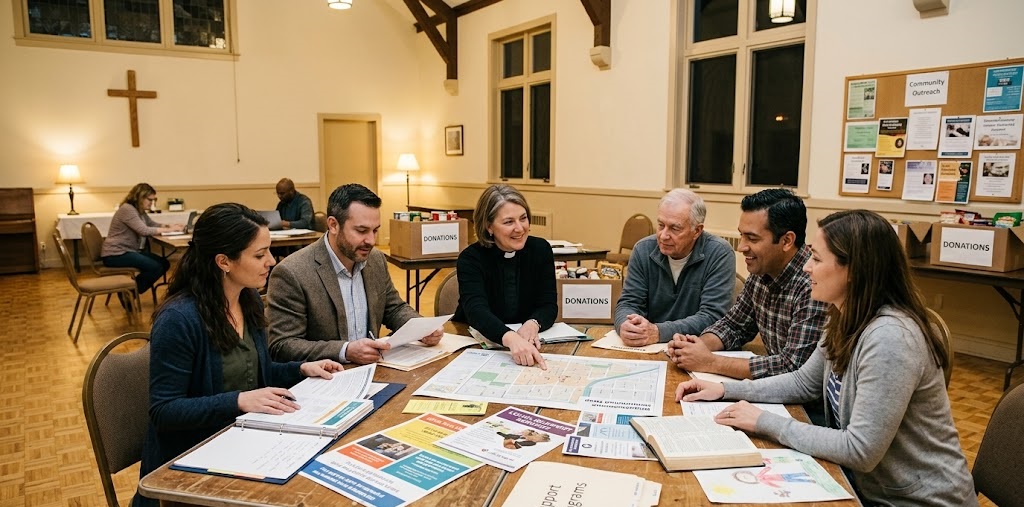
Category: Community Outreach

  • Advantages of Recurring Donations

    Advantages of Recurring Donations

    Fundraising can feel like dating. One-time gifts are like that exciting first date. But, recurring donations are like a committed relationship that helps you plan for the future.

    Monthly giving is like your favorite coffee shop. It’s always there, providing steady support. This stability makes even the most careful accountant happy.

    Here’s the magic: a $24 monthly gift becomes $288 a year. That’s more than the $115 average of one-time gifts. It’s like finding compound interest for your cause.

    This approach builds a lasting ecosystem, not just a seasonal fundraising effort. As research shows, it gives you predictable income for planning all year.

    Why try to find donors during busy times? Instead, keep them involved all year. It’s not just better fundraising. It’s building something that lasts.

    Setup Tips

    Setting up recurring donations is like starting a subscription service for good causes. It’s about adding value, not just asking for money. Your 85-year-old donors aren’t on TikTok, and millennials don’t like direct mail. Smartly segmenting your donors is key to sustainable giving.

    Begin with your CRM data to find who’s already giving regularly. Look for patterns in who gives after events or emergency appeals. These donors are likely to commit to monthly giving.

    Your donation forms should be as smooth as jazz. Make sure they’re easy to use on mobile devices and share compelling impact stories. No one wants to struggle while trying to help.

    Here’s what works for different donor types:

    Donor Type Preferred Channel Ideal Ask Amount Impact Story Focus
    Millennial Social Followers Mobile/Social Media $5-25/month Immediate, visual results
    Mid-Career Professionals Email/Workplace Giving $50-100/month Systemic change metrics
    Retired Major Donors Direct Mail/Phone $250+/month Legacy and endowment impact

    Promotion should feel like an invitation, not a sales pitch. Use a mix of channels like email, social media, and monthly giving program highlights. The aim is to create lasting impact while you focus on the bigger picture.

    Communicating Value to Donors

    The art of changing “your $25 helps” into “your $25 ensures Maria never worries about school supplies” is key. It’s not just charity talk. It’s a powerful story that would impress even Shakespeare.

    People don’t give monthly for the automated payments. They do it because they want to be part of something big. Your task is to make them feel like the hero of your story.

    Specific impact beats vague generosity every time. Instead of “your donation supports education,” say “your $30 monthly gift provides textbooks for two students all semester.” This shows real results, not just vague support.

    Testimonials are your best tool. Real stories from real people create strong connections. Share how a recurring monthly donor has made a lasting difference.

    recurring monthly donor communication strategies

    Emphasizing continuity is key. Show how monthly support leads to lasting change, not just quick fixes. It’s like teaching someone to fish, with a new fishing rod every month.

    Regular updates make donors feel included, not just used. Share behind-the-scenes moments, small wins, and challenges. Being open builds trust more than being perfect.

    Here’s what sets the best apart:

    • Connect specific dollar amounts to real outcomes
    • Use real names and stories, not hypotheticals
    • Show progress over time, not just static achievements
    • Make donors the heroes of every success story

    The psychology is simple: people want to feel effective, not just generous. Your messages should say “you made this happen” more than “we appreciate your support.”

    Remember, nobody wants to feel like a wallet. Everyone wants to feel like a superhero. Your recurring monthly donor program succeeds when supporters see themselves as heroes in your mission’s story.

    Craft messages that don’t get deleted. Make them feel essential, celebrated, and connected. That’s how you turn casual givers into dedicated champions.

    Examples of Recurring Programs

    Let’s look at what really works in the real world. The top recurring programs know a key fact: people don’t want to be treated like ATMs. They want to feel like they’re part of something important.

    Austin Angels’ Monthly Sponsor Campaign is a great example. They didn’t just ask for money. They created an experience. Donors become “rock stars” with updates, behind-the-scenes looks, and real recognition.

    sustainable giving programs

    Branded programs can be off-putting, but “Impact Partners” stands out. It’s real and authentic. The focus is on building a relationship, not showing off.

    Publicly recognizing donors is tricky. You need to celebrate them without invading their privacy. Successful programs use:

    • Optional recognition tiers
    • First-name-only acknowledgments
    • Private donor-only communities
    • Annual impact reports instead of constant public shoutouts

    The key is to create experiences that are better than just scrolling through Instagram. Think exclusive events, personal stories, and real community building.

    Content strategy is key here. It’s not about sending out a lot of emails. It’s about creating content so good, people will happily keep their monthly subscription. Show your impact through stories, not just numbers.

    These programs turn sustainable giving into a personal experience. The monthly donation is like a ticket to a community that matters. That’s why people keep coming back.

    Thanking & Retention

    Think of your recurring monthly donor as that friend who always brings the good snacks to parties. You don’t just thank them once—you make sure they feel genuinely appreciated every single time. It’s not about fancy algorithms. It’s about making people feel seen.

    Handwritten notes? They’re the vinyl records of donor appreciation. They’re surprisingly effective in our digital age. Automated systems like DonorDock handle the boring stuff, freeing you up for the human touch. Celebrate milestones. Ask for feedback. Increase asks strategically every 6-12 months.

    This approach transforms one-time givers into lifelong advocates. It’s the secret sauce for sustainable giving. People don’t stick around out of obligation. They stay because they’re part of something meaningful.

    Building this community requires more than transactions. It demands relationships. For deeper strategies on turning donors into champions, explore insights from recurring donation experts. The real magic happens when appreciation becomes your organization’s signature move.

  • Defining Success Metrics

    Defining Success Metrics

    Have you ever written a check to a charity and wondered if it really helps? I once gave to a rainforest campaign that spent more on mugs than trees. It was a big miss.

    Real charity impact isn’t just about counting money. It’s about seeing real change. Fidelity Charitable says true success is about reaching goals and changing lives.

    To go beyond just numbers, we need to ask the right questions. Are we really making a difference? The answers might change how we see nonprofit fundraising metrics.

    Let’s find out what success really means in the nonprofit world. Sometimes, the most important numbers aren’t just about money.

    Data Collection Methods

    Remember when data collection was all about clipboards and surveys at charity events? Those days are long gone, like dial-up internet. Today, nonprofits use advanced methods that would impress even James Bond’s Q division.

    evaluating success nonprofits data collection methods

    Modern nonprofits need advanced tools to measure their true impact. It’s not just about counting people at events anymore. They aim to understand how their efforts change communities and policies for good.

    The best nonprofits use a mix of cutting-edge methods. Social network analysis shows how ideas spread and who influences them. This isn’t just data collection; it’s mapping social connections.

    Machine learning algorithms track policy changes in ways that amaze old-school researchers. Natural language processing watches media discourse shifts. Time series analysis shows lasting effects beyond immediate results.

    Good evaluation needs both numbers and stories. Numbers give hard facts. Stories add human context. Together, they paint a full picture of your organization’s impact.

    Method Type Tools Used Data Collected Best For
    Social Network Analysis Relationship mapping software, analytics platforms Influence patterns, message spread, key connectors Understanding community impact and advocacy reach
    Policy Tracking Machine learning algorithms, media monitoring tools Legislative changes, public discourse shifts Measuring systemic change and policy influence
    Stakeholder Feedback Digital surveys, interview systems, review platforms Qualitative experiences, personal impact stories Capturing human stories and program effectiveness
    Impact Metrics Data analytics software, performance dashboards Quantitative results, outcome measurements Demonstrating concrete achievements and ROI

    The most successful nonprofits don’t just collect data; they build intelligence systems. They know that success evaluation goes beyond simple metrics. It’s about seeing the wide effects of your work.

    This new way of proving value changes how nonprofits are seen. It goes beyond simple metrics to show real, lasting change. The data doesn’t just report what happened; it shows what’s possible.

    Donor/Recipient Feedback

    Most charity feedback loops are like bad first dates. Everyone is too polite to share their true thoughts. Donors get reports filled with success metrics, while recipients stay silent. But what if we changed this?

    True charity impact measurement isn’t about fake testimonials. It’s about real stories from those you’re trying to help. It’s like the difference between reviews from the restaurant owner’s mom and actual customers.

    charity impact measurement feedback collection

    Impact reporting is about showing real changes. It’s not about vanity metrics. It’s about life stories, survey results, and real changes in people’s lives.

    What makes feedback meaningful is different from the usual charity talk:

    Traditional Approach Impact-Focused Method Why It Matters
    Donor satisfaction surveys Recipient experience interviews Measures actual effect, not just generosity
    Fundraising totals highlighted Life changes documented Shows real outcomes, not just money
    Polished success stories Raw, unfiltered testimonials Provides true evidence of impact
    Quarterly donor reports Continuous feedback loops Creates programs that adapt and improve

    I’ve seen groups get real feedback from those they help. One food bank recorded video testimonials. They showed how food access improved kids’ school performance.

    This is the gold standard. Sharing real stories, like Maria getting clean water, proves your impact. It turns charity work into a meaningful story.

    The best part? This feedback is your strongest story. Sharing real results with others builds trust. It’s like showing scientific proof.

    Transparency

    We live in a time where we can track a $5 pizza but not our $500 charity donations. This gap shows why transparency is key in today’s giving. It’s not just a nice thing to have; it’s essential for trust.

    True transparency means more than just annual reports. It’s about being open in ways that make big companies uncomfortable. Donors should see everything, from how money is spent to any conflicts of interest.

    The best groups offer “Amazon-level transparency.” Instead of tracking packages, they track the impact of donations. They show where money goes, why, and the results. This makes evaluating success nonprofits a real conversation.

    Let’s look at two examples:

    • Opaque organization: “We built a school in Kenya”
    • Transparent organization: “We partnered with local educators to build a school. It serves 300 students, with 89% attendance and better test scores”

    The second statement is the ideal. It’s clear, measurable, and shows real results. You can see where your money goes.

    Today’s top charities work like open-source projects. They share both wins and losses openly. When a program fails, they explain why and what they learned. This honesty builds trust with donors.

    Donors today are more than just givers; they’re investors in change. They want to see how their money is used. Transparency gives them that insight.

    Organizations that focus on transparency don’t just get more money. They create movements. When donors see their impact, they become part of the change, not just supporters.

    Using Results to Improve

    Data without action is like a GPS without a destination. It looks impressive but doesn’t get you anywhere meaningful. I’ve seen many organizations treat their impact metrics like trophies. They should be using them to make smarter decisions.

    Smart nonprofit leaders know numbers alone don’t tell the whole story. They mix hard data with real human experiences. Quantitative metrics show what’s happening, while qualitative insights reveal why.

    I once worked with an organization that spent $50,000 on a fancy gala. It raised exactly zero net dollars. Their board loved it because it felt successful. But the data showed they should have done smaller, targeted donor meetings instead.

    The most effective charities treat their data like a living, breathing navigation system. They constantly recalculate based on real-time feedback. This approach makes charity work actual change-making.

    Here’s what separates organizations that merely collect data from those that actually use it to drive impact:

    Before Data-Driven Decisions After Data-Driven Decisions Impact Improvement
    Assuming all programs are equally effective Focusing resources on top-performing initiatives 47% higher outcomes with same budget
    Annual satisfaction surveys Real-time feedback loops with quick adjustments 68% faster problem resolution
    Generic donor communications Personalized messaging based on impact preferences 31% increase in donor retention
    Board reports full of vanity metrics Strategic dashboards showing actionable insights 89% better board decision-making

    The shift isn’t about throwing more money at problems. It’s about throwing smarter solutions. Organizations that master this approach often see dramatic improvements in their charity impact measurement capabilities. They move from what they thought would work to what actually does work.

    Your data should be asking you tough questions. Why did that program outperform others? What did recipients actually experience? Where are we wasting resources? The answers might be uncomfortable, but they’re always enlightening. That’s where real improvement begins.

    Remember: If your metrics aren’t changing your strategies, you’re just collecting interesting facts. The most successful organizations aren’t necessarily those with the most data. They’re those who know how to use their data to make better decisions every single day.

    Reporting to Stakeholders

    Most impact reports are as exciting as a congressional hearing on agricultural subsidies. Your stakeholders deserve better. Turn raw data into stories that people want to read.

    Don’t just send a 50-page PDF. Major donors might want financial details, but the public loves success stories. The Cranfield Trust suggests using infographics, images, and videos. It’s like the difference between a Netflix documentary and C-SPAN.

    Know your audience’s attention span. Your board might like detailed data, but social media followers want quick, shareable content. Always respect privacy, following guidelines like Saint Joseph’s privacy policy.

    The best reports mix numbers with human stories. Show how you’ve helped, like the single mother who got housing. This way, your reports are not just numbers but emotional stories that inspire support.

    When done well, your stakeholder report becomes your top fundraising tool. It shows value, builds trust, and proves your approach works. Now, create something worth reading.

  • What Are Workplace Giving Programs?

    What Are Workplace Giving Programs?

    Ever wonder what happens when companies try to help out? Welcome to workplace charity programs. They’re your company’s way to actually make a difference and look good doing it.

    Imagine it like your Netflix subscription, but for good causes. Instead of watching shows, you’re helping real people. These programs turn small acts of kindness into big changes.

    They make donating easy with payroll deductions and matching programs that double your gift. Your office becomes a place of kindness and action. Studies show these efforts build community better than anything else.

    But let’s be real, nothing beats a good cup of coffee for a quick mood boost.

    Models (Payroll, Matching)

    Ever wonder how companies give back? Let’s look behind the scenes at how good deeds become real actions.

    Payroll deduction programs make giving easy. Employees choose to give a bit from their paycheck before taxes. It’s like a set-it-and-forget-it way to help others.

    Matching gift programs show a company’s big heart. For every dollar an employee gives, the company gives the same. It’s like a special deal where everyone wins.

    corporate social responsibility matching programs

    • Traditional payroll deductions
    • Credit card payments
    • Digital wallets like PayPal and Apple Pay
    • Mobile and desktop platforms

    Peer matching turns coworkers into fundraising partners. When teams work together, they can do more than any single person.

    Seeded funds give a helping hand. They’re like startup money for charity efforts. Companies start with some money, and then employees join in.

    These systems turn good intentions into real change. They show that business and kindness can go hand in hand.

    The best part? Giving is easy, automatic, and grows. Employees use what they already do to help others. Companies boost every donation. It’s a win-win for everyone.

    Engaging Employees

    Getting employees excited about corporate philanthropy is more than just sending emails. It’s about creating philanthropic theater. This means making workplace giving an experience people want to be a part of.

    The key is to make it personal, social, and a bit competitive. Nothing gets people going like the chance to beat Karen from accounting.

    Employee resource groups are your stars in this show. When you empower them with the right tools, amazing things happen. They can organize fundraising events that feel like opportunities, not chores.

    Imagine campaigns where donations spark friendly competitions. Or micro-actions that show the real impact of giving. It’s like making philanthropy the office game everyone wants to play.

    The real magic is in creating seamless experiences where employees see their impact. They share it with colleagues and might even win bragging rights. That’s true engagement.

    When workplace giving feels like community building, not just a corporate rule, you’ve succeeded. It’s not about free pizza. It’s about creating moments that matter.

    Local Business Case Studies

    Forget corporate social responsibility brochures. Let’s look at real results from companies that made a big difference with workplace giving programs.

    Remember that tech firm in Austin everyone thought was too cool for charity? They started a peer-to-peer matching program during hurricane relief. Donations tripled. Employees were competing to give more, creating a viral generosity culture.

    local business giving case studies

    Then there’s the regional bank in Ohio that supported local schools with seeded funds. They matched donations to every teacher’s classroom project. This made them a hero in their community, not just another donor.

    These stories aren’t just feel-good tales. They show how to make a real impact:

    • Tech company: 237% increase in disaster relief donations
    • Regional bank: 89 classrooms funded in one semester
    • Both saw employee participation rates over 80%

    The key is treating community investment like real money. These companies saw huge returns in social capital and employee pride.

    One effective strategy is meaningful employee giving through local partnerships. When businesses meet community needs, everyone benefits.

    The main lesson isn’t about giving more money. It’s about creating smarter systems. Peer matching, seeded funds, and partnerships turn charity into real change. Your company can make a difference without needing a huge foundation – just a willingness to think differently.

    Recognizing Company Partners

    Let’s talk about the unsung hero of workplace giving programs: recognition that actually works. Forget participation trophies – we’re dealing with adults who want to see real impact. The magic happens when you transform payroll deductions into compelling stories.

    Powerful reporting turns abstract numbers into tangible change. Imagine showing employees how their $20 matching gifts built a school library or funded disaster relief. Data-driven insights make philanthropy feel personal and immediate.

    Companies using platforms like Benevity’s corporate purpose software can showcase social impact through stunning visuals. Think infographics that reveal how collective small actions created massive change. This isn’t just recognition – it’s evidence.

    When employees see concrete metrics about their contributions, they become believers. And believers become your most powerful fundraising asset. They’ll champion your corporate philanthropy efforts long after the campaign ends.

    The best recognition strategies answer that silent question every donor asks: “Did my donation actually matter?” Show them the meals served, the scholarships granted, the habitats preserved. That’s how you turn participants into partners.

  • The Basics of Grant Research

    The Basics of Grant Research

    Ever feel like you’re swiping through funders like it’s Tinder for social impact? I’ve spent more hours than I’d care to admit scrolling through databases, searching for that perfect match.

    The secret isn’t finding anyone with money. It’s discovering the funder whose mission completes your organizational sentence. Remember that time I pitched an arts program to a STEM-focused foundation? Let’s just say it was like bringing a knife to a gun fight.

    This journey through grant writing fundamentals will transform you into a funding detective. We’ll decode RFPs and learn what makes a funder’s heart beat faster.

    You’ll master reading between the lines of announcements. Spot subtle cues that separate likely matches from definite passes. Because in this game, alignment isn’t everything – it’s the only thing.

    Crafting Proposals

    Think of your grant proposal as a first date with a billionaire philanthropist. You have about 30 seconds to show you’re worth their time and money. The executive summary is your chance to make a strong impression in just 300 words.

    Great nonprofit grants tell stories, not just present data. I’ve seen proposals that read like corporate tax returns get rejected fast. The winners tell stories that make funders feel like heroes in your organization’s journey.

    nonprofit grants proposal writing

    Master the rhetorical triangle without sounding like a philosophy professor. Ethos: show your credibility with past successes and expert team members. Pathos: make them care with compelling beneficiary stories. Logos: support it all with solid data and logical planning.

    Customization is key. Funders can spot generic templates easily. Reference their specific guidelines, mirror their language, and show how your mission aligns with theirs. It’s not manipulation – it’s strategic alignment.

    Remember, you’re not writing to an ATM machine. You’re inviting partners to join your mission to change the world. The best grant proposals create genuine connections that last beyond the check clearing.

    Structure is almost as important as substance. Start with your strongest argument, address objections early, and end with a call to action that’s hard to refuse. Your conclusion should make funders think “How could we NOT fund this?”

    Budgeting for Success

    Let’s discuss the financial side of your grant proposal. A budget that looks desperate or has errors can be a major turn-off. I’ve seen many proposals fail because of their financial storytelling.

    Your budget is more than just numbers. It shows how financially mature your organization is. Funders are not just supporting your project; they’re also investing in your financial knowledge.

    funding application tips budget planning

    Remember, every budget line item should be scrutinized. Your justification needs to be clear and simple, like a well-written story.

    The three pillars of budget brilliance:

    • Transparency that would make a diamond jealous – no mysterious “miscellaneous” categories
    • Sustainability planning beyond the grant period – show them you’re not just a one-grant wonder
    • Realistic cost projections – because nobody believes you’ll get premium software at discount store prices

    Sample budgets should be engaging, like a novel. Each expense tells a part of your story. Staff salaries show your dream team. Office supplies are the tools of revolution. Travel expenses help spread your genius.

    The best funding tips focus on financial storytelling. Your budget should show you’re a responsible innovator, not desperate for cash. Funders want to be part of your success, not just fund your dreams.

    Make your numbers sing in harmony, not clash like cymbals. This turns budget planning into a competitive advantage.

    Key Phrases for Impact

    Have you ever noticed how some grant proposals feel like poetry, while others seem like instructions for a project you’ll never start? The key difference often lies in the words chosen. The right words can make all the difference in successful grant writing.

    I’ve seen proposals go from “nice try” to “funded” with just a few word changes. It’s not about using big words to sound smart. It’s about choosing words that clearly show funders the impact you’ll make.

    Think of your proposal as a handshake. Some words make a weak, forgettable handshake. Others show confidence, skill, and a shared vision. The magic happens when you show funders the change you’ll make, not just what you’ll do.

    The Power Words That Open Wallets

    Certain phrases are like magic keys in grant writing. They grab attention, build trust, and show you speak the language of impact.

    Sustainable means more than just being green. It shows funders their money won’t be wasted. Capacity-building means you’re making lasting changes, not just fixing problems. And evidence-based shows you know your solution works.

    These words are not just buzzwords. They are tools for showing you understand the problem and solution deeply.

    The Trap Words That Trigger Rejection

    Some phrases can almost guarantee rejection. Help can sound too much like you’re asking for a handout. Hopefully suggests doubt. And Maybe should only be used if you’re sure you’ll exceed expectations.

    The worst phrase? We plan to. Funders fund results, not plans. Change it to we will and your credibility will soar.

    These small changes can turn your proposal from hopeful to certain. It’s like using language to show you’re sure, not asking permission.

    Weak Phrase Impact Alternative Why It Works
    We hope to help We will empower Shows certainty and agency transfer
    We need funding for This investment enables Frames as partnership, not charity
    We plan to serve We will transform outcomes for Focuses on results, not activities
    We think this works Evidence demonstrates this approach Uses data instead of opinion
    We want to create We will implement sustainable Emphasizes lasting impact

    The key is to use words that show outcomes, evidence, and certainty. Weak words focus on needs, hopes, and activities.

    For more strategies, check out the top words for maximum impact to improve your proposal’s language.

    Great grant writing isn’t about convincing funders to give you money. It’s about showing why your solution is the best choice. The right words make this clear.

    Your words shape reality for funders. Choose words that make your success seem certain, their investment vital, and the impact unforgettable.

    Common Mistakes

    Let’s talk about failure – not as tragedy, but as tuition. After reviewing thousands of nonprofit grants, I’ve found patterns. The biggest error? Treating grant writing like spam emails, not building relationships.

    Funders aren’t ATMs. They’re partners who want to invest in your vision. Generic proposals are like swiping right on everyone in the dating app. It doesn’t end well.

    Here are the seven deadly sins of grant writing that’ll get your proposal rejected fast:

    • Vague objectives that sound like fortune cookie predictions
    • Budgets with more red flags than a matador convention
    • Copy-paste jobs that funders spot from three counties away
    • Ignoring specific guidelines like they’re iTunes terms and conditions
    • Overpromising outcomes like a late-night infomercial
    • Forgetting to proofread (typos are the garlic bread of rejection)
    • Submitting at the last minute like it’s a college term paper

    I’ve seen proposals crash and burn for claiming they’d “solve poverty” without explaining how. Another requested funds for “community building” while their budget showed 80% administrative costs. Funders notice these discrepancies immediately.

    The solution? Treat each proposal like a custom suit – tailored for that funder. Research their priorities. Align your objectives with their mission. Your budget should tell a story that matches your narrative.

    Remember: quality beats quantity every time. One well-crafted proposal to the right funder outperforms twenty generic shots in the dark. Your nonprofit grants success depends on avoiding these common pitfalls.

    Sample Grant Timeline

    Grant writing is like a mix of military precision and improv comedy. I’ve seen many proposals fail because of bad timing, not bad writing. The six-week countdown is key to your success.

    Begin by printing the full RFP like it’s the Declaration of Independence. Read every word carefully. Gather your best team, including that critical administrator who always questions things. These funding application tips help you stay organized.

    By week five, focus on SMART objectives. Week four is for drafting and getting letters of support. By week three, your budget should match your story perfectly. The last stretch is about reviewing and submitting early.

    Grant writing is like jazz, needing structure but also room for spontaneity. Your timeline is like the sheet music, guiding everyone toward success.

  • Why Go Annual?

    Why Go Annual?

    Let’s cut through the nonprofit noise. Everyone wants the shiny new building, but who’s paying the electric bill?

    Your annual fundraiser isn’t the glamorous cousin – it’s the trust fund keeping the lights on while you remodel the mansion. Without consistent operational funding, your fancy new facility becomes just an empty shell.

    Think Ferrari versus gas money. Both matter, but only one keeps you moving forward. This financial backbone makes everything else possible.

    Beyond survival, these efforts build relational capital that transforms casual donors into lifelong partners. It’s where transactional giving becomes transformational.

    The real magic? Deepening connections while keeping your mission alive. That’s sustainability with soul.

    Theme and Goal Setting

    Ever watched a party without music? That’s what goal-setting without a theme feels like. It’s technically okay but lacks heart. I’ve seen many organizations treat their annual campaigns like just numbers, forgetting that people love stories.

    annual campaign goal setting

    The magic comes when you mix numbers with stories. Think of the Ice Bucket Challenge. People didn’t give to “ALS research costs.” They gave to be part of a global event.

    Establish Clear and Measurable Goals

    Vague goals are like New Year’s resolutions – they’re exciting until they’re forgotten. Saying “raise more money” or “get new donors” is like saying “get fit” without a plan.

    Studies show setting specific goals makes you 43% more likely to succeed. Your campaign needs clear targets, like GPS coordinates:

    • Raise $50,000 by end of Q2
    • Increase donor base by 20%
    • Secure 100 new monthly donors

    These aren’t just numbers. They’re the heart of your story. Each dollar and donor makes a real difference.

    Identify the Specific Outcomes You Wish to Achieve

    Now, let’s make those numbers come alive. Are you funding a project or boosting fundraising? Maybe you’re building a recurring donation stream?

    Think like a movie director, not an accountant. Instead of “covering costs,” you’re “keeping our community thriving.” Instead of “funding salaries,” you’re “empowering youth mentors.”

    The best campaigns create moments that go beyond fundraising. They give donors a chance to be part of something big.

    Need ideas? Check out these proven strategies for end-of-year campaigns that blend numbers with purpose.

    Your goals should answer two questions: What are we measuring? And why should anyone care? Get both right, and you’re not just running a campaign. You’re hosting the party everyone wants to be at.

    Donor Segmentation

    Imagine getting a marriage proposal that feels like it’s for 10,000 people. That’s what generic fundraising feels like. In today’s world, donors want you to know them better than Amazon does. The best yearly giving programs know that being precise is more important than being loud.

    donor segmentation for yearly giving

    Research Donor Demographics and Interests

    Start by digging into your donor data. Many organizations make the mistake of thinking all donors are the same. But, a 75-year-old donor and a 28-year-old giver have little in common.

    Look beyond basic info. Check:

    • Giving patterns (tax season vs. holiday giving)
    • Volunteer history and event attendance
    • Communication channel preferences
    • Professional backgrounds and interests

    This isn’t just about collecting data. It’s about understanding donors’ minds. A retired teacher and a tech executive have different stories to tell.

    Segment Your Audience for Targeted Messaging

    After gathering data, the real magic starts. Segmentation turns data into powerful messages. It’s like creating playlists for each listener instead of playing the same song for everyone.

    Effective donor segmentation goes beyond basic groups. It creates clusters based on behavior. Group donors by:

    Segment Type Characteristics Messaging Approach
    Legacy Loyalists Long-term donors, older demographic, traditional communication preferences Impact stories, legacy language, direct mail
    Monthly Champions Recurring givers, tech-comfortable, value transparency Digital updates, impact metrics, social proof
    Event Enthuasiasts Social donors, peer-motivated, experience-driven Community language, event highlights, social media

    Good segmentation makes your messages feel personal. Your yearly giving appeals become conversations, not just requests. Donors feel valued, not just used.

    The goal is to create smarter segments, not more. Recognizing the needs of different groups can transform your fundraising.

    When you segment well, your yearly giving program starts having real conversations. In today’s world, that’s what makes you heard, not ignored.

    Marketing Plan

    Think of your annual fundraiser marketing as a symphony. Different instruments play the same melody in various places. The magic happens when online and offline tactics work together, not against each other.

    I’ve seen many organizations treat digital and physical marketing like they’re not related. They act awkwardly, like divorced parents at a wedding, even though they share the same goal.

    Use Online and Offline Tactics

    Your digital tools should work together like a precision team. Social media is your storytelling stage, email marketing is your personal messenger, and SEO is your 24/7 billboard. Online ads are like flashy neon signs in Times Square – hard to ignore when placed right.

    But don’t forget about offline methods. They provide a real connection that digital spaces can’t match. Direct mail gives a physical touch, phone outreach adds warmth, and local media builds trust. Flyers on coffee shop bulletin boards are like modern-day town criers for your event.

    Consistency is key, not boringness. Your Instagram story should feel like your direct mail piece, just in different clothes. Imagine Beyoncé changing her voice between Twitter and TV interviews. The internet would be shocked.

    The best annual fundraiser strategies know donors move between online and offline spaces. They expect a clear message, whether on a phone or a bulletin board. It’s not about being everywhere; it’s about being everywhere with a clear message.

    Keep your core message strong, like a political slogan that adapts to different platforms. Your tone should stay the same, whether on Twitter or in a letter. The message changes, but the melody stays the same. That’s how you turn viewers into supporters.

    Recurring Gift Strategies

    If your annual campaign were a streaming service, recurring gifts would be your subscription model. This brings in steady money, letting you focus on quality content. But, most groups treat monthly donors like they’re set-it-and-forget-it crockpots. They should be treated like custom sous-vide setups.

    Personalize Your Communication

    Let’s face it: generic emails don’t make anyone feel special. True personalization is more than just mail merge. It’s about knowing your donors and showing you care.

    By segmenting asks based on donation history and interests, groups can boost recurring gifts by 40%. This approach makes donors feel valued and understood.

    It’s like the difference between a generic letter and a heartfelt note. Both take effort, but one is more likely to be read.

    Track Responses to Improve Future Outreach

    Failed asks can actually be very valuable. That email subject line that didn’t work? The ask amount that was ignored? These are chances to learn and improve.

    Track everything, just like Netflix tracks your viewing habits:

    Metric to Track What It Reveals Actionable Insight
    Response rates by ask amount Donor comfort with giving levels Segment asks by previous gift size
    Email open rates by subject line What messaging resonates A/B test emotional vs. practical appeals
    Conversion by communication channel Preferred donor touchpoints Focus resources on highest-converting channels
    Recurring gift retention rates Long-term donor satisfaction Improve onboarding for new sustainers

    This isn’t just about collecting data. It’s about building relationships. Each interaction helps you improve the next one. In today’s world, generic asks are ignored. But personalized messages based on real behavior? Those get noticed.

    Recognizing Loyal Donors

    Donor recognition is a big challenge for many organizations. It’s like throwing a perfect pass but dropping the ball at the goal line. Many focus on getting new donors but forget to thank the ones who keep giving.

    Groups that do a great job of recognizing donors see a big boost in giving. They see yearly giving go up by 20-40% compared to those who just think about getting more donors.

    Send Thank You Messages

    Personalized thanks can turn one-time donors into long-term supporters. A handwritten note or a special email shows you really care. It’s not just about sending a receipt.

    Be specific about how their donation helps. For example, tell them how their $100 will feed five families or buy classroom supplies. This makes their donation feel meaningful.

    Donor Retention Through Stewardship

    Stewardship makes donors feel valued, not just for their money. The ADRP’s best practices show how to keep donors engaged. It’s like keeping a friendship alive, not just asking for favors.

    This approach makes donors feel like they’re part of something special. They feel valued and are more likely to keep giving year after year.

    Good recognition is the start of your next campaign, not the end. When donors feel appreciated, they become your strongest supporters for ongoing giving.

  • Event Types (Runs, Galas, Drives)

    Event Types (Runs, Galas, Drives)

    Imagine trying to save the world, but no one notices your fundraiser. It’s not about being loud. It’s about knowing what people really want.

    Let’s look at the key events for nonprofits. The 5K run is great for fitness fans and those who want to show they care. Galas, on the other hand, are fancy events where people drink champagne and write checks. If you master the silent auction strategies, you’ll do well.

    Drives, though, are the quiet heroes. They collect everything from food to old computers. Treating all these events the same is like using a sledgehammer on a walnut. Each needs its own special approach.

    To succeed, the run needs to go viral. The gala needs corporate partnerships. And the drive needs smart planning. Get it right, and you’re not just another voice in the crowd.

    Timeline & Task Lists

    Ever tried planning a nonprofit event without a timeline? It’s like trying to solve a Rubik’s Cube blindfolded while riding a rollercoaster. Pure chaos. The secret weapon in event planning for nonprofits isn’t just passion—it’s military-grade precision with a dash of human psychology.

    Let’s talk reality. Your timeline needs to account for the fact that people have the attention span of goldfish watching TikTok. Building genuine community partnerships takes more time than you’d think. It’s less transactional, more like dating—you can’t propose marriage on the first date.

    Timeline Phase Critical Tasks Pro Tip
    12-16 Weeks Out Partnership outreach, venue booking, budget finalization Businesses need 3+ touches before committing
    8-11 Weeks Out Volunteer recruitment, permit applications, vendor contracts Offer specific shift times—people hate vague commitments
    4-7 Weeks Out Marketing launch, ticket sales, sponsor materials Social media algorithms favor consistent daily content
    1-3 Weeks Out Final confirmations, volunteer training, day-of logistics Schedule buffer days for inevitable disasters

    Notice the pattern? We’re working backward from event day like we’re planning the Normandy landing. Because in the nonprofit world, hope isn’t a strategy—it’s what you do when you forget to order the porta-potties.

    The magic happens in the buffer zones. Those extra days between major milestones? They’re your insurance policy against human nature. Because someone will always:

    • Forget to send the press release
    • Double-book volunteers
    • Discover the venue doesn’t have wheelchair access

    True story: I once watched a gala almost collapse because nobody checked if the antique staircase could handle a jazz quartet’s equipment. Accessibility isn’t an afterthought—it’s what separates meaningful events from photo ops.

    The ultimate hack? Treat your timeline like a living document. Update it weekly. Color-code it. Share it with everyone. Because the difference between success and failure in event planning for nonprofits often comes down to one thing: who remembered to check the boxes.

    Volunteer Coordination

    Managing volunteers is like trying to herd cats. It’s a mix of understanding people and planning like a general. You’re not just filling spots. You’re creating experiences that meet their needs for recognition, helping others, and feeling connected.

    charity event management volunteer coordination

    The Volunteer Psychology Playbook

    Volunteers don’t just show up. They want to feel important, make a difference, and get good photos. Your registration team is key for making a good first impression. Roles that let people help others directly are where they find meaning. And don’t forget the photo booth with your logo—it’s their chance to show off.

    Corporate groups can be a challenge. They’re either super efficient or lost. The trick is to give them roles that play to their strengths. For example, don’t let the finance team handle food unless you want to see spreadsheets with your sandwiches.

    Crafting the Perfect Volunteer Experience

    Design their roles like a luxury resort. Each role should offer clear benefits:

    • Social currency positions where they’re visible to attendees
    • Meaningful impact through direct beneficiary interaction
    • Shareable moments that create natural photo opportunities
    • Skill utilization that makes them feel valued beyond free labor

    Here’s how to match volunteer types with ideal roles:

    Volunteer Type Motivation Driver Ideal Role Pro Tip
    Corporate Groups Team building Setup/breakdown crews Assign with their workplace hierarchy
    College Students Resume building Registration/check-in Provide formal role titles
    Retirees Social connection Guest hospitality Create pre-event meetups
    Professional Volunteers Skill utilization Specialized tasks Offer leadership opportunities

    Great charity event management turns volunteer coordination into a strategic advantage. It’s not just about managing people. It’s about directing their energy towards a goal. Get it right, and volunteers will want to come back. Get it wrong, and you’ll have nightmares about the great nametag rebellion of 2018.

    Sponsorship & Promotion

    Sponsorship & Promotion

    Let’s face it, nonprofit fundraising can be tough. If you’re just sending out begging letters, you’re in trouble. Businesses see sponsorships as a way to market, not just give to charity.

    Your pitch must answer one key question: “What’s the ROI for my brand?” Many nonprofits fail by focusing too much on sad stories and not enough on marketing numbers.

    event planning for nonprofits sponsorship strategy

    The secret to success? Offer sponsorships like streaming service tiers:

    • Bronze: Visible logo placement
    • Silver: Social media mentions that look planned
    • Gold: The chance to present awards like a celebrity

    Building partnerships takes hard work and creativity. It’s not just about matching missions. It’s about being creative and targeting the right people.

    When it comes to promotion, don’t rely on just Facebook posts. You need to be more like a Kardashian than a corporate executive.

    Create excitement with:

    • Strategic social media campaigns
    • Local media partnerships
    • Being present at community events

    People don’t share stats on poverty, but they do share stories that make them look good. Your messages should be short, story-based, and eye-catching.

    Influencers, even local ones, can help more than your newsletter. Just make sure you know sponsorship rules and be creative.

    Good event planning is like finding the right partner. You want businesses that see value beyond just tax breaks.

    Your promotion should make people feel they’re missing out. In today’s world, being boring is a big no-no.

    Day-of Troubleshooting

    Event day is like a big show where everyone sees the final act. But behind the scenes, there’s a lot of work. I’ve seen many events, and I know that things don’t always go as planned.

    It’s like Murphy’s Law meets MacGyver. Your sound system might hum, the speaker’s flight could be late, and someone might spill wine on your chair. These problems are chances to show off your charity event management skills.

    Think about solving problems with a smooth plan. You want systems that fail in a nice way, not badly. Have a crisis team ready, with people who can make quick decisions.

    Good communication is key. When phones don’t work, use walkie-talkies. Make sure everyone knows their role and what to do in different situations.

    Don’t forget about accessibility. Make sure your team knows how to help guests with special needs. This includes knowing where wheelchair ramps are and how to help guests who need it.

    • Wheelchair ramp locations and clear paths
    • How to assist guests with visual or hearing impairments
    • Where quiet spaces are located for sensory-sensitive attendees

    Technology can fail in weird ways. Have backup plans for important systems. I once saw someone fix a projector with a paperclip and determination.

    The key to success is how well you handle problems. If guests don’t even notice, you’ve done a great job.

    Common Issue Backup Plan Team Responsible
    Audio failure Portable battery-powered speaker AV team
    Registration backlog Tablet-based check-in system Registration lead
    Weather issues Indoor contingency space Operations manager
    VIP no-show Backup speaker ready Program coordinator
    Food shortage Pre-arranged emergency catering Food & beverage lead

    What makes an event great? It’s how you solve problems without it looking like a problem. Keep some emergency champagne on hand. It’s helped solve many crises. For more tips on event planning, check out this nonprofit event planner resource.

    The best events are those where everything goes smoothly. Guests remember the magic, not the problems.

    Follow-up Planning

    Your event ends. The real work begins. In event planning for nonprofits, the follow-up is key. It’s where relationships are built or lost. Think of it as the encore, not the exit music.

    Don’t ignore your supporters like a bad date. Segment your audience like a political strategist. Major donors need personal calls. Volunteers want to know they made a difference. First-time attendees should get invites to more events.

    Building meaningful relationships means listening and showing empathy. Show your community you care about their needs, not just their money. This turns one-time guests into lifelong supporters.

    Measure everything. Track engagement metrics like Silicon Valley analysts. Loyalty is more important than a single donation. Your event planning for nonprofits should focus on building relationships, not just making sales.

  • Defining In-Kind Donations

    Defining In-Kind Donations

    Imagine a nonprofit getting a truckload of glitter instead of office supplies. It’s well-intentioned, but not very helpful.

    Non-cash contributions are a win-win. Companies give what organizations need without writing checks.

    These gifts include professional services, goods, and expertise. They save money and help charities stay afloat.

    Every year, companies give about $4.1 billion in these ways. But, it’s all about relevance. Some gifts are golden, while others are just nice but not needed.

    Knowing how to document and value these gifts makes a big difference. It turns random help into real support. The key question is: does it actually help?

    Learn more about proper documentation and valuation for in-kind donations.

    Best Items to Collect

    Ever wonder why some donation drives really help, while others just clutter our spaces? It’s all about choosing wisely. We should ask for what’s truly needed, not just what we can spare.

    Remember that time everyone donated canned corn for a food drive? It ended up like a scene from Children of the Corn. Let’s avoid that mess.

    strategic item donation drive essentials

    The key to a great item donation drive is being specific and impactful. We’re not talking about cleaning out closets randomly. It’s about giving with purpose.

    High-Impact Categories That Actually Get Used

    Donating school supplies that teachers really need is better than fancy classroom decorations. Think about giving graphing calculators, scientific calculators, and USB drives instead of novelty pencils.

    Donating professional clothes can really help with job interviews. Give suits and quality shoes, not 1980s prom dresses unless it’s for a retro job.

    When it comes to technology, aim to bridge digital gaps, not create waste. Laptops under five years and smartphones with working cameras can make a big difference in education and job hunting.

    Item Category Most Needed Items Items to Avoid Storage Requirements
    School Supplies Scientific calculators, graphing paper, USB drives Used workbooks, broken items Minimal (shelf space)
    Professional Clothing Interview suits, dress shoes, blazers Stained items, outdated styles Moderate (hanging space)
    Technology Laptops under 5 years, smartphones Non-working electronics, CRT monitors Secure storage needed
    Hygiene Products Travel-sized items, sealed packages Opened products, expired items Minimal (shelf stable)

    Hygiene products are often overlooked but are very important. Travel-sized shampoos, sealed toothbrushes, and menstrual products are always useful. They rarely go to waste.

    Sports equipment in good shape can help with physical activity and teamwork. Soccer balls with air, basketballs with grip, and working tennis rackets are better than broken ones.

    When organizing your next item donation drive, focus on what really helps. Asking for specific items like graphing calculators can help more than a general “school supplies” request.

    The best donations solve problems, not create them. They empower and don’t clutter our spaces. And they definitely don’t turn our storage into a fashion disaster.

    Partnering with Agencies

    Think your organization can single-handedly run a successful community goods drive? Think again. This isn’t a solo mission – it’s a strategic alliance waiting to happen.

    Corporate HR and CSR teams aren’t just looking for tax deductions. They’re desperate for authentic engagement opportunities. Employee volunteer days become your secret weapon when you partner strategically.

    Media partnerships transform your local effort into a city-wide movement. Remember Capital Area Food Bank’s success? Local news stations don’t just cover stories – they become distribution channels when you align missions properly.

    Community organizations serve as force multipliers. They’re not just donation box locations – they’re trusted networks that validate your cause. The right partnership turns isolated generosity into coordinated action.

    Want to maximize your impact? Learn more about strategic in-kind donations partnerships that actually work.

    Distribution Logistics

    The moment of truth comes when eighteen pallets of mystery items show up in your parking lot. This is where dreams of helping meet the hard facts of running an organization. Many find out their in-kind donation plans need more than just wishes.

    First, you face the challenge of where to store everything. Instead of renting expensive warehouses, think about using pop-up centers or retail stores after hours. The aim is to have items move quickly, like news in a small town.

    in-kind donation distribution center

    Handling perishable items is like a military operation. You need clear rules: store in refrigerators within two hours, use a first-expired-first-out system, and train staff in food safety. This prevents a disaster that would worry even the CDC.

    Managing your inventory is key to success. Use cloud-based systems for real-time updates on what’s in stock, what’s needed, and what’s lingering. This way, you avoid the problem of having too much of one thing.

    Online stores change how you distribute goods. Agencies can pick what they need online, and donors can fund specific items via text. This makes things easier and ensures help goes where it’s needed most.

    Even leftover items can lead to new partnerships. For example, winter coats in July can go to places that need them more. This way, you keep making a difference, even with items that might seem like waste.

    Thanking and Updating Donors

    Your item donation drive doesn’t end when the last box is sealed. This is where you turn generosity into legacy. Forget robotic thank-yous that feel like tax forms. Donors gave more than stuff—they gave trust.

    Show them what that trust built. Share impact stories with real names and outcomes. Did those winter coats keep a family warm? Say so. Use photos or videos—raw, unfiltered proof. Social media shout-outs should feel like honors, not receipts.

    A thoughtful acknowledgment can transform a one-time gift into a lifelong partnership. Newsletters should highlight how each contribution fueled change. This isn’t charity; it’s community building.

    In the attention economy, gratitude is your strongest currency. Make every donor feel seen. Your next item donation drive will thank you for it.

  • Essential Tools Overview

    Essential Tools Overview

    Trying to raise money without the right digital fundraising tools is tough. It’s like going into a fight with a knife when everyone else has guns. You might look ready, but you’re really at a disadvantage.

    Many groups face problems with old systems that make giving feel like tax time. The best fundraising tools should be smooth and easy, not complicated.

    First, get a payment processor that fits well with your website. CanadaHelps’ donation form is a great example. It offers many ways to pay, different giving levels, and keeps data clean. Your giving experience should be easy, not hard.

    This is your chance to upgrade your fundraising tools. We’re moving from quick fixes to solid, scalable solutions.

    Platform Reviews

    Welcome to the digital fundraising Thunderdome, where platforms compete for your attention and donor data. It’s like dating apps for nonprofits, with each promising true love but only some delivering.

    GoFundMe Pro is the heavyweight champion. It used to be Classy but now has GoFundMe’s huge community. They’ve raised over $40 billion for good causes, supporting organizations like Baby2Baby and Direct Relief.

    But does bigger always mean better? The real question is whether these online donation platforms help you build genuine donor relationships or just process transactions.

    online donation platforms comparison

    Some platforms make you feel like a tech wizard. Others make you want to throw your computer out the window. If the user experience feels like solving a Rubik’s cube blindfolded, your donors will bounce faster than a check from your broke cousin.

    Here’s the cold, hard truth about what really matters when choosing your fundraising partner:

    Platform Feature Relationship Builder Transaction Processor
    Donor Communication Integrated messaging system Basic email notifications
    Data Analytics Comprehensive donor insights Basic transaction reports
    Customization Options Branded campaign pages Limited template choices
    Recurring Donations Flexible scheduling options Basic monthly giving
    Mobile Optimization Seamless mobile experience Desktop-focused design

    The best platforms understand that fundraising isn’t just about collecting money. It’s about creating connections that last beyond a single donation. They provide tools for storytelling, impact reporting, and genuine engagement.

    Remember: your choice of platform affects how you manage donor information and comply with regulations. Always review their data privacy policy to ensure proper handling of sensitive information.

    Flexible fundraising options separate the contenders from the pretenders. The right platform should grow with your organization, adapting to your changing needs without requiring a complete overhaul every year.

    Ultimately, the best online donation platforms make technology invisible. They let your mission shine while handling the complicated backend stuff. Because nobody started a nonprofit to become a software expert.

    Payment & Donor Management

    Payment processing is like the first meeting in a fundraising romance. Instead of coffee spills, we face credit card issues. Digital tools can be your ally or a clumsy date.

    A smooth donation experience is like a Broadway show. It leaves you wanting more. A middle school recital, on the other hand, might not be as memorable.

    Crafting the Perfect Donation Flow

    Your checkout process should be as smooth as jazz. Too many clicks are like too many locks on a door. Don’t make giving hard for your supporters.

    The key to a great checkout includes:

    • Seamless checkout that’s easy to navigate
    • Multiple payment tiers to fit different budgets
    • Many payment options, like credit cards and PayPal
    • Quick confirmation messages that make donors feel valued

    digital fundraising tools payment options

    Friction hurts generosity. Make giving easy, and more people will do it. It’s simple psychology – we help those who are close to us.

    Donor Management: Beyond Spreadsheet Sorcery

    Using Excel for donor tracking is like using a paper map today. Donor management systems are essential for remembering important details about your donors.

    Tools like DonorPerfect turn messy data into useful insights. They help you understand why donors give and when they might give again. It’s like having a personal assistant.

    Management Approach Spreadsheet Method Digital System Impact on Donor Relations
    Data Organization Manual entry, prone to errors Automated tracking Higher accuracy
    Donor Insights Basic contact info Complete giving history Personalized outreach
    Time Investment Hours of maintenance Minutes of review More engagement time
    Scalability Limited by rows Unlimited growth Better long-term planning

    The right digital tools build relationships, not just process payments. They remember donors’ preferences and causes. It’s thoughtful, not creepy.

    When donors feel understood, they become true partners. Their support is invaluable.

    Integrating Social Media

    Fundraising on social media today is like trying to order a complicated coffee in the morning rush. It’s frustrating, and you might get something wrong. The key is not to shout louder on more platforms. It’s about whispering smartly on the right ones.

    The Art of Strategic Platform Selection

    Jumping from platform to platform is like speed dating in fundraising. You meet many but connect with few. Stick to two platforms and nurture them like a gardener tends roses. Quality is more important than quantity.

    Instagram is great for visual stories. LinkedIn is perfect for professional connections. Facebook is ideal for building a community. Choose your platforms based on where your donors are online.

    Content That Converts Scrollers Into Donors

    Your content should be real and engaging, not like a corporate memo or a telethon. Authenticity is key in today’s world. Share stories that touch people’s hearts before asking for donations.

    Interactive content turns viewers into participants. Use polls, questions, and behind-the-scenes content to engage people. This builds relationships and turns followers into supporters.

    The Hashtag Strategy That Actually Works

    Hashtags are like street signs on social media. Too many or the wrong ones can confuse people. Use one unique hashtag for your campaign.

    Pair this with 2-3 relevant community hashtags. This approach boosts visibility and identity without looking desperate.

    Seamless Donation Pathways

    When someone decides to donate, it’s a delicate moment. Make the process smooth like a jazz musician’s charm.

    Use online donation platforms with one-click solutions. Remove any obstacles. Mobile optimization is essential for modern fundraising.

    Be consistent in your posting schedule, visuals, and messaging. This builds trust. Trust creates communities. Communities spark movements. And movements can change the world, one social media post at a time.

    Case Studies

    Let’s dive into real-life examples of what works in fundraising. These groups didn’t just follow the rules. They created new chapters in digital fundraising history.

    Baby2Baby: The Power of Personal Connection

    Baby2Baby made diaper drives digital gold. Their secret? Peer-to-peer campaigns that felt like personal recommendations.

    They let supporters create their own fundraising pages with personal stories. This raised $2.3 million in just six months. The key? People give to people, not organizations.

    Direct Relief: Crisis Response Mastery

    When disasters hit, Direct Relief acts fast. Their digital fundraising tools helped them raise $40 million during the pandemic.

    They shared real-time updates and showed donors where their money went. Trust is key to getting people to donate.

    Joni and Friends: Virtual Events That Don’t Suck

    Joni and Friends made online events engaging. They treated them like productions, not presentations.

    They added interactive elements, celebrity guests, and live impact demos. This boosted participation by 300% and donations by 40%.

    Organization Strategy Results Key Insight
    Baby2Baby Peer-to-peer campaigns $2.3M in 6 months Personal stories outperform generic asks
    Direct Relief Rapid response fundraising $40M raised Transparency builds donor trust
    Joni and Friends Virtual event production 300% participation increase Quality experiences justify premium donations

    These examples show that the right digital fundraising tools are more than software. They’re strategic partners. Each group found its unique voice and built real connections.

    Want to see more examples? Check out our case studies collection. It features dozens of groups that made a real difference online.

    The common thread? They used their digital fundraising tools to build relationships, not just process transactions. That’s how you turn one-time donors into lifelong supporters.

    Avoiding Pitfalls

    Watching charities chase ‘low-cost’ solutions is like watching someone try to save money by buying cheap parachutes. The savings vanish when you hit the ground. Those Interac eTransfers and mailed donations might seem thrifty, but they create donation friction worse than rush hour traffic.

    Modern fundraising demands modern tools. Proper online donation platforms remove barriers instead of creating them. Digital fundraising isn’t a one-time setup – it’s an ongoing conversation with your supporters that needs constant refinement.

    The smartest organizations understand that testing isn’t optional. What worked last year might already be obsolete. I’ve seen donation processes more complicated than assembling IKEA furniture without instructions. Don’t make your supporters work that hard.

    Some common mistakes can derail your entire campaign. This breakdown of fundraising pitfalls shows how to avoid turning off donors. The right online donation platforms make giving effortless while keeping your costs reasonable.

    Your fundraising strategy should evolve like technology does. Stop treating digital giving as an afterthought and start building relationships through seamless experiences. The best fundraising feels less like transactions and more like connections.

  • Importance of Youth Engagement

    Importance of Youth Engagement

    Let’s be honest – when most people picture youth charity ideas, they imagine bake sales and car washes. But today’s generation is rewriting the playbook entirely.

    We have 41.8 million young activists aged 10-19 in America. That’s 13% of our population just waiting for someone to give them a chance. And 55% of them are already volunteering every year.

    But what about the other 45%? They’re not lazy. They’re just waiting for opportunities that match their passion for real change.

    This isn’t about feel-good philanthropy. It’s about leadership training disguised as do-gooding. When young people engage in meaningful work, they develop skills that would make corporate recruiters swoon.

    The data shows clear links between civic participation and workplace-valued abilities. We’re talking communication, financial literacy, and decision-making that rivals MBA programs.

    Want proof? Look at how youth involvement in charity work transforms both communities and the young leaders themselves. They’re not just painting schools – they’re learning to rebuild systems.

    So let’s stop thinking about youth engagement as charity. It’s actually the most strategic investment we can make in our collective future.

    Youth-Friendly Volunteer Roles

    Remember when volunteering meant selling wrapping paper or washing cars? Those days are gone. Today, kids charity involvement needs to be meaningful, not just about fundraising.

    Young people today want to make a real difference. They want roles that teach them skills and help them change the world. Places like Oakland Kids First offer such opportunities, turning peer counseling into real community work.

    kids charity involvement

    The RYSE Center in Richmond creates safe spaces for youth to learn community organizing. They learn to plan events, run campaigns, and understand how systems work. It’s not just volunteering; it’s learning to change the world.

    Some top youth volunteer roles include:

    • Campus-wide Days of Service that turn schools into change agents
    • Travel programs that broaden perspectives and build skills
    • Poll volunteering that teaches democracy hands-on
    • Leadership development that rivals corporate training

    When we ask “what systems can we co-create with them?” we empower young people. They see their work can change policy, making them lifelong activists.

    This new way of kids charity involvement turns simple tasks into lessons in civic engagement. It’s like watching superheroes discover their powers, but with volunteer badges and a fight against inequality.

    The best youth volunteer roles teach skills and make a real difference. They’re not just for keeping young people busy; they empower them to change their communities.

    School & Family Outreach

    Forget what you thought about school fundraising. The old bake sale days are over. Today, youth charity ideas need to sneak into schools like a secret agent. But instead of hiding, they blend in with the curriculum.

    Valparaiso University shows how schools can change the world. But why start in college? CIRCLE says teaching civic skills in school makes lifelong activists. Just think, eighth-graders could solve food problems instead of just collecting cans.

    Family dinners become places for learning. Gen Z is teaching their grandparents about racial justice over dinner. It’s a battle of wits with better manners.

    Good school fundraising includes:

    • Action civics projects tackling local issues
    • Teaching philanthropy in social studies
    • Family nights with student talks
    • Working with groups like Communities In Schools

    Philanthropy Together teaches giving traditions and social justice in school. This way, students see charity as a way to change the world.

    These programs make young people ready to lead. They’re not just future leaders; they’re making a difference now. They’re changing how we engage with our communities.

    Youth-Led Fundraising

    Forget about bake sales and car washes. We’re now in the era of teen philanthropy that would impress Warren Buffett. High school students are diving deep into nonprofit finances, deciding which cancer research to fund.

    When we treat young people as decision-makers with real capital, magic happens. Philanthropy Together’s giving circles turn classrooms into mini foundation boards. Students research causes, check impact metrics, and decide where to invest. It’s a mix of capitalism and conscience, and Gen Z is all in.

    kids charity involvement fundraising

    Take the US Bank and University of Minnesota partnership, which gave $25,000 to youth-led projects. These weren’t just exercises. Students used real money to tackle community problems they’d seen firsthand. They’re learning finance and becoming better business minds than many adults.

    The Youth-Led Participatory Action Research (YPAR) framework takes it up a notch. Students become community researchers, finding problems and funding solutions at the same time. They’re not just asking for donations; they’re building cases, analyzing data, and making strategic investments.

    The key? Treat their opinions like gold and their budgets like real money. Nothing motivates like real power. When teens control genuine resources with real consequences, they dive into philanthropy at a whole new level.

    This approach to kids charity involvement is remarkable. Young people see money as a tool for change, not just for spending. They’re learning to negotiate, analyze finances, and make ethical decisions. All while making their communities better.

    The most advanced part? These programs create natural leaders who see philanthropy as strategic resource allocation for maximum impact. Honestly, that’s a lesson many adults could learn from.

    Mentorship Opportunities

    Remember when mentorship meant adults explaining the world to wide-eyed kids? Those days are over. Today’s best youth charity ideas have changed.

    Philanthropy Together supports programs where youth lead the talks. I’ve seen teens teach executives about intersectionality. Youth advisory boards also shape budgets. It’s not just about listening; it’s about letting them speak.

    CIRCLE research shows activism creates natural mentoring chances. Daren Howard’s story shows we’re not saving youth; we’re empowering them. The best programs give access to networks and decision-making, then step back.

    Take the Orange County United Way’s e-Mentoring Program. It achieved 100% graduation rates. Their secret? Treating mentors as support, not heroes.

    These new ideas create something special: intergenerational teamwork where everyone grows. The kids gain confidence and connections. And the adults? We learn the future needs space to grow, not saving.