Blog

  • Role of faith communities in aid

    Role of faith communities in aid

    For generations, faith communities have been pillars of support. They offer a vital social safety net. This tradition is based on religious teachings of community care and looking out for neighbors.

    In the 1920s, groups like the United Church started community-supported funds. These funds helped both ministerial and lay families facing hardship. This move from informal help to organized church charity programs was a big step in supporting communities.

    This change also shows a key difference in charity. “Public benevolence” means structured efforts by a religious body to serve a broad need. This is different from “private benevolence,” which are personal gifts between individuals. Organized parish aid works as public benevolence, ensuring help is fair and can tackle big community challenges.

    This approach makes modern church charity programs very effective. They offer a reliable, fair way to turn goodwill into real help. The impact grows when communities focus on supporting local needs. This creates a strong cycle of care right where people live.

    Types of parish assistance

    When people think of church aid, they often picture a food basket. But today’s parish outreach is much more. It includes funds for crises, education, and even sabbaticals.

    This help forms a safety net with layers. A good policy guides it. This policy makes sure aid is fair and truly helps the community.

    Effective programs offer different types of support. The table below shows common types of parish assistance.

    Category of Support Fund Name Example Primary Purpose Key Feature
    Emergency Financial Relief Compassionate Assistance Fund Covers basic living expenses like rent or utilities in a crisis. Provides grants, not loans, for immediate stability.
    Specialized Support Fund for Survivors of Sexual Abuse Offers counseling and advocacy for unique, traumatic life challenges. Addresses deep personal needs with professional care.
    Professional & Educational Development Torrance E. Bissell Bursary Fund Supports education costs for ministry personnel or congregants. Invests in long-term growth and future service.
    Congregational & Ministerial Support Interim Ministry Sabbatical Fund Funds supply ministers when a pastor is on leave. Ensures the congregation’s spiritual care continues uninterrupted.

    Emergency financial relief is often the first need. Funds like the Minister’s Loan Fund offer low-interest loans for sudden car repairs or medical bills. The Personnel Emergency Fund is a quick response for urgent situations.

    Specialized support goes beyond money. The Support and Advocacy Fund helps LGBTQ+ ministry personnel. It tackles specific societal and personal challenges. The Fund for Survivors of Sexual Abuse provides a confidential path to healing.

    Professional and educational development looks to the future. The Ministry and Life Assessment Fund helps individuals reflect on their vocation. The Fund for Visiting Ministry Personnel during a Sabbatical enriches a pastor’s time away.

    Congregational support keeps the community healthy. Funds for interim ministry ensure worship and pastoral care never stop. This allows church leaders to rest and renew without worry.

    A key principle is that aid should not be limited to members. Great parish outreach looks outward. It helps neighbors in need based on their situation, not their membership status. This open-door policy builds stronger, more compassionate communities for everyone.

    Volunteer networks

    Volunteer networks are the heart of church outreach, turning good ideas into real help. These dedicated people are the lifeblood of any parish. They power the programs that help neighbors in need. Without them, even the best church charity programs would falter.

    Volunteering looks different for everyone. It matches various skills, schedules, and comfort levels.

    • Direct Service: This is hands-on help. Volunteers might staff a food pantry, deliver meals, or visit seniors.
    • Administrative Support: Behind-the-scenes work is key. This includes managing donations, helping with events, or coordinating aid.
    • Skilled Service: Many volunteers use their professional skills. They offer legal advice, financial counseling, or home repairs.

    These roles together form a web of support. It ensures ongoing care, not just one-time help.

    church charity programs volunteer network

    Local parish efforts get bigger thanks to larger Catholic networks. These groups offer structure, resources, and a wider mission. Your volunteer work can make a difference far and wide.

    Groups like the Society of Saint Vincent de Paul focus on direct help. The Knights of Columbus are known for fundraising and community projects. Aid to the Church in Need (Canada) and Development and Peace – Caritas Canada work globally. Catholic Missions in Canada supports evangelization and community building in remote areas.

    Volunteering is more than just a task. It’s a communal and spiritually rewarding act. It builds friendships, strengthens faith, and gives a sense of purpose. You see the impact of your generosity.

    Feeling inspired to volunteer? Start by talking to your parish office or community life coordinator. You can also find local volunteer opportunities through community hubs to see where you’re needed.

    When people serve together, they create something powerful. They become a visible sign of hope and a practical force for good. That’s the true strength of a vibrant faith community.

    Stories of community support

    When people come together, even small actions can make a big difference. This is like the story of the loaves and fishes from the Bible. Sharing meals, clothes, and time can help a neighbor in need a lot.

    The real magic is in the act of sharing, not how much is given. A family’s extra casserole can feed a household for a week after a fire. A retired minister’s small donations help with medical costs when he’s sick. These acts spread kindness far and wide.

    parish outreach community support

    Real stories show the true impact of kindness. Here’s a table that shows how caring assessments lead to big changes.

    Scenario Identified Need Outreach Action Outcome
    Family After a House Fire Immediate shelter, clothing, and groceries. Benevolence fund provided a hotel stay. Volunteer network delivered clothing and a gift card for food. Family stabilized within 48 hours, able to focus on long-term recovery without immediate panic.
    Minister Facing a Health Crisis Mounting co-pays for essential treatment not fully covered by insurance. Confidential needs assessment approved a grant from the pastoral aid fund. Financial burden lifted, allowing the minister to focus on healing and continuing limited service.
    Student with Academic Promise Inability to afford textbooks and required technology for college. Education committee reviewed application and awarded a bursary for specific academic expenses.

    Every story starts with a respectful and confidential assessment. This keeps the person’s dignity safe. Volunteers listen with kindness, not criticism, to really understand the need.

    Keeping records is key. It makes sure help is fair and transparent. This way, aid goes to those who really need it, not just based on who you know.

    Every policy, fund, and volunteer hour is about hope. The goal is to help people get back on their feet. It’s about a student graduating, a family finding a new home, or someone healing. They’re stronger because they weren’t alone.

    This is what parish outreach is all about. It turns community kindness into bright futures for individuals.

    Encouraging participation

    Everyone can help make our community stronger. If you need help or know someone who does, just ask. Talk to your regional council pastoral relations minister for confidential aid.

    Money is key for church charity programs. Donations come from regular church offerings, special appeals, and more. The Joyful Giving program in the Diocese of Toronto helps churches grow their giving.

    Volunteering lets you directly help with parish outreach. Churches and big organizations always need extra hands. Good programs also connect people with other help, like legal aid or shelters.

    Getting involved is a real way to show your faith. Whether by giving, volunteering, or spreading the word, you help build a caring community for everyone.

  • Importance of accessible counseling

    Importance of accessible counseling

    Taking the first step toward feeling better should be simple. When community counseling services are easy to reach, they become a cornerstone of health for everyone.

    That initial appointment is your starting point. A trained professional listens and helps create a plan. Structured intake systems, like those at many colleges, offer a clear path during confusing times.

    Some programs have location rules, but many options exist. The goal is to remove hurdles so you can get the help you need.

    How do you know if it’s time to seek support? Check in with yourself. It might be hard to focus at work or connect with loved ones.

    Maybe your sleep, appetite, or mood has changed. Perhaps activities that once brought joy no longer do. Struggling to manage thoughts or feelings is a common sign.

    Recognizing these signals is a strength. Seeking mental health support is a positive, proactive choice for your emotional wellbeing. It’s a powerful move toward a healthier, more balanced life.

    This kind of mental health support makes a profound difference. It turns uncertainty into hope and provides the tools to thrive.

    Types of counseling programs

    Community counseling comes in many forms to fit different needs. Whether you’re facing sudden stress or need ongoing support, there’s a program for you. Knowing your options is the first step to finding the right help.

    There are a few main types of support:

    • Mental Health Intake Appointments: Your starting point for assessment.
    • Goal-Oriented Therapy: Focused sessions for specific issues.
    • Tele-counselling Services: Immediate, accessible support from anywhere.
    • Counseling in the Community: Specialized, ongoing care.

    community counseling programs

    It often starts with a Mental Health Intake Appointment. This is a friendly chat where a professional listens to your story. They aim to understand your situation, assess your needs, and create a personalized plan. It’s not about a quick diagnosis but finding the best next steps for you.

    For specific challenges, like exam anxiety or a conflict, Goal-Oriented Therapy is great. These are single, 60-minute sessions focused on solving one issue. You leave with practical strategies, making it a strong choice for managing stress without a long-term commitment.

    Tele-counselling Services are a big help when you need support outside regular hours. Many plans, like the Empower Me program, offer free, 24/7 access to counseling by phone or video. This model provides quick, private help, letting you connect with a counselor from home, any time.

    For deeper or ongoing needs, Counseling in the Community connects you with local mental health clinics. Here, you can find long-term support, work with experts, and build a lasting therapeutic relationship. It’s the heart of ongoing community-based support.

    Exploring these options shows how flexible support can be. If you’re interested in learning more about the different types of counseling and how they might fit your life, there are resources to help you decide.

    Barriers to mental health services

    Many people who need mental health support face real challenges before they start. It’s normal to feel stuck by these obstacles. You’re not alone in these struggles.

    Your location affects the care you can get. In rural or underserved areas, finding a therapist can be hard. You might have to travel far or settle for someone who’s not the best fit.

    Cost is a big worry too. Therapy prices vary, and without good insurance, it can be too expensive. Understanding your insurance can be confusing and overwhelming. For those without benefits or with lower incomes, this barrier seems huge.

    Even with a provider and figured out finances, waiting can be tough. Waiting weeks or months to get help is emotionally heavy. Finding a counselor who speaks your language or understands your culture is also hard.

    • Location: Limited local options or travel requirements.
    • Finances: High out-of-pocket costs and complex insurance rules.
    • Logistics: Long wait times and scheduling difficulties.
    • Personal Fit: Struggles to find a provider who matches language or cultural needs.

    Feeling stuck by these challenges is okay. Recognizing them is the first step to overcoming them. The good news is, more people are working to make mental health support more accessible.

    Community partnerships

    Community partnerships are changing how we get mental health support. By working together, clinics, universities, and non-profits create a safety net. This network makes community counseling services more affordable and easier to find.

    These partnerships tackle the biggest barrier: cost. They design programs that adjust fees based on what a person can pay. This means no one is turned away because they lack funds. The goal is simple. Provide quality care for everyone in the neighborhood.

    community counseling services partnerships

    In Montreal, PsyMontreal’s student wellness program offers special reduced rates for learners. The Montreal Therapy Centre partners with Agence Ometz to use a sliding scale. Fees here change based on your income. Another group, Medipsy, provides low-cost sessions. They use supervised interns and offer self-help programs.

    These models prove that creative thinking breaks down walls. The table below shows how different partnerships operate to increase access.

    Organization / Partnership Model Description Target Audience Key Benefit
    PsyMontreal Student Wellness Program Reduced-rate counseling for enrolled students Students in academic settings Makes therapy affordable on a tight budget
    Montreal Therapy Centre & Agence Ometz Sliding scale fees determined by client income Individuals and families with limited income Personalized pricing ensures no one is denied
    Medipsy Low-Fee Services Counseling by supervised interns; self-help resources Clients seeking very low-cost options Provides entry-level care and educational tools
    Hospital & Non-Profit Alliances Integrated care programs and outreach initiatives Broad community members, often in underserved areas Brings professional mental health support directly to neighborhoods

    Hospitals and large non-profits are also key players. For instance, the work done through community partnership programs at Ontario Shores shows how institutions extend their reach. They connect clinical expertise with local needs.

    Why do organizations choose to partner? As explored by Saint Joseph Detroit, partnering with nonprofits builds trust and fills service gaps. It allows specialized community counseling services to flourish where they are needed most.

    These alliances do more than just cut costs. They build a stronger, healthier community. They send a powerful message: You are not alone, and help is within reach. By supporting each other, we make sure everyone can get the mental health support they deserve.

    Supporting emotional wellbeing

    Building strong emotional wellbeing is more than just counseling. There’s a wide network of support ready to help you anytime.

    Need help right away? Call Info-social or Info-sante at 811 for advice. Dial 211 to find local services. Young people can reach Kids Help Phone for confidential support.

    Connecting with someone who understands can be comforting. Peer Wellness Ambassadors share their experiences. Services like Concordia Student Nightline and Vent Over Tea offer free, non-judgmental listening.

    Practical tools help you tackle daily challenges. Look for fact sheets on stress, mental health, and grief. These resources are a great place to start.

    Community groups offer specific mental health support. The Centre for Gender Advocacy and the Sexual Assault Resource Centre provide safe spaces. Your emotional wellbeing is supported by this full ecosystem of care.

  • Understanding Educational Needs

    Understanding Educational Needs

    Creating great learning experiences starts with people, not just slides or videos. Before you write, you must know who you’re teaching.

    This work, called “Understanding by Design,” has you start at the end. Define clear, SMART learning objectives. What should your learner do? A goal like “improve website speed scores by 20%” gives lessons purpose.

    Then, explore your audience’s needs. What are their roles? What do they know? How do they learn best? Knowing this is crucial for effective course design.

    Lastly, see things from the learner’s perspective. Begin with a Welcome section and organize content logically. This approach turns random info into focused, effective educational content.

    Creating Relevant Content

    Before you start making new lessons, take a strategic look at what you already have. This audit is your first and most important step. It saves time and resources and makes sure your new content is solid.

    Begin by collecting all your current learning tools—manuals, videos, slide decks, worksheets, and guides. Check each one against clear criteria. Is the info still right? Does it match your current goals? How did people react to it before?

    This curation, often using Classroom Assessment Techniques, finds gems to reuse and spots where new content is needed.

    After your audit, it’s time to build your team. Don’t work alone. Instructional designers are key for planning the learning journey. Content creators, like writers and multimedia experts, make it engaging.

    With your team ready, define what your new material will cover. What do learners need to know or do? Create a detailed outline that links each module to a main goal. This outline guides your project, keeping it focused and clear.

    learning tools and content outline on a desk

    Now, the real work starts. Writing for learners is different. Use a friendly, conversational tone. This builds rapport and makes complex ideas easier to understand.

    A great resource for mastering this style is the guide on writing educational content. It stresses clarity and a personal touch.

    Structure is key. Break down info into small, easy-to-digest sections. Use clear headings so learners can quickly find what they need. This “chunking” technique helps learners understand better.

    To engage your audience, use stories. Share a case study, a relatable problem, or a success story. Stories add context and make abstract ideas memorable.

    Lastly, embrace microlearning. Can a long lesson be split into short, focused pieces? Short content leads to better retention and fits into busy lives. By following these tips, you make learning effective and engaging.

    Engaging Formats and Techniques

    To grab and keep learner attention, educators need to go beyond just text. The right format turns information into an experience. This choice is key in material development. It engages multiple senses and boosts understanding and retention.

    Think of formats as tools. Each one has its own job. A video can show a process that’s hard to see in real life. A simulation lets learners practice safely in a virtual space. Your goal is to pick the right tool for the learning goal.

    Format Best For Key Benefit Evidence-Based Tip
    Video Demonstrating processes, building personal connection Engages visual and auditory senses simultaneously Use informal “talking head” styles. Research by Guo et al. shows this increases student engagement.
    Simulation Practicing skills in risk-free environments (e.g., medical, engineering) Provides hands-on, experiential learning As noted by Lateef, simulation-based learning boosts confidence and decision-making skills.
    Infographics Simplifying complex data or step-by-step procedures Makes information instantly clear and memorable Traboco et al. recommend designing with a clear visual hierarchy and limited color palette.
    Online Discussions Encouraging critical thinking and peer learning Creates an interactive, community-based learning space Facilitate actively. Douglas et al. suggest using open-ended questions to spark deeper dialogue.
    Computer-Based Training (CBT) Self-paced learning with instant feedback Allows for personalized practice and assessment Include interactive quizzes and branching scenarios to maintain engagement.

    material development formats

    Videos are powerful, but not all are created equal. A video showing a hard-to-see scientific process, like cell division, is useful. A quick video where the instructor speaks directly to the camera creates a strong personal connection. This makes learners feel supported.

    Simulations are another high-impact format. They let students make choices and see the consequences in a controlled setting. This is vital for fields like healthcare or aviation. It turns theory into applied practice.

    For visual clarity, infographics are unbeatable. A well-designed infographic can replace pages of text. The key is to use graphics with a purpose. Every chart, icon, or arrow should make the information easier to grasp at a glance.

    Don’t forget the power of conversation. Facilitating meaningful online discussions is a technique that promotes critical thinking. It turns passive content consumption into active dialogue. You can find more specific techniques for creating engaging teaching materials in our detailed guide.

    Ultimately, your format choice should serve a clear pedagogical goal. Ask yourself: “What do I want the learner to do or feel?” Then, pick the format that best enables that action. This thoughtful approach is what makes material development an art. It’s also why supporting educators with the right tools and training is so important for success.

    By mixing these formats and techniques, you create a rich, multi-sensory learning environment. This keeps learners interested and helps them achieve better results. The next step is to see how these ideas work in real classrooms.

    Real-world Examples

    A detailed technical manual, a snappy sales checklist, and an engaging case study each serve a unique purpose in learning. These real-world examples show how educational content adapts to different goals and audiences. Let’s explore this practical toolkit.

    First, consider foundational training materials. A comprehensive manual for a software procedure needs step-by-step instructions and screenshots. A quick-reference checklist for a sales team, however, needs bullet points and key phrases for fast recall. Both are vital, but their design differs completely.

    Digital formats offer even more variety. An e-learning module can weave text, video, and an interactive quiz into a single flow. This keeps learners actively involved. A simple “Welcome” video from an instructor builds a personal connection before the course even starts.

    Let’s compare common formats and their best uses:

    Format Best For Real-World Tip
    Case Studies Critical thinking & application Adapt for online forums with specific debate prompts.
    Activity Sheets Practice & hands-on skill building Pair with a video demo for blended learning.
    Self-assessment Tools Reflection & progress tracking Use polls or short quizzes mid-lesson to check understanding.

    Case studies shine in promoting deep thought. In an online setting, you can present a scenario like “Cook-Snyder” and ask learners to debate solutions on a discussion board. Move beyond basic replies by using models from researchers like Douglas et al. Ask, “What would be your first action and why?” This sparks richer conversation.

    Discussion prompts themselves are powerful educational content. Instead of “post once, reply twice,” try prompts based on “Classroom Assessment Techniques” from Angelo & Cross. Ask, “What was the muddiest point in this week’s lesson?” This gives you direct feedback and focuses the discussion.

    Interactive elements turn passive viewing into active learning. A well-placed quiz within an e-learning course reinforces key points immediately. A checklist that learners can digitally check off provides a sense of accomplishment. These tools make the experience stick.

    Finally, never underestimate the power of a good video. A short, friendly introductory video creates instructor presence. A screencast demonstrating a complex task can replace pages of text. Video is a versatile star in your content toolkit.

    These examples provide models you can adapt. The right mix of manuals, checklists, discussions, and interactive elements creates truly effective educational content.

    Continuous Improvement of Materials

    Launching your learning tools is just the beginning. Their real power comes from a cycle of constant review and revision.

    Measure effectiveness through quiz results, learner satisfaction surveys, and on-the-job performance. This feedback highlights what works and what needs adjustment.

    Leverage technology for deeper insights. Learning Management Systems with analytics and AI can automate feedback collection. They identify content gaps and enable personalized review cycles using spaced repetition for better retention.

    This iterative process mirrors successful community-building in education. For instance, a focus on meaningful digital interaction, as seen in effective digital outreach, relies on listening and adapting. UNESCO’s approach to reducing access gaps depends on this continuous feedback loop.

    Embrace this mindset of regular evaluation and update. Your learning tools will stay relevant, effective, and aligned with evolving goals.

  • What Makes an Informational Campaign Effective?

    What Makes an Informational Campaign Effective?

    Have you ever seen a public service announcement or a company explainer that really hit home? The best ones don’t just share facts. They start a real conversation.

    At their heart, these successful efforts aim to educate consumers with useful, doable information. This approach builds genuine trust and lasting credibility with a certain group.

    It starts with solid research. You need to really get what your audience needs, wants to know, and struggles with.

    Clear, measurable goals are your guide. Every blog post, video, or social media update should aim to inform and empower.

    This careful planning makes sure your message is not just seen but truly understood. It turns simple facts into lasting knowledge.

    Designing Clear Messages

    Crafting a clear message is like building a lighthouse—it guides your audience through confusion. In the world of public awareness, your core message is everything. It’s the single idea people remember when the campaign is over.

    If your message is muddy, your entire effort sinks. A sharp, simple message cuts through the noise and sticks in people’s minds.

    The first rule is clarity and simplicity. Strip away industry jargon and complex terms. Speak in plain language that your grandmother or a middle-school student would understand.

    Ask yourself: can I explain this in one short sentence? If not, keep refining. Your goal is to make your key point impossible to misunderstand.

    Next, you must spotlight what makes your cause or information unique. Why should anyone care? Highlight the human impact or the urgent need.

    This isn’t about listing features. It’s about connecting to your audience’s values and emotions. Show them why this issue matters to their community or their family.

    public awareness campaign message design

    Engaging language and smart visuals turn a good message into a great one. Use active verbs and paint a picture with words. Pair your text with images or graphics that reinforce the same idea.

    A powerful visual can communicate faster than a paragraph of text. Always ensure your language and visuals work together, not against each other.

    Your message must be built on compelling key points that resonate. To do this, you need to know your audience deeply. What are their fears, hopes, and daily concerns?

    Tailor your language to speak directly to them. A message that resonates feels personal, not generic. It answers their unspoken question: “What’s in it for me?”

    Finally, every clear message needs a clear next step. This is your Call to Action (CTA). A strong CTA is specific, actionable, and easy to follow.

    Don’t just say “learn more.” Say “Visit our website to sign the petition today” or “Text ‘HELP’ to 55555 for free resources.” Tell people exactly what to do with the information you’ve given them.

    Designing your message is the most critical part of building public awareness. It’s the heartbeat of your campaign. A message that is clear, unique, and action-oriented doesn’t just inform—it inspires change.

    Tools for Outreach

    Think of outreach tools as your megaphone, amplifying your vital education message to the right ears. A clear message alone won’t create change. You need a smart plan to deliver it where your audience lives, works, and spends their time.

    Choosing your channels is the first critical step. This means figuring out the best platforms to connect with the people you want to reach. A combination of methods always works better than relying on just one.

    Here are the core channels to consider for any education campaign:

    • Social Media: Perfect for sharing quick updates, engaging visuals, and starting conversations with a broad community.
    • Email: Excellent for sending detailed information, newsletters, and personalized updates directly to interested individuals.
    • Print Materials: Flyers, posters, and brochures remain powerful for local events, community boards, and areas with limited internet access.
    • Community Events: Workshops, info sessions, and local fairs create face-to-face connections and build trust.

    education outreach tools

    Your strategy should mix digital and traditional methods. Why? Because people consume information in different ways. A senior might prefer a printed newsletter, while a student lives on Instagram. Using multiple channels ensures your educational content isn’t missed.

    Planning your outreach schedule is just as important as picking the tools. Map out a calendar. Decide when to post on social media, send an email blast, or distribute flyers. Consistent, well-timed communication keeps your campaign top of mind.

    For a deeper dive into leveraging online platforms, explore our guide on digital outreach. It breaks down how to effectively use websites and social media to support your goals.

    A multi-channel approach does more than just increase reach. It reinforces your message through repetition across different formats. This layered strategy significantly boosts engagement and impact, making your education initiatives more successful.

    Remember, the right tool for the job depends on your specific audience. Test different channels, see what resonates, and don’t be afraid to adjust your plan. The most effective outreach is always strategic and adaptable.

    Case Studies of Successful Campaigns

    Seeing a message work in real life is powerful. Let’s explore some examples that made a big impact.

    Effective informational campaigns vary. Some aim to explain products clearly. Others aim to change how we see health issues.

    Miller Lite is a great example. In a busy beer market, they focused on being low in calories. They didn’t just say it; they showed the numbers. This built trust with health-conscious drinkers.

    Big tech names like Apple and Samsung also focus on facts. They share details on processors, cameras, and batteries. This helps buyers make smart choices.

    These examples show how facts can influence our choices. But information can also change us deeply.

    Public awareness campaigns are especially powerful. The “Shed the Shame” initiative by The Canadian Skin Patient Alliance is a great example.

    This campaign tackled atopic dermatitis, a condition often hidden due to shame. They didn’t just list symptoms. They focused on emotional freedom.

    They used real stories to connect with people. People shared their struggles with itching and social anxiety. This approach is key in many successful marketing campaigns that aim to change how we see things.

    From beer calories to skin health, the lesson is clear. Good informational campaigns respect their audience. They offer clarity and build empathy. They show that the right information can connect and change us.

    Measuring Impact and Success

    The true test of any campaign lies in its measurable outcomes. Moving from guesses to data-driven insights is essential for understanding your real influence.

    Start by setting clear Key Performance Indicators (KPIs) that align with your goals. Common metrics for informational campaigns include website traffic, social media engagement rates, and specific actions like downloads or sign-ups.

    Use analytics tools to track these KPIs throughout your campaign. This data shows what content resonated with your audience. It reveals which messages drove the most meaningful engagement for your education efforts.

    Analyzing this information helps you evaluate the overall impact against your original objectives. You can see what worked and identify areas for improvement. This step turns raw numbers into actionable knowledge.

    Measuring success proves the value of your work. It provides concrete evidence of how your informational campaigns create change. These insights are invaluable for refining your strategy and planning more effective future outreach.

    Your ability to learn from data ensures your educational messages grow stronger and reach further with every project you launch.

  • Causes of food insecurity

    Causes of food insecurity

    Imagine not knowing where your next meal will come from. For millions of people across North America, this worry is a daily reality. Food insecurity isn’t just about temporary hunger. It’s a complex problem tied to deeper, systemic issues in our communities.

    In Canada alone, 1 in 4 people don’t have access to the food they need. Recent data shows just how quickly the situation is growing. This year, 2.2 million food bank visits were recorded in a single month. That’s double the monthly usage from just six years ago.

    Why is this happening? Several factors create this perfect storm. Poverty remains a fundamental driver. Unemployment or unstable work makes budgeting for groceries nearly impossible. Even with a job, low wages often can’t keep up with high living costs like rent and utilities.

    Organizations like Food Banks Canada work tirelessly to counter these root causes. They provide essential community support while advocating for long-term solutions. Understanding these causes is the first step toward building a future where everyone has reliable access to nutritious meals.

    Types of food assistance programs

    Food help comes in many ways, from big national groups to small local kitchens. Each program is made for different needs and places. It’s important to know about these to find the right help and understand the fight against hunger.

    Big national groups like Food Banks Canada are key to many food aid programs. They work with over 5,500 local groups. Their aim is to help more people by sharing resources and food.

    At the local level, you find food pantries and soup kitchens. Pantries give out groceries for cooking at home. Soup kitchens serve hot meals in a community setting. These are often the first places people go for help.

    Some programs focus on specific groups. School meal programs give kids breakfast and lunch. Mobile food banks deliver food to areas without a pantry. This helps people who can’t travel easily.

    A special kind of food aid program works on saving food. Food rescue teams get food from stores, restaurants, and farms. They then give it to pantries and meal programs. It’s a smart way to fight hunger and waste.

    food aid programs

    These programs have two main goals. The first is emergency food aid, like giving groceries to a family in need. The second is finding long-term solutions. This includes finding the causes of hunger and pushing for policy changes. The best programs do both: help people now and work towards a future with less hunger.

    Program Type Primary Service Target Audience Key Feature
    National Food Bank Network Bulk food distribution & support Member agencies & communities Large-scale logistics and advocacy
    Community Food Pantry Grocery distribution (hampers) Local families & individuals Provides food for home preparation
    Soup Kitchen / Community Meal Hot, prepared meals Anyone in need, no questions asked Offers immediate nourishment and community
    School Meal Program Breakfast and lunch Students Ensures children are fed to learn
    Mobile Food Bank Direct delivery to underserved areas Seniors, rural residents, those without transport Brings food directly to where people live

    All these food assistance programs work together to help. A national network might help a local pantry. That pantry might get food from a rescue group. They all help create a strong support system. Knowing about these programs is the first step to help or get help.

    Community food banks and pantries

    Your neighborhood food pantry is more than just a place to get groceries. It’s a lifeline built on compassion and community support. These local food banks are safe, welcoming spaces where anyone can find help without shame.

    food banks

    If you’re visiting for the first time, the process is simple. To register, you will typically need to bring a few documents. This often includes a picture identification card for all household members and proof of your current residence, like a utility bill. Some locations also accept a Medicare card. This step helps ensure fair distribution to people living in the service area.

    Most community food banks serve specific zip codes or neighborhoods. If you live outside their service area, they can usually refer you to a pantry closer to you. A fantastic nationwide resource is the 211 helpline. You can simply dial 211 on your phone to get connected with local food assistance and many other essential community services.

    Remember, these services are completely confidential and free of charge. Volunteers are there to help, not to judge. A common rule is that members can visit once per month. This allows food banks to stretch their resources and help as many families as possible.

    Here’s what you can generally expect during a visit:

    • A friendly, private intake interview.
    • A selection of nutritious food, which may include fresh produce, canned goods, and staples.
    • Information on other helpful resources in your community.

    Don’t let uncertainty or worry stop you from getting the help you need. Community food pantries exist for exactly this reason—to support neighbors during tough times.

    Volunteer opportunities

    Your time and energy can make a big difference for neighbors facing food insecurity. Local food aid programs need people like you to help. Every hour you donate helps provide nutritious meals and hope to families.

    There are many ways to get involved. You don’t need any special training or experience. Just a willing heart and a few hours of your week are needed. Here are some impactful volunteer positions:

    • Food Sorting and Packing: Help inspect, sort, and box donated food items at a warehouse or pantry. This role ensures food is safe and ready for distribution.
    • Community Distribution Support: Assist at mobile pantries or drive-thru events by helping to load groceries into cars, managing traffic, or giving a friendly smile.
    • Administrative Assistance: Help in the office with tasks like answering phones, data entry, or coordinating schedules. This keeps the organization running smoothly.
    • Fundraising and Event Help: Support special events, charity runs, or food drives. Roles include setup, registration, and encouraging community participation.

    These volunteer roles are key to effective food assistance programs. By taking on these tasks, you become a direct part of solving hunger. The work is often team-oriented and deeply fulfilling.

    For those looking to turn passion into a profession, many hunger relief organizations offer meaningful career paths. Your volunteer experience can lead to roles in program management, logistics coordination, or community advocacy. These positions allow you to shape the future of food aid programs on a larger scale.

    Ready to start? Contact a food bank or pantry in your area today. They will match your interests and availability with their greatest needs. Your contribution, big or small, strengthens the entire community’s safety net.

    Improving program access

    Supporting local food banks and aid programs is a great start. Next, we need to make them easier to access and more effective. This is key for lasting change.

    Organizations that do more than just give out food are important. They research hunger’s causes and push for better policies. Tools like a Poverty Report Card or a Poverty Vulnerability Map help find where help is most needed. Reading research on improving access to essentials gives us solid ideas for fixing the system.

    Consistent support is more important than one-time events. Regular donations keep food banks stocked. Teaching our community about food aid programs helps reduce stigma. Learning from effective local donation drives ensures help meets our neighbors’ needs.

    We aim for a future where emergency food banks are less needed. This happens by combining direct help with advocacy for policies that help everyone. Your ongoing support builds a stronger community.

  • Types of housing support

    Types of housing support

    When life gets tough, knowing where to turn for housing help can make all the difference. A coordinated network of community resources exists to provide a safety net for individuals and families facing a crisis.

    Immediate options include emergency shelters and transitional housing facilities. These safe havens are designed for specific groups. For example, The Youth Hub serves young people, while Belinda’s Place supports women. The Bridge offers refuge for men and families.

    Beyond a roof overhead, day-to-day support is vital. Drop-in centers provide a welcoming space. They offer essential services like meals, laundry, and connections to further aid.

    This network also adapts to changing needs. Seasonal shelters activate during extreme weather. Community meal programs ensure no one goes hungry. Together, these resources work to provide stability and meet basic human needs.

    Emergency rent assistance

    Emergency rent assistance is a quick fix to stop homelessness during a financial crisis. It acts as a safety net, catching families before they fall into housing trouble.

    The main goal is to offer a timely financial bridge. This bridge helps secure a new apartment or prevent eviction. The aim is always to keep housing stable.

    Take Toronto’s Housing Stabilization Fund (HSF) as an example. It’s designed to prevent homelessness for those on social assistance. It provides financial help for essential housing costs.

    The HSF helps with several key expenses. Each area has specific rules or flat-rate amounts. This offers clear, substantial support.

    • Last Month’s Rent Deposit: This helps cover the upfront cost to secure a new rental unit. It’s often the biggest hurdle for someone leaving a shelter or unstable situation.
    • Establishing a Residence: This is a one-time grant to help furnish a new home. It covers essentials like beds, a table, or kitchenware, making a new start possible.
    • Rental Arrears: Funds can be used to pay back-owed rent. This stops an eviction process and gives a family time to get back on their feet.
    • Energy Arrears: Assistance is also available for overdue utility bills (like gas or electricity). Keeping these services on is vital for health and safety.
    • Moving Costs: The program can help with the expense of physically relocating to a new, stable home.

    This rent assistance is based on family size. The amounts are set to address the immediate crisis. It’s not meant to replace income for long.

    Similar programs exist in other areas. For example, Durham’s Housing Stability Program (HSP) has the same mission. These local efforts are key to the safety net.

    By covering these urgent costs, emergency rental assistance does more than pay a bill. It gives families breathing room. It turns a desperate situation into a manageable one, allowing families to focus on long-term solutions.

    Long-term housing programs

    Long-term housing help changes a family’s life for the better. It offers a stable path forward. These programs help when the immediate crisis is over but finding a home is hard.

    They focus on building a strong foundation. This helps families plan for the future, find better jobs, and succeed in their communities.

    long-term housing help

    Subsidized Housing is a common long-term support. It’s for those with lower incomes. The government or a housing agency pays part of the rent based on your income.

    This makes housing more affordable. It lets people live in safe, decent homes without worrying about rent.

    Housing with Supports is another key option. It offers a home and daily living services. Residents get help with meals, supervision, and more.

    This is great for seniors or those with disabilities. It helps them live independently with the support they need.

    There are also programs for families escaping domestic violence. Domestic Violence Supports provide safe shelters and services. They offer counseling and crisis lines to help survivors start anew.

    These long-term solutions show a strong commitment to housing security. They are essential for turning hope into reality for a stable home.

    Eligibility requirements

    Figuring out if you qualify for rent assistance is the first step to stable housing. Programs have rules to help those who need it most. Knowing these rules makes applying easier.

    Most programs require you to live in a specific city or county. You must prove you’ve lived there for a certain time, like three months. This shows you’re part of the local community seeking help.

    Your income is a big factor. Agencies check if you have low income. This means your net income is below a certain level, often tied to the local median income.

    They use pay stubs, tax returns, or social assistance statements as proof. The goal is to confirm you really need financial help for housing.

    Another common rule is about your housing costs. Many programs check if you spend too much on rent. A common rule is spending more than 85-90% of your income on housing.

    This shows your current housing is unaffordable and unsustainable. Programs aim to lower this cost to a manageable level.

    rent assistance eligibility documents

    Gathering the right paperwork is key. Being prepared speeds up your application. Here are the documents you’ll likely need:

    • Government-issued photo ID for all adult household members.
    • Proof of income for the last 30-60 days (pay stubs, award letters).
    • A current lease agreement showing your rent amount.
    • Utility bills or other proof of residency.
    • Notices of eviction or past-due rent statements, if applicable.

    The table below summarizes these common eligibility checks to give you a clear overview.

    Requirement Typical Rule Key Documentation
    Residency Live in the service area for 3+ months Driver’s license, utility bill, lease
    Income Limit Household net income below local threshold Pay stubs, tax return, benefit letter
    Housing Cost Burden Spending >85% of income on rent & utilities Lease agreement, rent receipts, bills
    Special Circumstances Facing eviction, homelessness, or a crisis Eviction notice, court documents, referral

    Each program has its own specific guidelines, so always check with the local agency. Having your documents ready is half the battle. For a detailed look at the steps involved, learn more about the application process.

    Don’t let the requirements discourage you. They are in place to direct resources effectively. If you meet these common criteria, taking the next step to apply for rent assistance could provide the stability your family needs.

    How activists can help connect families

    Finding the right housing help can feel overwhelming for a family in crisis. Activists and community organizations act as essential guides. They work on the front lines to bridge the gap between people in need and the services available.

    Outreach services are a critical first point of contact. Teams provide case management and service navigation. They help families understand their options and make referrals. Mobile support, like a Street Outreach Van, brings this housing help directly to neighborhoods. This approach meets people where they are.

    These same community groups often operate the shelters, drop-in centers, and meal programs discussed earlier. They are not just service providers. They are trusted entry points into a complex system. Their daily work builds the relationships that turn a scary process into a supported journey.

    Supporting these advocates strengthens the entire safety net. It helps ensure no family falls through the gaps. When looking to contribute, consider choosing effective charities that focus on building capacity. Lasting change happens when we empower the connectors who light the path to stable housing.

  • Benefits of School Partnerships

    Benefits of School Partnerships

    Imagine a classroom where learning comes alive and connects to the real world. This dream becomes a reality when teachers work together with their community.

    Strong educational collaboration gives teachers the support they need. It leads to real academic gains. For example, literacy programs like Arise2Read use volunteers to help kids learn to read. This effort shows big improvements in early reading skills.

    These partnerships also open up new ways to learn. Programs like the North Alabama Arts Education Collaborative mix music and art into regular subjects. This makes learning more fun and boosts creativity and student engagement.

    Good school partnerships do more than just improve grades. They create a safer, more supportive learning environment. At places like Oakland International High School, community ties have cut down on absences and bullying. They’ve also made students feel better overall.

    From teaching character with groups like the Liberty Learning Foundation to solving real-world issues, these partnerships prepare students for life. Let’s see how these efforts are making a positive difference in student outcomes.

    Steps to Establish Effective Partnerships

    Building strong school-community partnerships takes effort and teamwork. This guide will show you how to create lasting, meaningful partnerships. It’s all about turning good intentions into real, impactful work together.

    First, take a close look at your community. Do a community resource audit. Look for local businesses, non-profits, libraries, and even skilled individuals. Your goal is to find resources that can help your school succeed.

    Then, move from talking to doing. Organize a “community walk.” It’s more than just a walk. It’s about building real connections. School leaders, teachers, and parents should visit potential partners. Talk to them, listen to their goals. This builds trust for a strong partnership.

    community partnership steps

    Now, work together to create a shared vision. Meet with your new partners to set goals. Make sure the partnership fits both the school’s and the organization’s missions. For example, a school and a senior living community could start a reading program together. This shared vision gives direction and value to both sides.

    Don’t try to do too much too soon. Start small. Begin with a small project or partnership. This helps everyone manage resources and work out any issues. A successful start builds momentum and stories to share.

    Also, plan how you will measure success and communicate from the start. Decide how to track progress and share it. Regular updates and honest talks keep the partnership strong and growing.

    Partnership Phase Key Action Primary Community Benefit
    Discovery & Audit Map local assets and identify potential partners. Uncovers hidden resources and aligns school needs with community strengths.
    Connection & Outreach Conduct “community walks” and form a partnerships team. Builds authentic relationships and trust between school staff and local leaders.
    Vision & Planning Co-create shared goals and a simple memorandum of understanding. Ensures all efforts are aligned, creating mutual investment and clear expectations.
    Execution & Review Run a pilot program, evaluate outcomes, and communicate results. Demonstrates tangible impact, fostering support for sustained and expanded collaboration.

    By following these steps, you can turn a good idea into a lasting program. It turns a simple partnership into a strong, supportive community for students to learn and grow.

    Examples from Successful Initiatives

    Seeing a retired NASA engineer help a second-grader sound out words is truly magical. It shows the power of school partnerships. These stories highlight what happens when communities and educators work together.

    Let’s look at four inspiring models that have made a big difference for students.

    The Arise2Read program tackles early literacy challenges head-on. It connects retired professionals with struggling readers in second grade.

    Volunteers work one-on-one with students using a structured sight-word intervention. This program proves that community expertise can directly boost academic fundamentals.

    In Alabama, the North Alabama Arts Education Collaborative (NAAEC) brought artists into classrooms. Students built cigar box guitars while learning about sound waves.

    This creative partnership made abstract science concepts tangible and exciting. Arts integration showed how enrichment activities can deepen core subject understanding.

    The Liberty Learning Foundation focuses on civics and character education. Their “Super Citizen” initiative teaches students about government and community responsibility.

    Through engaging programs, students learn how to be active, informed participants in democracy. This model builds the social foundation for academic success.

    Oakland International High School serves immigrant and refugee families. Their comprehensive approach offers language classes for both students and parents.

    This wraparound support created a strong community network. The result was higher graduation rates and better college readiness for all students.

    Initiative Name Partnership Type Key Partners Measurable Impact
    Arise2Read Academic Support Retired community volunteers Improved early literacy scores
    NAAEC Guitar Project Arts Enrichment Local artists, science teachers Enhanced science comprehension through hands-on learning
    Liberty Learning Foundation Civic Engagement Business leaders, civic organizations Increased student understanding of civics and character
    Oakland International HS Program Comprehensive Community Support Immigrant organizations, language specialists Higher graduation rates and college readiness

    These examples show the many ways school partnerships can work. Each addresses specific needs and strengthens the bond between schools and their communities.

    Successful initiatives share common traits: clear goals, dedicated partners, and a focus on measurable student benefits. They provide a practical blueprint for others to follow.

    Overcoming Challenges

    Every journey toward meaningful educational collaboration faces some obstacles. But, every problem has a solution. Schools and communities can build strong partnerships by anticipating and solving these challenges.

    educational collaboration challenges

    One big worry is making sure outside help doesn’t get in the way of learning. The goal is to make partnership activities part of the curriculum. Start by linking every project to specific learning standards. Ask if the activity supports what students are learning.

    Finding meaningful tasks for volunteers is another challenge. People want to help but need clear tasks. The solution is to create specific roles with clear goals. One program uses bins for materials, and another uses games for tutoring. These methods make volunteers feel useful and save teachers time.

    Time is a big issue. Teachers and administrators are already busy. The answer is to lead differently. Consider a distributed leadership model. Share duties among a few people. Launch with a small pilot program to build momentum without overwhelming anyone.

    Building trust and treating community members as equals is crucial. This means moving from a “school knows best” mindset to true collaboration. Research shows trust grows when all voices are heard. Invite community partners to plan from the start. Set clear expectations to avoid misunderstandings. For more, see how educators can overcome barriers to building relationships.

    Alignment is essential. Partnership activities must meet both academic goals and community needs. Hold a joint planning meeting at the start of each year. List school goals and community desires. Find common ground for a shared mission.

    Overcoming these challenges turns a shaky agreement into a strong partnership. The effort pays off in a smoother, more effective partnership. Remember, the long-term benefits of school partnerships for students and communities are worth the initial work. With planning and communication, your collaboration will flourish.

    Long-term Benefits for Communities

    School partnerships leave a lasting mark on communities. They do more than improve test scores. They build a stronger, more connected community where everyone feels part of a shared future.

    These efforts help create resilient and engaged citizens. Students who feel they belong are more likely to make a positive impact as adults. Programs like the parent mentor program at Palenque LSNA help build leaders, supporting the community for generations.

    Schools become the heart of the community, and local groups find joy in helping. It’s a saying that fits perfectly: it takes a community to raise a school. This partnership builds a culture where everyone works together for youth development.

    This creates a cycle of pride and success. Parents become advocates, and businesses partner up. Tools like the platform used by Elgin School District U-46 keep honest conversations going. This leads to a community-focused model that benefits everyone, for years to come.

  • What support services are

    What support services are

    Imagine a safety net made of care and connection, not rope. That’s what community support services are all about. They are programs and resources that help people and families in their communities.

    Places like Calgary have programs like Family & Community Support Services (FCSS). They are proactive. Their aim is to stop problems before they start or get worse. This helps build stronger neighborhoods.

    These community aid programs rely on teamwork. Local governments, agencies, and residents work together. This teamwork makes sure help is well-coordinated, creating a strong network of social support.

    In short, these efforts focus on early action and shared responsibility. They aim to solve problems before they become big. This fosters unity and can really make a difference in our lives.

    Why communities need them

    Imagine facing a crisis without anyone to turn to. Life can be tough, with job losses, health scares, or aging challenges. This is where social support is key. It turns isolation into connection and crisis into manageable steps.

    Community support workers are there to help. They offer emotional, social, and practical support. They guide people through life’s systems, helping them find resources like government aid and food banks. They create safe spaces, building strong neighborhoods.

    Preventive programs can stop problems before they start. They reduce risks and help early on. For example, visiting a lonely senior can prevent depression. Budget advice can prevent evictions. This early action saves resources and eases suffering.

    community social support

    Everyone faces tough times. Economic struggles, isolation, or loss can make life hard. Without social support, these challenges can worsen. They harm health, relationships, and safety. A strong support network acts as a safety net.

    The table below shows how support makes a difference:

    Life Challenge Potential Risk Without Support How Social Support Intervenes
    Aging in Place Isolation, neglect, unmet medical needs Provides companionship, help with errands, and health check-ins
    Economic Hardship Housing instability, food insecurity, debt Connects to financial aid, job training, and local assistance programs
    Mental Health Struggles Crisis, hospitalization, withdrawal from society Offers counseling referrals, support groups, and a non-judgmental listener
    New Parenthood Postpartum depression, lack of childcare knowledge, stress Provides parenting classes, respite care, and connections to other new parents

    This proactive approach strengthens communities. It keeps people healthy, employed, and engaged. It reduces costs for emergency services and hospitals. Understanding the role of community support is key to a thriving community.

    These services need both professionals and volunteers. They rely on community support and resources. Donating locally is a direct way to help. Your donation funds programs that provide immediate and long-term support. Social support is essential for a community to thrive.

    Types of assistance programs

    Ever wondered what help is out there in your community? You’re about to find out. Community aid programs offer a wide range of support. They help in big ways and small, every day.

    Studies by groups like FCSS Calgary highlight key areas of support. These areas form the base of local help systems.

    • Positive Child and Youth Development: After-school clubs, mentoring, and skill-building workshops.
    • Family Economic Self-Sufficiency: Job training, financial literacy classes, and benefit navigation.
    • Strong Social Ties: Programs that connect isolated seniors or new immigrants with social networks.
    • Positive Parenting and Family Functioning: Support groups, counseling, and parenting resources.
    • Community Development: Initiatives that empower residents to improve their own neighborhoods.
    • Policy and Systems Change: Advocacy work to address root causes of community challenges.

    community aid programs practical assistance

    Day-to-day interactions are where the real magic happens. Community support workers offer practical help. This hands-on assistance is at the heart of many community aid programs.

    What does this look like? It could be helping someone plan their day. Or assisting with meal planning for a tight budget. It might also include rides to medical appointments.

    These workers also help with paperwork. They teach life and communication skills. A big part of their job is helping people understand and apply for benefits.

    Here are some examples you might find in your town:

    • Transportation Aid: Rides to grocery stores, doctors, or community centers.
    • Food Security Initiatives: Food pantries, community gardens, and meal delivery.
    • Skills-Building Workshops: Classes on budgeting, cooking, or using technology.
    • Parenting Resources: Hotlines, playgroups, and early childhood education.
    • Senior Companionship Services: Friendly visits, phone check-ins, and light household help.

    The beauty of these community aid programs is their variety. They support people at all stages of life. A teenager gets guidance, a young parent finds support, and an older adult stays independent.

    This variety makes support real and accessible. It’s woven into the community’s fabric.

    Role of volunteers and activists

    While professionals offer key skills, volunteers and activists give social support its heart and scale. They turn funding and policies into real help. This is thanks to their dedication and hard work.

    Places like Alberta’s Family and Community Support Services (FCSS) rely on this idea. They work with other agencies to help the community. This teamwork is essential for strong community aid programs.

    Volunteers, non-profits, and clubs work together. They start by building trust and understanding needs. This is the first step in making a difference.

    Then, they plan programs that really meet local needs. Volunteers help make these plans a reality. This is where the real work begins.

    What does this look like? It’s a retiree helping seniors with meals. It’s a college student guiding a young person. It’s a parent helping at a community center. These efforts are vital for community support services.

    Activists are key too. They spot where social support is lacking. They rally people, gather data, and push for change. Their enthusiasm can start new community aid programs.

    Getting involved is simple. You don’t need a degree, just a desire to help. Local groups always need people for various tasks. This work is fulfilling and connects you to your community.

    Good community support services value volunteers. They train and involve them in planning. This ensures services are relevant and effective, like in community health initiatives.

    In conclusion, volunteers and activists do more than just help. They bring passion, local insight, and a sense of belonging. They show that a community’s greatest asset is its people.

    Long-term impact on communities

    Volunteers and community aid programs have a big impact. They create a ripple effect that lasts. This builds stronger, more resilient neighborhoods.

    Tools like Social Return on Investment (SROI) show the value of this work. SROI measures changes like better mental health and safer streets. It proves the worth of programs that prevent problems.

    This investment in social support brings clear benefits. Communities see better health and more people getting involved. People feel less alone and trust grows as neighbors support each other.

    Groups like Alberta’s Family and Community Support Services (FCSS) aim for this. They work to build strong communities through caring interactions. Partnerships between different groups are key to this goal.

    The goal is a community that faces challenges together. Every act of support strengthens the community. This creates a foundation for everyone’s well-being.

  • Community Workshops

    Community Workshops

    Ever thought about how change starts in a neighborhood? It often begins with people coming together to talk. Community workshops are exactly that: interactive, collaborative events designed to bring residents, stakeholders, and local leaders around shared interests.

    Planners and organizations use these sessions as a core tool. They host deep conversations to gather preliminary ideas and discuss proposals for projects like redevelopment or master planning. The goal is to understand people’s lived experiences directly.

    Effective engagement requires open communication and mutual respect. When done well, these forums build tremendous trust. They gather authentic insights and foster a powerful sense of shared ownership in community outcomes. This collaborative spirit is crucial for supporting educators and all local champions.

    From urban planning and nonprofit outreach to local business development, these educational events are a versatile powerhouse. They turn conversation into concrete action. Let’s explore how you can create workshops that truly connect and inspire.

    Planning and Organization

    Think of seminar planning as laying the foundation for a house. If you get it right, everything built on top will be stable and effective. This phase turns a good idea into a detailed plan for success.

    It all starts with people. Before choosing a date or booking a room, understand your participants well. Know their backgrounds, expectations, and concerns. This helps you tailor content and choose methods that will resonate.

    The next step is defining the “why.” Work with key stakeholders to set a clear purpose. Move from vague ideas to specific, measurable goals. For example, “co-create a draft project timeline with buy-in from all department heads.” This ensures everyone is on the same page from the start.

    Your plan should cover three phases: before, during, and after the event. This approach turns a one-off workshop into a process for ongoing engagement.

    • Before: Handle all logistics—selecting the ideal date, a conducive venue, or a user-friendly virtual platform. Craft a realistic agenda that balances content, discussion, and breaks. Prepare and test all materials, from slide decks to handouts.
    • During: This is the execution of your plan. A thoughtful room setup (or welcoming virtual lobby) creates the desired atmosphere. While a good plan is essential, stay open and authentic to handle the unexpected twists that always arise in live group settings.
    • After: Plan for follow-up before the workshop even ends. How will you capture insights, share outcomes, and maintain momentum? This could be a summary report, a scheduled check-in meeting, or a shared digital workspace.

    Don’t underestimate the power of the physical (or digital) space. The arrangement of chairs, the quality of the audio, the lighting—all these elements subtly influence energy and interaction. A space that feels intentional and comfortable encourages openness and participation.

    By methodically addressing these elements—the who, the why, and the logistical how—you build a robust framework. This preparation allows you to step into the facilitator role with confidence, ready to guide the group rather than manage chaos. Great seminar planning is the invisible engine that drives visible, lasting results.

    Engaging Participatory Methods

    The magic of a community workshop happens when everyone gets involved. This part shows you how to make sure everyone’s voice is heard. We’ll look at methods that keep the group’s energy up.

    The facilitator’s role is to guide, not control. Think of yourself as a host. Start by building trust. A simple check-in or icebreaker makes people feel at ease.

    Share the agenda and agree on rules together. This makes a safe space for open sharing.

    People learn and contribute in different ways. A good workshop uses various exercises. This way, everyone gets to shine, whether in big groups or quiet tasks.

    community workshops participatory activities

    Let’s explore some powerful techniques. Interactive brainstorming gets ideas flowing. Small group breakouts let people dive deep into topics. Hands-on activities make ideas real.

    Live polling with phones quickly shows what the group thinks. These methods go beyond lectures.

    Method Best For Key Tools / Output
    Small Group Breakouts Detailed discussion, building consensus Flip charts, sticky notes, focused questions
    Interactive Brainstorming Generating a high volume of creative ideas Whiteboards, timer, “yes, and…” mindset
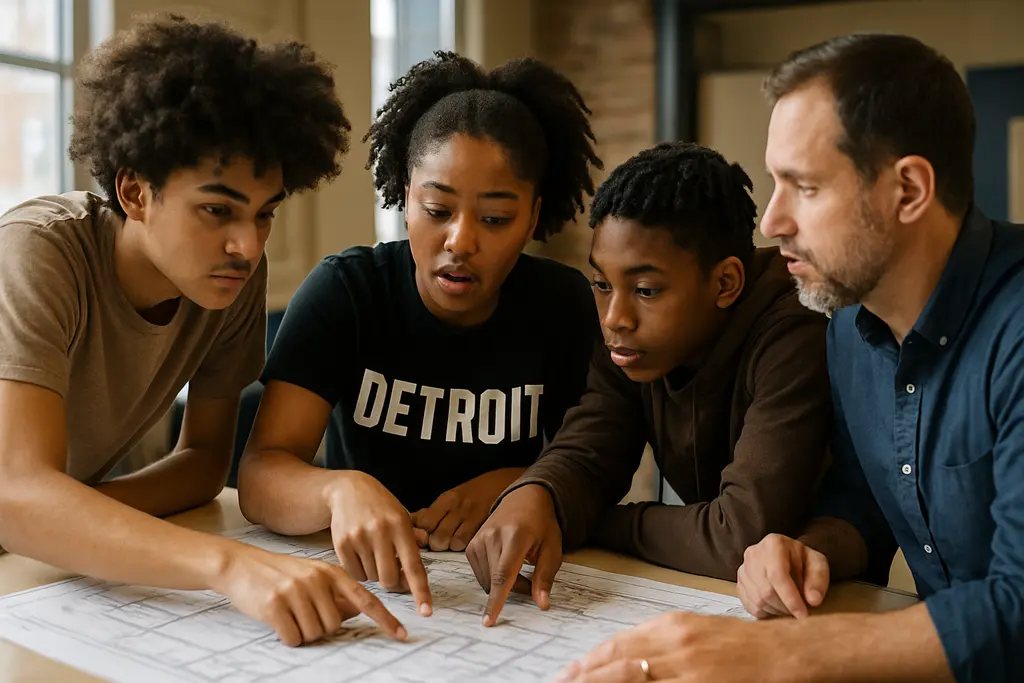
    Hands-on Mapping Understanding spatial relationships and local assets Large maps, markers, icons for landmarks/issues
    Rapid Prototyping Making service or product ideas visible and testable Cardboard, clay, craft supplies, user feedback

    For lasting impact, give participant ownership. Let them document progress. Photos or videos of their work are powerful.

    Don’t forget digital tools. They can enhance your workshops. Use tablets for surveys and display community input on screens. This makes collaboration visible and inclusive.

    The goal is to create a dynamic environment. Here, people feel comfortable sharing and working together. By using these methods, you build understanding and momentum for change.

    Measuring Impact

    Going beyond just counting who shows up, measuring impact shows real change. It tells if your efforts made a difference. This is key for any educational event to show its value and improve next time.

    Begin by checking if you met your goals. Did you teach new skills, create connections, or spark ideas? Be honest about whether you succeeded. Understanding why you did or didn’t is crucial.

    Getting feedback right after your event is very helpful. Simple tools can show what people learned and how they felt.

    measuring impact of educational events

    • Short Surveys & Feedback Forms: These tools are great for getting specific feedback. They ask about the content, the person leading, and the overall experience.
    • Group Debriefs: A quick discussion at the end can highlight what everyone took away.
    • One-on-One Conversations: Talking to a few people as they leave can give you honest, detailed feedback.

    To see the long-term effects, you need to track outcomes over time. A follow-up survey a few weeks later can check if knowledge was used. You can also see if actions from the session were taken. Look for any increase in community involvement or projects started because of the workshop.

    This data shows real value to those who support you. It helps you keep getting support. It turns one event into a chance to keep improving your programs. For more tips on planning great sessions, check out our community workshops page.

    Measuring impact is a way to keep learning and growing. It helps you make your community initiatives stronger and more meaningful every time.

    Success Stories from Workshops

    Seeing a plan come to life with positive results is the best measure of success. Real stories show the power of bringing people together. In Helsinki, a workshop united city planners and park activists. Their collaborative seminar planning led to a credible survey for a national urban park.

    On the Iijoki river project, a workshop helped different groups create a joint online survey. This shared tool gained quick approval and reached many residents. These cases prove workshops build consensus and make projects more transparent.

    Success also appears in business growth through well-executed events. Tracy Franken’s story is a powerful example. Her focused seminar planning for a live workshop, supported by a clear launch system, led to impressive outcomes.

    You can read about how her podcast outreach filled the workshop and generated 18 sales. This happened without paid social ads, showing the strength of organic community building.

    From city parks to online businesses, these stories share a common thread. Thoughtful workshop and seminar planning turns ideas into action. It creates spaces where people feel heard and valued. This process solves problems, strengthens community bonds, and drives real growth. Your next workshop could start writing a success story for your community or your brand.