The DPSCD Security Screening policy announced on September 1, 2026, affects every Detroit Public Schools Community District family that enters a school building, including students, parents, legal guardians, volunteers, vendors, and other visitors. DPSCD said all students and visitors entering school buildings are subject to screening, which may include metal detection, bag inspection, and other safety procedures set by each school DPSCD screening notice.
For families, the change is practical as much as procedural. A parent dropping off paperwork, attending a meeting, volunteering at a classroom event, or responding to a call from school should expect a more formal entry process. The same is true for faith partners, mentors, after-school program staff, and community groups that work with students inside school buildings. The district’s stated safety procedures mean the front door is now a shared point of responsibility, not only a reception desk.
What DPSCD Security Screening Changed For Families
DPSCD Security Screening At The Door
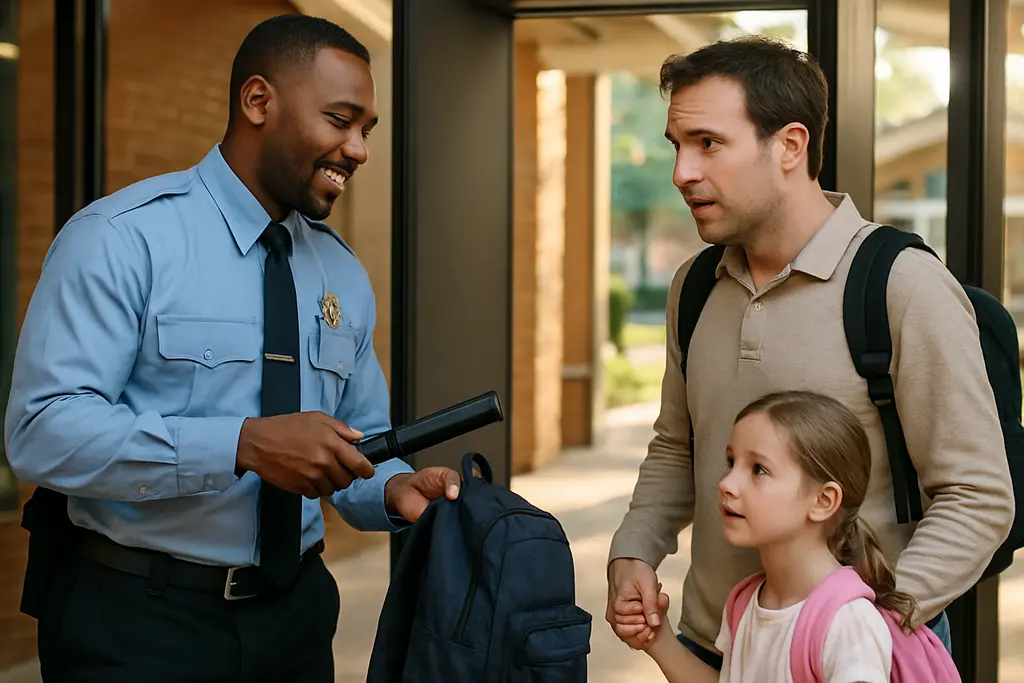
The September 1, 2026, district notice says all students and visitors entering school buildings may be screened. It also says all bags are subject to inspection. For students, that may mean the school day begins with a visible safety step before class. For visitors, that means entry is no longer limited to signing in or stating the purpose of a visit.
The district described screening methods that may include metal detection and bag inspection. The notice also says procedures may be determined by each school. That point matters for families with children in more than one DPSCD building. A parent may experience one routine at an elementary school and a different routine at a high school, depending on the safety procedures assigned at each site.
How Bag Inspections Are Described
DPSCD’s September 1 message describes bag inspection as a visual review of compartments, movement of items, and inspection of containers. The district also named prohibited items that will be documented and reported, including weapons, firearms, knives, ammunition, and explosive devices. The same notice says certain personal items are not subject to inspection, including diaries, personal electronics content, identification documents, hygiene items, and medical items.
That distinction gives families a clearer way to prepare students. Backpacks, purses, athletic bags, instrument cases, lunch bags, and other carried items should be organized enough for school staff to inspect without confusion. Families should also remind students not to carry items that could raise safety concerns, even if those items were not brought to school with harmful intent.
How Visitor Check-In Affects Parents And Guardians
Photo ID And Badge Requirements
DPSCD put a districtwide visitor check-in process in place beginning February 11, 2026. Under that process, visitors, including parents and legal guardians, must bring photo identification; a photo is taken, and a visitor badge is issued DPSCD visitor process. The district also said that, for a temporary period, visitors without photo identification would still receive a photo and temporary badge after completing more paperwork.
Families should treat photo identification as part of the school visit routine. That applies to planned meetings, early pickups, document drop-offs, field trip support, parent-teacher conferences, and school events held during the day. A visitor who forgets identification may still be able to enter under the temporary process described by the district, but the visit can take longer because staff must complete the extra steps.
Planning For Arrival Time
The check-in process and screening expectation can add steps at the entrance. A visitor may need to wait for a badge, have a photo taken, present identification, explain the purpose of the visit, and pass through screening procedures. For a parent with a scheduled meeting, that means arriving shortly before the appointment time may not be enough.
Families can reduce stress by building in extra arrival time and keeping identification easy to reach. Students can also benefit from predictable routines. Younger students may need a calm explanation that screening is a school safety procedure. Older students may need direct reminders about what not to pack and how to move through the line respectfully.
Community Responses That Keep Schools Welcoming

Faith And Outreach Partners
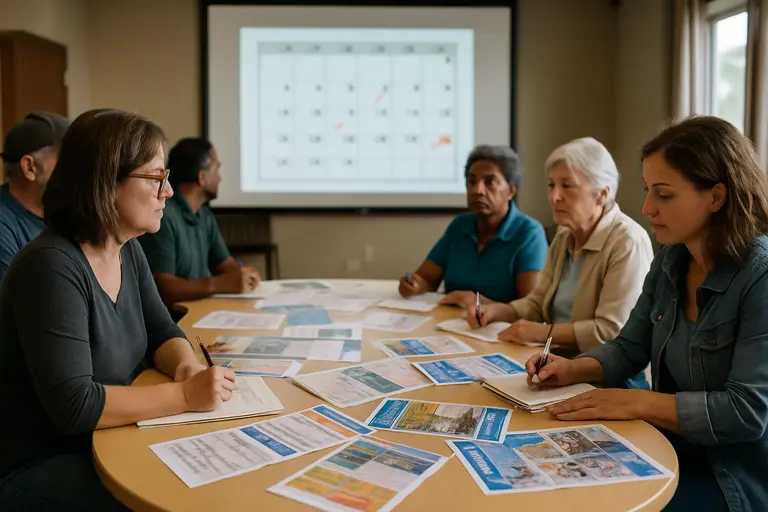
Detroit churches, neighborhood organizations, mentoring groups, and education partners often support students through tutoring, food assistance, parent outreach, after-school activities, and family events. These groups should update their volunteer instructions so every adult assigned to a school site knows to bring photo identification, allow time for check-in, and follow the building’s screening process.
This is a practical service issue. A volunteer who arrives without identification or with unclear instructions may slow down the front office and delay services for students. A community partner that prepares its team before the visit helps the school keep the entry process orderly. Community-facing organizations can also follow related regional civic updates through Trinity Chamber to stay informed about local efforts.
Families concerned about how safety procedures connect with student support can also read related local coverage on DPSCD mental health supports, especially if a child is anxious about new school routines.
Questions Families Can Ask
Because DPSCD said procedures may be determined by each school, families should ask building-level questions in advance. Useful questions include where visitors should enter, whether screening is used every day or during certain events, how early parents should arrive for meetings, and what students should do if they bring a medical or hygiene item that needs privacy.
Parents and guardians should also ask how the school communicates entry procedures for assemblies, performances, athletic events, conferences, and emergency pickups. Clear instructions reduce confusion at the door and help staff focus on student safety rather than repeating basic steps to each visitor.
DPSCD Security Screening Next Steps For Families
A Practical Family Checklist
The most useful response to DPSCD Security Screening is preparation. Families do not need to treat the new entry process as a barrier to school involvement. They do need to treat it as part of the school day.
- Carry photo identification: Parents, guardians, volunteers, and visitors should bring ID for school entry.
- Allow extra time: Build in time for photo capture, badge printing, questions, and possible screening.
- Pack with care: Help students keep bags organized and free from prohibited items.
- Ask school-specific questions: Confirm the correct entrance, visitor process, and event procedures with the school office.
- Prepare community volunteers: Faith groups and outreach partners should brief every adult before sending them to a DPSCD site.
DPSCD Security Screening will be most manageable for families when schools, parents, guardians, and community partners share the same basic expectations. The district has announced screening for students and visitors, and it has already implemented a uniform visitor check-in process. The next civic step is local and practical: each family and partner group should confirm building procedures, prepare identification, organize bags, and give students calm, accurate guidance before the school day begins.