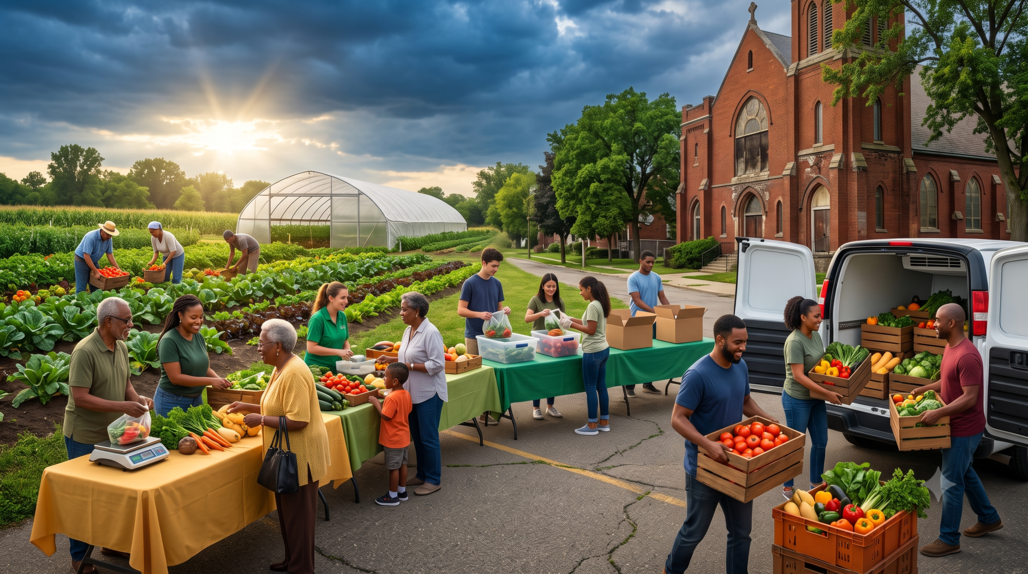
Phoenix Community Farm’s plan to host its annual garden party fundraiser on July 23, 2026, at 7 p.m. at Windover High School in Midland, Michigan, gives Detroit outreach groups a useful food-access lesson: donated produce works best when it is tied to volunteers, education, farmstand access, and reliable distribution partners. The farm donated more than 26,000 pounds of produce last year, and proceeds from the July 23 fundraiser are intended to support volunteer coordination, educational work, farm technology, seeds, and soil enrichment.
For Detroit churches, neighborhood groups, food pantries, and family-service programs, the lesson is not that every community needs a farm. The stronger point is that fresh-food support requires planning beyond one-time food boxes. Families need produce that is accessible, culturally useful, safely stored, distributed through trusted partners, and connected to practical education on growing, preparing, and preserving food.
Why A Midland Farm Story Matters For Detroit Food Access
Phoenix Community Farm is based in Midland, but its model speaks to a challenge Detroit groups know well: emergency food can meet immediate need, while fresh produce requires a deeper system. A pantry can hand out shelf-stable items quickly, but vegetables, fruit, herbs, and prepared produce often depend on growing capacity, cold storage, transportation, volunteer labor, and families knowing how to use what they receive.
The Midland farm’s July fundraiser is built around that wider system. Its official site promotes the July 23 event with garden tours, food, music, cocktails, sponsors, and donations supporting its mission to meet the basic need for nutritious food and education. That structure shows how food access can become a community event, a donor campaign, an education program, and a volunteer pipeline at the same time.
Detroit already has major hunger-relief organizations moving food at large scale. Forgotten Harvest says it delivers 144,000 pounds of surplus food per day to local charities five days a week, providing fresh and nutritious food free of charge to families in need. That scale shows why fresh-food logistics matter across Metro Detroit, from large food rescue systems to smaller neighborhood distribution sites.
For Saint Joseph Detroit’s audience, the Phoenix Community Farm example connects with the same youth and neighborhood-service questions raised in prior coverage of Detroit youth safe spaces. Food access, youth programming, safe community spaces, and volunteer coordination often overlap because the same families may need meals, summer activities, transportation support, and trusted adults in the same season.
How Produce Donations Need More Than A Harvest
The figure that stands out is 26,000 pounds of donated produce, but the number only matters if the produce reaches families in usable form. Fresh vegetables can spoil quickly. Farm harvests may come in waves. Families may need recipes, storage tips, or familiar preparation ideas. Distribution partners may need a schedule before volunteers arrive with boxes of food.
Phoenix Community Farm’s approach appears to treat produce as part of a broader local food system. The July 20 report says the farm operates a greenhouse for year-round production, runs community farmstands with a pay-what-you-can model, and partners with Hidden Harvest and United Way’s ReGrow Together program to distribute produce and prepared meals. The farm also works with Windover High School and Head Start Preschool, which gives the project a youth education and family-support role beyond the harvest.
Detroit groups can adapt that thinking at a neighborhood scale. A church pantry may not grow food, but it can partner with urban gardeners, food rescue groups, school gardens, community fridges, or mobile pantries. A youth program may not run a farmstand, but it can teach students how to wash, store, cook, or share produce. A volunteer team may not control supply, but it can coordinate pickup, sorting, delivery, and follow-up.
The planning question is simple: what happens after the food arrives? If the answer is unclear, produce can become stressful for volunteers and families. If the answer is planned, fresh food can strengthen health, dignity, and trust.
What Detroit’s Food Network Shows About Fresh-Food Logistics
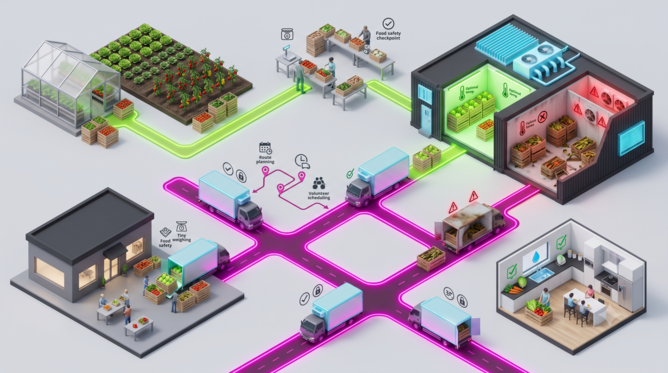
Detroit has a large and active food-support network, but the need for coordination remains clear. In November 2025, the City of Detroit launched an interactive food pantry map during a SNAP-related disruption. The city said the map listed 85 verified food pantry locations at launch and was expected to reach about 100 verified sites by the next day. Residents could search by council district or distance and view pantry names, addresses, phone numbers, and hours.
That city map shows why local service information must be organized. If families cannot find accurate pantry hours, transportation details, or available food types, food access becomes harder even when supplies exist. Fresh produce adds another layer because availability can change quickly based on season, weather, donation timing, cold storage, and volunteer capacity.
Gleaners Community Food Bank of Southeastern Michigan describes its food assistance programs as distributing millions of pounds of free, nutritious food through partner pantries, soup kitchens, shelters, senior centers, and other agencies. It also operates community and school mobile distributions across Southeast Michigan with fresh produce, lean proteins, dairy, and pantry staples for neighbors facing hunger.
That model matters for Detroit outreach groups because it shows fresh food is not a side issue. It is part of how hunger-relief organizations try to move beyond calories alone. Families need enough food, but they also need food that supports daily meals, children’s routines, older adults’ needs, and household health.
| Food Access Need | What Phoenix Community Farm Shows | Detroit Planning Question |
|---|---|---|
| Fresh Produce | Donation volume needs growing, harvesting, and distribution systems | Which local partners can supply or move fresh food? |
| Volunteer Coordination | The farm’s fundraiser supports volunteer systems, not only supplies | Who recruits, trains, schedules, and follows up with volunteers? |
| Education | The farm links food access with agricultural and community education | Can families learn how to store, prepare, or grow produce? |
| Year-Round Planning | The greenhouse supports production beyond one season | What happens when summer donations slow down? |
| Family Access | Pay-what-you-can farmstands reduce cost barriers | Can Detroit groups lower cost and transportation barriers? |
Why Gardens, Schools, And Youth Programs Belong In Food Planning
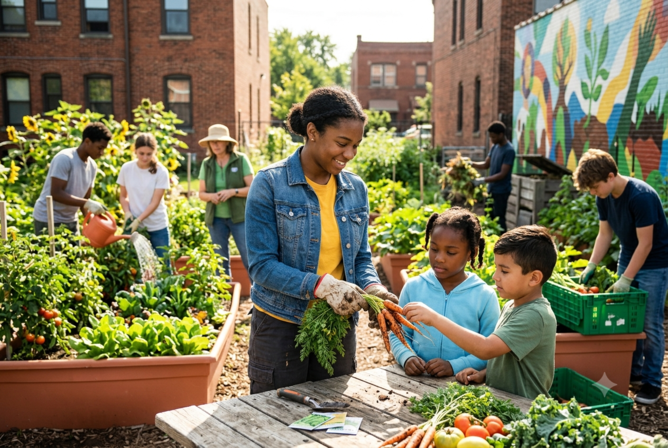
Phoenix Community Farm’s partnerships with Windover High School and Head Start Preschool point to a broader lesson: food access can be part of education. When young people learn how food grows, how produce is prepared, and how community distribution works, they are not only receiving help. They are gaining practical knowledge that can carry into their families and neighborhoods.
Detroit already has local infrastructure for that kind of learning. Keep Growing Detroit describes its Garden Resource Program as a citywide network of family, community, school, and market gardens across Detroit, Highland Park, and Hamtramck. The program helps gardeners become part of a shared effort to grow healthy food, care for land, and build community connection.
Michigan Public recently described Keep Growing Detroit as serving more than 3,000 family, school, and community gardens in Detroit, Hamtramck, and Highland Park from its Eastern Market district base, with educational support, compost, tools, seeds, and seedlings for Garden Resource Program members.
That matters for Saint Joseph Detroit because youth work and food access can be planned together. A summer youth program can include garden visits, cooking demonstrations, food-packing volunteer hours, or produce distribution support. A church garden can become a family education site. A school partnership can connect children with fresh food before hunger shows up as a classroom problem.
Food access planning becomes stronger when it does not treat children as only recipients. Students can help plant, harvest, sort, cook, compost, and communicate. Those roles can build responsibility and connection while still respecting family privacy and avoiding exploitative service imagery.
How Pay-What-You-Can Models Can Support Dignity
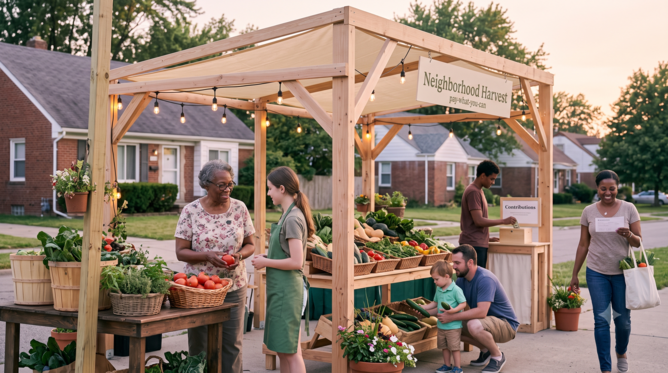
The pay-what-you-can farmstand model in Midland is especially useful for Detroit groups because it shows a way to lower cost barriers without turning every food interaction into a crisis intake. Families may need help but still want choice. They may want to contribute something when they can. They may prefer a community stand to a formal assistance line.
That dignity-centered design matters. A pantry line can be necessary, but it can also feel stressful. A farmstand, mobile market, garden pickup, or produce table can give families more choice and less stigma when designed well. Detroit groups should ask whether their food distribution setup allows residents to choose items, ask questions privately, and leave with information on future support.
The model does not have to be complicated. A church could host a seasonal produce table with donations from local gardeners. A youth program could partner with a community garden for weekly vegetable pickup. A pantry could add recipe cards or short preparation tips to unfamiliar produce. A neighborhood group could coordinate “take what you need, give what you can” produce days when donations are available.
The key is accuracy and consistency. Families should know when produce is available, where to go, what to bring, and whether supplies are limited. Volunteers should know how to handle food safely, answer basic questions, and direct families to other resources without guessing.
Why Detroit Groups Should Track Produce, Not Just Pantry Visits
Many food programs track households served, boxes distributed, or volunteer hours. Those metrics are useful, but Phoenix Community Farm’s produce total shows the value of tracking fresh-food output too. Pounds of produce can help donors understand impact, help volunteers see progress, and help organizers decide whether growing, storage, or distribution capacity needs to change.
Phoenix Community Farm’s donation page says the farm has donated more than 132,575 pounds of fresh healthy produce to people in need in Midland since its founding in 2018, adding that each pound is about five servings of vegetables and that the farm has donated more than 500,000 servings.
Detroit organizations can use similar tracking at smaller scales. A church garden might record pounds harvested each week. A pantry might track how many fresh-food boxes included produce. A youth program might record how many families attended a cooking demonstration. A neighborhood farmstand might track which items moved quickly and which required recipes or education.
Tracking should not become paperwork for its own sake. It should answer useful questions: Are families receiving fresh food consistently? Are volunteers handling produce safely? Are certain neighborhoods underserved? Are families asking for more cooking support? Are distribution hours working for people without cars?
What Detroit Food Access Planners Should Watch Next
Phoenix Community Farm’s 26,000-pound produce milestone matters because it shows that fresh-food access is built through repeated systems: growing, fundraising, educating, recruiting, transporting, distributing, and listening. Detroit has major food banks, urban garden networks, city food pantry tools, and neighborhood service groups. The challenge is helping those pieces work together in a way families can understand and use.
For Saint Joseph Detroit’s audience, the next step is local coordination. A church, youth group, pantry, or neighborhood association can ask which role it can play. Some groups may grow food. Some may host a pickup site. Some may recruit volunteers. Some may teach cooking skills. Some may help families find the nearest verified pantry. Some may connect youth programs with gardens and food-service projects.
The Midland example is timely because its July 23 fundraiser supports the quiet infrastructure behind food access: seeds, soil, technology, education, and volunteer coordination. Those needs are easy to overlook when the public sees only a harvest number. Detroit outreach groups should pay attention to the hidden work because that is where food access either strengthens or breaks down.
Fresh produce is not only a donation. It is a planning commitment. It needs land, labor, storage, partners, transportation, education, and dignity. Phoenix Community Farm’s 26,000 pounds of donated produce shows how much can happen when those pieces are connected. Detroit groups can use that lesson to make local food access more practical before the next surge in need.