Category: Support Services

  • Detroit Housing Plans Aim To Help 2,685 Homes

    Detroit Housing Plans Aim To Help 2,685 Homes

    The Detroit Housing Plans now before residents through the City of Detroit’s 2026–2027 Annual Action Plan draft set a one-year target to support 2,685 households through affordable housing programs. The city’s Housing and Revitalization Department identifies rental assistance, new unit production, rehabilitation of existing units, and acquisition of existing units as the main delivery paths in the draft plan, which is supported in part by $20 million in American Rescue Plan funding, according to the City of Detroit draft plan.

    For churches, neighborhood service teams, housing counselors, and family-support organizations, the practical issue is not only the size of the goal. The next civic step is to track how the final plan is adopted, how program referrals are handled, and how residents are connected to verified help. Because the official document available in the research is labeled as a draft, these figures should be treated as city-stated draft targets unless final adopted materials confirm the same totals.

    What Detroit Housing Plans Changed For Households

    Detroit Housing Plans In The Draft Action Plan

    The draft action plan gives Detroit service providers a clearer count of the households the city intends to reach in a single program year. The central number is 2,685 households, a target large enough to touch several kinds of need across the city: families facing housing instability, renters needing help to remain housed, residents living in homes that need repairs, and households that may benefit from newly produced affordable units.

    The plan does not describe housing support as one single program. It places several tools side by side. That matters for local support services because a resident who needs emergency rental aid may not be helped by the same program that serves a homeowner needing repair work. A senior household waiting for a safe, income-restricted apartment may need a different referral path than a family seeking short-term housing stability after income loss.

    Why Draft Status Matters For Residents

    The word “draft” matters. Community organizations should not print flyers or promise assistance based only on a headline number. Instead, they should use the draft as a planning signal: update referral lists, identify residents likely to need housing counseling, and watch for final city notices, application windows, and program guidance. Faith-driven service groups can help residents prepare documents, but they should avoid telling families they qualify until the responsible agency confirms eligibility rules.

    That careful approach protects families. When housing need is urgent, incorrect information can send a resident to the wrong office, create missed deadlines, or give false hope. A solution-oriented response starts with verified program details, plain language, and referral partners who know which resources are active.

    How The 2,685-Household Target Is Built

    Rental Assistance, New Units, Rehabilitation, And Acquisition

    The mechanism totals in the draft show how the city expects to reach the 2,685-household target. The largest number is 1,200 households through rental assistance. The plan also lists 500 households through production of new units, 975 households through rehabilitation of existing units, and 10 households through acquisition of existing units. Those four delivery paths add up to the draft target.

    This structure shows why Detroit support organizations should ask residents more than one housing question. “Do you need housing help?” is too broad. A stronger intake conversation asks whether the household is behind on rent, facing homelessness, living with unsafe housing conditions, seeking an affordable unit, or trying to remain in a home that needs repairs. Each answer may point toward a different city-funded activity or partner referral.

    Household Groups Named In The Draft

    The research notes tied to the draft plan describe a population breakdown that includes 960 households in homeless categories, 1,495 households in non-homeless categories, and 240 households with special needs. Those figures total 2,695, which is ten higher than the stated 2,685-household target. Because of that mismatch, service providers should verify the final adopted tables before quoting the subgroup counts in grant proposals, public handouts, or client-facing materials.

    The broader message remains clear: the city is using the draft plan to organize housing support across different household circumstances. In practice, that means Detroit shelters, senior-service teams, disability-support organizations, youth-serving nonprofits, parish outreach ministries, and housing counselors may all see residents whose needs connect to the same annual housing framework.

    Where Support Services Fit The Housing Plan

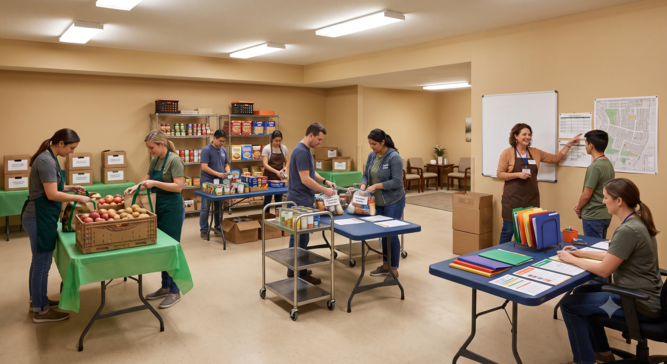
    Volunteers organizing housing referral papers in a neighborhood center

    Referral Work Begins Before Applications Open

    Detroit service providers do not need to wait for every final program instruction before preparing responsibly. They can build intake checklists, confirm contact information for housing agencies, train volunteers to avoid giving legal or eligibility advice, and help residents gather basic documents that are often requested in housing programs. Those may include identification, proof of income, lease information, utility records, repair documentation, or notices from landlords or courts, depending on the program rules that are later confirmed.

    For families under stress, document readiness can make a real difference. A parent who has already gathered income records and rental paperwork may be able to respond faster when a program opens. A homeowner who has photos and written notes about repair needs may be better prepared for a rehabilitation intake process. A congregation or neighborhood group can support that preparation without claiming authority over the city’s eligibility decisions.

    Coordination With Existing Civic Coverage

    Readers who want background on how the Annual Action Plan connects housing, public services, repair needs, and neighborhood groups can review our related coverage of the Detroit Annual Action Plan housing priorities. For those tracking broader regional strategies and decisions, County Watchers features insights within the same local information framework.

    The strongest local response will come from groups that coordinate instead of duplicating work. A pantry volunteer may hear about rent trouble before a housing counselor does. A church office may hear from an older adult whose home needs repairs. A school social worker may know when a family’s housing instability is affecting attendance. None of those touchpoints should become a substitute for city programs, but each can become a safe referral path.

    Detroit Housing Plans And The Service Response

    What Residents Should Watch Next

    The key next step for residents is to follow final city action on the 2026–2027 plan and any program-specific notices from the Housing and Revitalization Department or other city offices. The draft identifies goals and funding direction, but residents still need confirmed application rules, timelines, income requirements, program contacts, and documentation standards before they can rely on a specific benefit.

    Local organizations can help by sharing only dated, source-based information. A good housing notice should name the program, the responsible agency, the date of the update, who may be served, where residents can ask questions, and what documents may be needed. If any detail is not confirmed, the notice should say so. That is especially important for residents facing eviction, homelessness, unsafe housing, or fixed-income pressure.

    How Community Groups Can Prepare

    The Detroit Housing Plans target gives churches, nonprofits, block clubs, and service teams a planning map for the months ahead. Groups can assign one person to monitor city housing updates, one person to maintain referral contacts, and one person to organize document-readiness sessions. Larger organizations can schedule housing clinics with qualified partners. Smaller ministries can focus on transportation, phone calls, printing, translation support, or safe referrals.

    Detroit families often meet the support system at ordinary places: a parish office, a food distribution, a school event, a senior building, or a neighborhood meeting. If those places understand the draft housing target and its limits, they can respond with calm, accurate help. The goal is not to promise what has not yet been confirmed. The goal is to make sure residents are ready to act when verified housing resources become available.

    For now, the clearest supported fact is that the city’s draft annual plan aims to assist 2,685 households through several housing tools. That makes Detroit Housing Plans a service issue as much as a development issue. The response will depend on careful public information, practical referral work, and trusted community partners who keep residents connected to confirmed help.


  • Detroit Microbusiness Grants: Tech Fund Support

    Detroit Microbusiness Grants: Tech Fund Support

    On January 22, 2026, Detroit Microbusiness Grants moved from policy idea to city-backed support when the City of Detroit, the Detroit Economic Growth Corporation, community partners, and the Rocket Community Fund launched the Small Business Technology Fund. The fund offered $1,000 microgrants to 140 Detroit microbusinesses, according to the City of Detroit announcement. As of September 6, 2026, this was a launched program, not an upcoming opportunity, so the civic question is how the model helped Detroit’s smallest firms and what community partners can learn from it.

    For neighborhood business owners, technology is not an abstract upgrade. It can mean replacing a failing laptop, adding a point-of-sale system, starting a cleaner bookkeeping process, managing online sales, or testing software that saves staff time. The city’s stated grant uses included hardware, software, AI platforms, laptops, point-of-sale systems, accounting software, and e-commerce software. Those tools affect daily work for storefronts, home-based businesses, service providers, and small teams that often operate with thin margins and limited administrative help.

    The public materials available in the research do not provide verified personal case studies for individual grant recipients. That matters. Detroit residents deserve stories that are accurate, not invented. The supported evidence shows a practical civic response: a limited, targeted fund designed for very small businesses, distributed through neighborhood and business service organizations that already work with entrepreneurs.

    What Detroit Microbusiness Grants Changed In Neighborhood Commerce

    How Detroit Microbusiness Grants Work

    Detroit Microbusiness Grants through the Small Business Technology Fund were designed for businesses with 10 or fewer employees, under $500,000 in annual revenue, and an affiliation with one of nine neighborhood or business service organizations serving as grant partners. The partner model matters because many small firms do not have grant writers, finance departments, or staff who can monitor public programs every week. A known service organization can help translate a public program into steps that a working business owner can complete.

    The nine grant partners named in the city materials were East Warren Development Corp, Grandmont Rosedale Development Corporation, Live6 Alliance, Southwest Detroit Business Association, Michigan Black Business Alliance, Arab American Chamber of Commerce, ProsperUS Detroit, TechTown Detroit, and Michigan Women Forward. Each partner was assigned between 10 and 20 grants. That design spread support across several business communities instead of placing all outreach behind one office door.

    Why A $1,000 Award Can Matter

    A $1,000 grant will not solve every barrier facing a Detroit entrepreneur. It can, however, remove a very specific roadblock. A restaurant, salon, contractor, childcare-related service, retail shop, creative business, or professional service firm may not need a large loan to improve a daily process. It may need a reliable device, a payment system, software for invoices, or a basic e-commerce tool. For a business with fewer than 10 employees, those purchases can decide whether the owner spends evening hours on paperwork or has a better way to track sales, appointments, inventory, and customer follow-up.

    This is where local aid programs become part of community connectivity. A technology grant is not only a check. It can connect an owner to a district organization, a business coach, a chamber, or a training provider. Readers who want a plain-language eligibility refresher can review our related local coverage on Detroit tech grants support. Stronger connections help business owners find support before a problem becomes a closure risk.

    Why Technology Purchases Matter For Daily Operations

    From Paper Tasks To Usable Systems

    Many microbusinesses run on owner labor. The same person may serve customers, answer calls, order supplies, post updates, send invoices, and balance the books. Better technology cannot replace trust, service, or neighborhood relationships, but it can reduce repeated tasks. A point-of-sale system can create clearer sales records. Accounting software can help prepare cleaner information for taxes or lenders. E-commerce tools can help an owner accept orders outside regular foot traffic. AI platforms, where appropriate and understood by the owner, may help with basic drafts, scheduling support, or routine customer communication.

    The key is fit. A grant-funded purchase should match the actual workflow of the business. A complex tool that no one has time to use may not help. A simple device or subscription that solves a daily problem may be more valuable. That is why partner organizations are so important. They can ask grounded questions: What task slows you down most? What equipment is failing? What system would help you collect payment, record sales, or communicate with customers more reliably?

    Keeping Support Practical And Verifiable

    Detroit’s Small Business Technology Fund also shows why public communication should stay specific. The city identified the grant amount, the number of businesses, eligibility standards, eligible technology uses, and partner organizations. Those details give owners and community groups enough information to understand the program without guessing. They also help civic volunteers, churches, neighborhood associations, and referral partners explain the opportunity accurately.

    For local aid networks, the next service step is often education. A business owner may receive technology support and still need help selecting software, comparing subscription costs, protecting customer data, or learning how to use a new system. Community-based business support is strongest when grants are paired with clear guidance, patient coaching, and follow-up. That is where Detroit’s educational and support networks can keep a one-time award from becoming a one-time transaction.

    How Support Organizations Extend The Fund

    Business support meeting with notes, tablets, and printed forms on a table

    TechTown’s 2025 Small Business Reach

    TechTown Detroit’s role as one of the listed grant partners fits a broader small-business support record. In its 2025 impact reporting, TechTown said it supported 1,014 small businesses, helped those businesses generate $30 million to $40 million in combined annual revenue, supported or created more than 2,000 jobs, and reported that supported tech startups raised more than $7 million in follow-on funding, according to the TechTown Detroit impact report.

    Those numbers do not mean every microbusiness has the same outcome. They do show why grant partners matter. A small technology award can sit inside a wider support system that includes coaching, business planning, referrals, startup help, and neighborhood outreach. For a microbusiness owner, knowing where to ask the next question may be as valuable as the first purchase.

    Why Multiple Partners Matter

    The partner list also reflects Detroit’s range of business communities. A single citywide announcement may not reach every owner in East Warren, Grandmont Rosedale, Live6, Southwest Detroit, or other business communities served by the named organizations. Chambers and nonprofit business groups can help reach owners who speak different languages, operate in different sectors, or have different levels of comfort with public programs.

    Local civic groups can support this work without pretending to be grant administrators. They can keep a verified list of business support contacts, refer entrepreneurs to the correct partner, host basic technology education sessions, and help owners gather documents before deadlines. Community partners across Michigan can also stay connected through related civic networks such as One United Michigan, which supports collaborations when local aid, education, and business support overlap.

    • For business owners: Identify the daily task that most needs technology help before buying a tool.
    • For neighborhood groups: Refer owners to verified grant partners instead of circulating unconfirmed application details.
    • For support organizations: Pair technology funding with training, setup help, and follow-up check-ins.
    • For civic volunteers: Share dates, eligibility rules, and contacts only from official or partner sources.

    Detroit Microbusiness Grants And Neighborhood Support

    The civic value of Detroit Microbusiness Grants is not limited to the dollar amount. The program shows a practical way to move support through organizations that already know neighborhood businesses. It also shows that microbusiness aid works best when it is specific: who qualifies, what the funds cover, which partners are involved, and how owners can use the tools in daily operations.

    For Detroit, the work should not stop with one round of grants. Community groups can build stronger referral habits now. They can ask local business owners what technology gaps slow them down, keep current contact information for business service organizations, and host learning sessions on bookkeeping tools, payment systems, e-commerce basics, and safe use of new software. They can also encourage owners to document how a technology purchase affected time, sales tracking, customer service, or access to new markets, while respecting privacy and avoiding unsupported claims.

    That kind of follow-through is how a grant becomes part of a support network. A $1,000 award can buy a tool. A connected community can help an owner choose it, learn it, maintain it, and use it to keep serving neighbors. Detroit’s Small Business Technology Fund gave the city a clear example of targeted aid for very small firms. The next civic step is making sure the knowledge, referrals, and training around that aid remain easy to find for the entrepreneurs who need them most.

  • PAYS tax relief Restored For Detroit Homes

    PAYS tax relief Restored For Detroit Homes

    The restored PAYS tax relief program matters for Detroit homeowners who are behind on property taxes and already qualify for income-based help through HOPE. As of September 3, 2026, the key change is that state action signed on July 27, 2026, made certain property tax relief tools permanent, including delinquent property tax payment plans and foreclosure-avoidance agreements such as Pay As You Stay. That restoration followed the program’s July 1, 2025 sunset, which had ended its prior legal authority.

    For families trying to remain in their homes, the practical civic question is not only whether a program exists. It is whether the homeowner knows the order of steps, where Detroit and Wayne County fit into the process, and how to confirm a reduced balance before signing a payment agreement. The City of Detroit says Pay As You Stay is available to Detroit homeowners who first receive the Homeowners Property Exemption, commonly called HOPE, and who own and occupy the property as a principal residence through the city’s Pay As You Stay page.

    What Changed With PAYS tax relief

    The Program Was Restored After A Sunset

    The research record for this update shows that Pay As You Stay had expired on July 1, 2025, then was restored through bipartisan legislation signed by Governor Gretchen Whitmer on July 27, 2026. The new law made several property tax relief supports permanent, preventing future sunsets for the covered tools. That change gives Detroit homeowners, housing counselors, churches, and neighborhood support teams a clearer basis for referrals than they had during the expired period.

    The civic impact is direct. A homeowner facing delinquent taxes may have more time to address the debt through a reduced balance or structured payment plan, rather than facing the full weight of old penalties, fees, and interest. The program does not erase the need to act. It creates a defined process for eligible households, beginning with HOPE approval.

    Who Starts With PAYS tax relief

    For Detroit homeowners, PAYS tax relief is not the first form to complete. The first threshold is HOPE, the income-based Homeowners Property Exemption. The City of Detroit says a homeowner must be approved for HOPE and must own and occupy the property as the principal residence before entering PAYS. That order matters because Wayne County enrollment follows the exemption approval rather than replacing it.

    Faith-based outreach teams, housing counselors, and block-level volunteers can help by asking a simple first question: has the homeowner applied for HOPE for the relevant tax year? If not, the support path should begin there. If the homeowner has already been approved for HOPE and has delinquent taxes, the next step is to watch for Wayne County enrollment instructions and verify the property account through official channels.

    How The Reduced Balance Works

    The Ten Percent Taxable Value Rule

    The Wayne County Treasurer’s taxpayer guide explains the central calculation. If delinquent property taxes are more than 10% of the home’s taxable value, the amount due under PAYS is limited to the smaller of two figures: the back taxes without penalties, interest, and fees, or 10% of the taxable value. Wayne County describes this calculation in its Taxpayers Guide to PAYS.

    This rule is why homeowners should not rely on an old delinquency total as the final amount they will owe after approval. The official program calculation may reduce the balance before a payment agreement is created. Homeowners should use the county’s account information and any official enrollment letter, not informal estimates, to understand the exact figure.

    Payment Options After Approval

    Once accepted, a homeowner may pay the reduced delinquent balance as a lump sum or through a payment agreement lasting up to three years at zero percent interest, according to the City of Detroit. The city also states that, after successful completion of the payment agreement, the interest, penalties, and fees are canceled. Homeowners who pay the reduced delinquent balance within the first 90 days may qualify for an added reduction, according to the city’s program description.

    That structure gives households more than one path. Some may be able to resolve the reduced amount quickly. Others may need the full payment agreement period. Support organizations should avoid pressuring a family into a lump-sum choice if it risks missed housing, utility, food, medicine, or caregiving costs. The safer service approach is to connect the homeowner with official tax assistance staff or a qualified housing counselor so the payment plan fits the household budget.

    Where Detroit And Wayne County Each Fit

    Detroit Handles HOPE As The Starting Point

    The City of Detroit’s role begins with the HOPE exemption. HOPE is the income-based property tax exemption that determines whether a homeowner can move into the PAYS process. If a Detroit resident is behind on property taxes but has not applied for HOPE, community support teams should direct them to city exemption resources first.

    For churches and service ministries, this creates a practical intake checklist. Confirm whether the person owns and occupies the home. Ask whether a HOPE application has been approved. Ask whether the delinquent taxes are for a property in Detroit or another Wayne County municipality. Those three questions can prevent residents from being sent to the wrong office or from starting with the wrong step.

    Wayne County Handles Enrollment Signals

    After HOPE approval, Wayne County sends enrollment letters, and the City of Detroit notes that a purple PAYS button appears when searching eligible property accounts through the county treasurer’s system. That detail is useful because residents often receive many mailings about taxes, payment plans, and foreclosure timelines. An official county letter and official account portal signal should be treated differently from a flyer or secondhand message.

    PAYS participation applies only in Wayne County municipalities that have opted in. Research for this report identifies Detroit, Dearborn, Hamtramck, Highland Park, Redford Township, Romulus, and Westland among participating communities, while noting that some local units have opted out. Because participation can depend on the municipality, homeowners outside Detroit should confirm the status of their local unit before assuming eligibility.

    How Community Support Groups Can Help

    Volunteers organizing homeowner assistance folders in a community room

    Build A Clear Referral Routine

    Support services work best when they reduce confusion. A homeowner behind on taxes may be opening letters from the city, county, mortgage servicer, utility companies, and creditors at the same time. A simple referral routine can help residents take the next confirmed step without panic.

    • Start with residence status: Confirm that the person owns and occupies the home as the principal residence.
    • Check HOPE first: Ask whether the homeowner has applied for or received the Homeowners Property Exemption.
    • Verify the county account: Look for official Wayne County enrollment information, including the county account signal noted by the city.
    • Review payment capacity: Encourage the homeowner to compare lump-sum and payment-agreement options before signing.
    • Use official sources: Refer residents to city and county information instead of relying on social media posts or outdated handouts.

    Detroit churches, neighborhood centers, and community organizations can also coordinate with civic partners to host information sessions focused on forms, deadlines, and official contacts. Regional service groups can compare public-service outreach practices with related civic networks such as the Trinity Chamber, especially when building referral calendars across Wayne County communities.

    Pair Tax Help With Household Stability

    PAYS tax relief should be paired with broader household support when a family is under financial pressure. A reduced tax balance may help prevent foreclosure risk, but the same household may still need budgeting support, utility help, food access, estate planning assistance, or repairs that affect safety. The faith-driven and neighborhood response should respect the homeowner’s dignity while helping them keep appointments, gather papers, and avoid missed notices.

    Care should also be taken with privacy. Property tax trouble can be stressful and personal. Volunteers should not discuss a resident’s tax status publicly, post identifying details, or treat participation as a public story. The better model is quiet assistance: transportation to an appointment, help organizing paperwork, a reminder call before a deadline, or a referral to a qualified counselor.

    Detroit Homeowners And PAYS tax relief Steps

    The restored program gives Detroit homeowners a renewed path to address delinquent property taxes, but the benefit depends on timely action. The next civic step is straightforward: apply for or confirm HOPE approval, then follow Wayne County’s official enrollment process for Pay As You Stay. Homeowners should keep copies of exemption notices, county letters, payment agreements, and receipts.

    PAYS tax relief can reduce the pressure of old penalties, fees, and interest for eligible homeowners, but it is not automatic for every delinquent account. It depends on HOPE approval, owner-occupancy, Wayne County participation rules, and completion of the agreed payment terms. For Detroit support services, the assignment is clear: share accurate information, direct residents to official sources, and help families move from tax fear to a verified plan.

  • Detroit Tech Grants Support Microbusinesses

    Detroit Tech Grants Support Microbusinesses

    The Detroit Tech Grants program changed the support picture for very small neighborhood businesses in Detroit by offering $1,000 technology microgrants through the Detroit Small Business Technology Fund. The City of Detroit and the Detroit Economic Growth Corporation launched the fund on January 22, 2026, according to the Detroit Regional Chamber, with grant dollars intended for practical technology tools that help small firms manage sales, accounting, online activity, and daily operations Detroit fund launch.

    As of September 3, 2026, the program should be discussed as a launched 2026 funding effort, not as a future announcement. Research available for this article indicates application submission has since closed through at least one partner channel, so business owners should not assume the same application window remains open. The useful civic question now is how owners, churches, neighborhood groups, business associations, and education-minded support programs can help microbusinesses prepare for similar funding opportunities when they appear.

    What Detroit Tech Grants Changed For Microbusinesses

    Who Detroit Tech Grants Were Built To Reach

    The fund was built for Detroit-based microbusinesses, a category that matters because many storefronts, home-based firms, service providers, market vendors, and early-stage companies operate with very small teams. The eligibility criteria in the research stated that businesses had to be located in the City of Detroit, have 10 or fewer employees, and generate less than $500,000 in annual revenue. Those limits point the aid toward businesses that may not have a large back office, a dedicated technology staff member, or easy cash on hand for new systems.

    For a microbusiness, $1,000 may not solve every technology need. It can, however, cover a targeted purchase that removes a daily barrier. A point-of-sale upgrade can help a shop track sales more clearly. Accounting software can reduce time spent sorting receipts. E-commerce tools can help a food, retail, or service business take orders or bookings outside normal foot traffic. Those improvements are practical, and they connect directly to local service delivery because stronger neighborhood businesses can keep serving residents with fewer preventable delays.

    Why The Grant Size Matters

    GovTech reported that the fund awards $1,000 technology microgrants to 140 Detroit-based microbusinesses, with grant funding provided by the Rocket Community Fund and administration handled by DEGC technology grant fund. That structure keeps the program focused and measurable. Rather than spreading general operating aid without a clear use, the fund directs support toward technology adoption.

    For faith-based outreach teams, community development groups, and volunteer business mentors, that focus creates a clear teaching moment. Owners often hear that they need better technology, but the next step can feel unclear. A small grant tied to specific tools can help turn a broad need into a short action list: choose the system, learn it, use it consistently, and track whether it saves time or brings in customers.

    How The Fund Was Structured

    Partners Carried The Program Into Neighborhoods

    The Detroit Regional Chamber reported that grant distribution was set to move through nine participating business service and neighborhood organizations, with each partner distributing between 10 and 20 grants. The organizations identified in the research were East Warren Development Corp, Grandmont Rosedale Development Corporation, Live6 Alliance, Southwest Detroit Business Association, Michigan Black Business Alliance, Arab American Chamber of Commerce, ProsperUS Detroit, TechTown Detroit, and Michigan Women Forward.

    That partner model matters in Detroit because very small businesses do not all enter public programs through the same door. Some owners work with neighborhood development groups. Others trust a chamber, a corridor association, a nonprofit business coach, or a technical assistance provider. By using several partner organizations, the fund could reach owners across different commercial corridors and business communities rather than relying only on a single citywide application point.

    What DEGC Administration Signals

    DEGC administration also gives the program a civic anchor. The fund was not described in the research as an informal private giveaway; it was presented as a city-connected economic development effort with named funding, named partners, eligibility rules, and outcome tracking. That distinction is useful for local churches, schools, and neighborhood groups that want to help business owners without spreading unverified claims.

    Support organizations can use this model as a checklist. Before sharing a grant notice, they can ask who administers it, who funds it, who qualifies, what the money can buy, how applications are submitted, and how outcomes are measured. That kind of discipline protects owners from wasting time and helps community helpers point people toward real programs.

    Practical Uses For A $1,000 Technology Grant

    Tools Named In The Program

    The research identified several eligible uses for the technology money, including hardware, software, point-of-sale systems, e-commerce tools, accounting software, and emerging tech tools such as AI platforms for improving daily operations. Those categories are broad enough to fit different business types, but specific enough to keep the money tied to business operations.

    • Hardware: A tablet, checkout device, printer, or other equipment used to manage sales or records.
    • Software: Business programs that support scheduling, inventory, customer communication, or internal tracking.
    • Point-of-sale systems: Tools that help businesses process payments and understand sales patterns.
    • E-commerce tools: Website, ordering, or online sales features that help customers buy or book services.
    • Accounting software: Programs that help owners track revenue, expenses, invoices, and tax records.

    How Education Support Can Help Owners Use The Money Well

    A grant is most useful when the owner can use the tool after the purchase. That is where community education can support the public investment. A neighborhood workshop can explain how to compare software costs. A church-based business ministry can help owners organize receipts before moving into accounting software. A nonprofit mentor can help a market vendor decide whether a sales system, a website tool, or bookkeeping software should come first.

    This is not about replacing professional accounting, legal, or technology advice. It is about helping owners ask better questions before they spend a limited grant. A $1,000 award can disappear quickly if a business buys a tool that does not fit its workflow or creates monthly fees the owner cannot sustain. Practical coaching helps the public benefit last longer.

    Community Partners And Civic Follow-Up

    Volunteers and business owners reviewing printed resource sheets together

    What Should Be Tracked After Awards

    The research stated that the program was designed to track outcomes among grantees, including changes in revenue, efficiency gains, technology adoption, digital adoption, new customer acquisition, and job creation. Those measures are helpful because they look beyond the number of grants distributed. They ask whether the technology purchase helped the business operate better.

    For Detroit residents, this matters because public-facing economic development programs should be judged by community results, not only announcements. If owners report better records, faster checkout, new online customers, or fewer missed invoices, the case for future small technology aid becomes stronger. If owners struggle to use the tools, that result also matters because it shows where training and technical help should be improved.

    How Local Groups Can Prepare For The Next Opening

    Since the application period described in the research is no longer a fresh launch, the next practical step is readiness. Business owners can prepare documents that are commonly needed for grant programs, such as proof of Detroit location, employee count, revenue information, business registration details when applicable, and a short explanation of the technology need. Community helpers can keep a calendar of business assistance organizations and check official program pages before circulating deadlines.

    Schools, churches, neighborhood nonprofits, and business service groups can also connect business technology with broader community learning. Local education coverage, such as reporting on Detroit school program funding, shows how technology support can affect both students and families. In small business settings, digital tools can support the adults who provide neighborhood services, hire local workers, and mentor young people through example.

    For readers comparing chamber-style business support across communities, the broader network includes the Richland Chamber. Detroit owners, however, should verify Detroit-specific eligibility, deadlines, and partner instructions through DEGC or the named local service organizations before preparing any future application.

    What The Small Business Technology Fund Means In Detroit

    A Local Support Model Worth Learning From

    The Small Business Technology Fund showed a targeted way to support Detroit microbusinesses: name the eligible businesses, define the technology uses, work through neighborhood and business service partners, and track whether the tools helped. That model is especially relevant for owners who are too small for many larger business programs but still need practical help to keep up with customer expectations and administrative tasks.

    The clearest lesson from the Detroit Tech Grants effort is preparation. Business owners should keep basic records ready, identify one technology problem that is slowing their work, and seek guidance before buying a system. Community organizations should share only verified program details, help owners understand eligibility, and offer simple training that turns grant dollars into daily business improvements.

    Detroit benefits when microbusiness support is local, specific, and connected to trusted neighborhood institutions. The 2026 fund did not cover every small business need, but it gave 140 eligible microbusinesses a defined technology pathway. That is a useful active response for a city where many small firms need not only capital, but also guidance, tools, and reliable partners.

  • Senior Food Access Expands Across Detroit

    Senior Food Access Expands Across Detroit

    The Senior Food Access expansion in Detroit gives older adults, senior housing residents, caregivers, building managers, and outreach teams several practical ways to connect with fresh food in 2026. The City of Detroit’s 2026 Rise Higher Community Framework says the city’s Senior Food Program allocates $750,000 to deliver free fresh fruits and vegetables directly to senior housing across the city, with attention to neighborhoods that have few grocery stores, according to the city’s Rise Higher framework.

    For residents, the main change is access closer to home. Instead of asking every senior to arrange rides, carry bags from a distant store, or wait for a separate food distribution, the newer model brings produce into senior housing settings and pairs that local delivery with other programs already serving older adults. That matters for people living on fixed incomes, residents with limited mobility, and caregivers trying to help a parent or neighbor stretch food budgets without losing access to fresh items.

    Detroit residents can also connect city-supported food work with state and nonprofit programs. Prior local coverage of the senior nutrition expansion explained why schedules, eligibility, and neighborhood planning matter when food support moves closer to seniors. Families in nearby communities can watch for similar civic-resource coordination through valuable regional civic partners that share support-service information across local networks.

    What Changed In Detroit’s Senior Food Access

    Senior Food Access For Housing Sites

    The city’s food access action centers on senior housing, where a delivery-based model can reduce two common barriers: transportation and distance from full grocery options. The Rise Higher framework identifies the Senior Food Program as a 2026 initiative under Mayor Sheffield’s framework and ties the work to free fresh fruits and vegetables. That is a clear shift from a single-site distribution approach toward a building-based service model.

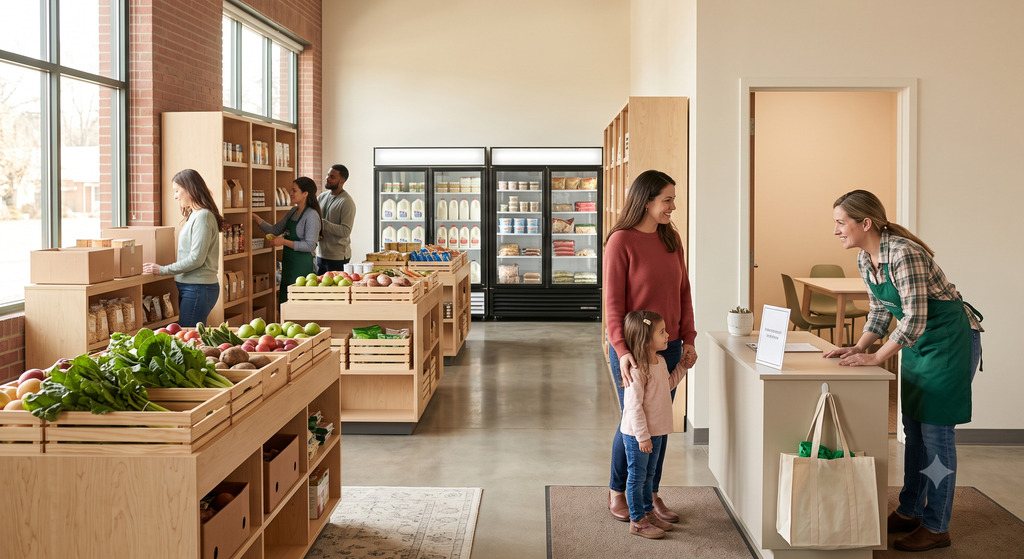
    Research materials also identify Fresh Everyday Pantries created by Metro Food Rescue inside Gratiot Woods Co-op and Theresa Maxis Co-op. Those pantries are described as no-cost, in-building food access points with refrigeration and shelving, offering items such as produce, vegetables, bread, and other food. The pilot is scheduled to run through September 2027. For residents in participating buildings, the practical first step is to ask building management or resident-services staff whether the pantry is active, what hours apply, and whether any sign-in process is used.

    Why Building-Based Food Matters

    A building pantry or produce drop can be especially useful for seniors who cannot easily take two buses, wait in bad weather, or carry heavy bags. It also helps outreach workers because distribution can be organized around a known residential site rather than asking seniors to track changing locations. That does not remove the need for grocery stores, benefits, or meal sites, but it creates one more stable point in the food-support system.

    Building-based food access works best when residents receive clear notices, when pantry shelves are restocked on a predictable schedule, and when staff or volunteers can explain what items are available. Senior housing providers should post plain-language information in common areas and share updates with caregiver contacts when residents have given permission to do so.

    How Eligible Older Adults Can Use State Benefits

    Senior Food Access And Senior Project Fresh

    Michigan’s Senior Project Fresh program is separate from Detroit’s produce delivery effort, but eligible residents may be able to use it alongside building pantries or other free produce support. For the May 1 through October 31, 2026 season, the Michigan Department of Health and Human Services says eligible participants must be at least 60 years old, or at least 55 years old for tribal members, live in Michigan, and have household income at or below 185% of the Federal Poverty Line. The 2026 income figures listed by MDHHS are $29,526 for a one-person household and $40,034 for a two-person household. Participants receive a $25 benefit card for fresh, local produce, honey, and mushrooms from authorized farmers markets and roadside stands, according to the state’s Senior Project Fresh page.

    As of August 28, 2026, that season had already started and remained active until October 31, 2026. Seniors who meet the income and residency rules should not treat the program as a replacement for other food help. It is a small produce benefit, but it can be useful when paired with a senior apartment pantry, a monthly produce distribution, or a congregate meal site.

    What To Prepare Before Applying

    MDHHS says applications for Senior Project Fresh in 2026 must be completed through the Healthy Together website, and paper applications are no longer accepted. The state also says benefit cards may be mailed or benefits may be loaded onto a previous year’s card. Proxy applications are allowed, with up to two proxies, and each proxy must be at least 18 years old.

    Caregivers, case managers, and trusted family members can help by gathering basic information before an application is started. That may include the senior’s age, Michigan residency information, household size, income details, mailing address, and whether a prior year’s benefit card is still available. Because the program uses authorized farmers markets or roadside stands, residents should also ask for help locating nearby vendors before planning a trip.

    Local Programs Residents Should Ask About

    Building Pantries And Monthly Food Support

    Research materials identify several local food supports that may overlap without canceling each other out. Metro Food Rescue’s Fresh Everyday Pantries are described as in-building pantries for residents of participating senior apartment complexes. Forgotten Harvest’s Healthy Food Healthy Seniors program is described as delivering fresh food to low-income senior living centers in Metro Detroit, removing both cost and transportation barriers. Forgotten Harvest is also identified in the research as delivering an average of 144,000 pounds of rescued food daily to charities, pantries, and seniors.

    Because availability can vary by building or partner site, seniors should ask direct questions rather than assume a program is open to every address. A resident at Gratiot Woods Co-op or Theresa Maxis Co-op should ask about the onsite pantry. A senior in another building should ask management whether the property receives food through Forgotten Harvest, Metro Food Rescue, the City of Detroit, or another partner. If the building does not participate, staff may still know the nearest pantry, meal site, or senior-service agency.

    Meal Sites And Transportation Questions

    The research also identifies the Detroit Area Agency on Aging’s Congregate Meal Program as a weekday meal option for people age 60 and older, as well as spouses, at accessible community sites. Some locations are described as offering transportation. For seniors who need regular meals, social contact, or a predictable weekday routine, congregate meal sites can fill a different need than a produce card or apartment pantry.

    The best access question is specific: “Which meal site serves my ZIP code, what time is lunch served, and is transportation available?” Outreach teams should help residents make that call before hunger becomes an emergency. If a senior has mobility limits, hearing loss, vision limits, or language needs, a caregiver or case manager may need to stay involved until the schedule is confirmed.

    How Seniors Can Match Programs To Needs

    Care coordinator compares food resource options with an older adult

    Different programs solve different access problems. A benefit card helps a senior choose fresh food at an authorized market. An onsite pantry helps residents who cannot travel easily. A meal site helps with a prepared lunch and regular contact. A produce delivery into senior housing helps buildings serve many residents at once. The strongest plan may combine more than one option.

    ResourceWho It May HelpFirst Access Step
    Detroit Senior Food ProgramSenior housing residents in areas with limited grocery accessAsk building staff whether produce delivery is scheduled
    Fresh Everyday PantriesResidents of participating senior apartment complexesAsk onsite management about pantry hours and restocking
    Senior Project FreshEligible Michigan residents meeting age and income rulesApply through Healthy Together and check authorized markets
    Congregate Meal ProgramAdults 60+ and spouses needing weekday mealsAsk the Detroit Area Agency on Aging about the nearest site

    Outreach workers should avoid sending residents to a site without confirming details. Hours, transportation, building eligibility, and available items can change. A five-minute verification call can prevent an older adult from making an unnecessary trip.

    Senior Food Access Resources In Detroit

    A Practical First Call Plan

    Residents and caregivers can use a simple order of calls. First, ask the senior apartment office whether the building receives city produce delivery, has an onsite pantry, or participates in another food program. Second, check whether the resident may qualify for Senior Project Fresh before October 31, 2026. Third, ask the Detroit Area Agency on Aging about nearby congregate meal sites and whether transportation is offered. Fourth, ask local pantry partners whether senior-specific produce distributions are available.

    • For residents in senior housing: Start with the property manager, resident-services coordinator, or building office.
    • For benefit help: Ask about Senior Project Fresh eligibility, Healthy Together applications, cards, proxies, and authorized vendors.
    • For weekday meals: Ask about congregate meal locations, serving times, accessibility, and transportation.
    • For caregivers: Confirm permission to help, write down dates, and keep card or pantry information in one place.

    How Community Groups Can Help

    Churches, block clubs, senior ministries, neighborhood associations, and housing partners can support this work by helping residents understand which option fits their situation. Groups should not promise benefits or food availability unless a program has confirmed the details. They can help seniors fill out online applications, organize rides to authorized markets, remind residents about meal-site schedules, or set up volunteer phone checks before distribution days.

    Senior Food Access works best when information is clear, local, and repeated. Detroit’s 2026 expansion gives outreach teams a chance to reduce missed meals, reduce unnecessary travel, and connect older adults with fresh food closer to where they live. The next civic step is practical: confirm the building, confirm the benefit, confirm the meal site, and help each senior use the resource that matches the need.

  • Senior Nutrition Expansion: What Seniors Need

    Senior Nutrition Expansion: What Seniors Need

    The senior nutrition expansion approved through Detroit’s budget work affects older adults who need steadier access to fresh produce, healthy meals, and transportation support. As of August 25, 2026, the clearest public record shows a growing city focus on senior food access: Mayor Mary Sheffield’s March 9, 2026 proposed Fiscal Year 2026–2027 budget included $750,000 for a new Senior Food Access program and $1 million for Senior Transportation under Accessibili-D, according to the City budget announcement. Detroit City Council also had previously approved a Fiscal Year 2025–2026 budget that included a one-time $250,000 allocation for a senior food access program under the Office of Sustainability, as reported by BridgeDetroit’s budget coverage.

    For seniors, caregivers, church outreach teams, and neighborhood volunteers, the practical question is simple: where will older adults be able to get food, who will qualify, and how will transportation barriers be handled? The supplied public records do not yet identify every recreation center, senior building, schedule, or enrollment rule. That uncertainty matters. Seniors should avoid relying on rumor or old flyers and should watch for formal updates from Detroit City Council, the Department of Neighborhoods, General Services, and Human, Homeless & Family Services.

    What The Senior Nutrition Expansion Changed

    Why Senior Nutrition Expansion Starts With Access

    The city’s work has moved senior food support from a narrower building-based model toward a broader neighborhood access model. Detroit’s April 2026 City Council Closing Resolution for Fiscal Year 2027 urged the administration to expand the existing Senior Food Program beyond senior housing buildings so that seniors living independently in neighborhoods could be included. The same resolution proposed a Nutritional Wellness Program for Seniors based in city recreation centers, with free fresh fruits, vegetables, and smoothies for Detroit seniors.

    That approach matters because many older adults do not live in senior apartment buildings. Some live with relatives. Some live alone in longtime family homes. Others may be near a recreation center but far from a full-service grocery store, or they may have limited income, limited mobility, or no reliable ride. A program built only around senior buildings can miss people who still need help but are not connected to a housing-site service schedule.

    The senior nutrition expansion also fits a wider support-service goal: making healthy food easier to reach before a health issue becomes urgent. Fresh produce is often harder to obtain than shelf-stable food because it requires more frequent delivery, cold storage, careful handling, and predictable distribution times. For Detroit outreach teams, that means the food itself is only one part of the work. Trust, schedule clarity, transportation, volunteer help, and public communication are just as necessary.

    What Was Already Starting In Senior Buildings

    Detroit’s 2026 State of the City materials, as described in the supplied research, said the Senior Food Program had begun launching a component that brings free fresh fruits and vegetables to senior buildings. That building-based work is a starting point, not the full plan described by Council’s April 2026 budget resolution. The stated goal was to reach more seniors across neighborhoods, including those who are not attached to a senior housing site.

    For seniors already living in buildings that receive fresh food support, the immediate need is to confirm delivery days, sign-up rules, and whether a building office, service coordinator, or city partner is handling communication. For seniors outside those buildings, the next step is to monitor city notices for recreation center locations and any neighborhood distribution model that may be announced during the Fiscal Year 2026–2027 period, which runs from July 1, 2026 through June 30, 2027.

    How Food Access And Transportation Fit Together

    Why A Ride Can Decide Whether Food Help Works

    Food programs can fail seniors if the pickup point is reachable on paper but not in real life. A recreation center may be nearby by car and still be too far for an older adult using a walker, managing chronic pain, or avoiding icy sidewalks in colder months. That is why the proposed $1 million Accessibili-D Senior Transportation allocation is closely connected to the food-access plan. The City of Detroit described the transportation funding as part of an effort to help seniors with mobility and access to services.

    The senior nutrition expansion should be judged not only by the number of food sites announced, but also by whether seniors can reach them. Caregivers should ask practical questions once schedules are released: Is transportation included? Is there a reservation process? Can a caregiver pick up food? Are there delivery options for homebound seniors? Will distribution hours match paratransit or senior shuttle availability? Those details have not all been released in the supplied research, so families should wait for formal city instructions before making plans.

    Detroit’s wider food-access conversation also benefits from community groups that understand storage, volunteer coordination, and neighborhood distribution. Saint Joseph Detroit’s prior reporting on local food access planning shows why produce distribution depends on more than donations alone. Senior programs need the same care: safe food handling, timely communication, respectful service, and reliable follow-up for residents who miss a pickup or need extra help.

    How Regional Nutrition Providers May Add Capacity

    The Detroit Area Agency on Aging, which serves Detroit, Hamtramck, Highland Park, Harper Woods, and the five Grosse Pointes, issued a late-2025 Nutrition Services Request for Proposal for Fiscal Years 2027–2029, according to the supplied research. The RFP sought providers for congregate meals, home-delivered meals, chilled meals, frozen meals, supplemental meals, and culturally specific meals. The same research described the agency’s service area as including about 300,000 people, with 154,435 adults age 60 and older as of May–June 2025.

    That regional context is useful for Detroit families because not every senior will need the same type of help. Some may benefit from a recreation-center produce program. Some may need home-delivered meals. Others may need culturally familiar food, frozen meals that can be stored, or supplemental food between regular meal deliveries. City food-access work and area-agency nutrition services are not identical programs, but seniors may need to understand both systems as options become available.

    What Seniors And Caregivers Should Watch

    Caregiver reviewing a printed schedule with an older adult at a kitchen table

    Key Details To Confirm Before Going To A Site

    As of August 25, 2026, the supplied records support the direction of the program but do not provide a complete public list of participating recreation centers, senior buildings, eligibility rules, or weekly schedules. Seniors should wait for official announcements before traveling to a site. Caregivers, congregations, and neighborhood groups can help by checking city sources, calling ahead when a location is named, and sharing only current information.

    • Location: Confirm whether the service is at a senior building, recreation center, or another neighborhood site.
    • Eligibility: Ask whether age, residency, building residence, enrollment, or appointment rules apply.
    • Food Type: Confirm whether the site provides fresh fruits, vegetables, smoothies, prepared meals, frozen meals, or supplemental food.
    • Transportation: Ask whether Accessibili-D, another senior transportation option, caregiver pickup, or delivery support is available.
    • Schedule: Check the date and time before each visit because food distributions can change based on supply and staffing.

    Faith communities can serve seniors well by acting as information bridges. A parish office, ministry team, or volunteer phone tree can help older adults confirm sites and hours, especially those without internet access. For broader civic and community resources in the same network, readers may also visit a related site, ITPR.

    What Not To Assume Yet

    Residents should not assume that every recreation center is participating, that every senior automatically qualifies without registration, or that food will be available every day. The Council resolution described a policy direction and proposed service model, while the budget materials identified funding priorities. Program operations still depend on city departments, vendors, staffing, site capacity, transportation coordination, and public notice.

    Caregivers should also be careful with social media posts about free food. A well-meant post can send seniors to the wrong place if it omits a date, fails to mention eligibility, or repeats outdated hours. The safest practice is to include the source of the information, the date it was checked, and a phone number or city contact when one is officially provided.

    Senior Nutrition Expansion For Detroit Seniors

    The senior nutrition expansion gives Detroit an opportunity to reduce food barriers for older adults through fresh produce, neighborhood access points, and transportation planning. The strongest documented pieces are the city’s proposed $750,000 Senior Food Access investment for Fiscal Year 2026–2027, the $1 million Senior Transportation proposal under Accessibili-D, the earlier Council-approved $250,000 senior food access allocation for Fiscal Year 2025–2026, and Council’s April 2026 request to widen service beyond senior buildings.

    For seniors, the best next step is patient but active follow-up. Watch for city department announcements, ask senior-building managers or recreation center staff only after official site lists are released, and have a caregiver or trusted volunteer confirm details before traveling. For churches and neighborhood groups, the most useful response is to prepare phone trees, ride lists, referral sheets, and volunteer support that can help seniors use the program safely once locations and schedules are public.

    The expansion is not just a food program. It is a test of how well Detroit can connect older adults to nutrition, mobility, public information, and neighbor-to-neighbor care. If city departments, service providers, caregivers, and community groups coordinate around verified details, more seniors should be able to reach fresh food without carrying the burden alone.

  • How South Texas Food Bank’s Six-County Flood Relief Push Shows Why Detroit Aid Groups Need Disaster-Ready Volunteer Systems

    How South Texas Food Bank’s Six-County Flood Relief Push Shows Why Detroit Aid Groups Need Disaster-Ready Volunteer Systems

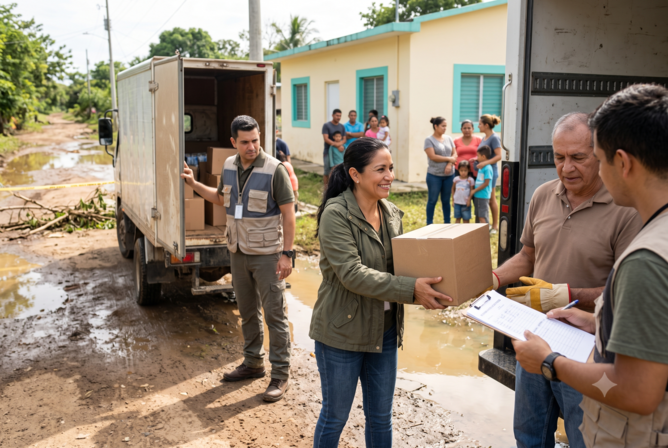
    The South Texas Food Bank’s summer flood response shows why Detroit churches, food pantries, neighborhood groups, and local aid programs need volunteer systems ready before the next emergency. On July 19, 2026, the food bank said flooding had affected six of the eight counties it serves — Val Verde, Maverick, Kinney, Dimmit, Webb, and Zapata — marking the first time flood impacts had reached more than half of its service area at once. The organization began sending emergency food boxes, water, and cleaning supplies to affected communities while road closures and hazardous travel made some rural deliveries harder to complete.

    For Detroit outreach groups, the lesson is not limited to Texas. Flooding, sewer backups, power outages, heat waves, and food disruptions can create sudden demand for meals, cleaning supplies, transportation help, wellness checks, and accurate local information. A disaster-ready volunteer system gives local groups a way to move from concern to organized action without overwhelming public agencies or putting volunteers in unsafe conditions.

    Why South Texas’ Six-County Flood Response Matters For Detroit

    The South Texas Food Bank response became a regional coordination challenge. The food bank said it was working with local and state emergency management officials, law enforcement, Feeding America, Feeding Texas, partner food banks, and community organizations to assess needs and move resources safely. CEO Alma Boubel said the scale of the flooding was unlike anything the organization had experienced across its service area and stressed that staff, volunteers, partner agencies, and residents had to remain safe as relief expanded.

    That safety-first message matters for Detroit. Local aid groups often want to respond quickly when a storm damages homes, a power outage affects seniors, or a flood leaves families with spoiled food and cleanup needs. Speed helps, but uncoordinated help can create problems. Volunteers may drive into unsafe streets, duplicate another group’s work, deliver the wrong supplies, or create crowds at locations that are not prepared.

    A strong volunteer system begins before the emergency. It identifies who can sort food, who can deliver supplies, who can answer phones, who can check on older adults, who can track requests, and who should wait for official instructions. That kind of structure allows churches and neighborhood organizations to support families while still respecting the role of emergency management, public safety, and established food networks.

    Saint Joseph Detroit’s recent coverage of Detroit food access planning raised a similar point from a non-disaster angle: food support depends on distribution systems, volunteers, storage, education, and trusted partners. Disaster relief adds urgency, but it does not change the basic truth. Supplies help only when they can reach families safely and consistently.

    How Nearly 7,000 Neighbors Received Aid Across The Hardest-Hit Counties

    By late July, the South Texas Food Bank said its Disaster Relief Team had traveled through Maverick, Kinney, and Dimmit counties, delivering food, clean water, and essential supplies directly to families. The organization reported serving 6,972 neighbors across three of the hardest-hit counties, with Val Verde County totals still being finalized after access challenges required truckloads of food and supplies to be routed through trusted local partners.

    Those details show why local partners are not optional during a disaster. When roads are closed or conditions change, a regional food bank may need county officials, local churches, first responders, and community-based organizations to identify safe delivery points. In some places, the best route is not direct distribution from a central warehouse. It is movement through trusted local partners who know the roads, families, and facilities.

    Detroit has its own version of that challenge. Forgotten Harvest’s food-finder page lists more than 200 agencies distributing emergency food assistance across Metro Detroit, including mobile pantries, brick-and-mortar sites, shelters, and soup kitchens. The organization tells residents to call ahead to confirm hours and requirements, since details can change. That warning becomes even more important during a disaster, when sites may lose power, change hours, run out of supplies, or need volunteers for different tasks.

    Detroit aid groups can learn from the South Texas approach by mapping their own trusted partners before a crisis. Which church has a large parking lot? Which pantry has refrigeration? Which community center can host a supply table? Which volunteers have trucks? Which residents may need home delivery rather than pickup? Those answers should be written down before heavy rain, flooding, or power loss creates an urgent demand.

    What A Disaster-Ready Volunteer System Needs

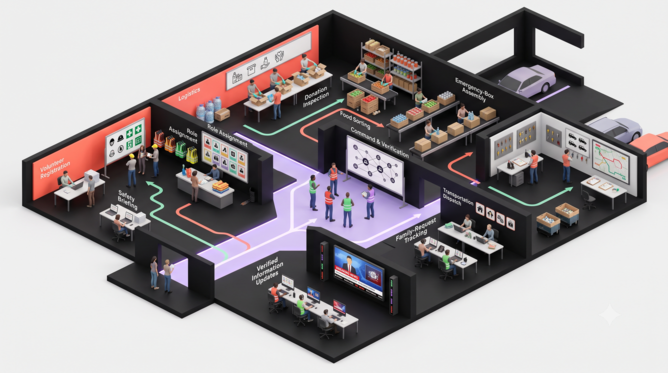
    A disaster-ready volunteer system is more than a list of people willing to help. It is a practical workflow that assigns people to safe, useful roles. South Texas Food Bank told supporters that volunteers would be needed to inspect donations, sort food, assemble disaster relief boxes, and prepare shipments for affected communities. It also said financial contributions could help purchase food, bottled water, cleaning supplies, hygiene products, and cover fuel and transportation costs tied to rural delivery.

    Detroit groups can use the same role-based thinking. A person who wants to help may not be ready to enter an affected area. That person may still be useful sorting donations, making calls, confirming pantry hours, assembling hygiene kits, tracking requests, or sharing official updates. A volunteer with a truck may help transport supplies once routes are safe. A volunteer with administrative skills may help document requests, contact partner agencies, or keep a sign-in sheet accurate.

    Volunteer System NeedWhat It Does During A DisasterDetroit Planning Question
    Role AssignmentsPrevents every volunteer from showing up for the same taskWho sorts, calls, drives, tracks, cleans, and shares updates?
    Safety RulesKeeps helpers away from flooded roads or unsafe buildingsWho decides when and where volunteers can deploy?
    Supply SortingTurns donations into usable emergency boxesWhere will food, water, cleaning supplies, and hygiene items be staged?
    Partner MapConnects groups with trusted local distribution pointsWhich churches, pantries, and centers can receive or move supplies?
    Follow-Up TrackingHelps families after the first deliveryWho records needs that remain after the emergency box is delivered?

    The strongest system gives people assignments before emotions take over. A volunteer should know whether to report to a pantry, wait for a call, check on neighbors, prepare boxes, or stay home until roads are safe. That clarity protects everyone involved.

    Why Detroit Groups Should Train Before The Emergency

    Detroit already has public preparedness resources that local groups can use. The City of Detroit’s Emergency Management and Homeland Security training page points to disaster preparedness and training resources for both professional and volunteer emergency management communities. Its Community Emergency Response Team program trains residents in disaster preparedness and basic response skills, including fire safety, light search and rescue, team organization, and disaster medical operations.

    That does not mean every church volunteer must become a CERT member. It means outreach groups should know where training exists and which volunteers are suited for which roles. Some people may want formal emergency training. Others may be best suited for food sorting, phone banking, translation, child-friendly waiting areas, supply intake, or transportation coordination.

    The American Red Cross in Michigan has also highlighted the need for disaster volunteers. In April 2026, the organization said it had an urgent need for volunteers to support disaster relief operations covering more than 50 communities affected by flooding and storms across the state, with roles connected to damage assessment and relief supply distribution. That Michigan context makes the South Texas lesson more relevant for Detroit. Disaster-related volunteer demand is not theoretical.

    Local groups should create a tiered volunteer list. Tier one can include trained responders or people who understand official emergency protocols. Tier two can include pantry, donation, and logistics volunteers. Tier three can include phone-check volunteers, communications helpers, and people able to support families after the immediate event. When a crisis hits, coordinators can activate the right tier instead of sending every willing person into the same space.

    How Food, Water, Cleaning Supplies, And Transportation Fit Together

    The South Texas Food Bank’s disaster page says recent flooding affected 75% of the communities within its service area, including the six named counties. It lists flooding, damaged infrastructure, and road closures as ongoing challenges, while urging residents to follow local emergency management officials, local news, and trusted community sources for safety, road, and resource updates.

    That guidance should shape Detroit planning. After flooding or sewer backup, families may need food and water first, then cleaning supplies, hygiene items, safe storage, transportation, and help finding official recovery information. A pantry that only prepares shelf-stable food may miss the need for bleach, gloves, masks, trash bags, diapers, formula, or transportation to a distribution site. A church that only collects cleaning supplies may miss families who lost refrigerated food.

    Detroit also has organizations already focused on disaster recovery. The Detroit Area Disaster Recovery Group describes itself as a volunteer-based, community-led organization formed around flooding and sewer backups, with a focus on groundwater flooding, sewer backup, toxic mold, and frequent power outages. That local work shows why aid groups should not wait for a rare event to think about disaster response. Flood-related needs have already shaped parts of Detroit’s community-service landscape.

    A disaster-ready system should connect food relief with cleanup support and follow-up. A family may receive an emergency food box on day one and still need mold guidance, utility help, document replacement, transportation, or housing support days later. Volunteers should know how to refer those needs rather than trying to solve every problem at the doorstep.

    Why Money, Volunteers, And Accurate Information All Matter

    South Texas Food Bank’s public call identified three support paths: non-perishable food donations, volunteer help, and monetary donations. It said financial contributions provide flexibility to buy and distribute needed resources quickly. That matters in a disaster, where the most useful item can change from water to cleaning supplies to fuel to hygiene products within days.

    Detroit aid groups should make the same distinction when asking for help. A general “donate now” message may bring a mix of items that volunteers must sort, store, or discard. A sharper message can tell residents what is needed today, what is not needed, where items should go, and whether money is more useful than supplies. Accuracy reduces waste and keeps volunteer teams focused.

    Information is part of relief. The South Texas Food Bank specifically encouraged people to share accurate information about flood relief efforts, food distributions, volunteer opportunities, and donation drives. In Detroit, that could mean sharing only verified pantry hours, official city emergency notices, confirmed road or facility updates, and current volunteer needs. A well-meaning, outdated flyer can send families to a closed site or overload a partner that no longer has supplies.

    Local groups should assign one person to information control during a crisis. That person checks official updates, confirms partner details, removes expired posts, and makes sure volunteers do not share rumors. Good information is not a side task. It is part of keeping families safe.

    What Detroit Aid Groups Should Build Before The Next Emergency

    The South Texas Food Bank’s six-county response shows that disaster relief does not begin when supplies leave a warehouse. It begins with relationships, volunteer assignments, safe routes, partner sites, funding flexibility, and accurate information. When those pieces are missing, generosity can still fall short. When they are ready, local groups can help families faster and with less confusion.

    Detroit churches, pantries, and outreach teams can begin with a simple preparedness review. They can list volunteers by role, identify safe storage space, confirm pantry and mobile distribution partners, gather emergency contact numbers, review city training resources, and decide how they will communicate during an outage or flood. They can ask which families may need check-ins, which volunteers have vehicles, and which supplies are hardest to obtain quickly.

    The South Texas Food Bank’s response is a reminder that emergency food systems are community systems. They rely on donors, trained staff, safe volunteers, public agencies, local leaders, and trusted distribution points. Detroit aid groups do not need to duplicate a regional food bank. They need to know where they fit before a disaster puts families under pressure.

    A disaster-ready volunteer system gives local outreach a stronger foundation. It keeps helpers safer, protects families from confusion, and helps supplies reach the places where they are needed most. For Detroit, that preparation should start before the next flood warning, outage, or emergency food request arrives

  • How Northern Michigan’s Free Backpack Giveaway Shows Why Detroit Outreach Groups Should Start School-Supply Planning Earlier

    How Northern Michigan’s Free Backpack Giveaway Shows Why Detroit Outreach Groups Should Start School-Supply Planning Earlier

    Northern Michigan’s July 26, 2026 free backpack giveaway gives Detroit outreach groups a timely reminder: school-supply support works best when churches, nonprofits, block clubs, and family-service groups begin planning weeks before August pressure hits. The 14th annual School Rocks Backpack Giveaway, organized by Round Room LLC through participating TCC and Wireless Zone stores, is set to distribute backpacks nationwide, including at Verizon locations in Benzonia, Manistee, and Traverse City. The program is expected to reach more than 140,000 students and families across the United States this year and provide more than $3 million worth of backpacks, according to a July 20 report on the Northern Michigan backpack giveaway.

    For Detroit families, the lesson is not that every outreach group needs a national retail partner. The stronger lesson is timing. A backpack drive held near the end of July gives families a chance to plan before school begins, rather than waiting until the first week of classes exposes what students still lack. For churches and community groups serving Detroit children, school-readiness outreach should begin with a calendar, a supply list, a volunteer plan, and a referral table that connects families to food, clothing, transportation, mental-health, and housing resources when deeper needs appear.

    Why A July Backpack Giveaway Matters For Family Planning

    Back-to-school pressure does not begin on the first day of school. It starts when families begin adding up backpacks, notebooks, uniforms, shoes, haircuts, lunch items, hygiene supplies, transportation costs, registration tasks, and activity fees. A free backpack can reduce one line item, but the larger value is that it gives families one more point of stability before the school year begins.

    The Northern Michigan event is scheduled for 1 p.m. Sunday, July 26, at participating TCC and Wireless Zone locations, with one backpack available per child present while supplies last. Reported locations include 1505 Benzie Highway in Benzonia, 85 Cypress Street in Manistee, and 2770 Silver Lake Road, Suite 3 in Traverse City. Those details matter because a giveaway is only useful when families know the exact time, location, eligibility rule, and supply limit.

    Detroit outreach groups can take the same practical approach. A church or neighborhood organization planning a school-supply event should not wait until donations are fully collected before communicating basic details. Families need to know whether children must be present, whether registration is required, whether supplies are first-come, first-served, whether backpacks are grade-specific, and whether other services will be available onsite.

    That early communication connects with the family-support concerns Saint Joseph Detroit has raised in coverage of youth mental health and trauma support. School readiness is not only about pencils and folders. It is tied to stress, household stability, parent confidence, transportation, and whether students feel prepared rather than embarrassed when they walk into class.

    How Detroit Outreach Groups Can Move From Donations To Coordination

    A school-supply drive can look simple from the outside: collect backpacks, fill them, distribute them. The real work is coordination. Organizers need to decide which grades they are serving, which supplies are most urgent, how families will be notified, how volunteers will be trained, how leftover items will be handled, and which partners should be present if families ask for more help.

    The Round Room effort shows what scale looks like when a program is planned as a repeatable annual campaign. The Manistee report says the School Rocks Backpack Giveaway has provided more than 1.6 million backpacks since it began and that Round Room has donated more than $11 million through its community grant program, benefiting more than 2,000 local nonprofits. For Detroit groups, those numbers show the value of building a predictable yearly rhythm rather than starting from scratch each summer.

    A local version can be smaller and still effective. A parish group might adopt one school, one grade band, or one neighborhood corridor. A block club might collect backpacks and hygiene kits. A nonprofit might pair school supplies with resource navigation. A workplace team might sponsor uniforms or shoes instead of buying duplicate notebooks. The key is to match the drive to a real family need, not just to what donors find easiest to purchase.

    Detroit organizers should also coordinate with schools when possible. Teachers and family-engagement staff often know which supplies are required, which families are likely to need extra help, and which items are overdonated. A better drive may mean fewer random supplies and more targeted items: sturdy backpacks, headphones, folders, binders, pencils, crayons, calculators, reusable water bottles, hygiene kits, socks, or uniform pieces.

    What Other July Back-To-School Events Show About Bundled Support

    Recent back-to-school events in other U.S. communities show why supply drives can be stronger when they include family services. In Laredo, Texas, the Sames Auto Arena hosted back-to-school support events in mid-July, including a giveaway where the first 2,000 students could receive school supplies and polo shirts packed in clear backpacks. The same event also included free haircuts, sports physicals, glucose testing, immunizations, and vision exams for children who were present, according to local coverage of back-to-school supply events.

    That model matters for Detroit because families rarely need only one item. A student may receive a backpack but still need a haircut, immunization record, sports physical, uniform shirt, lunch support, or help understanding school enrollment. A parent may come for supplies and quietly need food assistance, utility help, or a referral for counseling. A well-planned event can create a respectful entry point for several kinds of support without turning the day into a confusing crowd.

    Detroit outreach groups should consider whether a school-supply event can include a small resource table rather than only a handout line. That table could share information about food pantries, youth programs, school enrollment, after-school care, transportation options, utility assistance, mental-health support, and city or district resources. The goal is not to overwhelm families. It is to make sure the event can answer the next question after the backpack is received.

    A simple structure can help local organizers plan:

    Planning AreaWhy It MattersDetroit Outreach Question
    TimingFamilies need help before the school year startsCan the event happen in late July or early August?
    Supply TargetDonations should match real student needsWhich grades, schools, or neighborhoods are being served?
    Volunteer RolesCrowds move better when volunteers know assignmentsWho handles check-in, supply tables, family questions, and cleanup?
    Family ResourcesSchool costs often connect to food, health, and housing needsWhich partner can answer support-service questions onsite?
    Follow-UpSome needs will surface after the eventHow will families receive contact information or next steps?

    Why Cost Pressure Makes Earlier Planning More Useful

    The timing of school-supply help matters because family budgets are stretched before the school year begins. The Northern Michigan report cited a $922 average expected back-to-school household spend from a PwC report referenced in the giveaway announcement. It also noted that nearly half of parents expected to spend more than the previous year. For Detroit families already balancing rent, food, utilities, transportation, and childcare, even a smaller-than-average school list can create pressure.

    That is why outreach groups should avoid treating supply drives as a one-day charity event. A backpack drive can become part of a broader summer support calendar. In June, organizers can ask schools and families what items are most needed. In early July, they can recruit donors and volunteers. In late July, they can distribute supplies. In August, they can follow up with families who still need uniforms, shoes, transportation help, or after-school program information.

    Retailers and national campaigns may move early because they understand the back-to-school season begins long before September. Community organizations should do the same. If supplies are distributed after school starts, families may already have gone into debt, skipped other essentials, or sent children to class without what they need. Earlier planning helps prevent that.

    Detroit groups can also reduce waste by coordinating with each other. If three groups in the same area all collect backpacks but no one collects headphones or uniform shirts, families may receive duplicate items while still lacking essentials. A shared planning calendar can help churches, nonprofits, schools, and neighborhood groups divide the work more effectively.

    How School Supplies Connect To Confidence And Attendance

    A backpack is a practical item, but it also carries social meaning. Students notice when they are missing basic supplies. Younger children may feel anxious when they do not have the same materials as classmates. Older students may hide needs rather than ask for help. Parents may feel stress when they cannot meet a supply list on time.

    That is why school-supply support should be treated as part of student well-being. A child who starts the year with a backpack, notebooks, pencils, and basic hygiene items may feel more prepared. A parent who receives supplies early may have more time to handle registration, transportation, school meals, uniforms, or appointments. A teacher may spend less personal money filling gaps in the first week.

    For Detroit outreach groups, the lesson is to plan with dignity. Families should not have to prove hardship publicly. Students should not be singled out. Distribution should be organized, calm, and respectful. A child should be able to choose a backpack when possible. Parents should receive clear information without being rushed through a line.

    This is where trusted local groups can make the biggest difference. A school-supply table inside a church hall, community center, or neighborhood event can feel less transactional when volunteers know the families and understand the community. The supplies matter, but the tone matters too.

    What Detroit Volunteers Should Prepare Before A Giveaway

    Volunteers are often the difference between an event that feels supportive and one that feels chaotic. Before a school-supply giveaway, Detroit organizers should assign roles clearly. One group can manage family check-in. Another can restock tables. Another can help children choose age-appropriate items. Another can answer parent questions. Another can connect families with partner resources.

    Preparation should include privacy and sensitivity. Volunteers should know not to ask families personal questions in public lines. They should avoid making assumptions about why a family needs help. They should know where to send questions about housing, food, mental health, or school enrollment instead of guessing.

    Supply sorting should happen before the event. Backpacks can be grouped by grade range. Hygiene kits can be separated from school supplies. Shoes, uniforms, and clothing should be organized by size if included. Resource flyers should be current and easy to read. If families must bring children to receive supplies, that rule should be stated early.

    Detroit groups can also plan for leftover supplies. Remaining backpacks could be delivered to a school counselor, family-engagement office, youth program, shelter partner, or pantry that serves families. Leftovers should not sit unused in storage while students still need help.

    Why Earlier School-Supply Planning Helps The Whole Support Network

    The Northern Michigan giveaway is a useful signal for Detroit because it shows that large back-to-school support efforts are already active in July. When national and regional programs move early, local outreach groups should treat that as a planning cue. Late July is not too soon for backpacks, supply lists, volunteer assignments, and family-resource coordination.

    For Saint Joseph Detroit’s audience, the central issue is service readiness. A backpack giveaway can help one student for one school year. A coordinated outreach plan can help a family connect with school support, food resources, health needs, youth programming, and trusted local volunteers. That wider approach gives Detroit groups a stronger role than simply handing out supplies.

    The best back-to-school outreach is specific. It names the date, location, supply rules, partner organizations, volunteer roles, and follow-up plan. It starts early enough for families to use the help before pressure peaks. It respects dignity. It connects school readiness with household stability.

    Northern Michigan’s July 26 giveaway shows what early timing can do. Detroit outreach groups can take that lesson and adapt it to local neighborhoods, schools, churches, and community centers before August arrives.

  • What A $500,000 Food Pantry Gift In Illinois Shows About Dignity, Storage, And Volunteer Space For Local Aid Programs

    What A $500,000 Food Pantry Gift In Illinois Shows About Dignity, Storage, And Volunteer Space For Local Aid Programs

    A $500,000 gift from Gordon and Holly Broom to Glen-Ed Pantry in Edwardsville, Illinois, is more than a large donation story. It shows how food aid programs can outgrow older buildings when demand rises, volunteer work becomes more complex, and families need private, respectful service spaces instead of crowded handoff lines. The gift supports Glen-Ed Pantry’s $3 million capital campaign for a new facility after the nonprofit broke ground on May 20, 2026, according to recent local reporting on the Glen-Ed Pantry capital campaign.

    For Detroit churches, neighborhood groups, food pantries, and local aid programs, the Illinois example offers a useful planning question: what does a pantry need before the shelves are full? The answer includes cold storage, delivery access, client intake rooms, volunteer work areas, ADA-compliant entry, restrooms, meeting space, and enough room for families to receive help without feeling rushed or exposed.

    Why The Illinois Gift Matters Beyond Edwardsville

    Glen-Ed Pantry serves residents in Edwardsville Community Unit School District 7, including Edwardsville, Glen Carbon, Hamel, Worden, Midway, Moro, Dorsey, and Prairietown. Its capital campaign is focused on building a new home next to its current location at 125 Fifth Avenue in Edwardsville. Earlier reporting described the planned building as a roughly 9,000-square-foot facility designed to improve food storage, delivery flow, private client interviews, accessibility, thrift store operations, and expanded support services.

    That matters because food assistance is often measured only by pounds of food distributed or the number of households served. Those numbers are important, but they do not tell the whole story. A pantry can have generous donors and committed volunteers while still struggling with cramped rooms, limited refrigeration, poor loading access, tight waiting areas, and no private place to speak with a family about bills, documents, or related needs.

    Glen-Ed Pantry’s official capital campaign page says the organization has served the Edwardsville School District 7 area since 1980 and is raising funds for a new permanent home built by the community for the community. The campaign frames the new building as a long-term response to food insecurity, not just a construction project. The nonprofit’s new building campaign gives Detroit service groups a model for thinking about facility design as part of dignity-centered aid.

    For Saint Joseph Detroit’s audience, the lesson connects directly with local conversations about Detroit food insecurity. Families need food, but they also need service systems that protect privacy, reduce confusion, and connect them to other supports when hunger is tied to rent, utilities, transportation, school supplies, or health needs.

    What Dignity Looks Like Inside A Food Pantry

    Dignity in a food pantry is not an abstract idea. It shows up in the layout. It shows up in whether a parent can ask for help without speaking across a crowded room. It shows up in whether older adults can enter safely, whether volunteers know where to direct people, and whether families can choose food that fits their household rather than receiving whatever happens to be easiest to move.

    The Glen-Ed Pantry project highlights that point. Local coverage of the May groundbreaking described plans for a new facility with a commercial kitchen, client interview room, and expanded refrigeration capacity, along with space for pantry and thrift store operations. Those details point to a larger truth: food aid programs are often doing much more than giving out groceries.

    A private interview room can help staff or volunteers talk with families about utility help, school supplies, holiday baskets, household needs, or other services. A commercial kitchen can support nutrition programming, food preparation, or community education. Expanded refrigeration can make fresh produce, dairy, proteins, and frozen foods easier to accept and distribute safely. Better delivery access can reduce volunteer strain and shorten the time between donation drop-off and family pickup.

    Detroit groups can apply the same thinking without launching a $3 million campaign. A small pantry can review whether its waiting area protects privacy. A church food shelf can ask whether families have a clear sign-in process. A volunteer team can improve how shelves are labeled, how intake questions are asked, or how people are referred to other services. Dignity often starts with small operational choices before it becomes a building project.

    Why Storage Capacity Is A Food Access Issue

    Storage is one of the least visible parts of food assistance, but it can decide what kind of food families receive. A pantry with limited cold storage may be forced to turn down fresh produce, dairy, meat, prepared meals, or other perishable donations. A pantry with poor shelving may struggle to sort food by need, expiration date, household size, or dietary preference. A pantry with limited loading space may depend on volunteer labor that becomes harder to sustain over time.

    Detroit’s food system already shows how much infrastructure matters. Forgotten Harvest says it delivers 144,000 pounds of surplus food per day to local charities five days a week, providing fresh and nutritious food free of charge to families in need. Its distribution model depends on rescue, transportation, partner agencies, and pantry capacity, not just donor generosity. The organization’s Metro Detroit food rescue work shows why storage and logistics are central to hunger relief.

    The same issue appears in smaller neighborhood settings. If a pantry receives a large donation but lacks freezer space, shelf space, or volunteer sorting capacity, the gift may not reach families in the most useful form. If fresh food arrives without enough refrigeration, staff may have to distribute it immediately or decline future donations. If volunteers have no staging area, food lines become slower and more stressful.

    Facility NeedWhy It MattersLocal Aid Program Question
    Cold StorageAllows pantries to accept fresh, frozen, and perishable foodCan the pantry safely store produce, dairy, meat, and prepared food?
    Delivery AccessReduces delays and volunteer strain during drop-offsCan trucks unload without blocking family service areas?
    Private Intake SpaceProtects dignity during sensitive conversationsCan families discuss needs without speaking in public?
    Volunteer Work AreaMakes sorting, packing, and training more efficientDo volunteers have enough room to work safely?
    Accessible EntryHelps older adults, disabled residents, and caregiversCan residents enter without barriers or confusion?

    Detroit pantries and aid groups do not need to wait for a major building project to use this framework. A yearly facility review can identify whether the most urgent need is a refrigerator, shelving, signage, privacy screen, safer entrance, better volunteer schedule, or stronger referral process.

    How Detroit’s Pantry Network Shows The Same Pressure

    Detroit’s own pantry network has faced periods when food access needs became urgent enough to require citywide coordination. In November 2025, the City of Detroit launched an interactive food pantry map during SNAP-related uncertainty, listing 85 verified pantry locations at launch and expecting the list to reach 100 shortly after. The city said residents could use the map to find nearby pantry names, addresses, phone numbers, and operating hours through the official Detroit food pantry map.

    That kind of map is a public-service tool, but it also reveals the operational challenge behind the scenes. When residents are directed to dozens of pantry locations, each site needs enough space, volunteers, storage, and accurate hours to handle demand. A pantry map helps people find food; local pantry infrastructure decides whether the visit feels organized, respectful, and useful.

    Detroit also has large, established service providers carrying heavy food-support loads. Capuchin Soup Kitchen reports that in 2024, it supplied nearly 3.4 million pounds of food through its food pantry and served 236,787 meals, about 1,000 per day, through its soup kitchens. Those numbers from Capuchin Soup Kitchen show how food assistance relies on both large-scale operations and neighborhood-level trust.

    For smaller churches and community groups, the Glen-Ed Pantry example should not feel out of reach. The central lesson is not that every local aid program needs a new building. The lesson is that space planning is mission planning. A cramped room can limit dignity. A missing freezer can limit nutrition. A weak volunteer flow can limit how many families receive support. A lack of private conversation space can prevent families from asking about deeper needs.

    Why Volunteer Space Shapes The Quality Of Help

    Food pantry volunteers need more than goodwill. They need space to sort, pack, greet, guide, carry, clean, document, and refer. When volunteer space is poorly designed, the work becomes harder and mistakes become more likely. Boxes pile up in hallways. Intake tables crowd family areas. New volunteers receive rushed instructions. Donations become harder to track.

    Glen-Ed Pantry’s planned expansion speaks to that problem. The new facility is expected to provide more room for clients, volunteers, and staff, with improved storage and distribution capacity. That design choice matters because volunteers are part of the service experience. A calm, trained volunteer can make a family feel welcome. A crowded, confused workflow can make the same family feel like a burden.

    Detroit groups can strengthen volunteer space even in older buildings. A simple floor plan can separate donation intake from family pickup. Color-coded shelves can reduce sorting time. A short volunteer orientation can explain respectful language, privacy, and referral boundaries. A clear shift schedule can prevent overcrowding at one hour and understaffing at another.

    The City of Detroit’s food pantry response also showed the importance of people power. When the pantry map launched, the city said more than 860 Detroiters had volunteered to work food pantry shifts beginning the next day. That response shows that residents want to help, but local aid programs need systems ready to receive that help. Volunteers are most effective when they have assigned roles, safe work areas, and a clear point of contact.

    What Detroit Aid Programs Can Learn From The $500,000 Gift

    The $500,000 gift to Glen-Ed Pantry should be read as a facilities lesson for the wider charitable food system. Money for buildings, shelving, refrigerators, restrooms, accessible entry, interview space, and volunteer rooms may not sound as urgent as food itself, but those investments shape whether food reaches families with care.

    Detroit aid programs can use the Illinois example to ask practical questions before launching the next food drive or donation campaign:

    • Is our biggest need food, cold storage, shelving, transportation, volunteers, privacy, or intake support?
    • Can families receive help without being exposed to unnecessary embarrassment?
    • Do volunteers know how to sort, greet, refer, and protect privacy?
    • Can we accept fresh food safely, or are we limited to shelf-stable items?
    • Are our hours, location, and referral process easy for residents to understand?

    Those questions turn a donation story into a local planning tool. A $500,000 gift may be rare, but the reasoning behind it is useful for every pantry. Glen-Ed Pantry is investing in a building because its service model requires room for dignity, storage, and people. Detroit programs can use the same logic at smaller scales, from a better refrigerator to a better intake table.

    Why Food Aid Planning Should Start Before Demand Spikes

    Food insecurity often becomes most visible during emergencies, benefit disruptions, school breaks, job losses, heat waves, and holiday seasons. By that point, pantries are already under pressure. The Illinois campaign shows why the strongest local aid programs plan before the surge.

    For Detroit, that means churches, nonprofits, community centers, and volunteer groups should review food-service capacity before the next crisis. The review should include what families experience when they arrive, how volunteers move through the space, whether fresh food can be stored, whether private conversations can happen, and whether residents leave with clear next steps.

    The Glen-Ed Pantry gift is a reminder that hunger relief is not only about generosity. It is about infrastructure. It is about whether a family can ask for help with dignity. It is about whether volunteers have enough room to work safely. It is about whether fresh food can be stored long enough to reach the right household. It is about whether a local aid program can keep serving when demand grows.

    Detroit does not need to wait for a headline-making donation to act on those lessons. Every pantry, church, and neighborhood aid group can begin with one question: what part of our space makes help easier, and what part makes help harder? The answer can shape the next fundraiser, the next volunteer training, and the next improvement that turns local compassion into reliable support.